
Discord in Nepal

Last autumn, disgruntled youths took to the streets of Nepal after years of government corruption and nepotism. Then, after successfully deposing the prime minister following two days of bloody protests, the “Gen Z Revolution” turned to Discord to find its next leader. Nepali photographer Chemi Dorje Lama was there as it all unfolded.
Society
Introduction: Tiffany Lai
Photography: Chemi Dorje Lama
Taken from the new print issue of THE FACE. Get your copy here.
Sandwiched between the global superpowers of India and China, you’ll find the small, mountainous country of Nepal. Home to 30 million people, the Himalayas and, most notably, Mount Everest, Western interest in the country’s people has historically focused on the famed Gurkha soldiers (who’ve been fighting in the British Army for more than 200 years) or the sherpas who, for more than a century, have done the backbreaking work of ferrying climbers and their gear up and down Nepal’s icy peaks. Often forced to give up their supplemental oxygen and risk their lives for tourists, theirs is a story indicative of a wider problem in Nepal: extreme economic disparity.
According to a 2022 Oxfam report, more than 50 per cent of Nepali households experience food insecurity and 36 per cent of children under five are chronically malnourished. A more recent report, published in 2025, revealed that Nepal’s richest one per cent have a staggering 519 times more money than the poorest 50 per cent.
Since Covid, things have only worsened. In 2024 alone, 1.67 million Nepalis emigrated to countries such as Saudi Arabia, Qatar and Malaysia in search of opportunities. Those who stayed behind grew increasingly frustrated with the widening wealth gap, the lack of opportunities and inefficient bureaucracy. Though for decades Nepal’s notionally democratic government had promised a “New Nepal” would come, they didn’t deliver. In autumn last year, citizen frustration boiled over.
As protests against nepotism, cronyism and corruption stirred online, on 4th September 2025 the government announced a ban on multiple social media platforms, including YouTube and WhatsApp. The move enraged the country’s youth and, four days later, they took to the streets in protest. Though the movement began peacefully, within 48 hours, 22 young protesters had been shot dead and Prime Minister KP Sharma Oli had resigned. In an unprecedented move for any democracy, an interim leader was chosen by a poll on the chat app Discord. The movement, known as the “Gen Z Revolution”, helped to start a transition in the country to a fairer, more accountable political leadership. Here, Chemi Dorje Lama, a 39-year-old Nepali photographer from Boudha, Kathmandu, tells us what it was like to be on the front line.


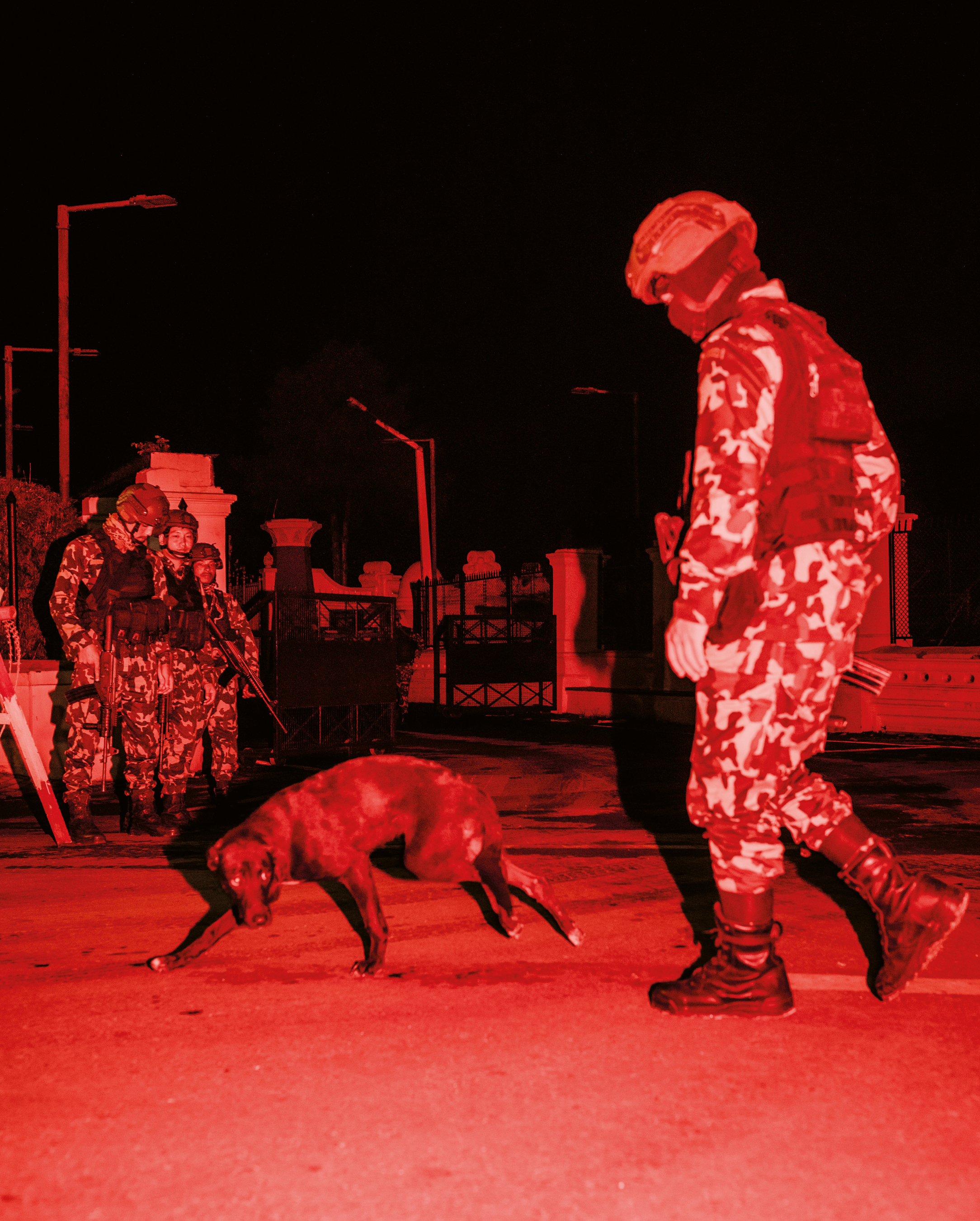
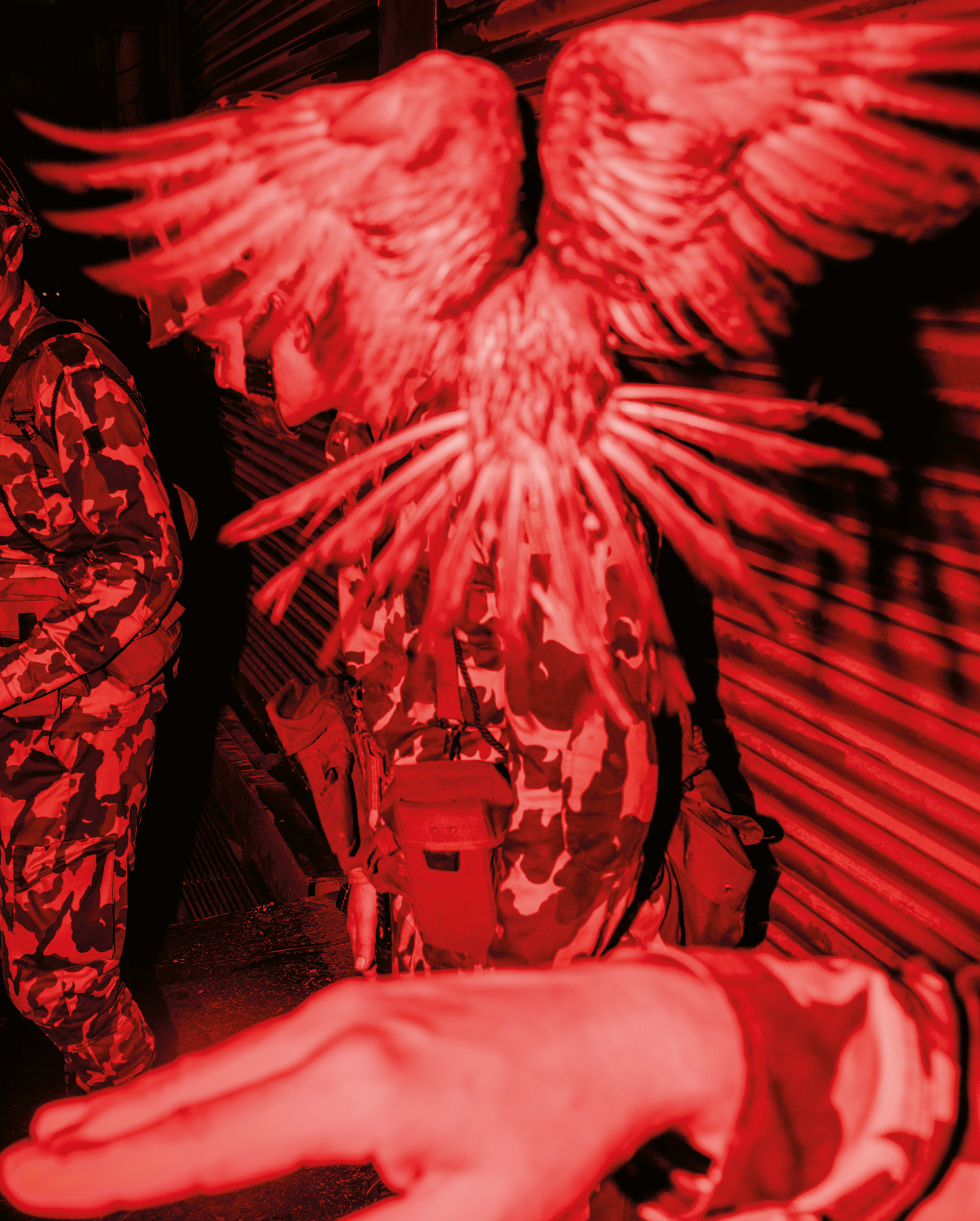
“Perhaps it’s best if we go back to 2006. It was towards the end of the civil war, which had started in 1996, and the Communist Maoists were trying to overthrow the monarchy. At that time, there were a lot of Maoist-led strikes and widespread killings of supporters of the monarchy. I was born in Kathmandu in 1986 and spent most of my childhood growing up under strict army surveillance.
In 2006, I was 20. At that time, classes at school and university were often cancelled because of protests and it wasn’t uncommon for armed soldiers to break into people’s homes to kidnap, harass and loot innocent civilians. But by 2008, after thousands of people had peacefully rallied for elections to be held, the monarchy was abolished and the Maoists were able to form a government. Much like 2025’s revolution, 2008 was a moment when people felt united and hopeful, as if it could be a transformative time for Nepal. But after a few years, it became clear that the politicians that the public had trusted were failing to deliver on their promises.
Frustrated, young people started emigrating in droves, my siblings among them. At home, there were constant power cuts —on some days they lasted up to 18 hours. I was in college doing a business degree at the time and I often studied under candlelight or using battery-powered lanterns.
But still, I remained hopeful. It felt like there were possibilities, especially in tourism, because of how beautiful our country is. At college in Kathmandu, I met fellow creatives who felt hopeful, too. After the end of the civil war, many artists emerged in Nepal to bring the decade-long history to life. The art scene became an outlet for people to elevate these stories that had been stored within society for years under surveillance, war and violence.


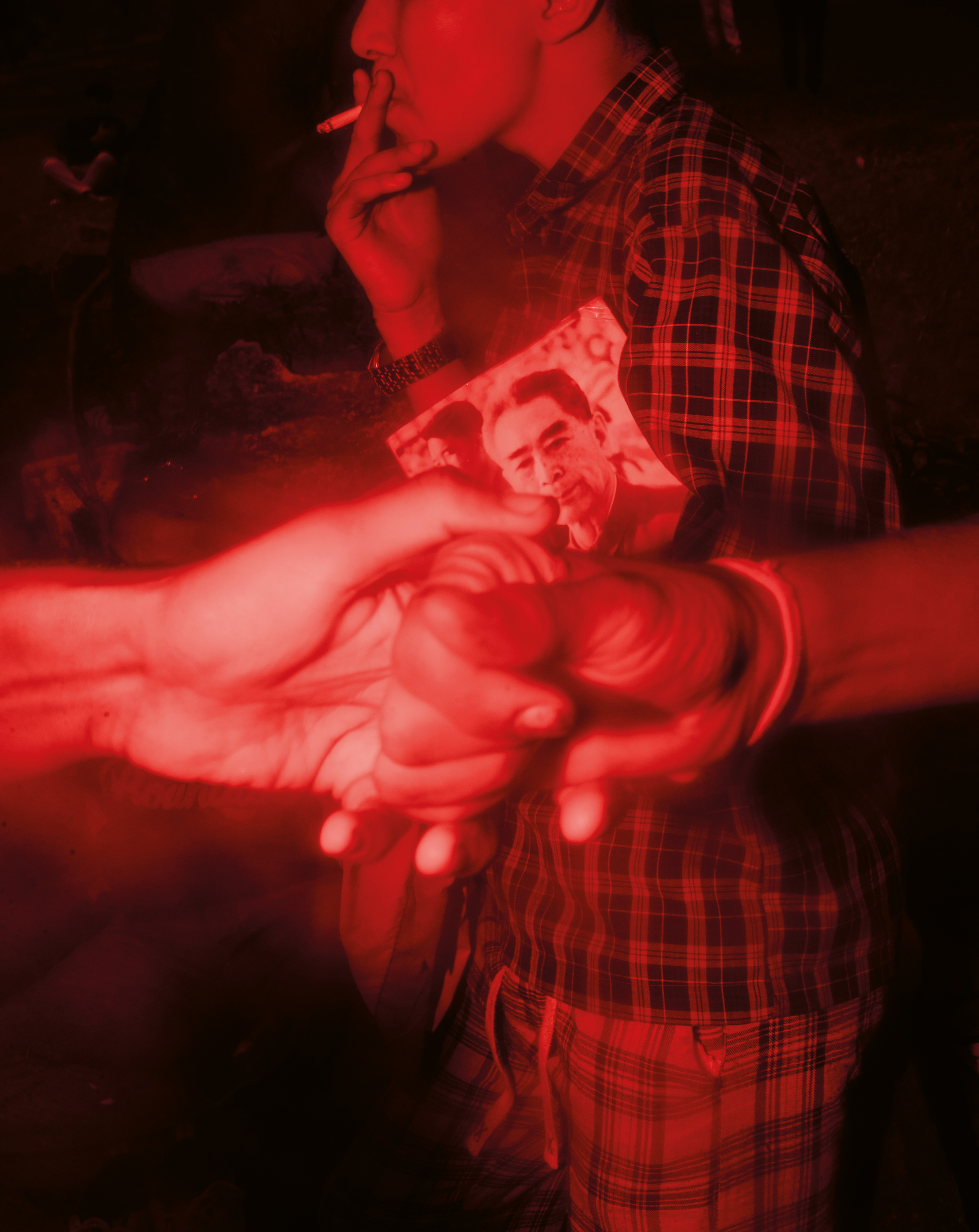
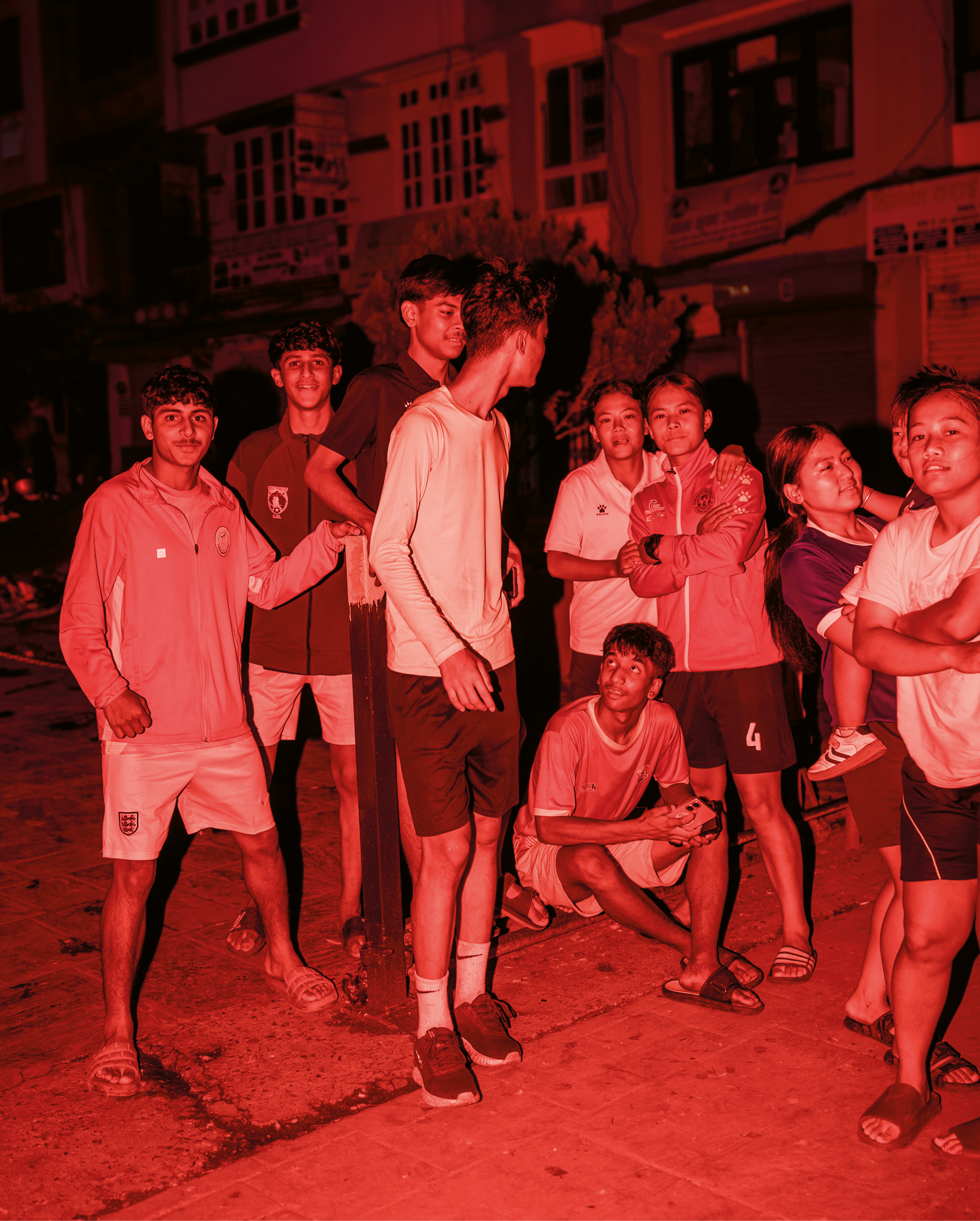
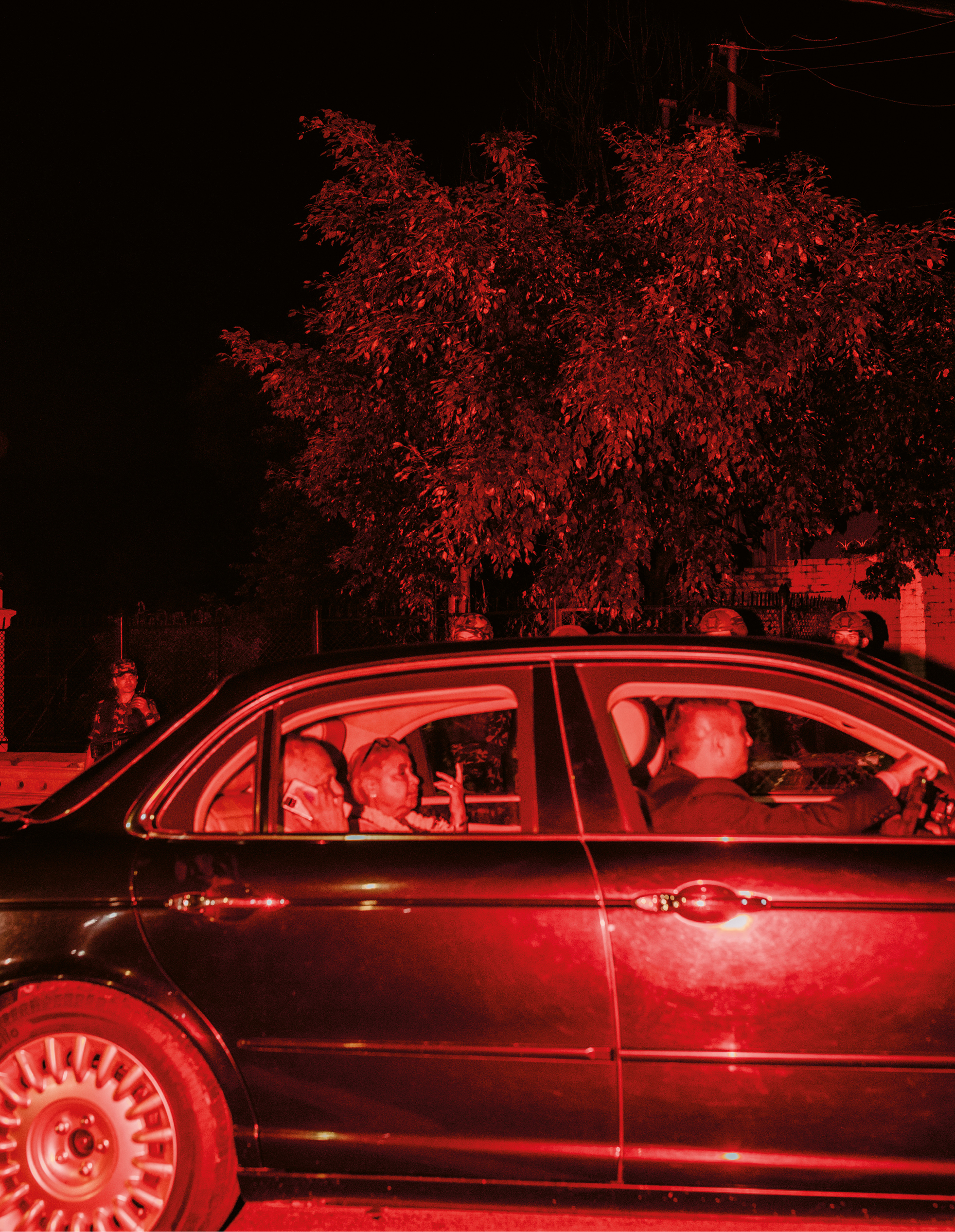
It was around that time that I decided to pursue a photography degree in Bangladesh and began shooting indigenous communities in the Himalayas. I was fascinated by these stories that had been marginalised by mainstream local media. Similarly, when the protests started in 2025, I felt it was my duty to go out and document this historical movement. I wanted to capture the rage, the hope and the passion for change.
This movement started with a few videos on social media targeting the children of politicians. They seemed to be living vastly different lives compared to other people their age. They drove nice cars, holidayed abroad and spent lavishly. Many of them also had YouTube channels where they flaunted their wealth. Meanwhile, among the general population, youth unemployment had reached 22.7 per cent.
As a result, they were labelled “nepo kids”. That fed into widespread calls for an end to the government’s corruption, along with demands from young people for the prime minister to resign.
On 4th September 2025, the government announced a ban on 26 platforms and messaging apps, using the excuse that they had missed a deadline to register under new regulations. In other words: the digital platforms that were used to hold leaders accountable were being taken away. That ban ignited the movement among Nepal’s Gen Z, both at home and in the diaspora — many had felt forced to leave home because of the lack of opportunity but were now struggling financially abroad. To many of us, the ban felt not just draconian but dictatorial.


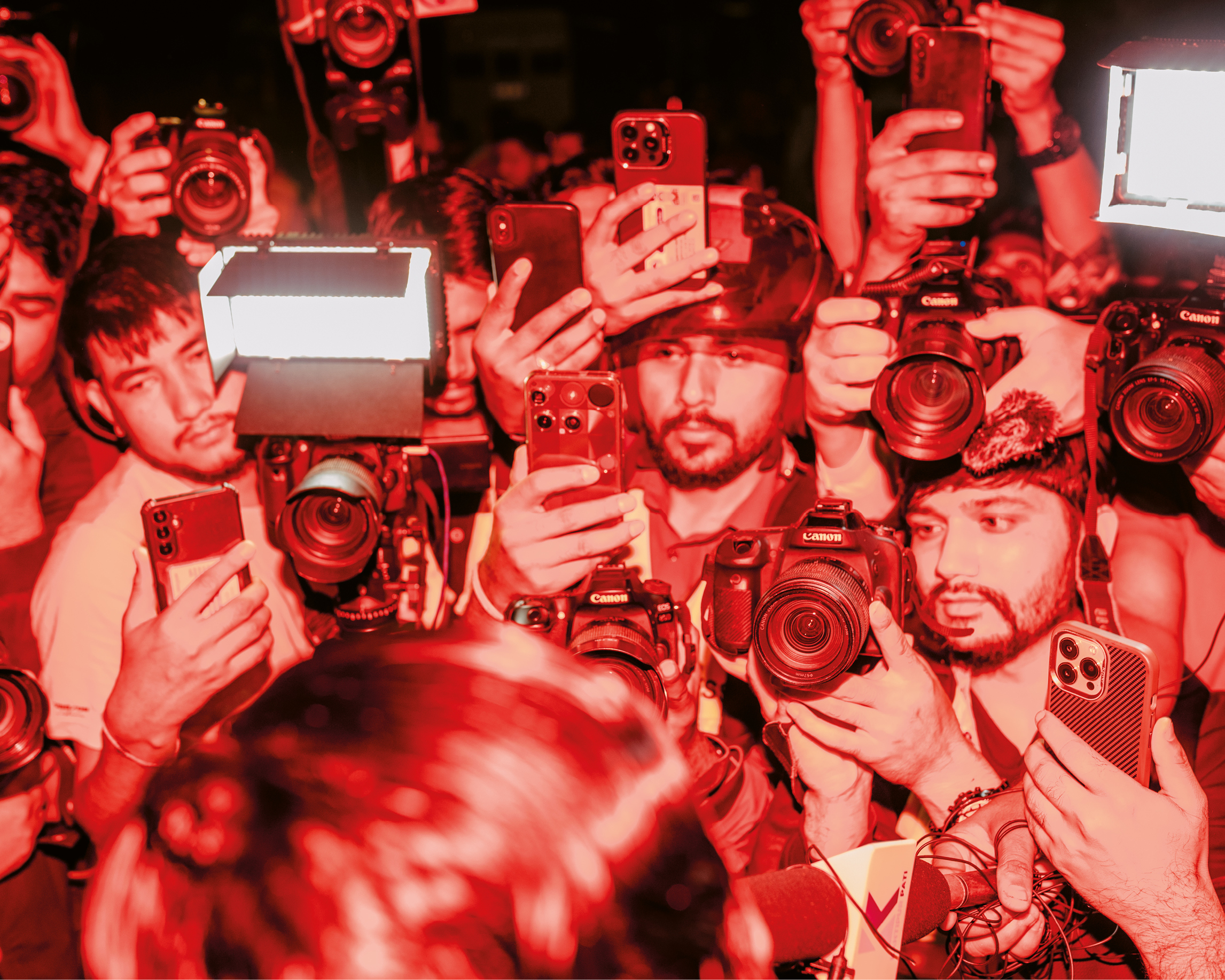
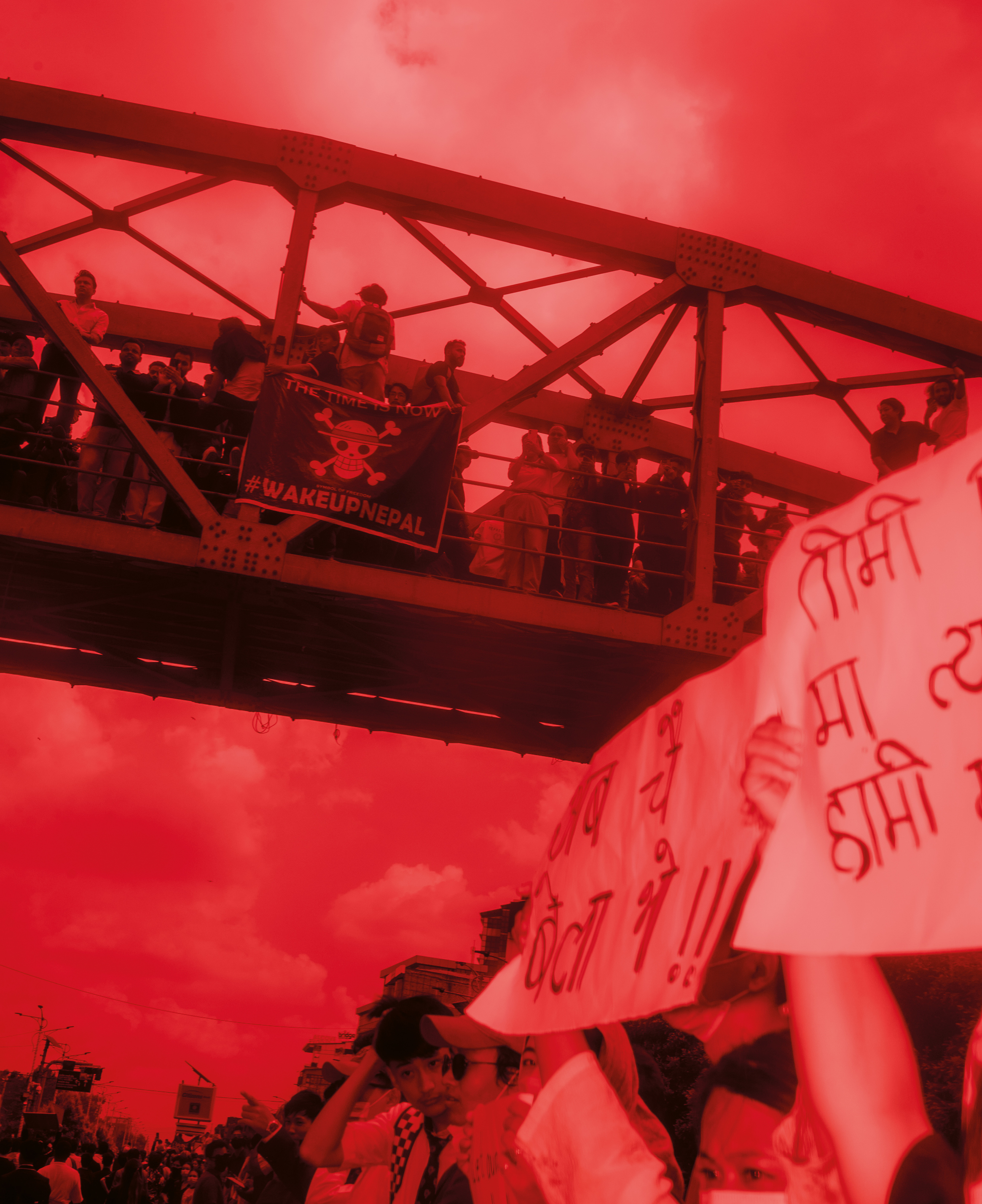
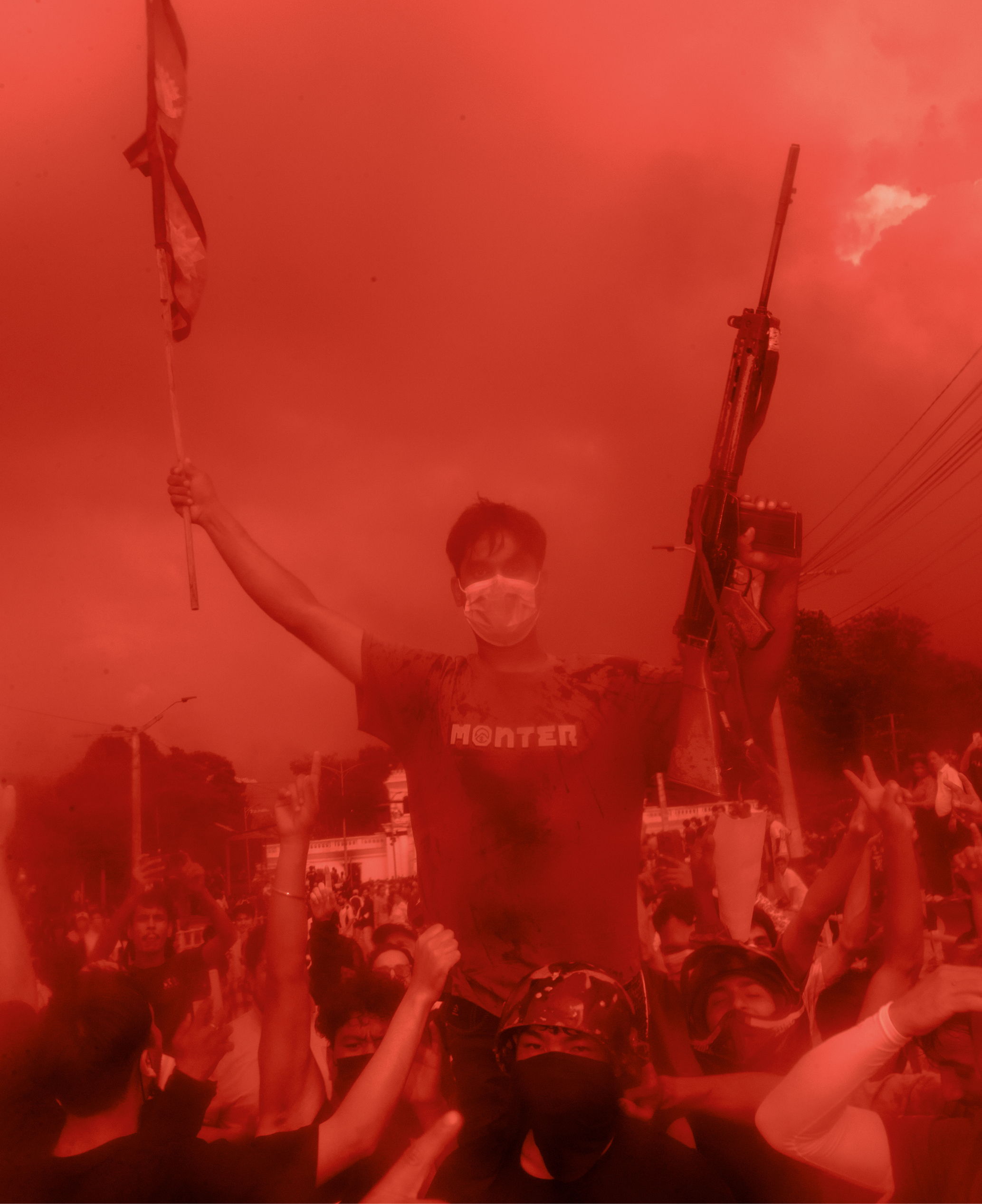
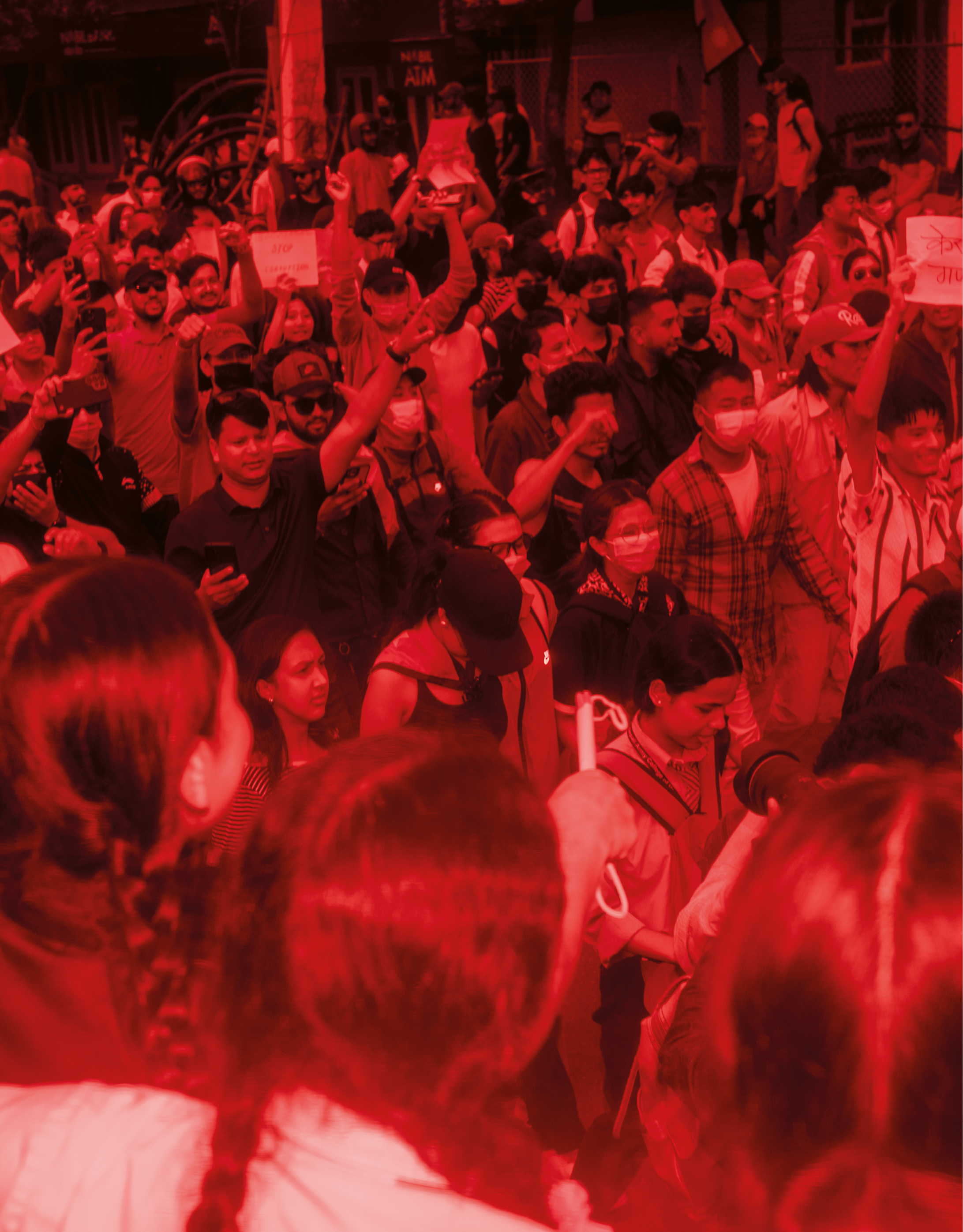
On the morning of 8th September, young people started mobilising after contacting each other through VPNs. By around noon, protestors were gathering in the streets of Maitighar, a neighbourhood of Kathmandu. It began peacefully — people sang and danced. A lot of high-school students took part. Arriving in ties and pleated skirts, they’d been told to attend in their school uniforms to prevent them from getting attacked. From the protest’s starting point to Parliament, it’s a 20-minute walk. On the way, protesters were stopped by police. Soon, the security forces shot the first water cannon at them. But the protesters, who were by now scared and angry, broke through the first barrier around the Parliament building.
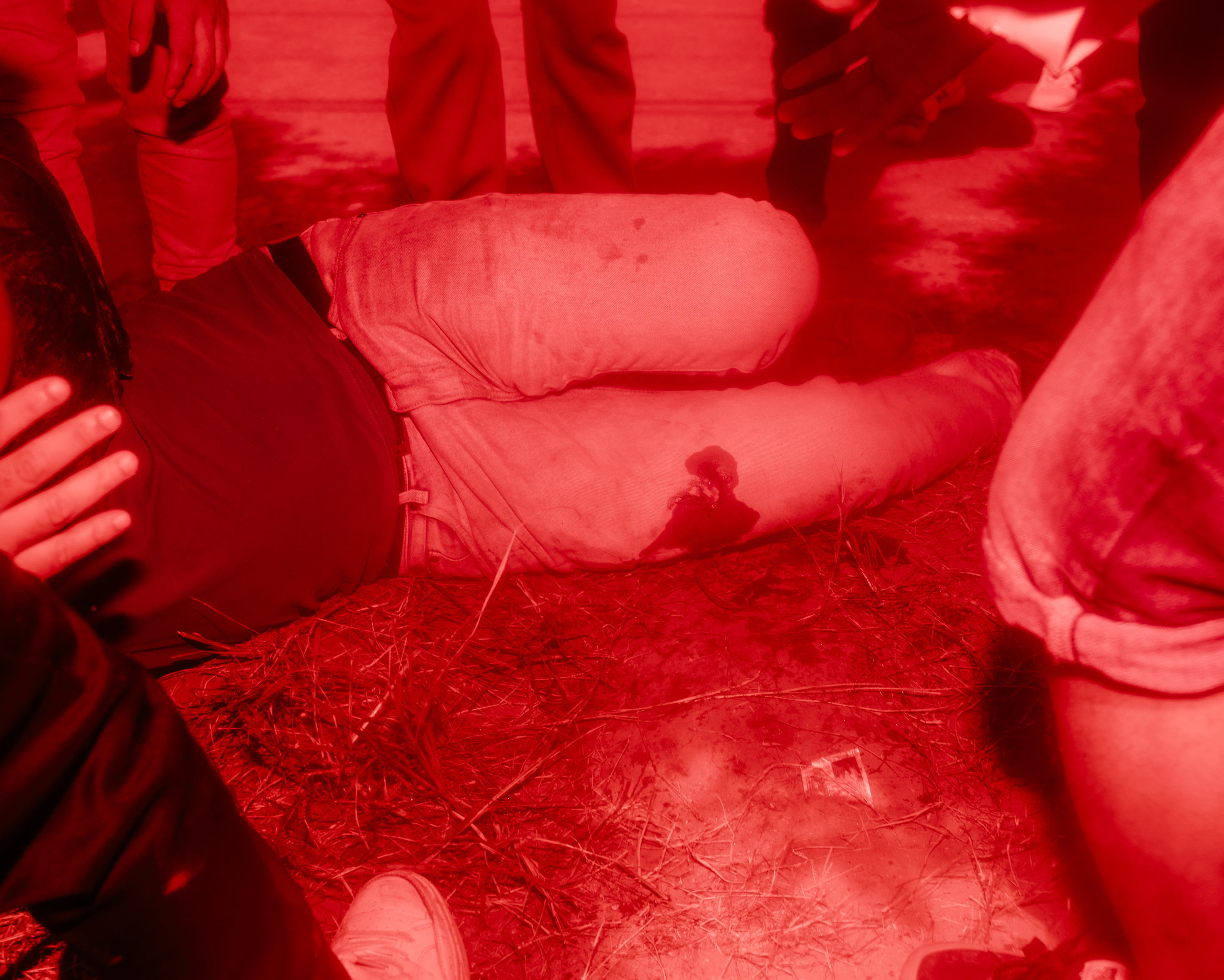
By 2pm, things had turned violent. Three or four people were shot right in front of me. A journalist was shot in the neck. There was blood everywhere. I’ve seen water cannons, tear gas and beatings at protests, but never live ammunition. I saw protesters die where they stood. They were very young: 17, 18, 19, 20. At least 19 people died that day. Standing at the front, I had to take cover and move to a position higher up and further away. I was very scared.


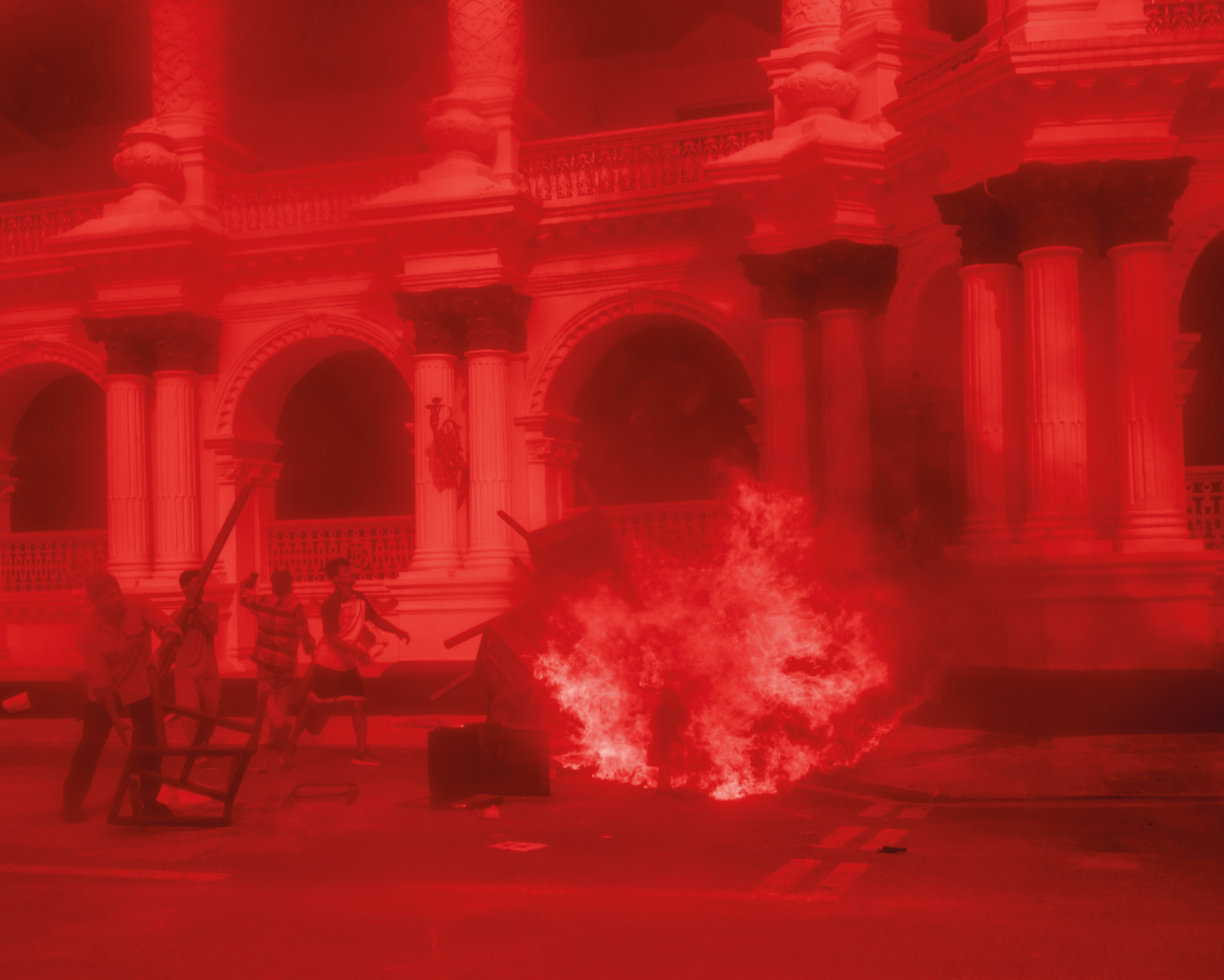
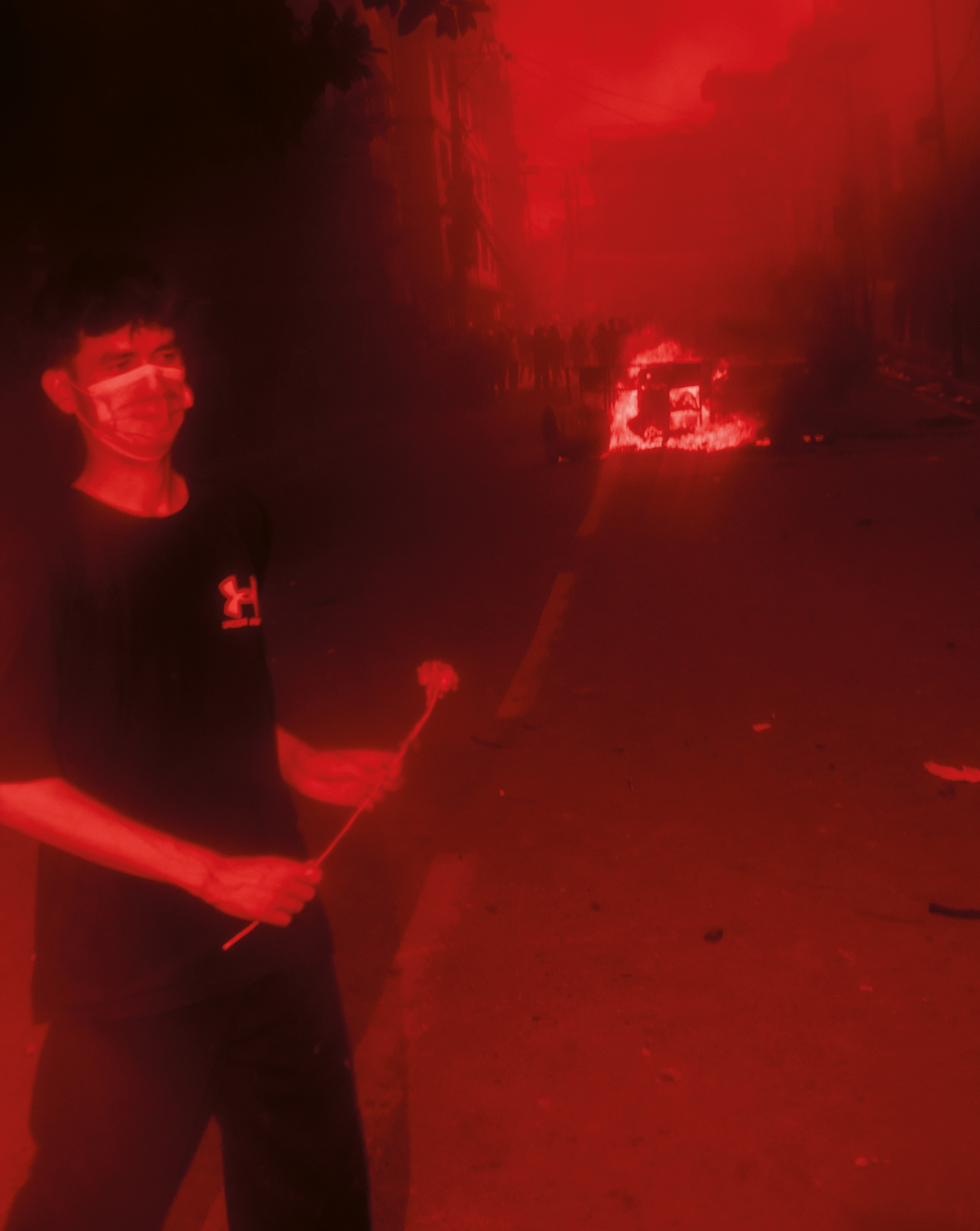
Other journalists were there to document the day; I did the same, but by capturing what resonated with me. It was more about taking images based on my own feelings and instinct rather than shooting news-friendly images for an agency.
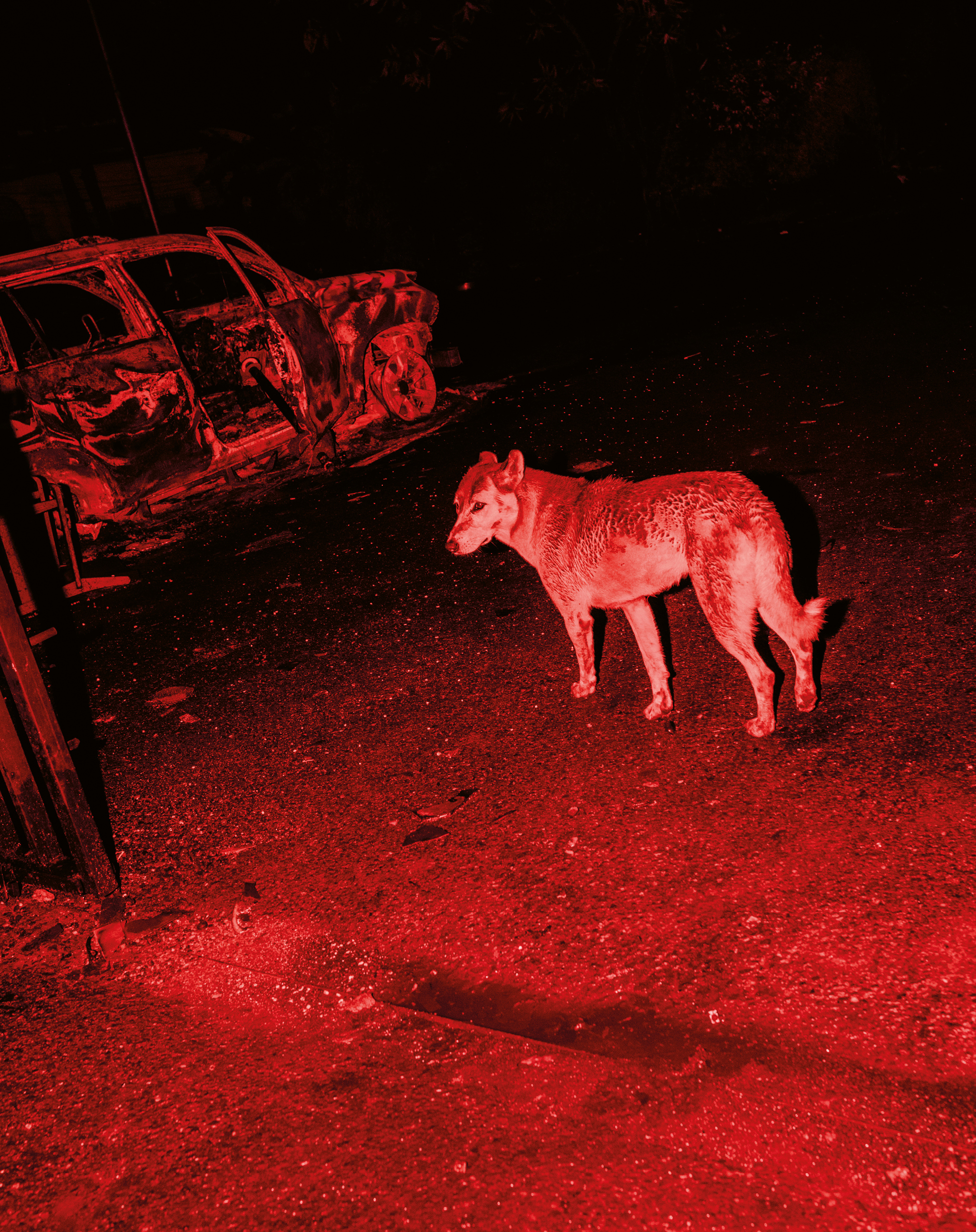
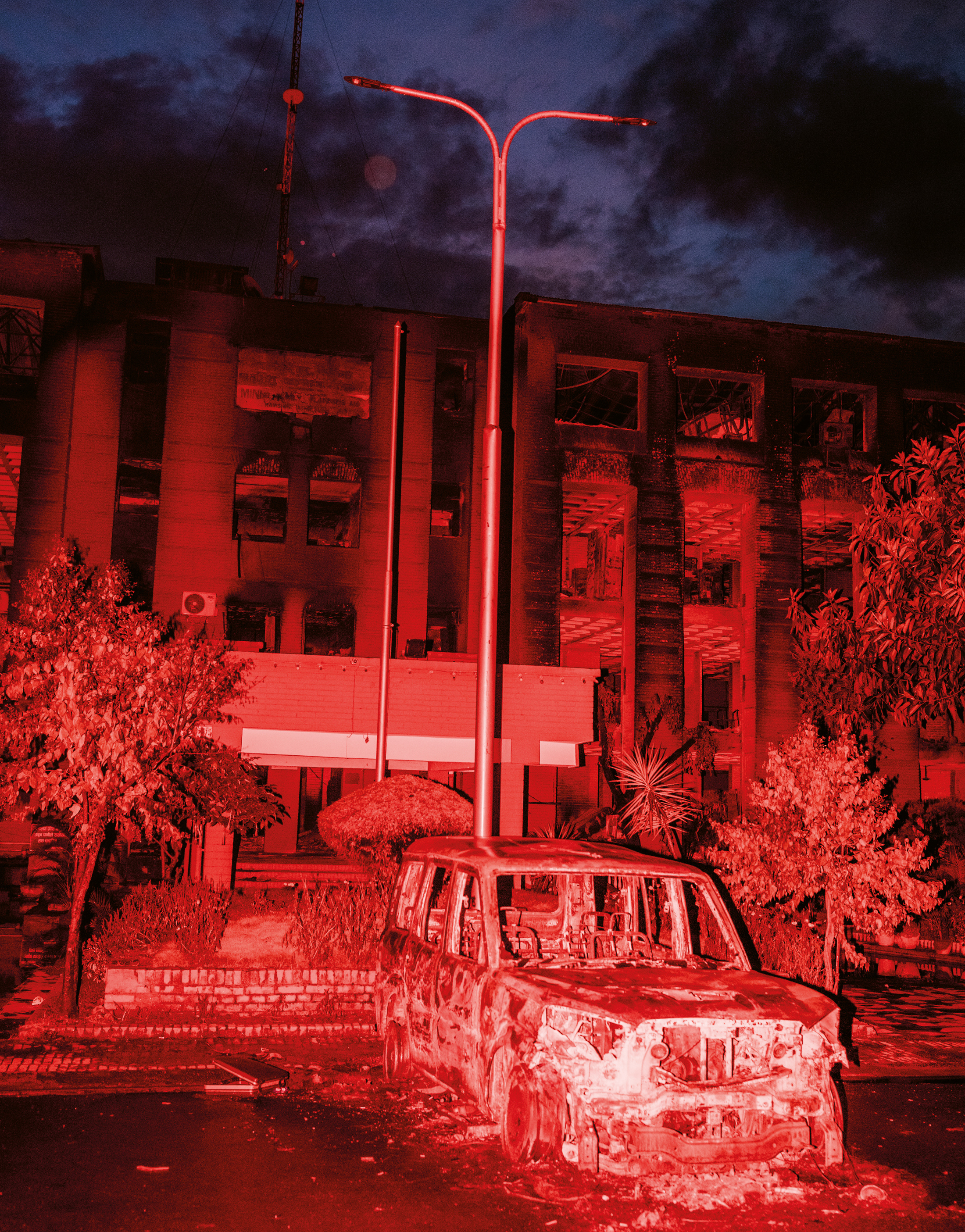
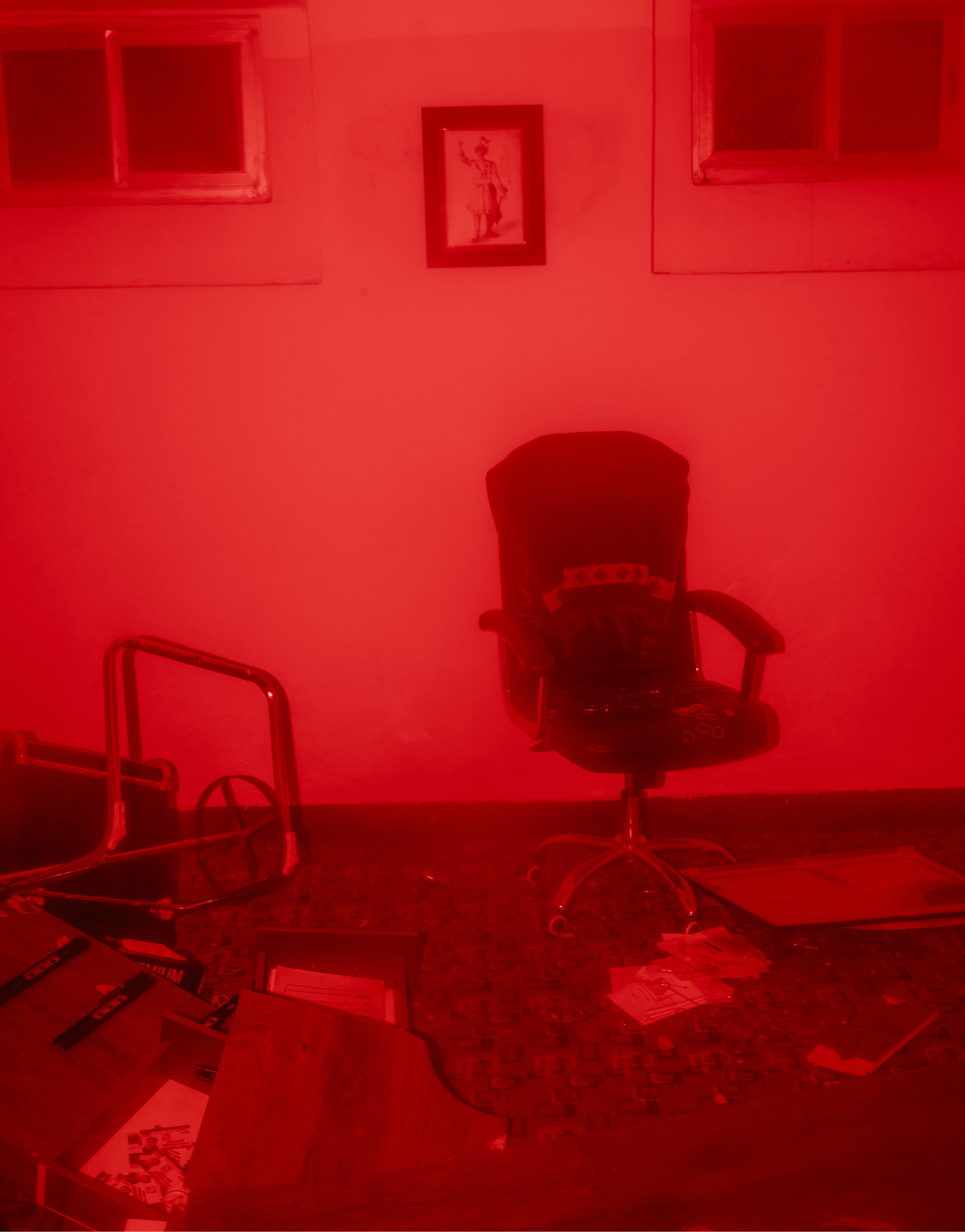
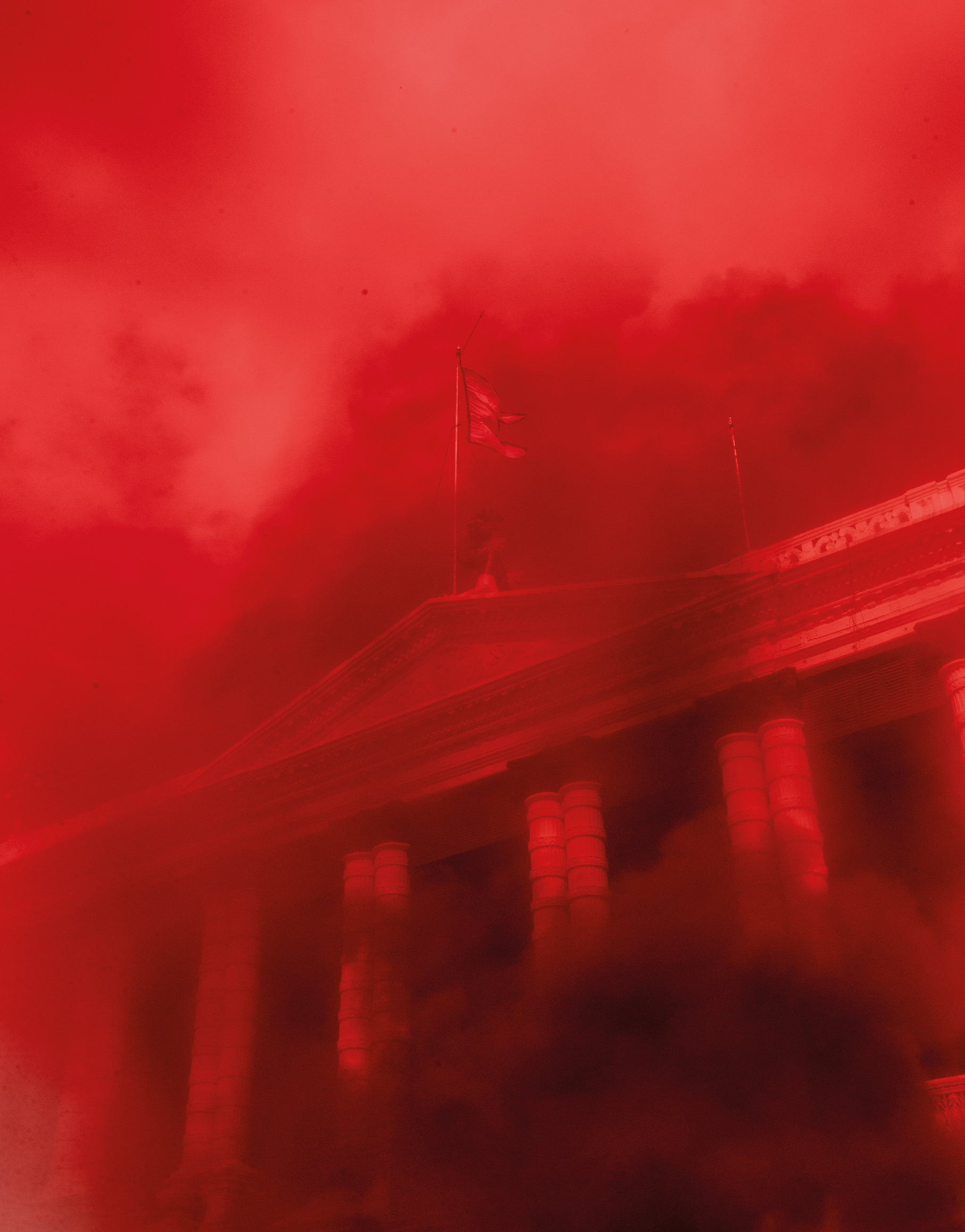
The next day, after Prime Minister Oli resigned, with no apology for what had happened, the protests continued, setting fire to Parliament buildings, the Supreme Court and the Singha Durbar complex that houses administrative offices and several government ministries.
That night, no one slept, not least because the pace of change was rapid and fraught: the PM had resigned, the government had collapsed and there was huge fear that the army would take over permanently. Pending the selection of a new, interim candidate, the generals did take control — but only in a caretaker capacity.


On Discord, a fervent discussion took place as more than 10,000 young people sought to decide who would be the next leader. I followed the conversation well into the night. It felt like we were in a dull, empty space where nothing was certain and everything was possible. We were pinning our hopes on the Gen Z population to take the next crucial steps for the country.
In the Discord poll, held in the early hours of the morning, many voted for the 35-year-old rapper-turned-mayor of Kathmandu, Balendra Shah, an impressive figure to a lot of young people. But since they first needed someone to serve for six months in an interim government, Sushila Karki — a lawyer, judge and politician who served as the first female chief justice of Nepal — was nominated after hours of voting, and her name was taken to the army general.
It was surreal to see something as important as this play out on Discord, and many older people felt sceptical that social media could effect political change. They didn’t know what the platform was and felt left out of the conversation. But this was a Gen Z‑led movement and the use of Discord made sense for them. On 12th September, Parliament was officially dissolved and Karki was sworn in as interim prime minister.
The passion I saw from the Nepali youth that week is partly why I decided to tint my images red. It also symbolically reflects the government’s use of excessive force and the blood on their hands. I was conscious, too, of trying to preserve my subjects’ anonymity.


Since the protest, Nepal has been in a liminal space, waiting for the election, under an interim government and uncertain about the future. But ex-politicians have begun popping up and telling publications that protest footage was AI- generated. They’ve been pushing for a force they call “cyber sena” — cyber military — to combat what they see as fake news. With an election just around the corner, Balendra Shah has joined the Rastriya Swatantra Party (RSP), led by a former TV host-turned politician Rabi Lamichhane.
If they win, Shah will become the prime minister and Lamichhane will remain the party chief. They stand against four former PMs: ousted leader KP Sharma Oli; Pushpa Kamal Dahal, leader of the Communist Party of Nepal; Madhav Kumar Nepal of the Nepali Communist Party; and Baburam Bhattarai of the Pragatisheel Loktantrik Party. As the campaigns gear up, things are feeling chaotic again.
But hope remains. There’s this idea that younger people don’t have enough experience or political education to make an informed judgement. The events of last September, though, prove otherwise. And as it was then, the most important thing remains transparency.”

