
The result of this trial could shape modern Britain

Clare Considine attends Woolwich Crown Court to report on the first trial for the Filton 24, – eight of whom have been involved in hunger strikes – as they fight for their right to protest.
Society
Words: Clare Considine
Photography: Tarun Iyer
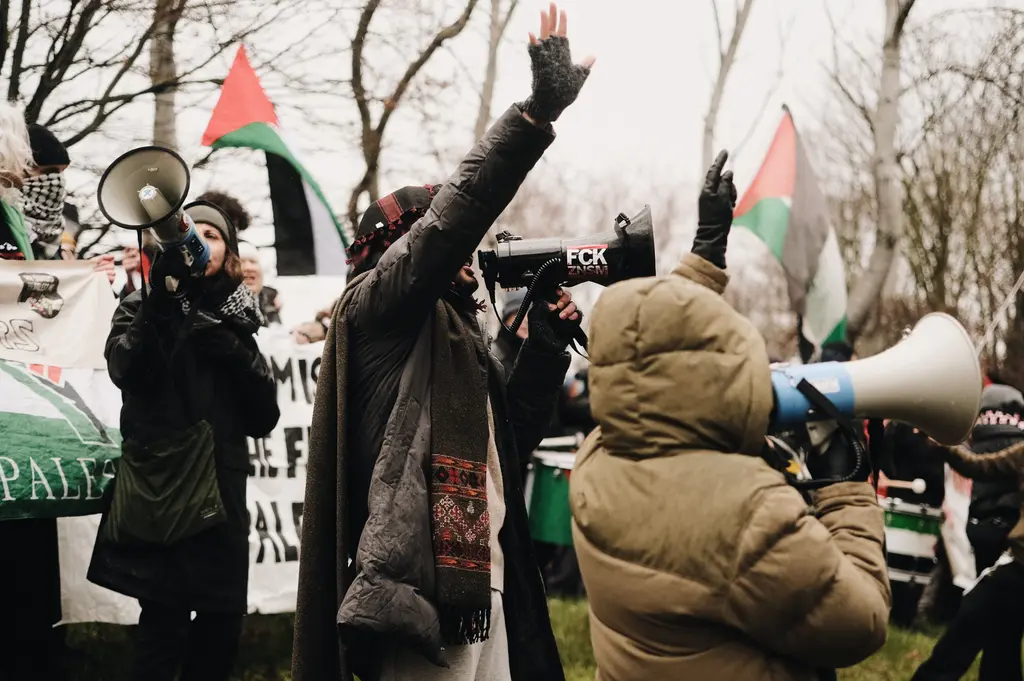
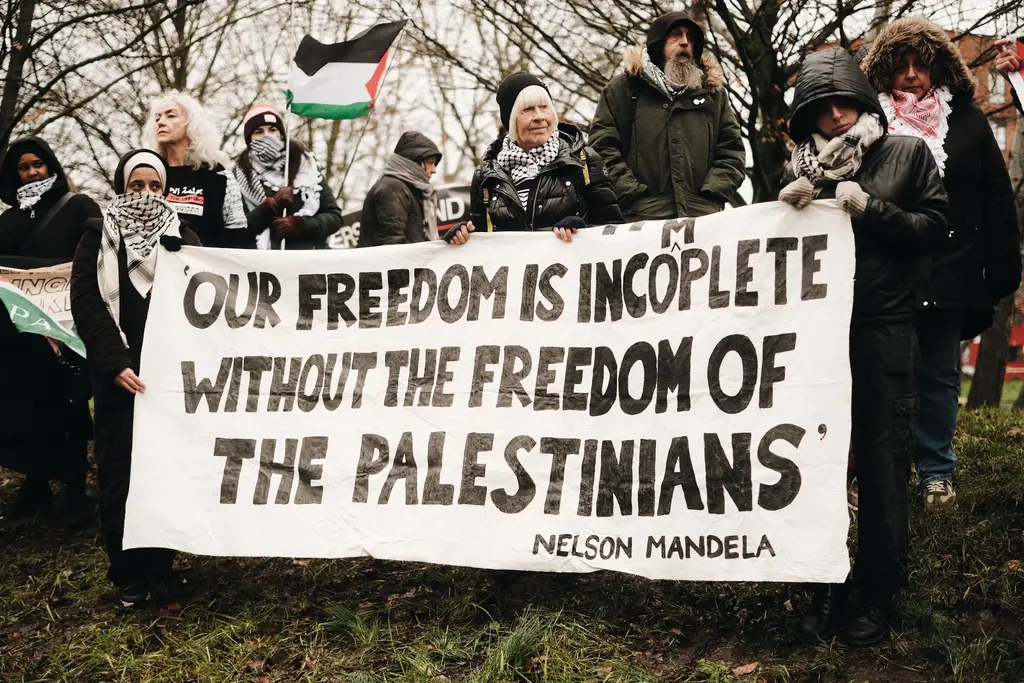
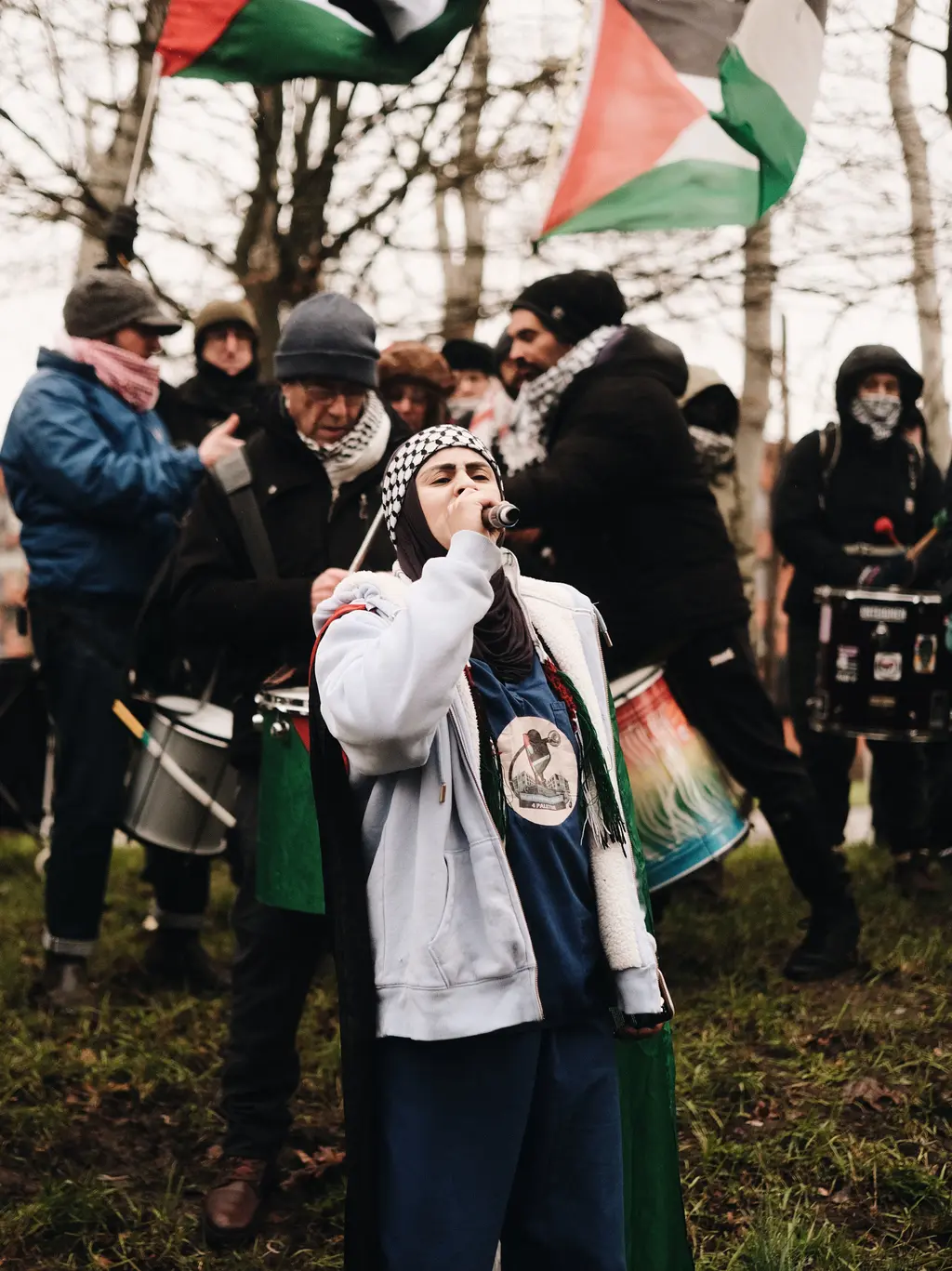
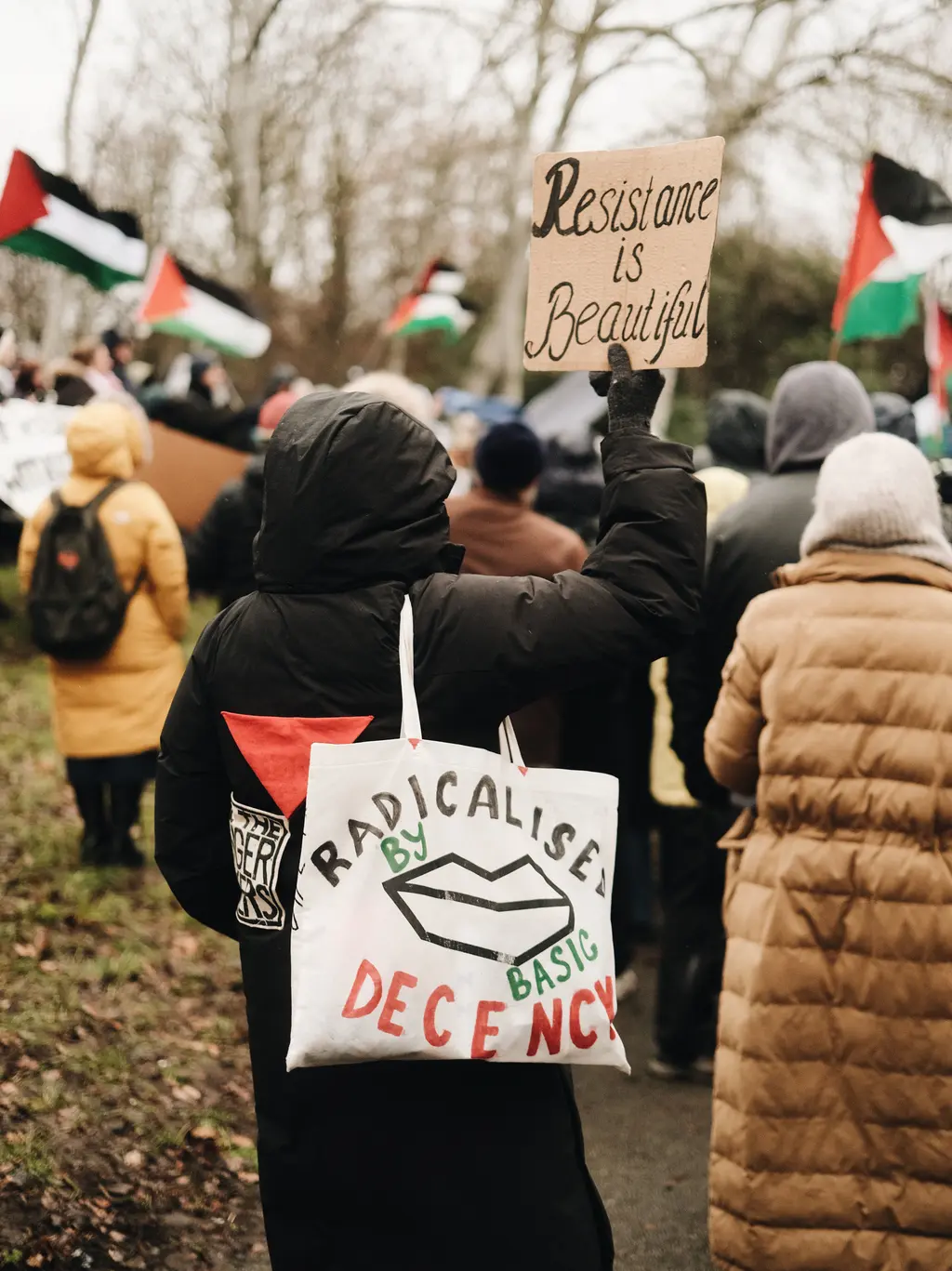
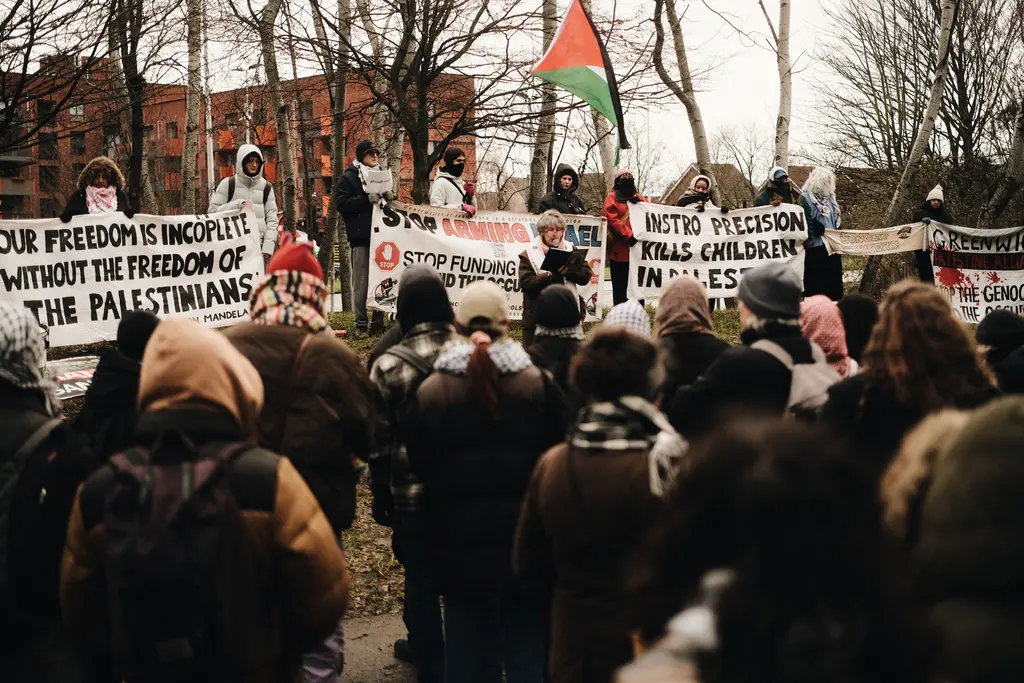
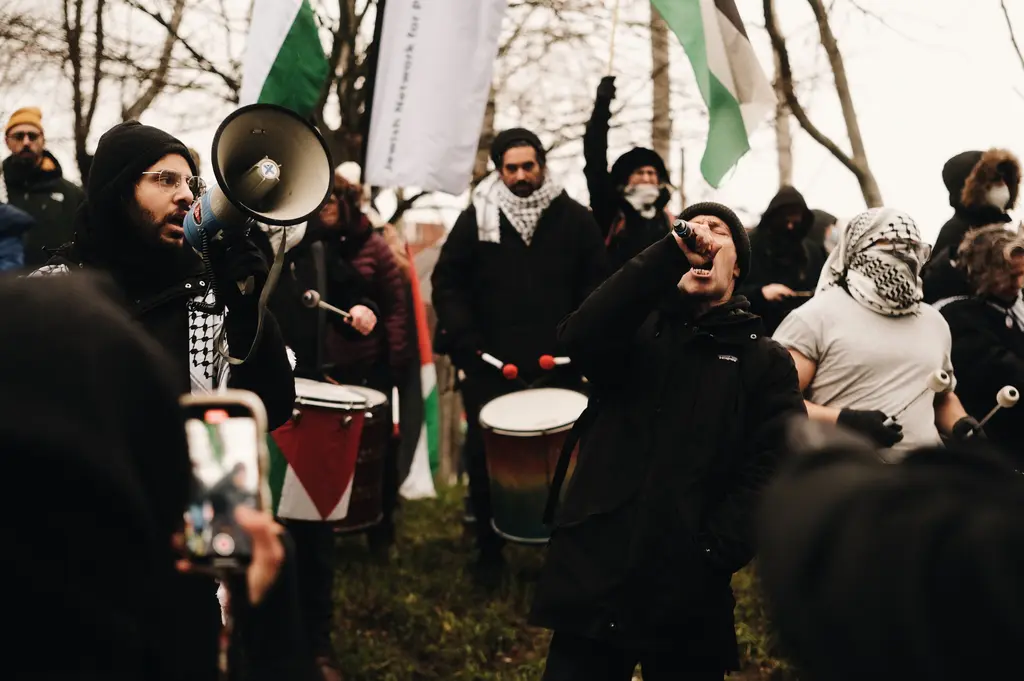
On Friday 9th January, I joined a noisy sea of red, white, black and green gathered outside Woolwich Crown Court. From across London and beyond, the crowd came to give and receive emotional support on what was supposed to be decision day in the first trial for the Filton 24.
The case does not exist in a vacuum. The results of these proceedings will undoubtedly impact the outcomes for the rest of the imprisoned Filton 24, eight of whom have been involved in hunger strikes, with demands ranging from immediate bail to the shutting down of Israeli weapons manufacturers, Elbit Systems.
On top of that: the future of the British jury trial, our nation’s relationship to non-violent direct action and the meaning of terror laws, all currently hang in the balance. Or in the hands of 12 lay people with one massive decision to make.


Who are the Filton 24?
The Filton 24 are a group of direct actionists charged with burglary, criminal damage and violent disorder for their alleged roles in breaking into the Bristol factory of Elbit Systems in August 2024.
They have been held on remand in various UK prisons since, far exceeding the six-month statutory pre-trial detention limit. Despite carrying out the action prior to the proscription of Palestine Action and no terror charges having been brought against them, the CPS have cited a vague “terrorism connection” as justification for various violations of their human rights.
Leigh Cadno, 54, one of the supporters outside Woolwich Crown Court, is an emergency medic who was most recently in Gaza in April last year. “This case to me is pivotal in terms of the direction that Britain is going to go,” he said, wearing scrubs and draped in his nation’s Welsh flag. “It sets a precedent for direct action. And direct action has proven to be one of the only things that overthrows apartheid, white supremacy and helps us stop genocides”.



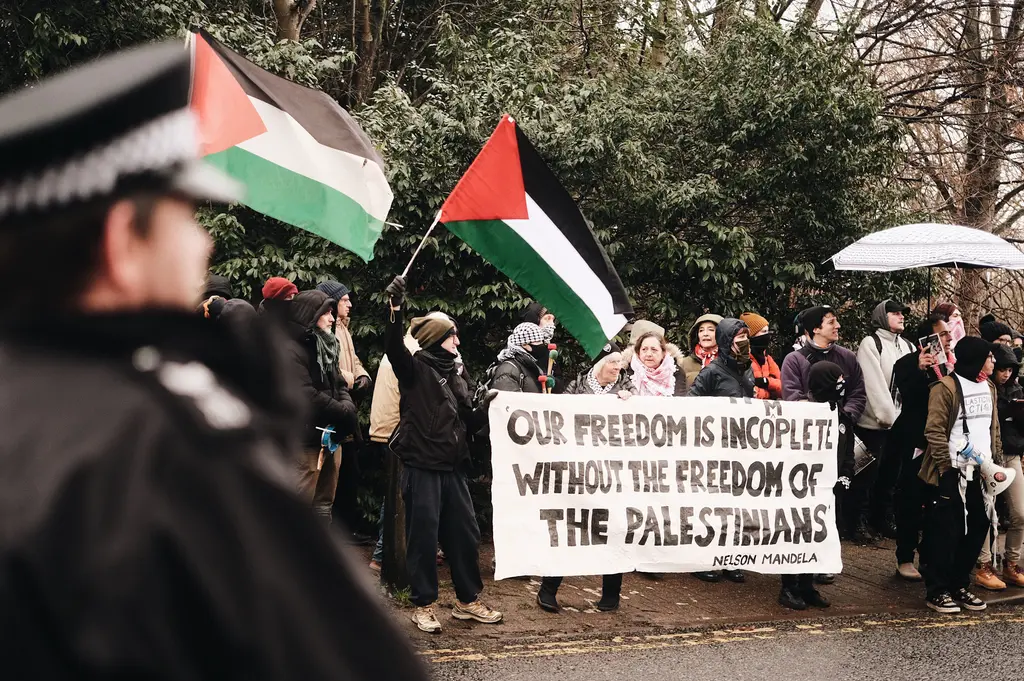
What is the significance of this trial for the Filton 24?
Zoe Rogers, Fatema Zainab Rajwani, Jordan Devlin, Samuel Corner, Charlotte “Lottie” Head and Ellie Kamio are the first six of the Filton 24 to stand trial, in proceedings that began on 18th November 2025.
Over the course of eight weeks in court, prisoners previously silenced by jail conditions surrounding their “terrorism connection” have been given the opportunity to share their side of the story.
I speak to Audrey Corno, the co-founder of Prisoners4Palestine (an essential resource for those following the case) who previously served two months on remand for her alleged part in occupying the rooftop of GRiD Defence Systems, a military hardware manufacturer accused by Palestine Action of supplying for Elbit Systems. “We consider the trial the second part of the action,” she shouts over solidarity chants and drum beats, referring to the general role that a court case can play in a direct action (in this case, the break-in at Elbit). “An opportunity to hold whatever or whoever you’re challenging accountable in court.”
Each of the six defendants have had their own counsel and an opportunity to take the stand. The lawyers for Charlotte, 29, pointed to her years spent volunteering in the Calais Jungle and her job for a domestic violence charity. Zoe, 22, read an excerpt from a poem she wrote in prison: “When they ask me why I did it, I tell them about the children… It was love, not hate, that called me”. 30-year-old Ellie cried on the stand as she described the footage she’d seen of a child in Gaza picking up parts of his mother’s body and putting them in a plastic bag to bury her.
In his closing statements lead barrister Rajiv Menon KC took direct aim at the exact institution the six ultimately wish to hold accountable. “Elbit remains in the shadows, hidden and protected,” he declared to the jury. “But not, ladies and gentlemen, in the corridors of power, where no doubt they are welcomed, wined and dined.”


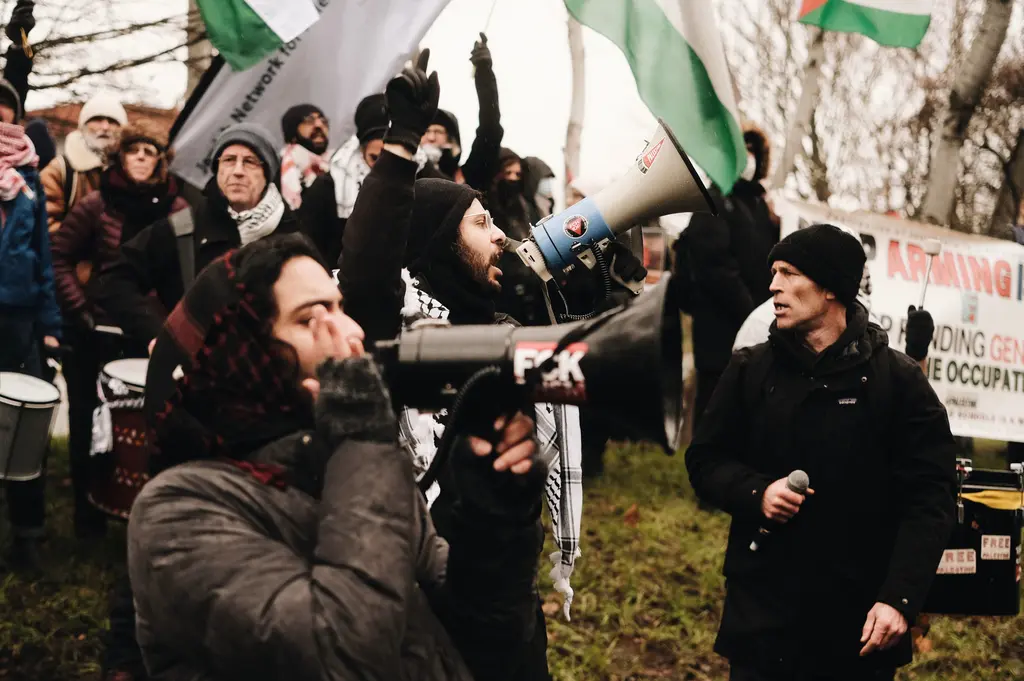
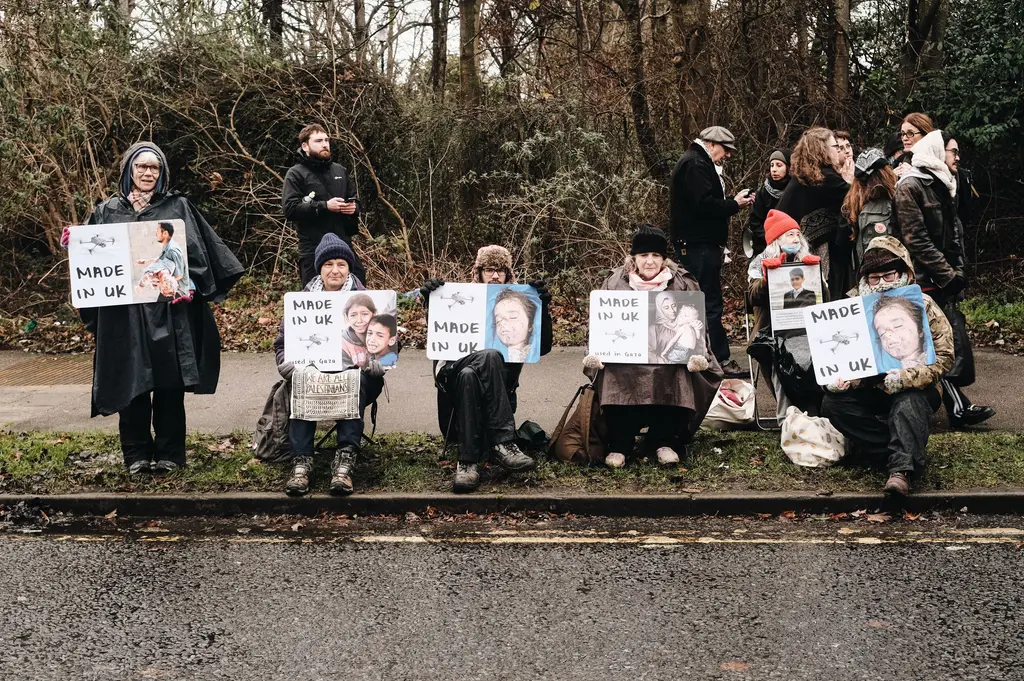
What is the relevance of this being a jury trial?
Jury trials have been a hot topic of late, following David Lammy’s mission to slash them and Defend Our Juries’ concurrent mission to empower them. They are particularly relevant in the cases of Palestine activists, when juries generally tend to acquit.
At the trial’s opening the judge withdrew the right of the defence team to use what is known as “justification defences”: the classic “motive” at the heart of most criminal cases. This creates a strange legal limbo: barristers are not allowed to tell the jury about the concept of jury equity (a jury’s right to find defendants not guilty even if it is clear they have committed a crime, on the basis of moral judgement), but the jury are still legally entitled to acquit.


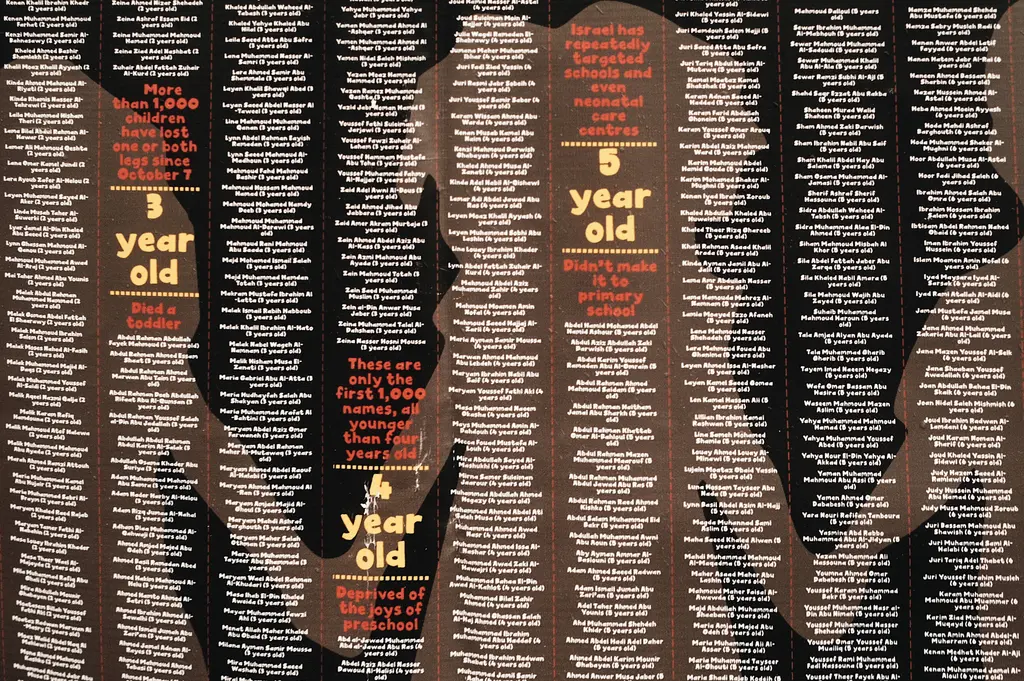
How does this trial relate to the proscription of Palestine Action?
Running concurrently to the Filton trial has been the judicial review challenging the proscription of Palestine Action. That also began in November, with a decision expected later this month.
Again, the jury will have found themselves at the centre of a head-spinning legal and political quandry. “This case has been politicised from the very start and has been used to justify the proscription of Palestine Action.” says Naila Ahmed, Head of Campaigns at independent human rights advocacy organisation CAGE International. Prior to the trial the jury may have seen politicians and read op-eds making oblique references to this exact case and its undisclosed “terrorism connections” as justification for the proscription. But in court they have been directed to ignore what the judge has described as the “elephant in the room” – on top of which they have been provided with no evidence of terrorist connections.
The trial is the first that has seen a direct action protest group arrested under the Terrorism Act. Suffice to say, Yvette Cooper can be added to the long list of those nervously awaiting the result.



What could the result mean for the future of direct action?
I spoke to Joy, 34, an ex-recruiter and one of the most vocal protesters outside court with a natural MC’s energy. “Direct action has come more and more under attack,” she said, referencing increasingly draconian government legislations, dating back to the Just Stop Oil era, curbing protest. “They want to make an example of us. They want to say that if you continue this route there will be consequences. They’ve really turned the volume up.”
The case, then, puts on trial the entire notion of action that exists non-violently but one step beyond marches and petitions. “I think if the verdict of not guilty comes out,” said Corno, “then hopefully we can start to see the undoing of the repression that the government has been exercising on the whole Palestine movement in this country.”
What now?
Following closing speeches, the jury went out to deliberate on Tuesday 13th January. At time of writing, a verdict is expected any time this week or next. There might be one conclusive finding for the entire group, or decisions could drip in for each individual defendant. As the jury deliberates, the six will await their fate in cells underneath the court. All the while, they’ll hear the drums of solidarity from just beyond the court gates.
“It’s hard for me to look at this objectively. Having been in prison with some of them and calling them my close friends, it’s hard for me to honestly not be full of hope,” said Corno. “Seeing them testify brought me to tears. It was so powerful and I feel in my heart that they’ve won the jury over.”
In his closing speech Rajiv Menon, lead defence counsel, quoted the American cultural anthropologist Margaret Mead: “Never doubt that a small group of thoughtful, committed, citizens can change the world. Indeed, it is the only thing that ever has.”
Late last night, Heba Muraisi, Kamran Ahmed and Lewie Chiaramello – respectively on days 73, 66 and 55 of their hunger strikes – announced an end to their strike. Teuta Hoxha, Jon Cink, Qesser Zuhrah and Amu Gib, who had paused their strikes, are also ending their action. They reached this decision following some key victories in terms of their demands, including the government’s decision not to award a £2 billion contract to Elbit Systems under which it would have trained 60,000 British troops a year.
Read the full defence speeches here

