
Francesca Sorrenti: “Davide’s journals are fragments of a restless life”

Skaters, cool kids and waifs – a newly published reproduction of the young photographer’s journal gives us an intimate view of sleepless nights in New York in the early ’90s.
Culture
Words: Tiffany Lai
Every so often, an artist comes along that feels like a comet. A spinning ball of blink-and-you’ll-miss-it energy that spends a brief but impactful time in our orbit. Davide Sorrenti was one of them.
Born in Naples to photographer/stylist Francesca Sorrenti and artist Riccardo Sorrenti, Davide was raised – alongside his brother Mario – in New York, where he rose to fame as a photographer and artist in his late teens during the ’90s.
Deeply ingrained in youth and street culture, Davide shot the graffiti artists, street kids and skateboarders that surrounded him, forming a crew called SKE (Some Kids Envy) – who had their headquarters at Francesca’s apartment – starting a rap group called The Mosaics and founding slogan‑T, streetwear label, Danücht.
Though Davide would eventually pass away at just 20, due to a blood disease compounded by heroin use, he achieved an extraordinary amount in his short life. He shot for magazines like Interview, Ray Gun, i‑D, and Detour as well brands like Supreme and Hysteric Glamour, bringing his singular vision and entrenchment in street culture to brands and publications in a way that older, more established photographers couldn’t. Central to his images was the “heroin chic” aesthetic that he pushed forward, his world was one of skateparks and underpasses, stringy hair and chewed-off nails.
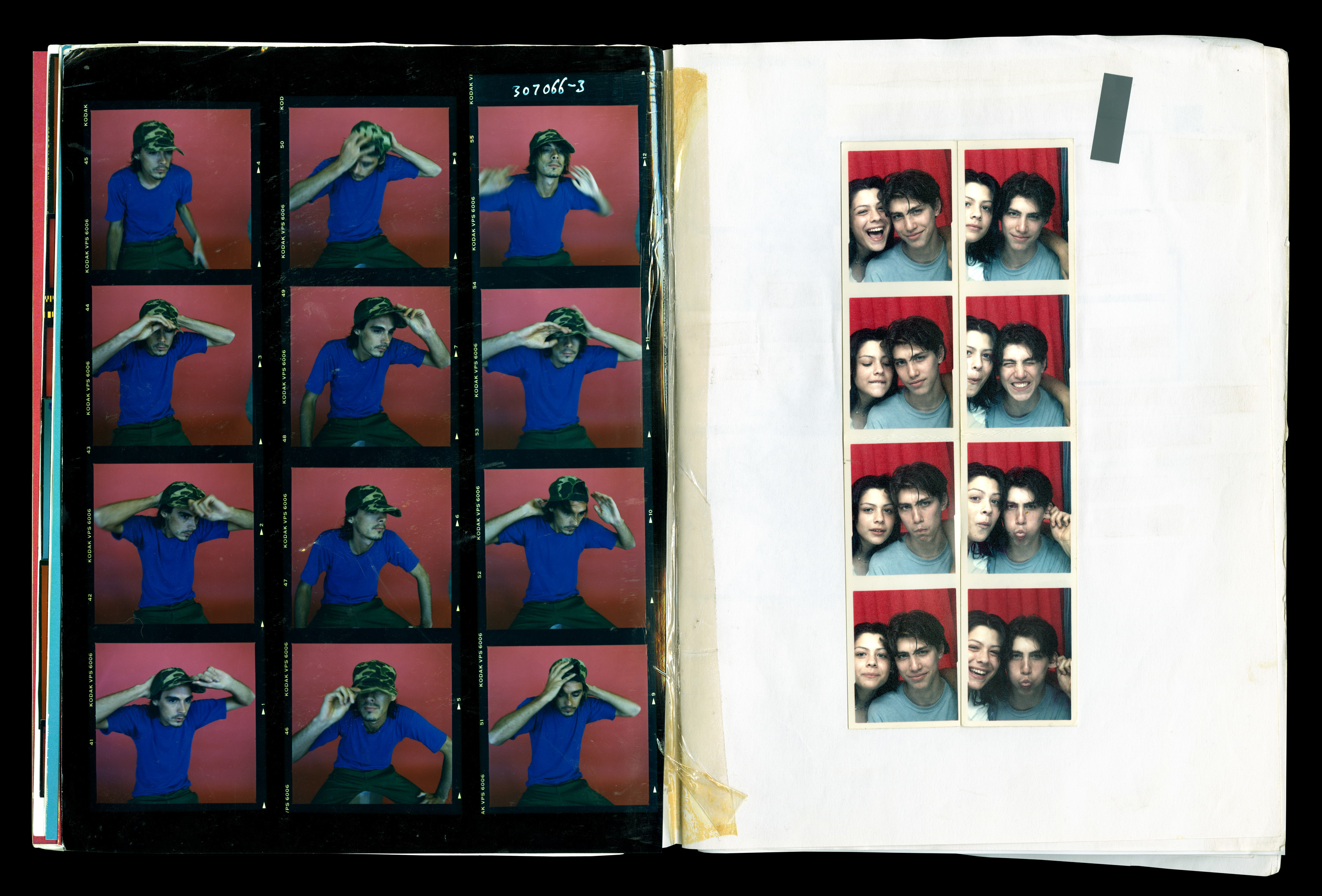
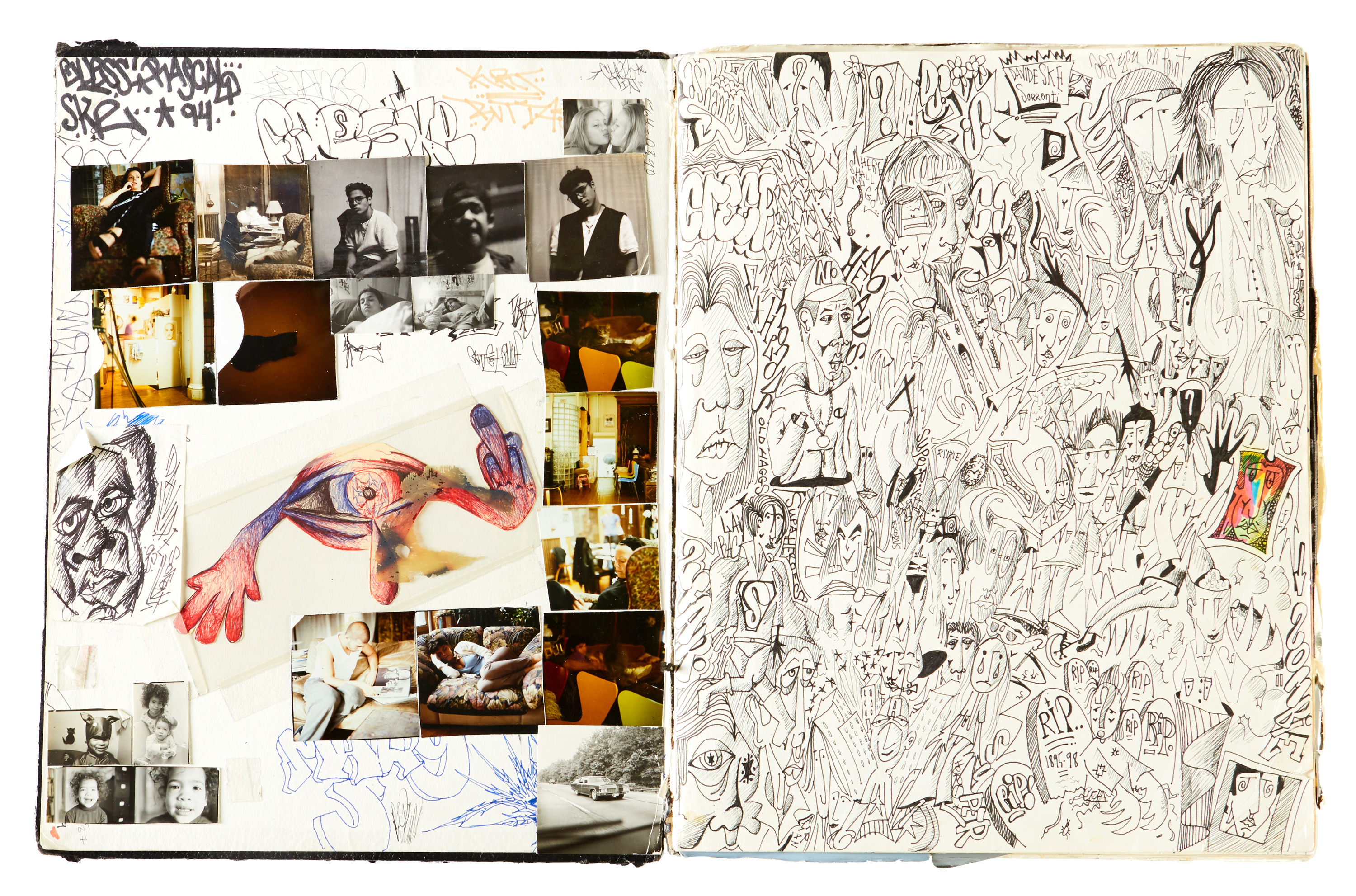
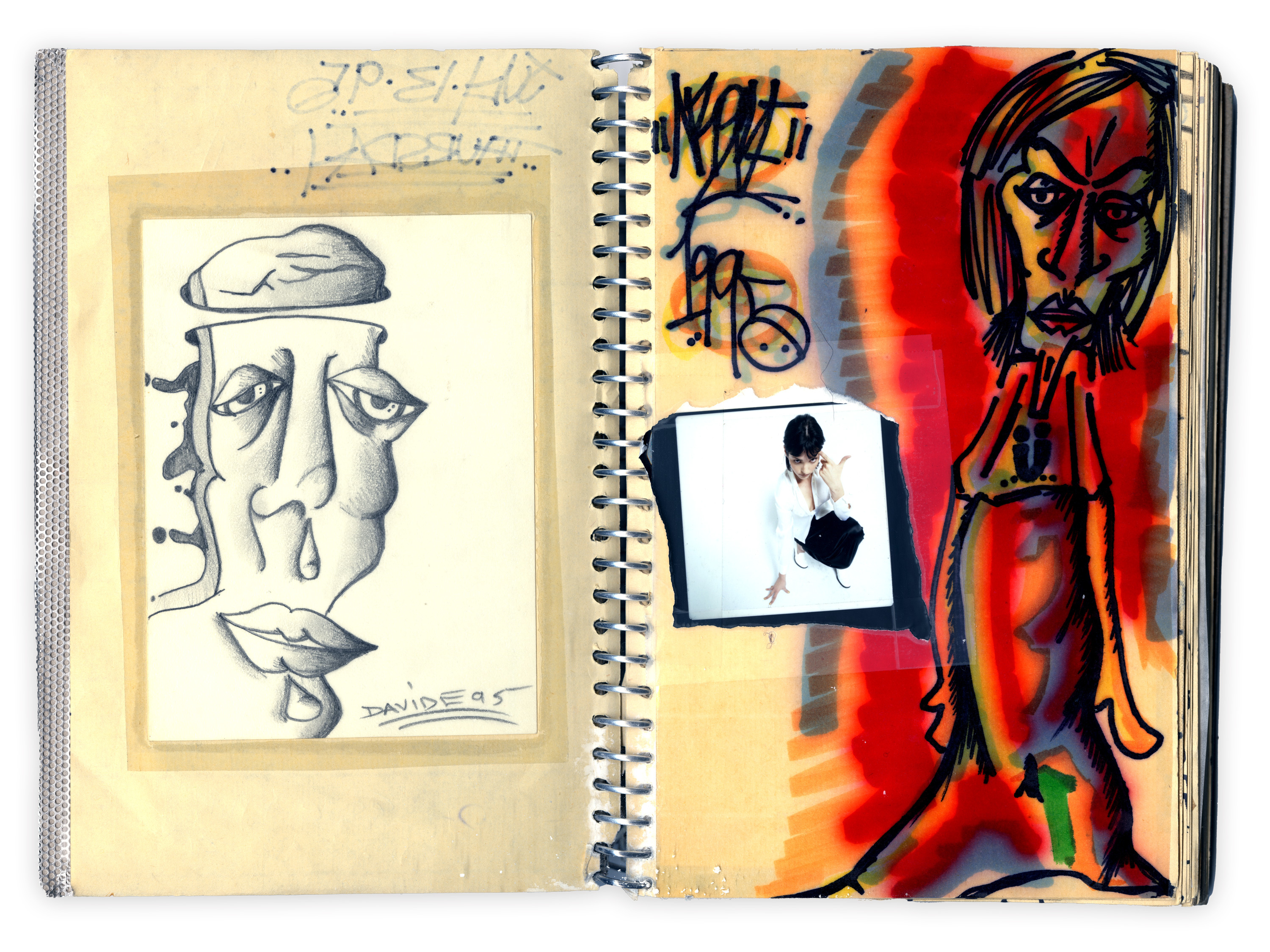
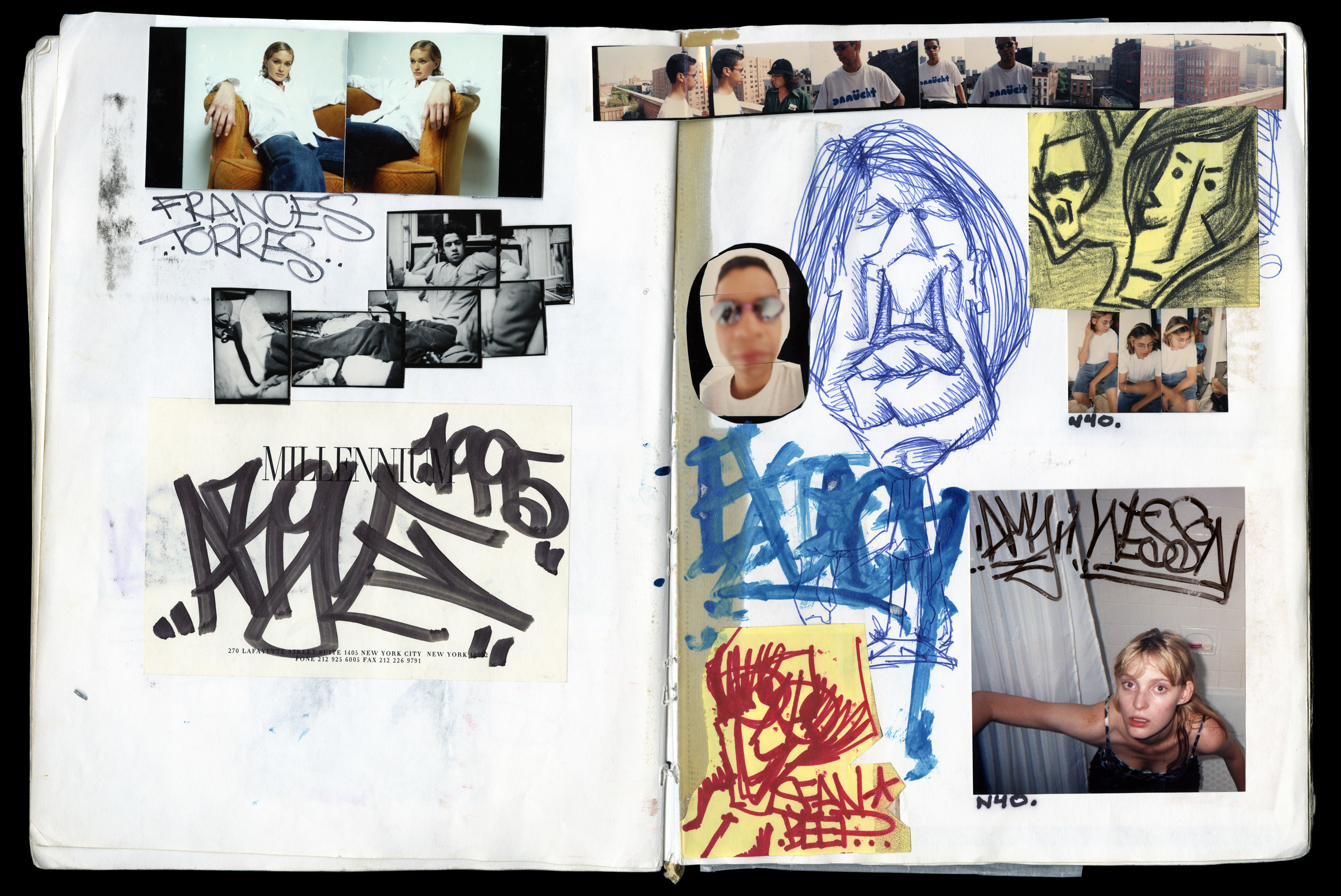
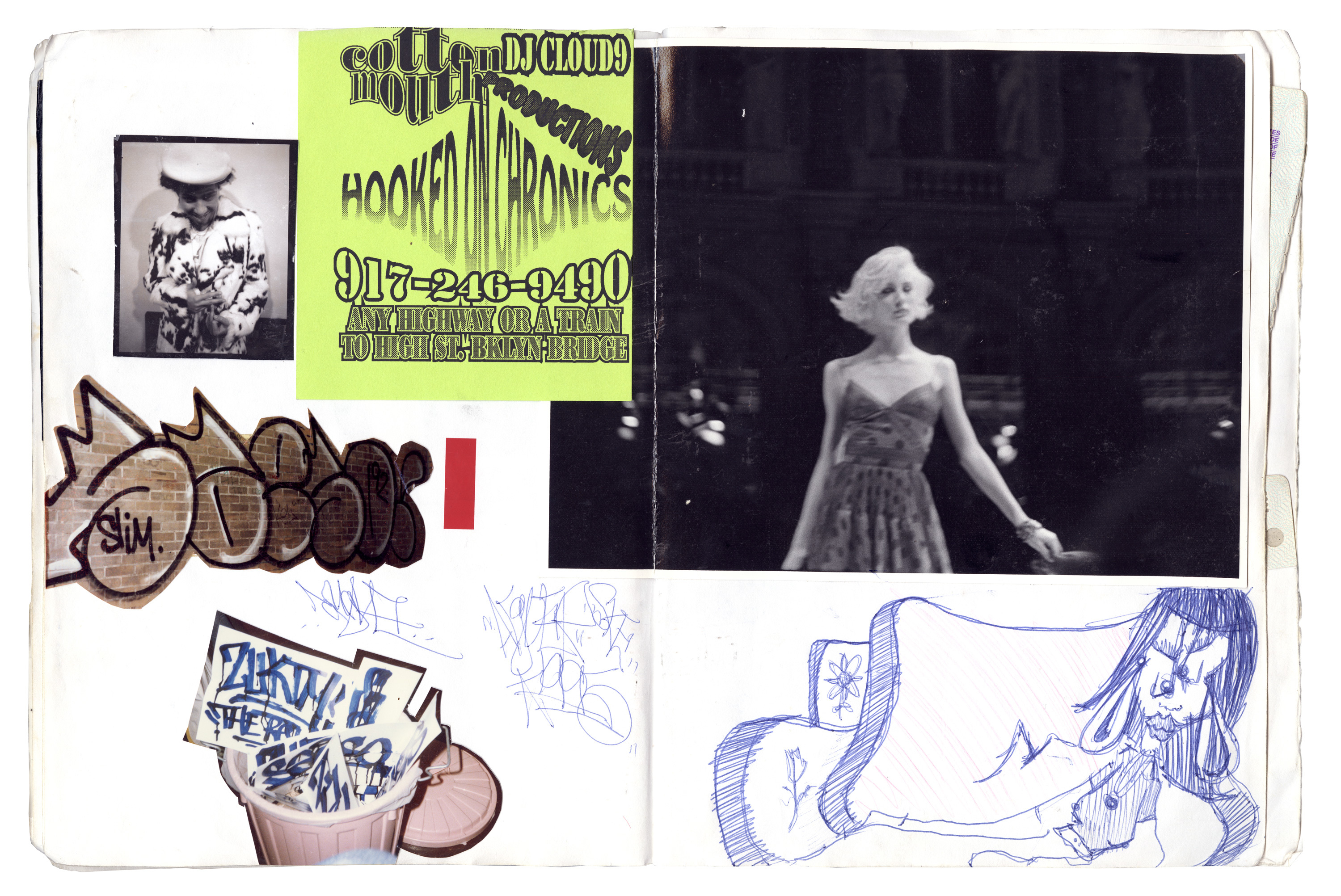
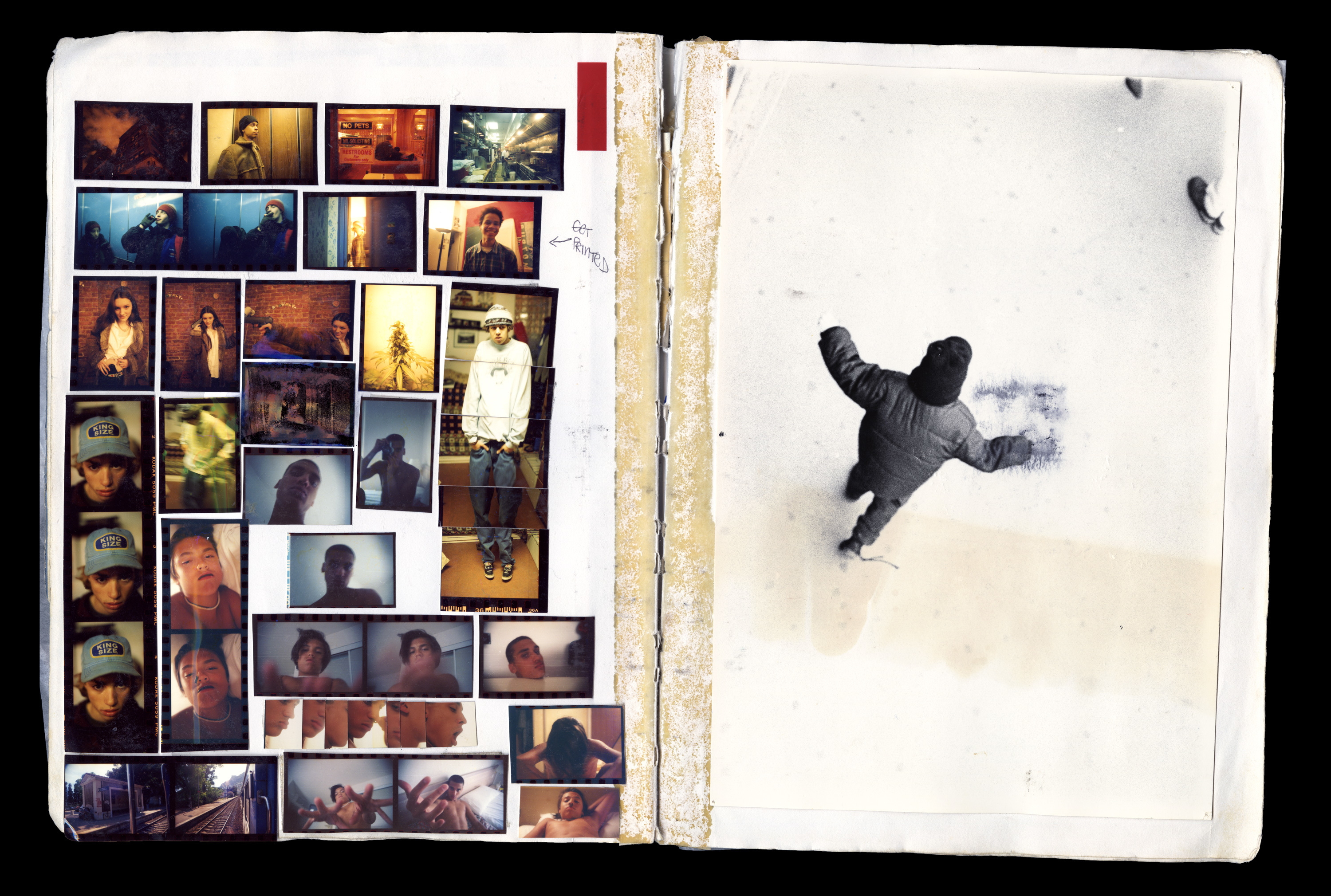
Along the way he brought his journals with him, bursting tomes of pavement life – topless skaters bombing it down avenues of skyscrapers, waifs pulling on rollies, ashy sofas with deep depressions in them from hours of lounging, philosophising and getting high. Behind the lens was bespectacled, gap-toothed Davide, who seemed to spend his life outside, living life.
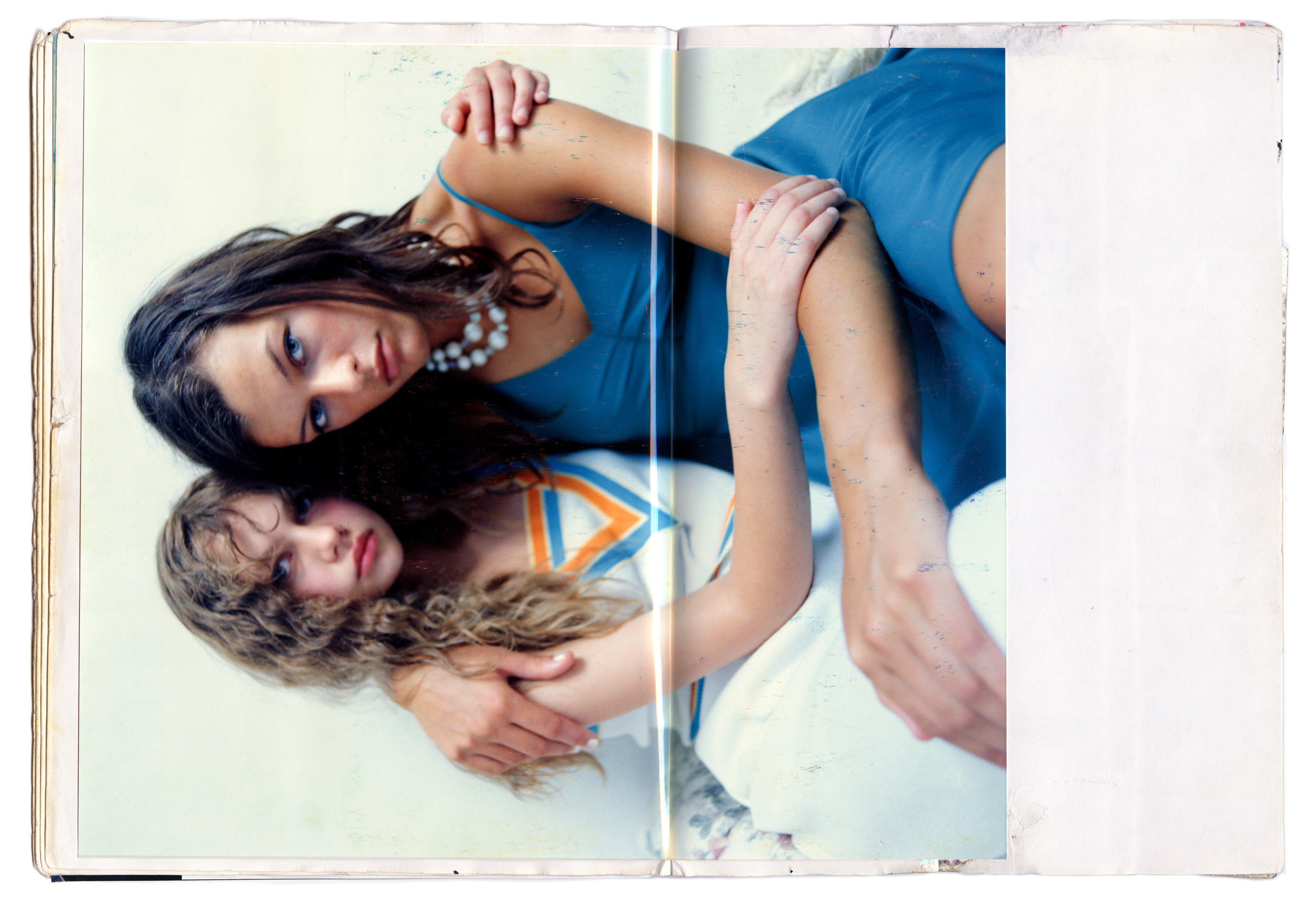
Now, 30 years later, Francesca, along with IDEA books, is publishing volume 1 of his journals that encompass 1994 – 1995. For her, the books are “fragments of a restless life” — collages, stickers, sketches and ideas that reflect the way her son saw the world, “raw, immediate, unfiltered, and deeply human.”



Hi Francesca, the journal is beautiful, why do you think Davide’s work has such an enduring appeal?
Because it’s honest. Davide wasn’t trying to create an image for himself or a person, he was responding to the world around him in his real time. That immediacy, his vulnerability, and his lack of self-consciousness, still resonates. People of his generation and the young people of today recognize something true in it.
Why did you decide to publish the books now?
For a long time, these books were too close to me. Publishing them now feels like an act of trust, in the work, and in the readers, that it can stand on its own. I now find comfort and wanted to share it. Davide’s memory deserves it.
Davide often gathered his friends at your loft, could you share any memories from those gatherings?
It wasn’t a scene so much as a constant flow of friends hanging out, coming and going. Davide created that space, and he loved it. He had his sofa, computer, a TV and fire escape to hang out on. His room was his creative space and I allowed that. Our doors had no locks. I sometimes would enter and talk with him and his friends, and we would talk about what was going on in the city. Sometimes I would just go in and hang out with him. Talk about photography or my own shoots. His energy lives in the photographs of his journals.
What do you think Davide would think of the New York of today?
He would notice what’s been lost, but he wouldn’t romanticize it. Davide had a way of responding to what was in front of him. In our last conversation, he talked about wanting to dedicate his life more to painting. You need to know that Davide started off using film that was processed in a lab and from that he went to negative film which he was able to manipulate and decide the types of paper you want to use etc. I think he’d still be searching for new ways to express himself within the city as it exists now. I’ve been wondering lately what he would think of AI I think he would try to experiment on how to use it since he loved his computer.
Davide Sorrenti Journals Volume 1 1994 – 1995 is available to purchase here

