
Inside the delicious darkness of Industry

As the HBO hit is renewed for a fifth and final season, we unpack its web of cameos and carefully curated chaos.
Culture
Words: John Sunyer
“Week to week, season to season, you’ve got no fucking idea.”
When Konrad Kay says this about Industry and its twisted unpredictability, it sounds less like a warning than an investment thesis. Four series in – and with the current run speeding toward its final episode, freshly charged by the announcement that the show will wrap with a fifth – Kay and co-creator Mickey Down have built one of TV’s darkest, most cutting portraits of pure ambition.
“The whole point for a lot of television is format and predictability and knowing exactly what you’re going to get,” Kay continues. “I think a lot of people would like the show to feel more comfortable in its skin. But we want it to be unsafe and a little off balance – that’s what keeps it alive for us as the creators.”
What once seemed like a niche prestige project – critically praised but barely watched in its early run, ranking among HBO’s lowest-rated new dramas – has exploded. Now, five years on from Industry’s 2020 premiere, the show isn’t just on screens, it’s everywhere. The cast and creators recently scored the rare privilege of ringing the opening bell at the New York Stock Exchange, and the show has filled timelines with hot takes and memes, turning Industry into a living, breathing conversation. Kay and Down are on a high, thriving on the same restless energy that drives their characters on screen.
Industry, which began as a sharp, nervy, depraved drama about young bankers clawing for oxygen inside a London investment firm called Pierpoint, has mutated season on season – formally, tonally, even morally. What has remained constant is the show’s fixation on how to make it under pressure.
But pull back from the trading floor and the world of Industry begins to look both more intricate and more stark: a tight web of overlapping sectors and competing interests, the same small constellation of players circling one another. Again and again, they end up in the same rarefied spaces – private members’ clubs in London, manor houses deep in the countryside – where, over pints and cigarettes, cocktails and cocaine, the direction of society is up for grabs.


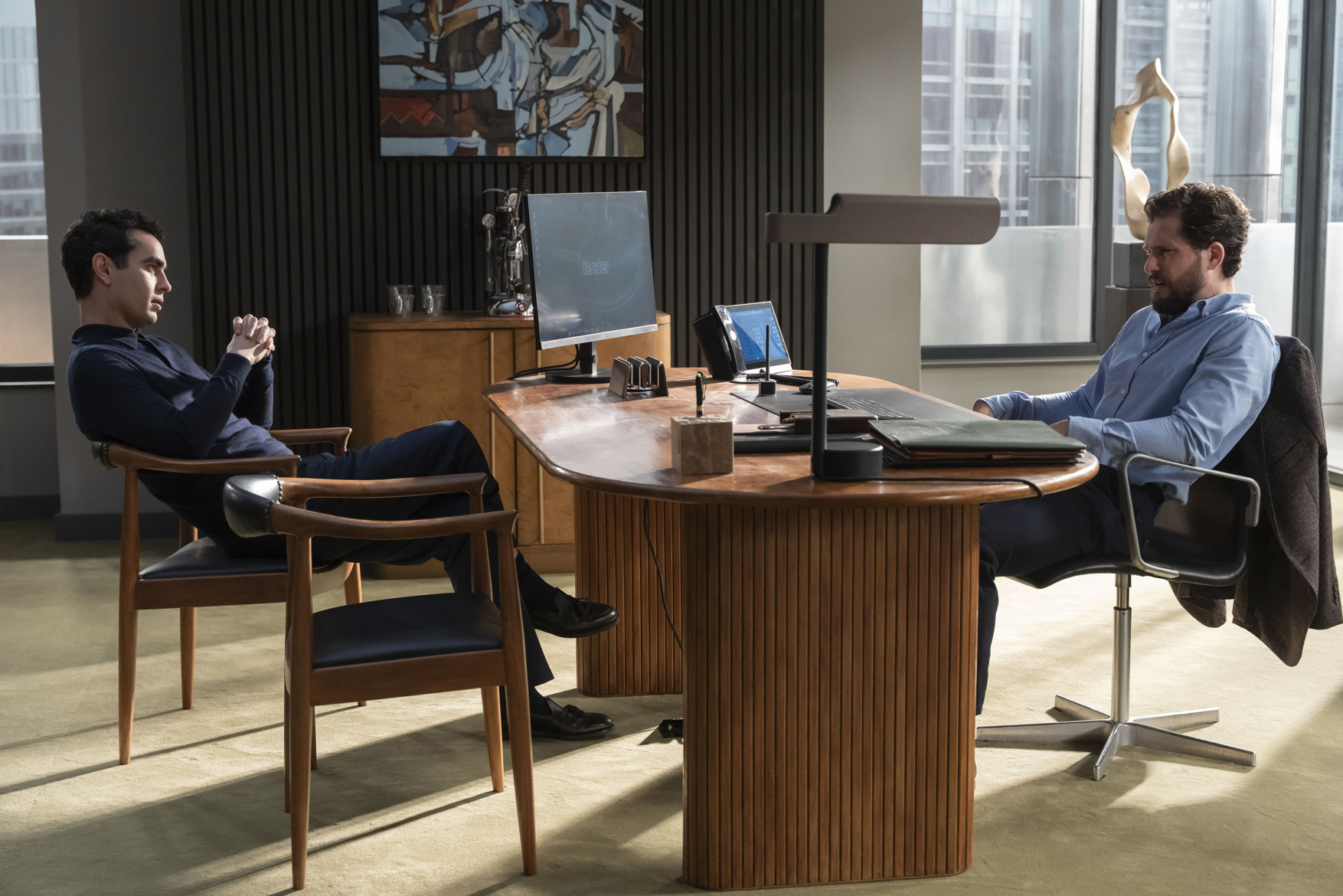

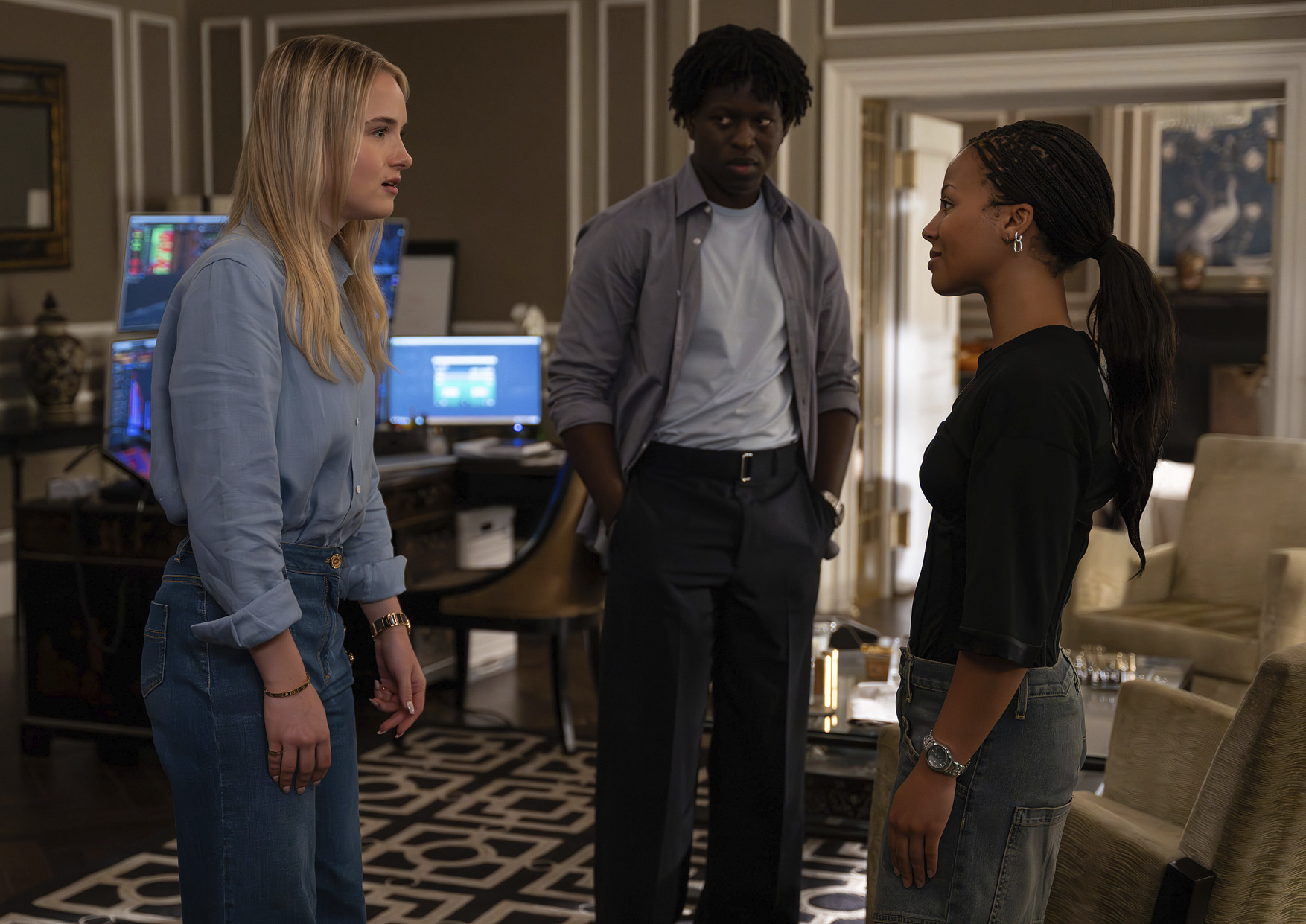
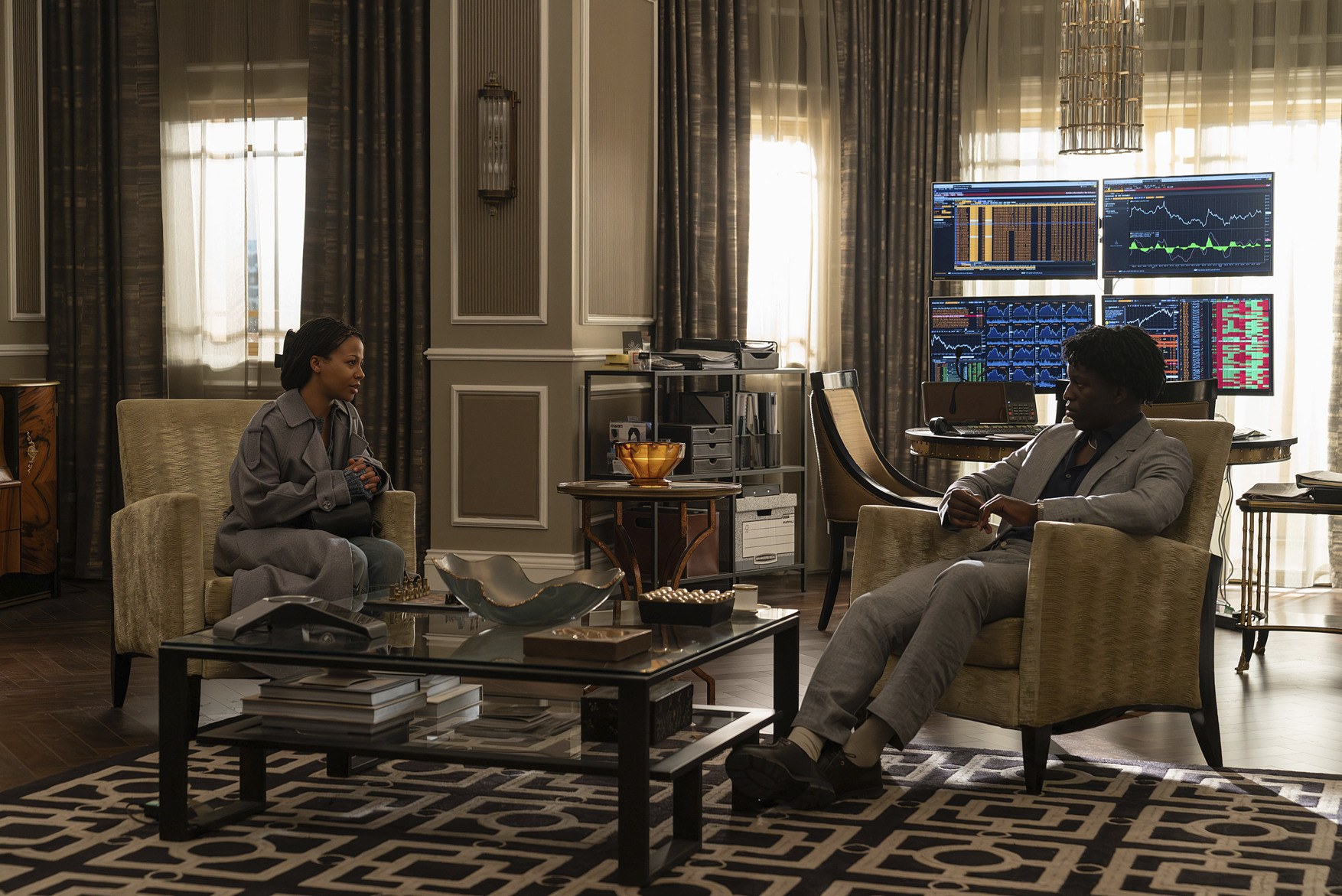
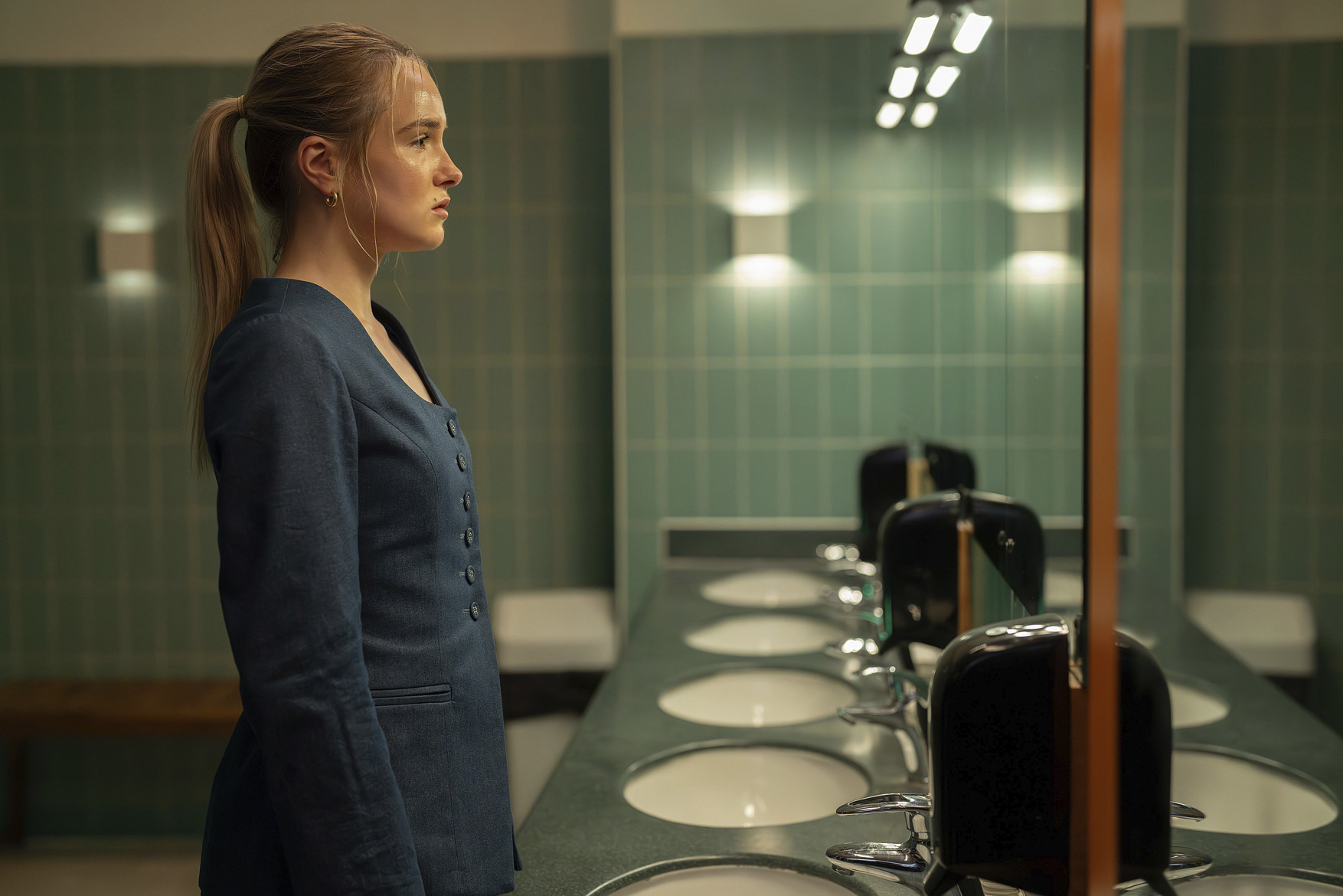
Industry has also remained deliberately hard to pigeonhole. “In terms of the reception to the show, all you need to do is to go on Reddit,” Kay says. “There’s every take available. People at war with each other. Is the show brilliant? Is it shit? Is it overwritten? Is it beautifully written? People are screaming at each other that they’re right on both ends.”
He pauses, somewhat relieved. “If you have that kind of reaction from people and it’s so polarised and so strong, it tends to mean you’ve done something good.”
Down picks up this thread. “We’re not beholden to any kind of fan base, really” he says. “We don’t feel like we have to do any kind of fan service. We write stuff that we find interesting and where we organically feel the characters are going.”
This refusal to settle has produced a show that evolves almost combatively. “Season two is an overcorrection of season one, season three is a correction of season two,” Down says. “As we get further away from season one, I actually find things that I really enjoy about Industry which at the time I found grating and juvenile. But we’re constantly looking forward.”
“The biggest surprise from being on the show was the sheer scale of how much you are looked after, and the time spent on getting things right”
Raven Smith
Part of what makes Industry feel so alive is the world Kay and Down have built around its core cast of characters – an entire ecosystem that pulls in various figures plucked from British culture. The show is studded with appearances that function as quiet cultural Easter eggs: the celebrated British painter Issy Wood, for example, embedded in a journalist scrum; the comedian and presenter Amelia Dimoldenberg also turning up as part of the press pack; writer and columnist Raven Smith, playing a wedding planner. The catalogue extends well beyond these few. The effect is less stunt casting, more IYKYK world-building that mirrors the show’s broader interests in networks of power and proximity.
“They’re friends of ours and it’s fun,” Kay says. “Industry is packed full of references that only, like, two per cent of people get,” Down adds. “The two per cent that get reference A might not be the two per cent that get reference B. There’s always something for everyone in the show.”
Smith’s entry into Industry began with a pandemic-era Instagram post about the “holy grail” of merch – a Pierpoint hoodie seen in series one – which apparently caught the creators’ attention. After some back and forth over Instagram, Smith half-jokingly lobbied for a background role, pitching that he worked at Pierpoint and imagining himself looking depressed in the background while crunching numbers. Later, mid-way through filming series three, he was offered a different part: assistant and wedding planner to Yasmin, one of the show’s central characters. “I thought it was very funny and daft,” he adds. “The biggest surprise from being on the show was the sheer scale of how much you are looked after, and the time spent on getting things right.”


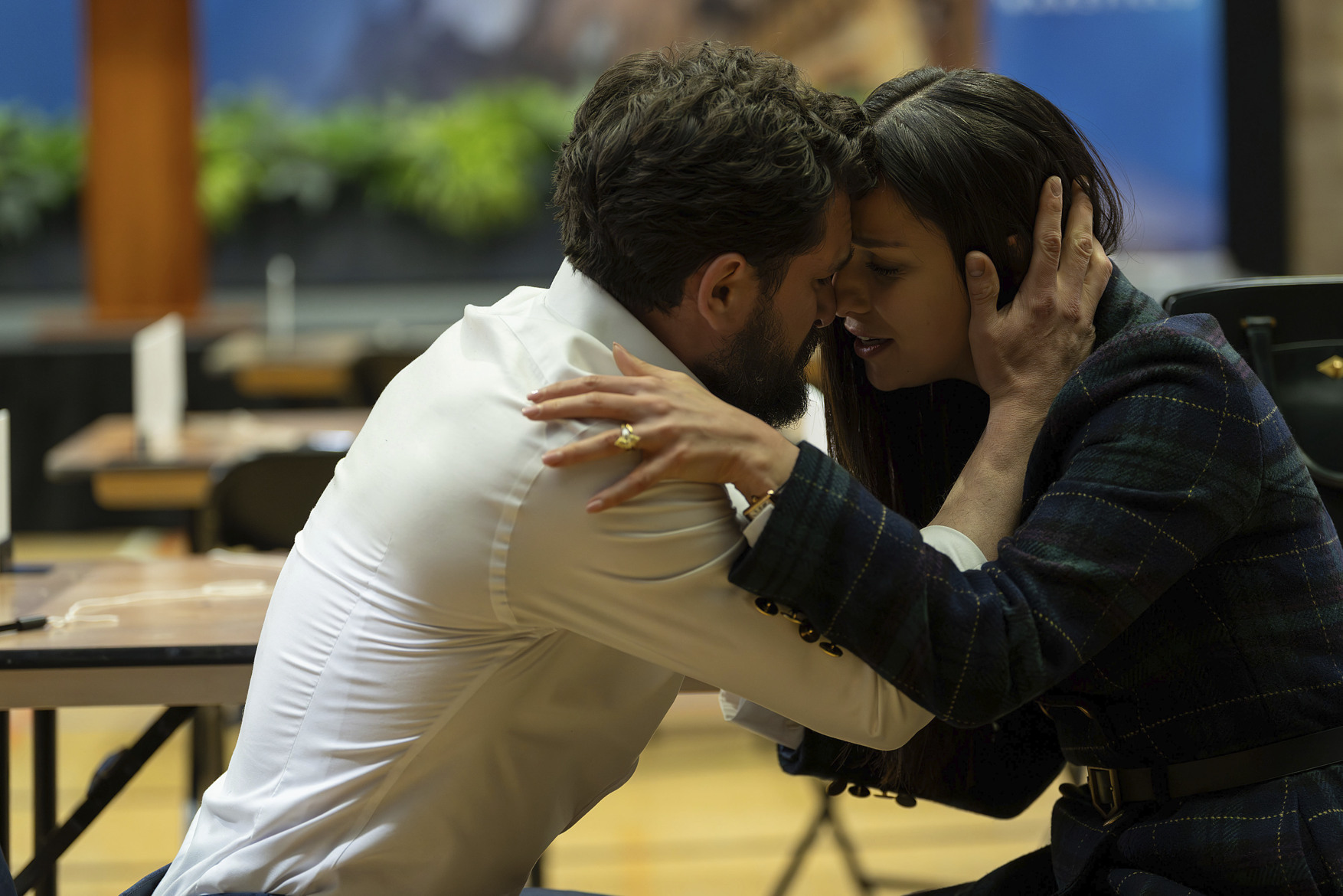
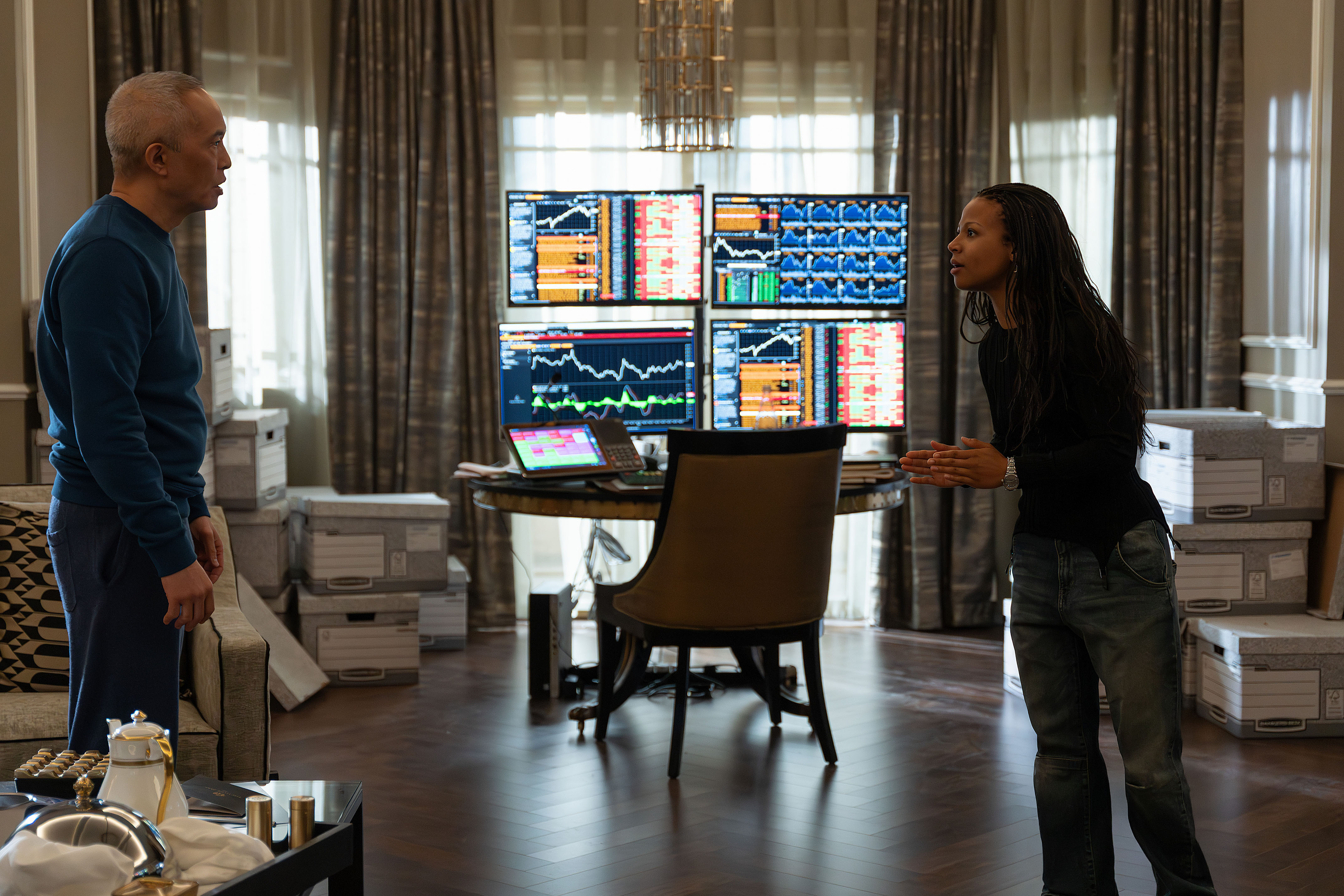

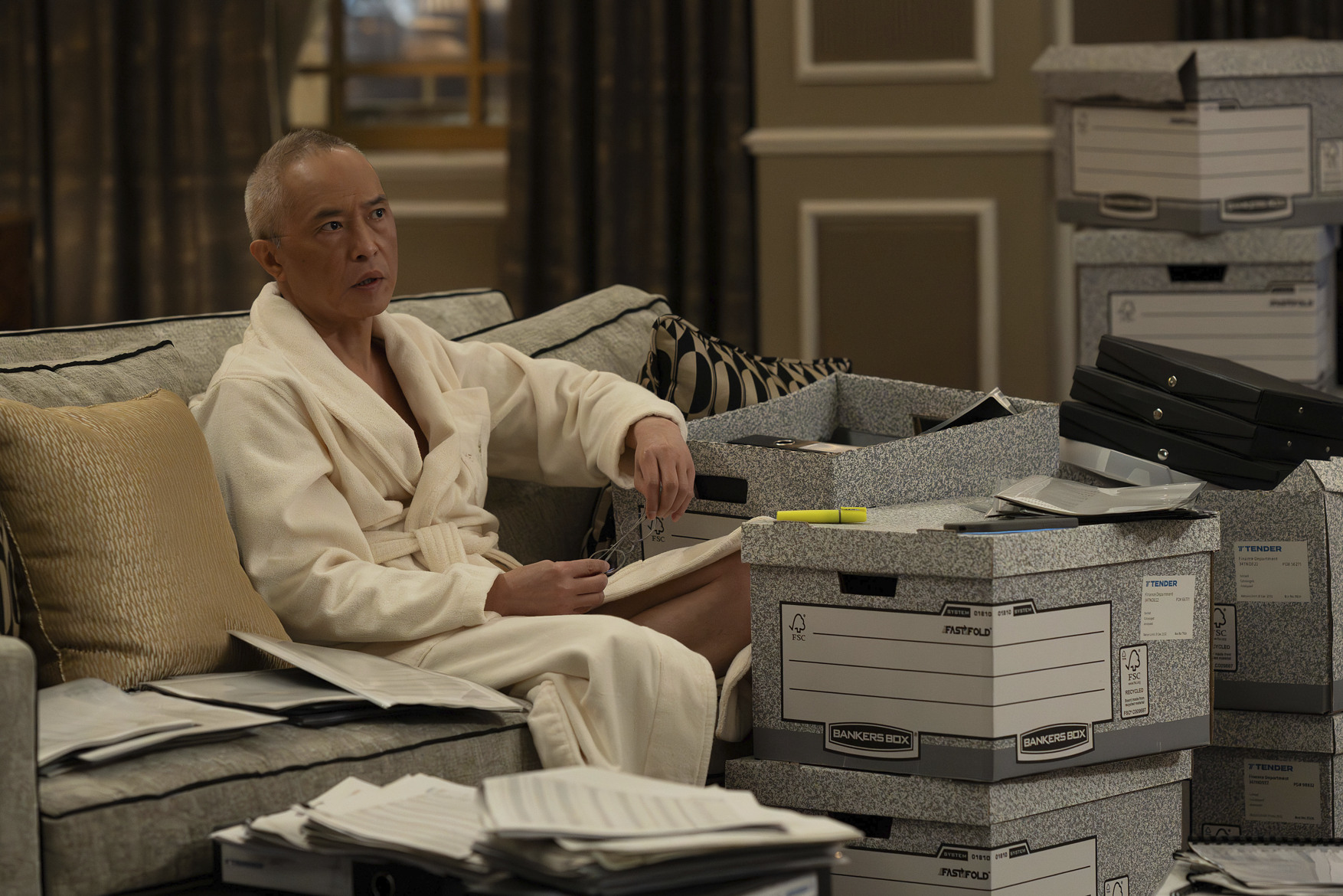
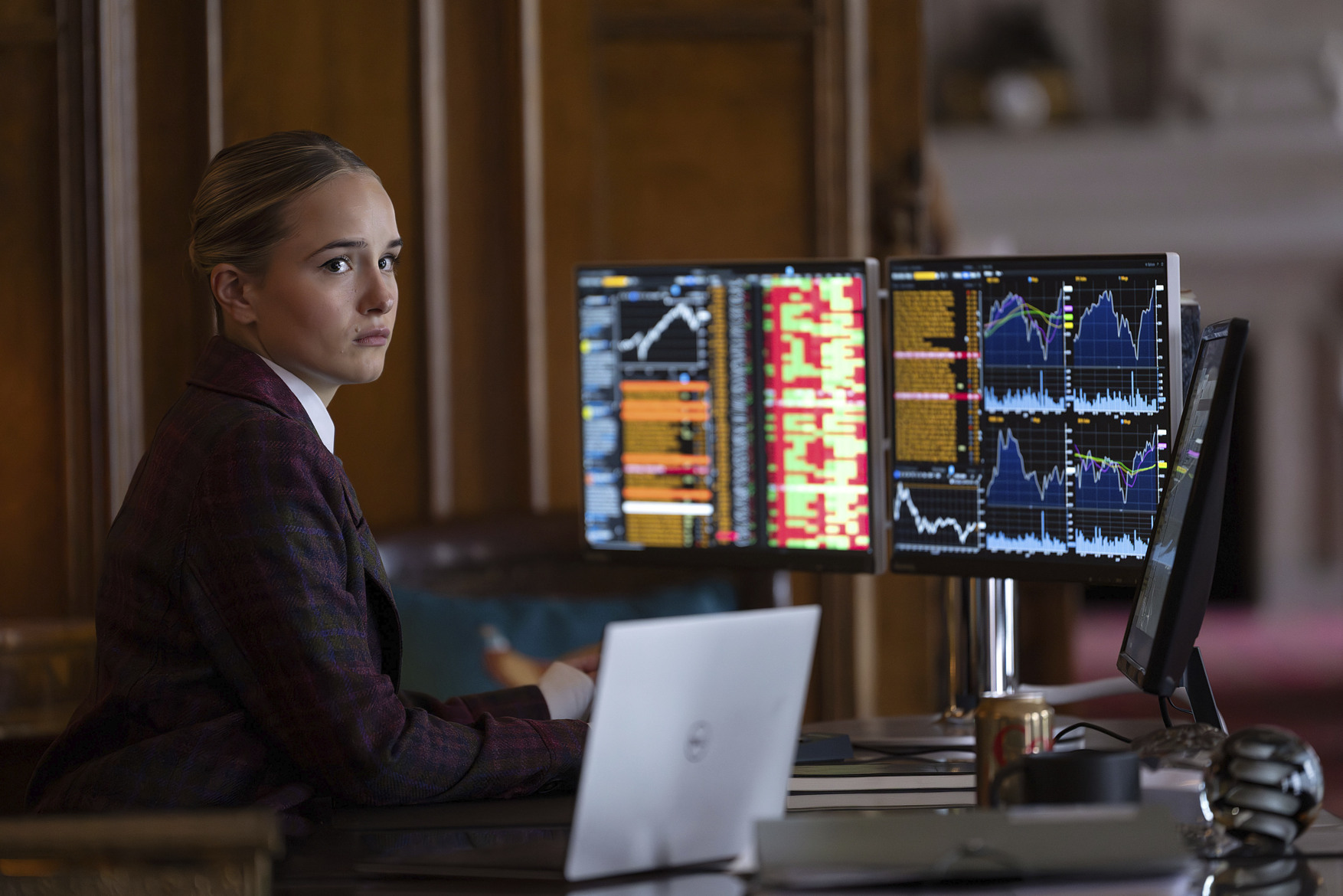
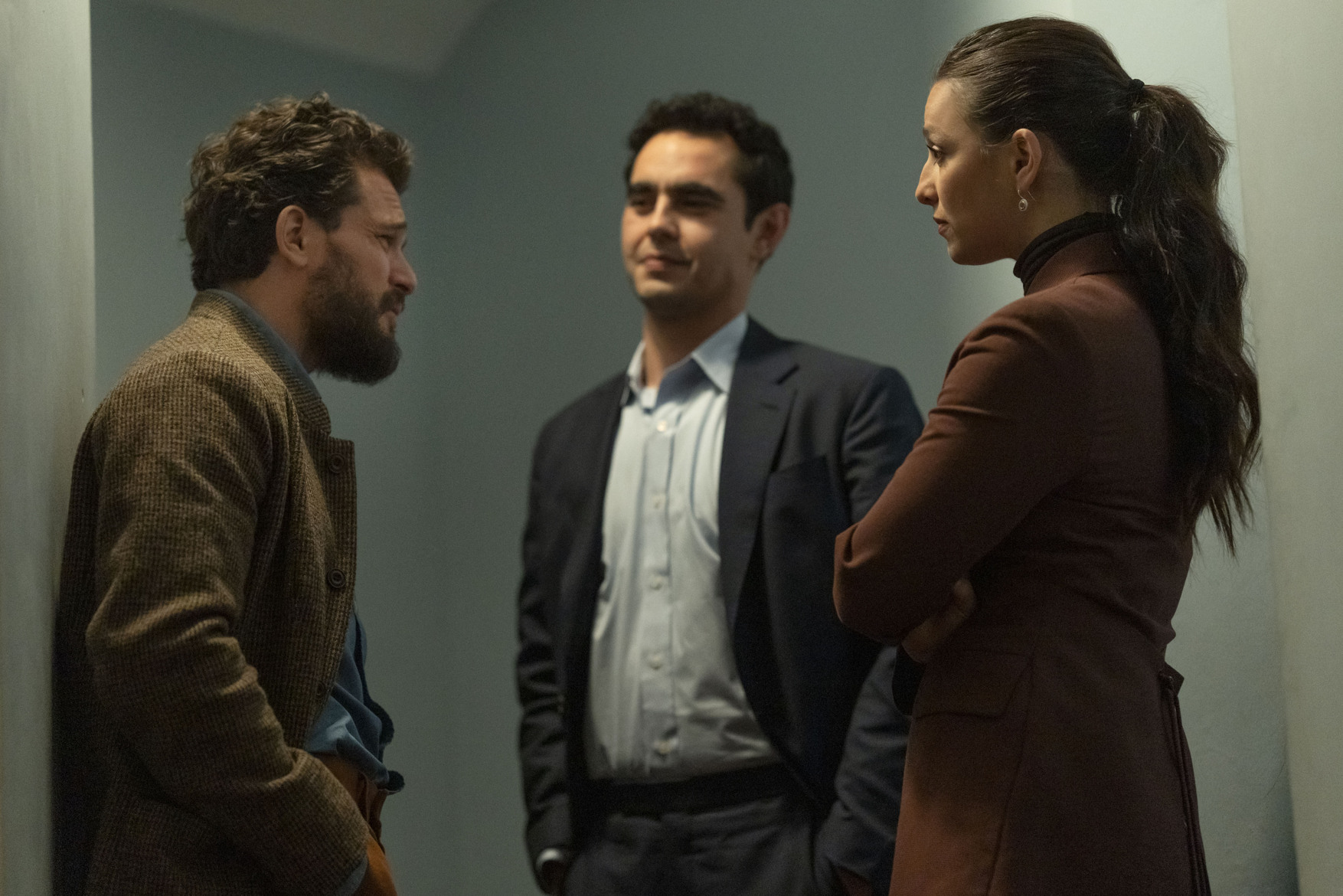
Precision matters to Kay and Down, even when the vibe is loose. “I did my line and thought I did a good job,” Smith recalls. “And then Konrad explained to me that one word was wrong. A faux pas! They are very certain about what they want.”
Wood’s path onto the set was equally unconventional. Her initial point of contact was a painting she made of Yasmin, drinking from a gym water fountain, which she posted on Instagram. She connected with Kay online, and a friendship followed, where she jokingly floated the idea of a “very anonymous background role” in series four. Last spring, he suggested a couple of options, and she agreed to the journalist scene, “out of morbid curiosity: I have never been part of a film set before, and I’m usually quite camera shy,” says Wood. Once on set, Wood was struck less by the spectacle of Industry than by its atmosphere. “Mickey and Konrad seemed incredibly joyful during my brief time on set,” she says. “Thinking creatively with an audience of collaborators present is remarkable and foreign to me.”
Journalist and author Joel Golby also found himself folded into Industry’s expanding universe, connecting with Kay after previewing an early series of the show for his old Guardian column. His eventual cameo came not as a face-on appearance but via a brief, barely audible mention he initially thought he’d hallucinated. During a high-stakes conversation between Harper and a journalist about the dubious nature of Tender, the startup at the centre of the series, an unidentified voice drifts in from the background: “Be careful or you’ll make it into Joel Golby’s notes app.”
“We live in a world where you can’t help the feeling of oversaturation of information, the rise of authoritarianism, the weird hopelessness people feel day-to-day. That seeped into the show as we were writing it”
Konrad Kay
“I was watching it and heard my name. I was thinking, what the fuck?” says Golby. “I rewound it four or five times and texted Konrad, am I going mad?” Kay eventually replied: “Oh yeah, forgot to tell you.” What the show’s dense web of in-jokes and mate-coded references adds, Golby argues, is texture: “There’s so much clever insider world-building… there’s a certain playfulness to all of it.”
This playfulness, for Kay and Down, coexists with a near-pathological self-scrutiny. “We’re very critical of ourselves,” Down says. “We’re like, what did we fucking do wrong?”
“That’s one for your therapist, mate,” Kay says.
“Yeah,” Down replies. “Don’t have one, as you can tell.”
What they do have, still, is momentum – and a show that has grown more structurally ambitious and thematically bleak as it has matured. Kay attributes the tonal shift, in part, to osmosis. “We live in a world where you can’t help the feeling of oversaturation of information, the rise of authoritarianism, the weird hopelessness people feel day-to-day,” he says. “That seeped into the show as we were writing it.”
For a show so often described as cult, Industry’s ambition has always been panoramic. Its energy remains distinctly youthful: restless, slightly perverse, allergic to settling down. Kay, characteristically, is already looking past the finish line of series four, making it clear the show is racing toward a tense, unpredictable climax. “The feeling,” Down says, “when it’s like, oh my God. We’ve actually got something else to say.”

