
If what you want is rare, you’ll find it at Perfect Lives

From rare first edition books to obscure ephemera and loads of records, founders Bruno Halpern and Daniel Lichtenstein know all about finding treasure in trash.
Culture
Words: Lauren Cochrane
Photography: Michael James Fox
It used to be that the most interesting thing that happened on a specific part of London’s Hackney Road, near the Sainsbury’s Local, was catching the bus. More recently, though, this micro-area has become a destination in itself, thanks to shops such as punk emporium Waste!, vintage shop Twos and now-cult sandwich joint Dom’s Subs. The latest worthwhile stop on a Saturday afternoon stroll? Perfect Lives.
Set up by Bruno Halper and Daniel Lichtenstein in 2023, the shop – which stocks second hand books, records and ephemera – has moved from its previous home in Deptford, South East London, to a much bigger space that lives across two floors. When I visit before the grand reopening on 27th November, it’s packed with piles of stock, including folk classics by Anne Briggs and lo-fi indie pop by Colin Broster on vinyl, as well as books ranging from manuals on participatory architecture to Geoffrey Biddle’s ’80s photographs of New York’s Alphabet City. The casual observer might struggle to see a system here, but this is a classic case of organised chaos. “It’s varied, but quite precise,” Bruno says.
This is thanks to the duo’s tireless appetite for finding treasures among other people’s trash. Where many other secondhand shops might source pre-curated pieces from fellow dealers, Perfect Lives go straight to the source, combing London markets and house clearances for items that catch their increasingly discerning eye.
“We [choose] stuff that might otherwise get thrown away,” Daniel says. “You’re able to see a cross-section of people’s reading habits at the market, or someone’s life, frozen in time.” Perfect Lives now has a growing rep as a hotspot for weird, wonderful and oddly specific items.


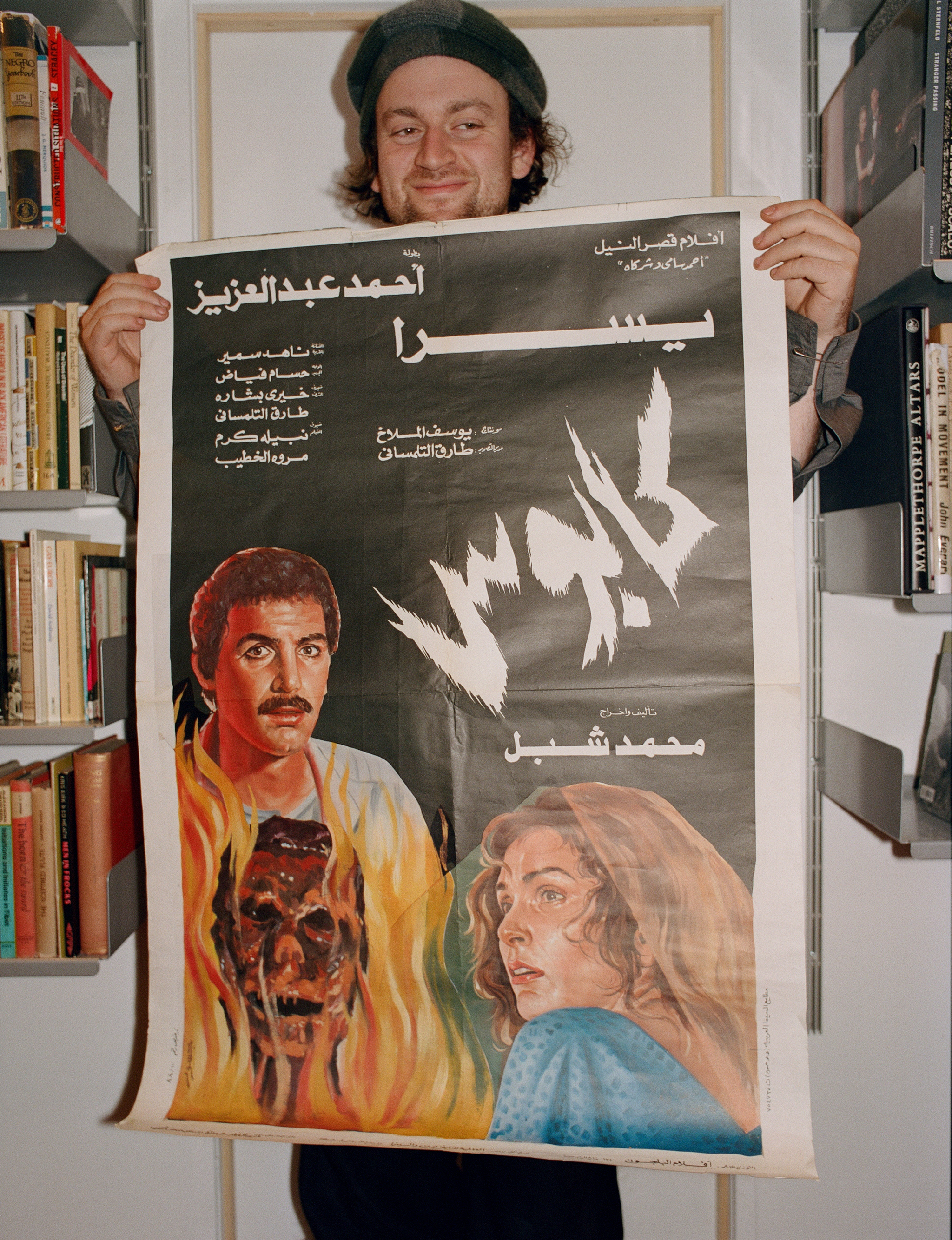
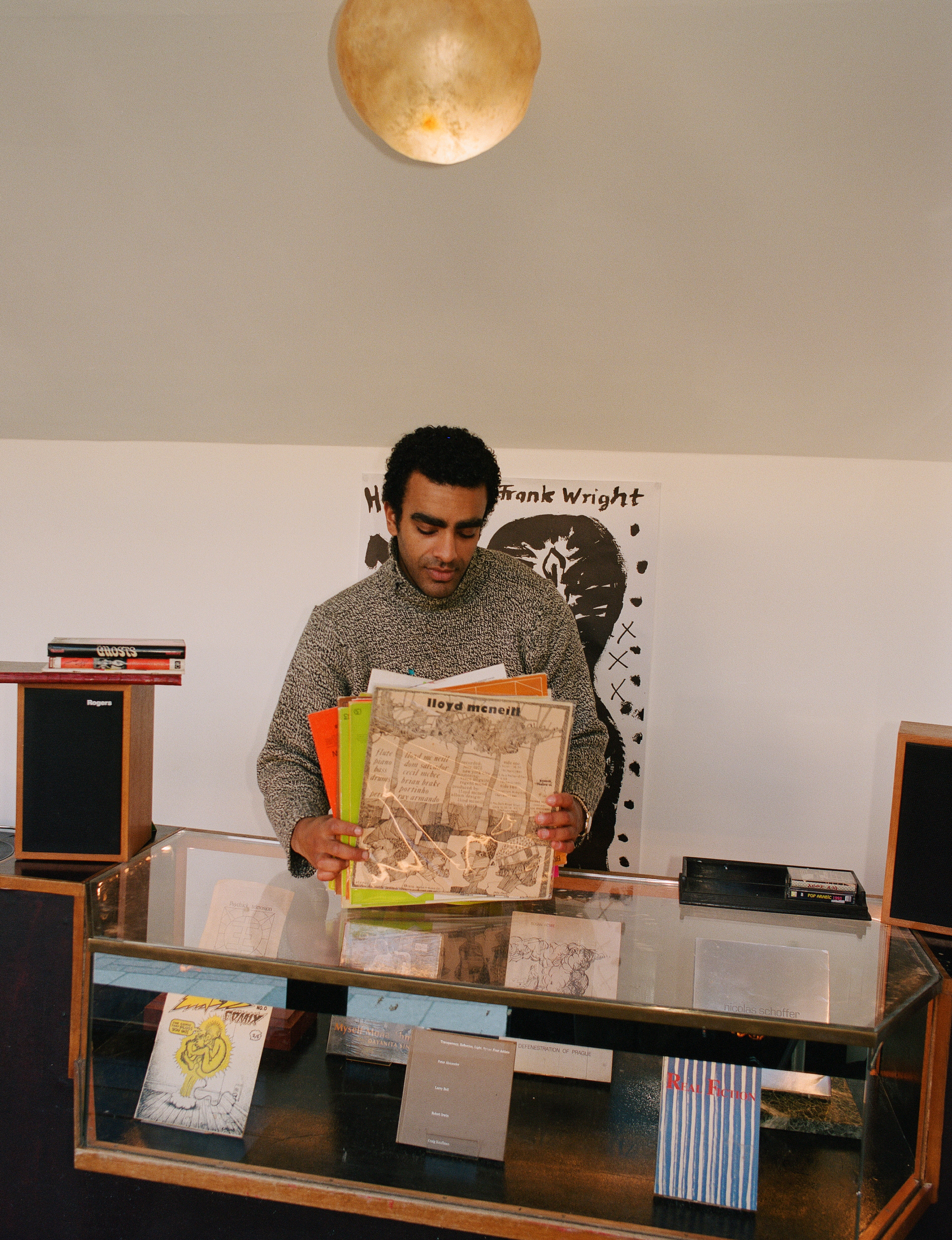
The pair both grew up in West London and have previous experience in secondhand buying and selling. Daniel says the discovery element is partly what draws him and Bruno to sourcing this stuff in the first place. “It feels like modern day treasure hunting or archeology,” he says. “Learning about stuff in a physical way is very appealing.” Bruno, who’s wearing a bomber jacket and jeans, was the one who first set up Perfect Lives in 2017. Named after a soap opera from 1984, it originally sold records online and via an appointment-only space in Dalston.
Daniel – who’s in a baby blue Lonsdale hoodie and pirate-style boots with his trousers tucked into them – went down a different route: selling everything from furniture to fur coats on neighbourhood-specific online forum Nextdoor, a platform better known for moral panic around local crime. “I had this almost cult following of middle aged ladies,” he says, seemingly still mystified about the clientele he attracted. “One would travel from two hours away to buy whatever I had, like a cow-shaped enamel sign.”
Meeting Bruno allowed him to leave that all behind. They joined forces, first online, before opening up a physical space in 2023. Daniel says this is when things started to fall into place. “You’re just taking photos of stuff and putting it on Instagram,” he says. “I was like, what the fuck are we doing? Where is this going? [There was] a superficiality of just existing in a totally digital space. And then we had the shop, and the shop worked, and it was like, finally, this makes sense.”
Talking to people IRL, he adds, is one of the highlights of the job – that and sourcing. They go to Portobello Road Market before the tourists: “there are very few people who are stupid enough to get up four o’clock every week to, most of the time, not find anything,” Daniel says – as well as Crystal Palace, Sutton and Hounslow. “I’ve heard it described as the last stop on the way to the dump and the first stop on the way back,” Daniel says of the latter.
As some of the youngest punters on the scene – Bruno is 29, Daniel 27 – they had to earn their stripes. “There’s this funny generational conflict between older dealers and people our age,” Daniel says. “If you have your phone out and you’re trying to buy something, you’ll get shouted at.” They were treated warily by some until it became clear they weren’t going anywhere. “[Some dealers] were horrible for the first year. We had big fights. Now, we’re good friends.”
House clearances and auction houses, meanwhile, are where they get their hands on more obscure ephemera. “There’s no shield there, you really see someone’s life laid bare,” Bruno says. He shows me a collection of stapled seventies magazine made by a trans press in Seattle. “This was in a football hooligan’s house, with loads of football stuff everywhere and then this under the bed.”
Digging into this stuff for a living means they often discover artists and musicians that have fallen out of current culture. “Detective work is what we really enjoy,” Bruno says. “In another life, we’d either be private detectives or car salesmen,” Daniel adds.

Perfect Lives also work with Belgian label Stroom Records on music reissues, in part designed to bring new attention to overlooked artists. Next up is Tina Fulker, an English-Irish poet who was active in the ’80s – Bruno and Daniel have worked on a reissue of Tender Hooks, a synthpop, post-punk, spoken word album she made in 1986. “We got in touch with her daughter and she was really thrilled that her mum’s music would be made available to a new audience,” Daniel says. You’ll have to wait until summer 2026 to listen to that one, but if you can’t wait that long, other Perfect Lives-flavoured musical discoveries can also be found on their monthly NTS show. As for books, they’ll be “setting up a small press in the future,” promises Daniel.
With stock priced from £2 to £500 and an eclectic inventory, Perfect Lives fits into a wider return of the IRL rummage, as seen with the rise of car boots and second hand markets. But Daniel and Bruno see people’s renewed interest in the past as part of a wider trend.
“There will always be people who look backwards,” Bruno says. “Not necessarily to disavow themselves from what’s going on right now, but you use the past to contextualise the present. What’s happened before? How has it happened? Why has it happened?” If a copy of the catalogue for a Richard Hamilton exhibition in 1955, a feminist manifesto for wages for housework from 1975 or an out of print novel by President Roosevelt’s granddaughter don’t answer all those questions, they’re certainly interesting places to start.

