
For Inuuteq Storch, home is where the heart is

From the series Soon Summer Will Be Over (2023-2024)
As Greenland increasingly becomes used as a playground for geopolitical football, the Sisimiut photographer and artist remains committed to making work on his own terms, in his own way.
Culture
Words: Eilidh Duffy
Photography: Inuuteq Storch
Taken from the spring 26 print issue of THE FACE. Get your copy here.
Inuuteq Storch insists that his art is not political. Yet even a cursory glance at coverage of the Kalaaleq (Greenlandic Inuit) photographer’s work reveals how difficult that boundary has been to maintain. References to the legacy of Danish colonialism in Kalaallit Nunaat (the official Greenlandic name for Greenland) pepper Storch’s interviews, despite him stating that he seeks only to capture the mundane magic of daily life. Clearly, Storch’s imagery is inherently politicised, whether he likes it or not.
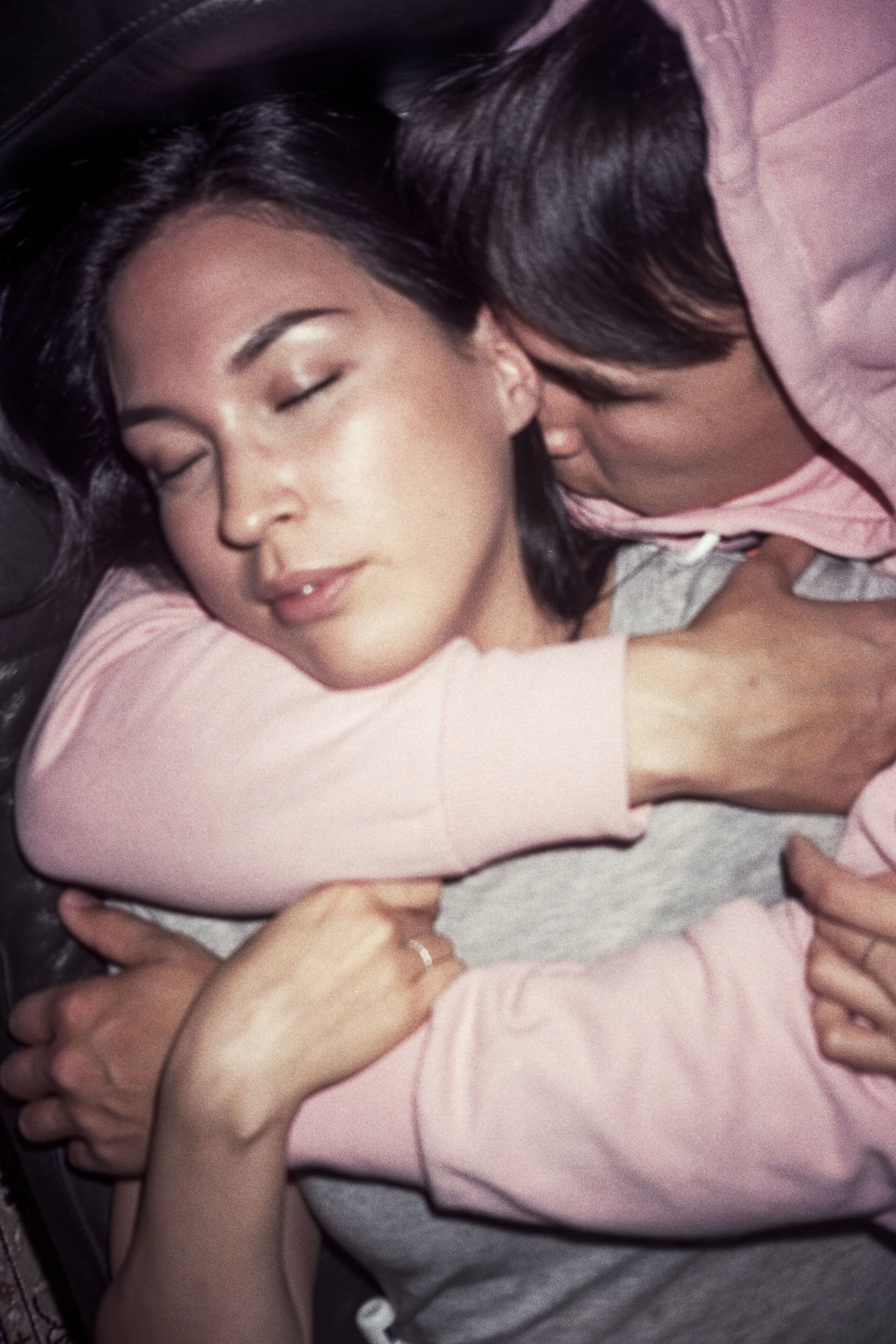
The 37-year-old has been taking photographs, in some form or another, since he was a child. But in 2007, when he was in his late teens, Storch began more seriously turning his lens towards the intimate and everyday that is now the hallmark of his work. Friends drifting through his hometown of Sisimiut in Greenland’s eternal summer twilight; intimate gatherings around a kitchen table; quiet interiors; the texture of life in Greenland as he knows it. It’s work that feel less like statements than memories rendered in emulsion – candid, lucid and unguarded. In the context of a geopolitical moment in which Greenland is routinely framed as a strategic pawn, the act of looking closely at home feels particularly charged. In Storch’s images, identity comes into focus precisely because he refuses to perform it.
His work with found photographs and film further probes what it means to document one’s own culture from within. In Mirrored (2021) Storch explored the archive of John Møller (1867 – 1935). As Greenland’s first professional photographer, he documented Danish colonial officials, labourers and local Kalaallit people with an equalising lens. Porcelain Souls (2018) drew on Storch’s parents’ photographs from the ’60s and ’80s, interwoven with letters exchanged while they were living apart, between Sisimiut and Aarhus. Anachronism (2015 – 2020) assembled reels of ’40s and ’50s film Storch salvaged while dumpster-diving with a friend. They revealed life as Greenland shifted from colony to county within the Kingdom of Denmark, and as the US was expanding their footprint in international territories, peppering the north of Greenland with air bases and geodesic domes.

From the series Soon Summer Will Be Over (2023-2024)
Storch enrolled at Fatamorgana photography school in Copenhagen in 2010 and completed his education at the International Center of Photography in New York six years later. In that time he’s staged over 24 solo shows, published six books (with two more coming this year) and, in 2024, became the first Kalaaleq artist to represent Denmark at the Venice Biennale.
When we speak via video call, Soon Summer Will Be Over, his solo exhibition at New York’s MoMA PS1, is in its final weeks. Storch has just returned from Gothenburg, where he opened a show at the Hasselblad Center, to his home in Sisimiut. He’s spending a few weeks with friends working on a new book, his next publication after the imminent Knight’s Hood Poems, which documents graffiti in and around the capital, Nuuk.
Storch’s ultimate goal is to build a photography museum and school dedicated to the study of Kalaallit photography and art. In his vision, it would encourage the foundation of a Greenlandic philosophy rooted in indigenous methods of communication, such as storytelling and pictorial art. It’s a project less concerned with correcting or defying the Western gaze than reframing it altogether – shifting the centre of gravity back to Kalaallit Nunaat, and asking what photography might mean when it begins, and remains, at home.


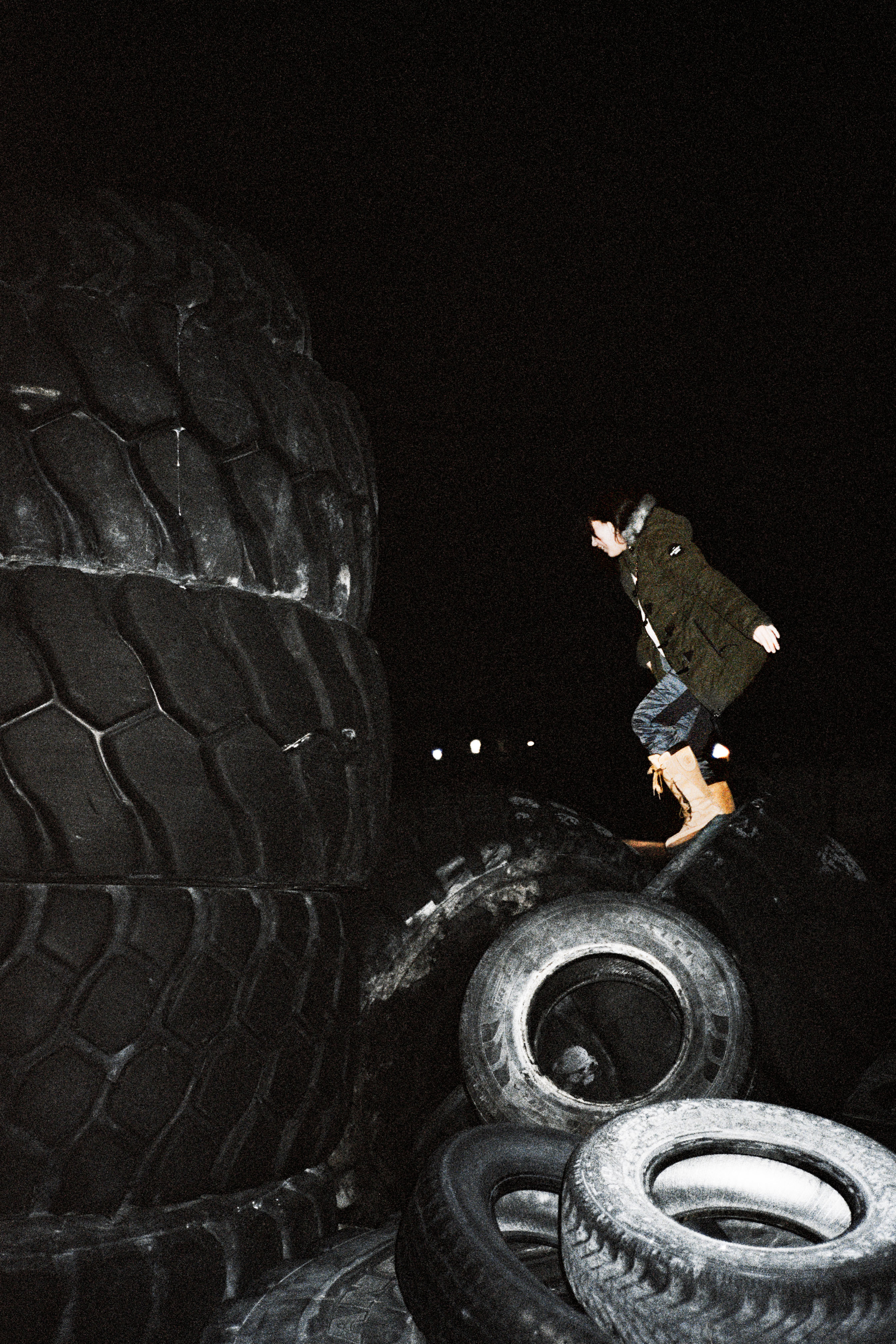
From the series What If You Were My Sabine? (2019 – 2025)
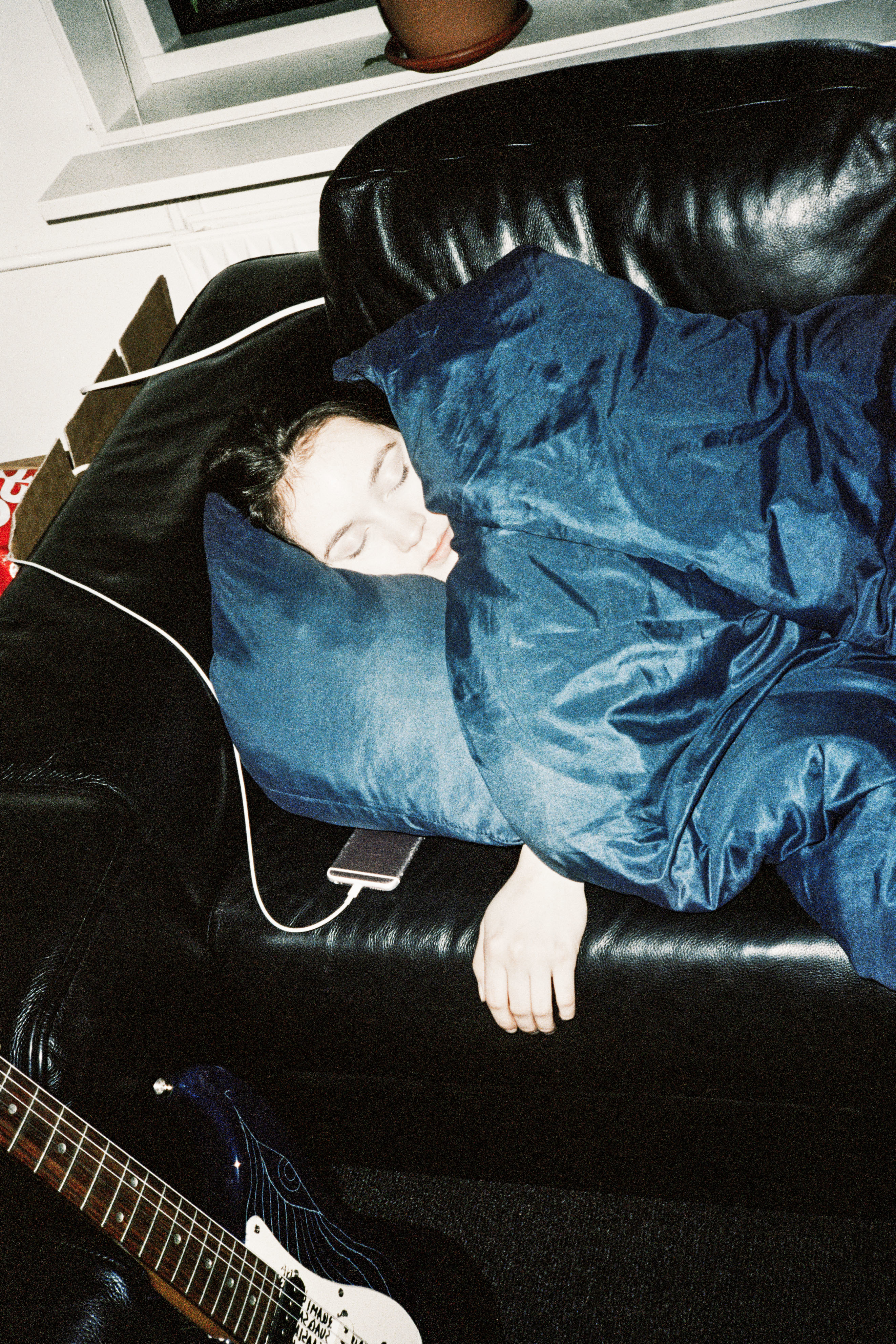
From the series What If You Were My Sabine? (2019 – 2025)
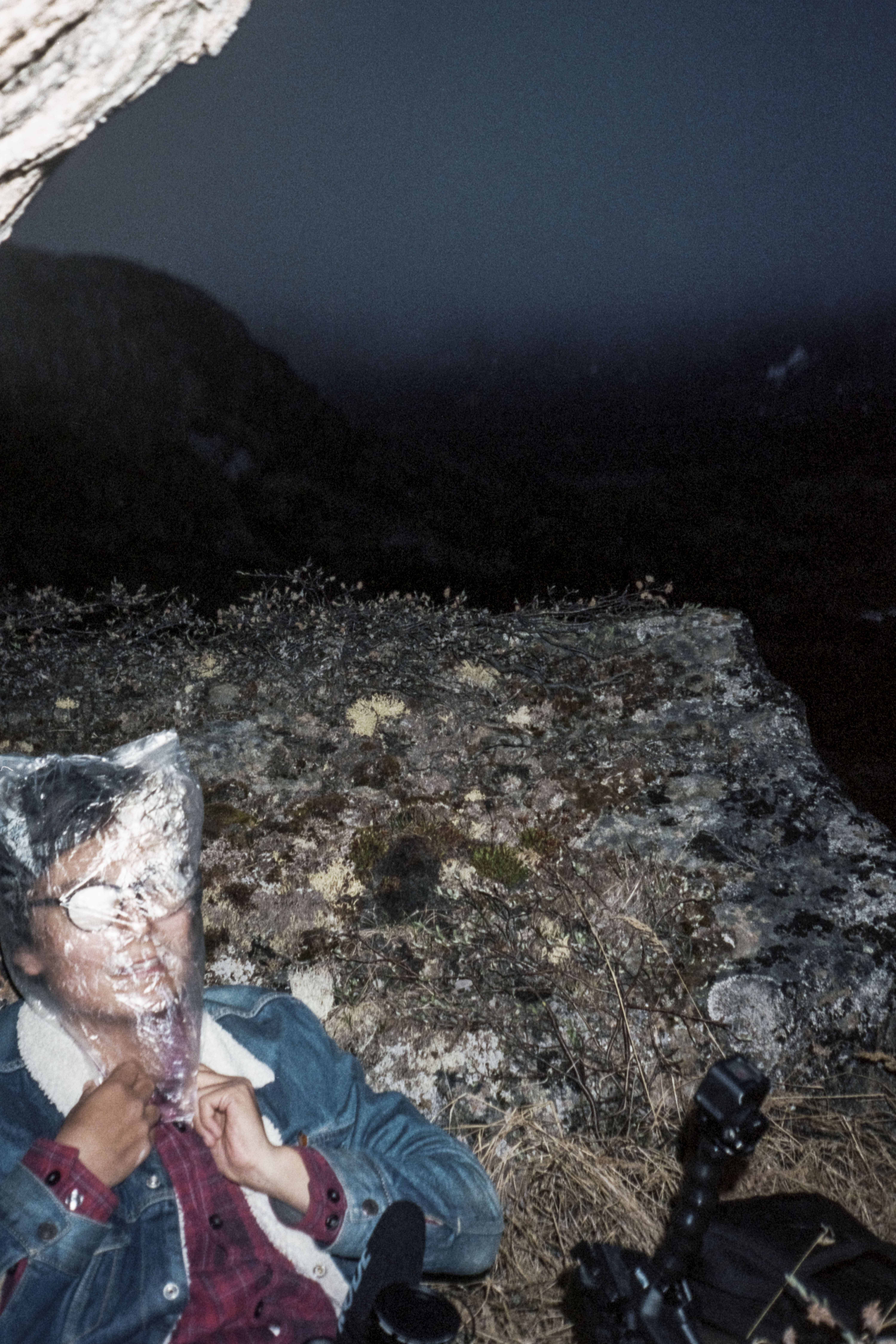
From the series Keepers of the Ocean (2016 – 2022), courtesy of the artist and Wilson Saplana Gallery
You first picked up the camera when you were a kid, taking what you’ve described as “crooked” photos on your parents’ cameras, which were strictly off limits. Then you began photographing in a more serious way as a teenager. What was the instinct you had to take those photos?
Inuuteq: No instinct, just interest. Curiosity. Afterwards, when I got more technical, I was doing a lot more experiments during that time — with colours, with distances. I didn’t know what kind of lens I liked yet. I was shooting everyday stuff with my classmates. Most of the photos I took were in class, but I was skating a lot with friends and snowboarding as well. It’s more difficult to take digital photos in the winter. The battery dies [more quickly].
How did you then decide that you wanted to study photography?
IS: I realised the importance of photography for society. It plays a major role in news and everyday life. I felt we didn’t have a specific photographer who was going to take up the responsibility of that role [in Sisimiut]. I went to a technical high school, so all my friends wanted to become engineers or pilots. Around that time, I became aware that [in Greenland] we don’t know a lot about our own culture. I was already thinking back then that our language is very picture-based, so how can it translate when you become a photographer?
So you felt like photography was your way of communicating?
IS: Mostly it was a way of understanding myself.
In 2015, you decided to move to New York. How was that?
IS: To move to a city like that was very scary in the beginning. I was first in New Jersey, because when I arrived I had no place to stay. I was lucky enough to meet a person who loves Greenland and Greenlandic people. She let me stay with her until I found a place.
You found people in New York to be “brutally honest”. Does that differ a lot from Sisimiut?
IS: No, my hometown is like that, too. People are known to have an opinion. But New York is man-made, very artificial and very brutal, in a good way. I still loved New York, but I missed the sky – we have a lot of sky here in Greenland. We don’t have trees. I’m not good at waking up early, but I was waking up for sunrise just to feel connected to nature.
You’ve previously said that when you left Greenland, you realised how important your culture was to you.
IS: When I was around 17, I moved to San Diego, California. I went to a language school with a lot of young people from around the world. Of course they had questions about Greenland and Greenlandic culture. I’m from somewhere that is very different from most other places. But I realised I didn’t know a lot about my country or my culture, so I felt like we were losing that connection.


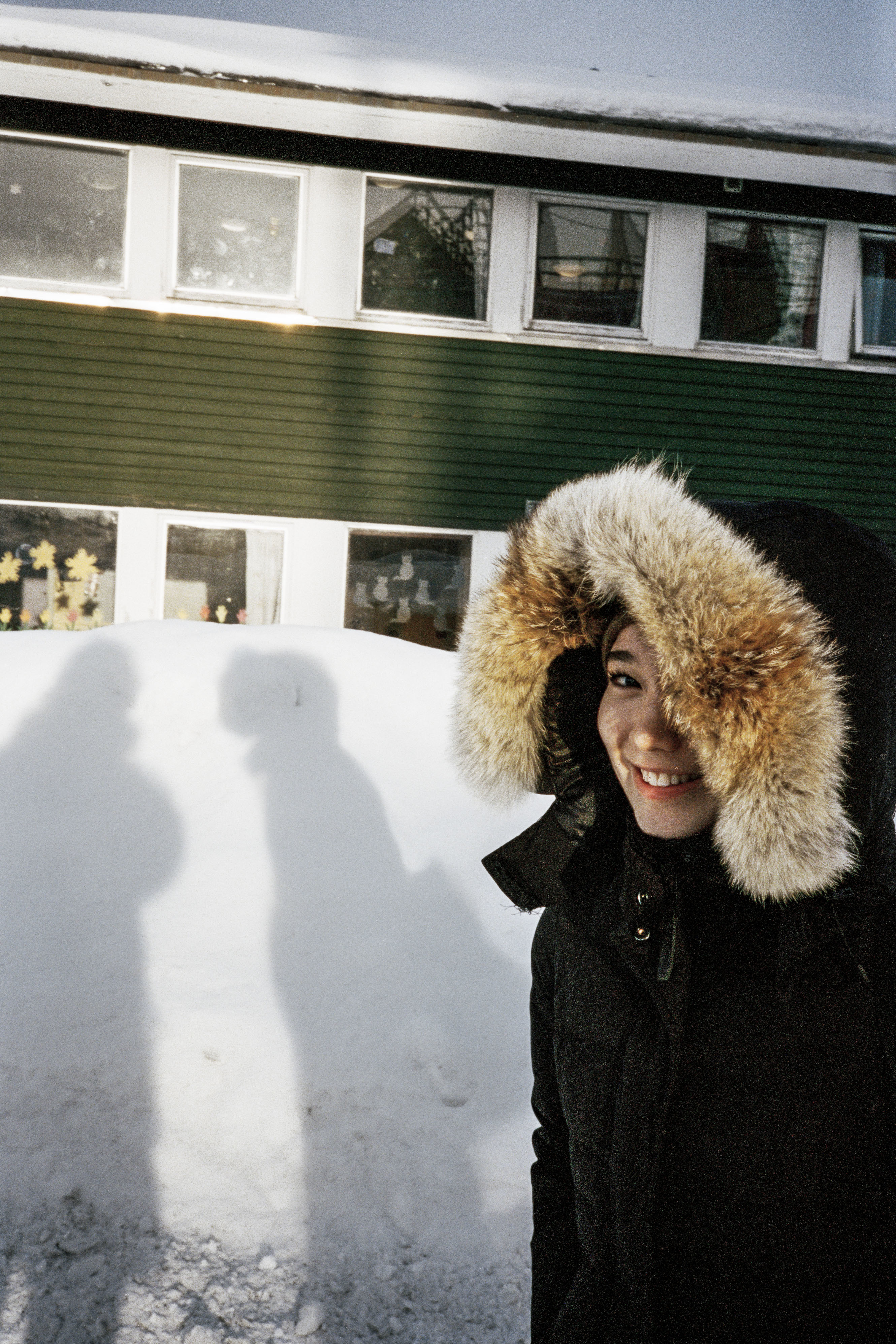
From the series What If You Were My Sabine? (2019 – 2025)
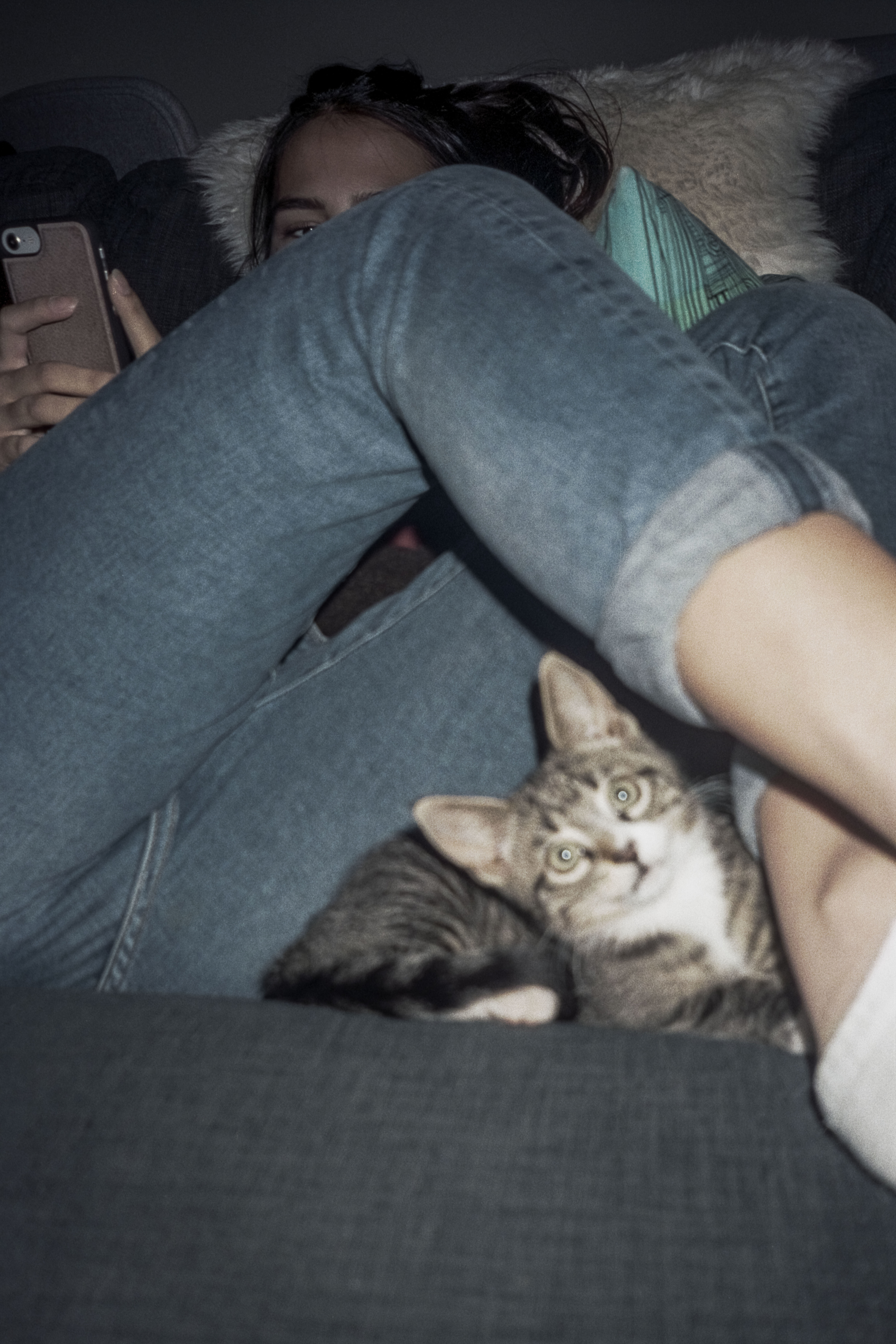
From the series Keepers of the Ocean (2016 – 2022), courtesy of the artist and Wilson Saplana Gallery
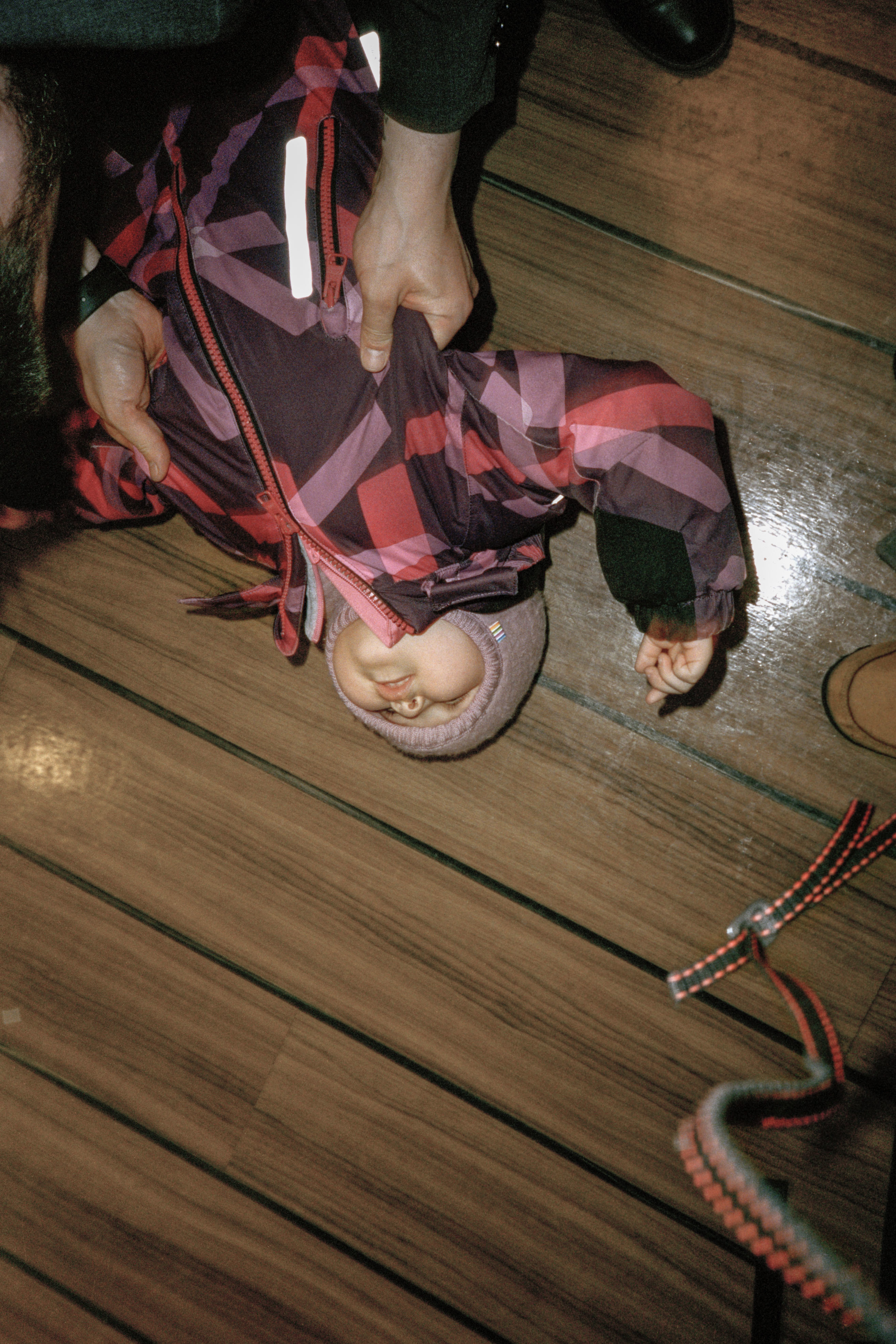
From the series What If You Were My Sabine? (2019 – 2025)
Since you had that realisation, and since you decided to look deeper into your own culture in your life and work, do you feel there’s been a shift towards Greenlandic people educating themselves about their home?
IS: Definitely. Today, we know that we don’t know a lot, but want to know more. Luckily, I’m not the only one that feels that way. There’s a lot more appreciation for our own culture now.
This is really a global movement, exploring one’s own cultural roots, and the reclamation of theirs by indigenous people across the world. In Britain and Ireland, we’re seeing that too, albeit more regionally. And of course, there’s a widespread indigenous movement in the US as well.
IS: Yes — also Sámi people [the only recognised indigenous people within the European Union, they inhabit Sápmi, a cultural region spanning northern Norway, Sweden, Finland and Russia’s Kola Peninsula]. Our generation experienced globalisation and there was a lot of curiosity about other cultures, and an appreciation for them. With that, the curiosity went back to our own cultures as well, and that’s really cool. Also, a lot of modern development is not good for societies and the Earth itself. That’s made many people go back to traditions and older ways of thinking.
That feeds into how you personally think about art. Could you tell me about your relationship with making?
IS: I think people are born with creativity in themselves. From society to society, creativity means something different. In the old days [in Greenland], creativity was very important for society, because a lot of our methods of survival had to be very creative, like making kayaks, sleds and harpoons. Harpoons are made differently for specific animals, and you have to get creative with how to catch them. Creativity used to be used for survival, and it was important to be creative in this country and society, in this culture. We didn’t have a [native] word for art, but the harpoons were decorated with the animals that they wanted to catch, and storytelling was very creative as well. Western countries have a very conceptual idea [of art] compared to where I’m from. Art in the West is for discussion and entertainment. Here, it’s about surviving.


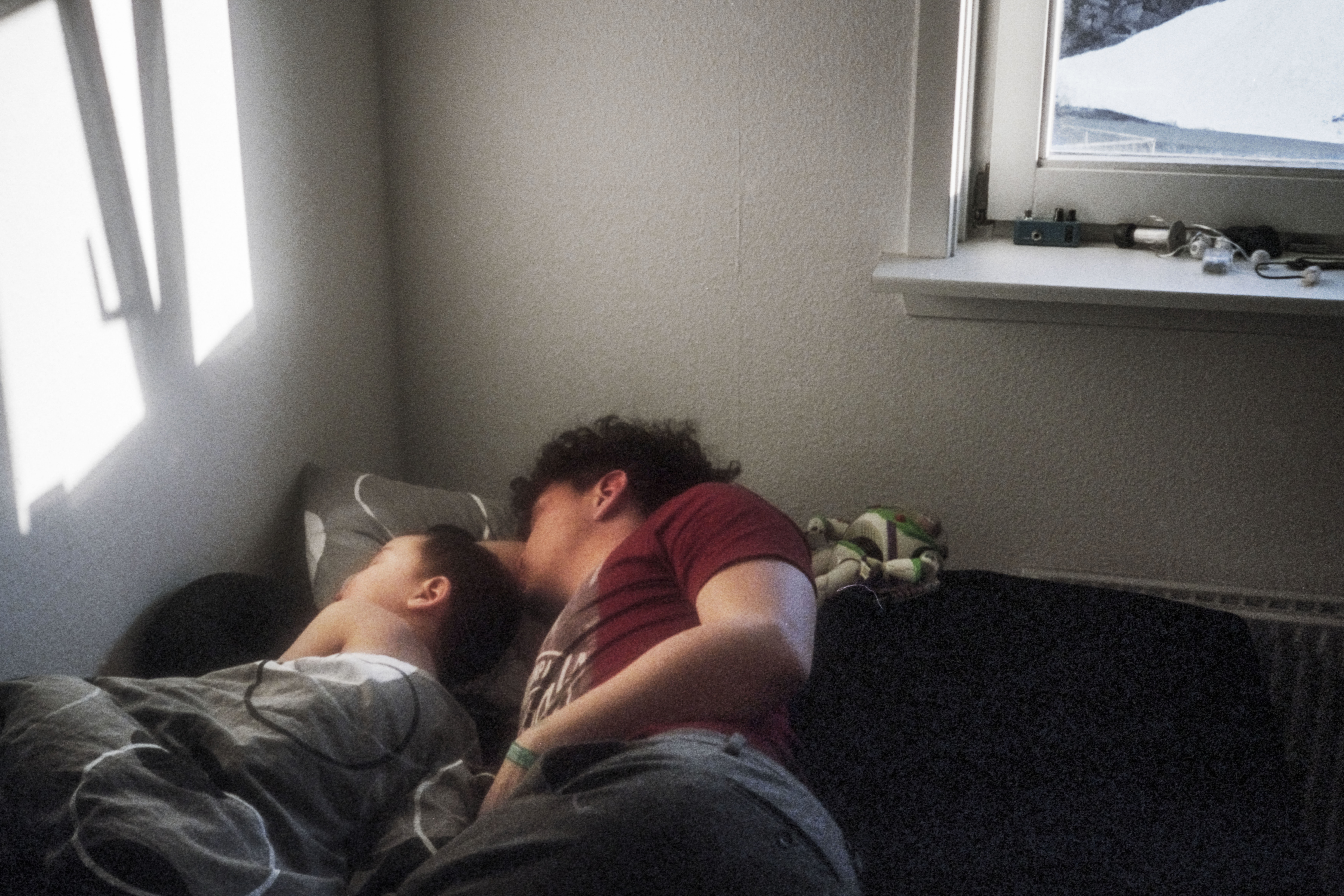
From the series Keepers of the Ocean (2016 – 2022) Courtesy of the artist and Wilson Saplana Gallery
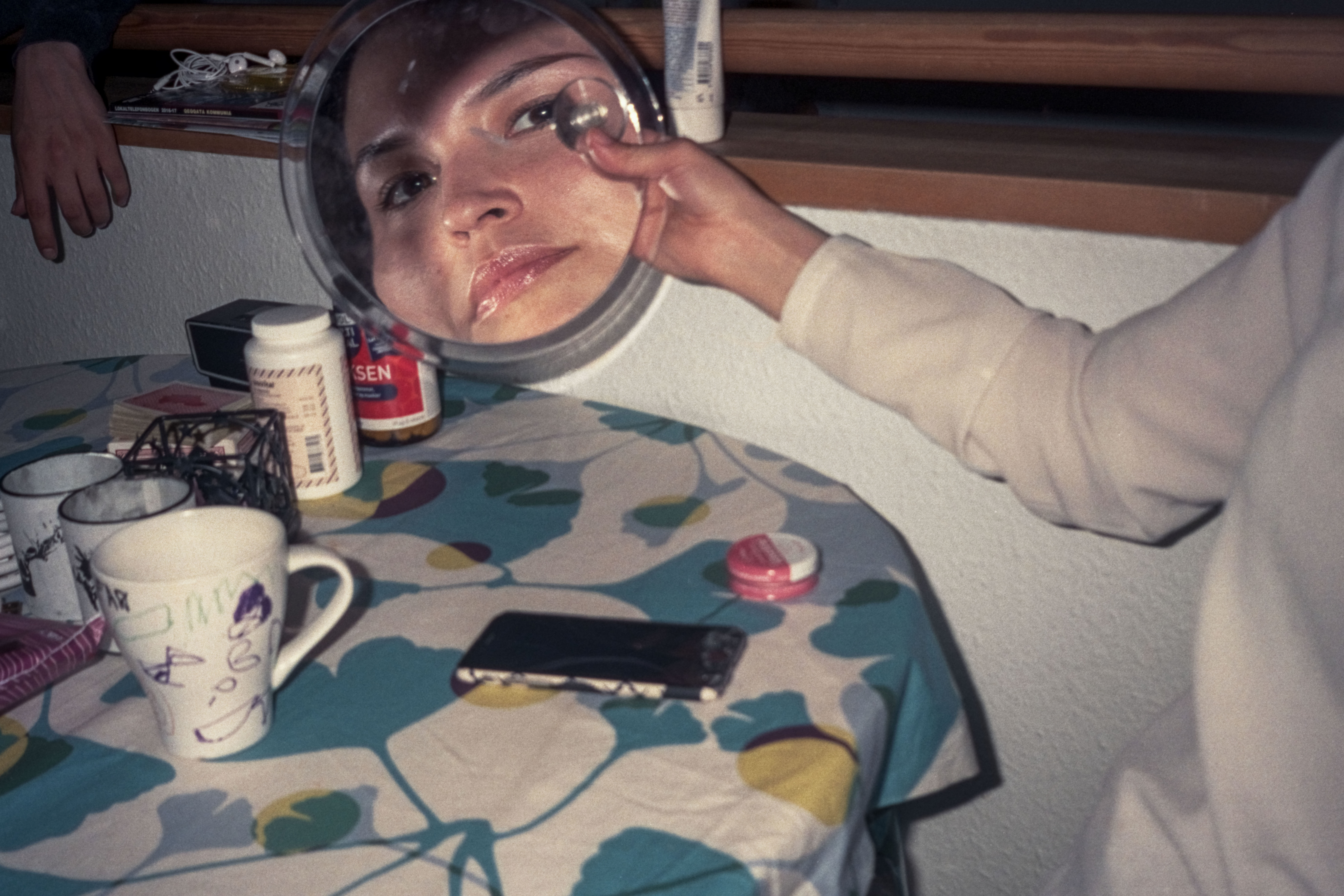
From the series Keepers of the Ocean (2016 – 2022), courtesy of the artist and Wilson Saplana Gallery
Your career is really taking off now and you’re being embraced by the Western art world. Where do you see yourself within that?
IS: I don’t think about that. I’m fortunate enough to live far away from the art world.
What about your local scene?
IS: It’s pretty much the same as other places. The artists that I work with, I usually hang out with a lot. I’m good at making exhibitions, but I’m very bad at looking at them. I enjoy going to photography shows, but other art I need guidance to understand. I really love photo books.
You’ve made a lot of photo books. What is it about that medium that excites you?
IS: Books are kept longer than exhibitions, and their reach is a lot further.
Your next book to be published is Knight’s Hood Poems. Is there a big graffiti scene in Nuuk?
IS: Not really. Usually they are by people who are from the lower classes. They’re very raw, almost childlike drawings. I’m a big fan of Kârale Andreassen [the Kalaaleq artist born in 1890]. His drawings are also very raw and childlike.


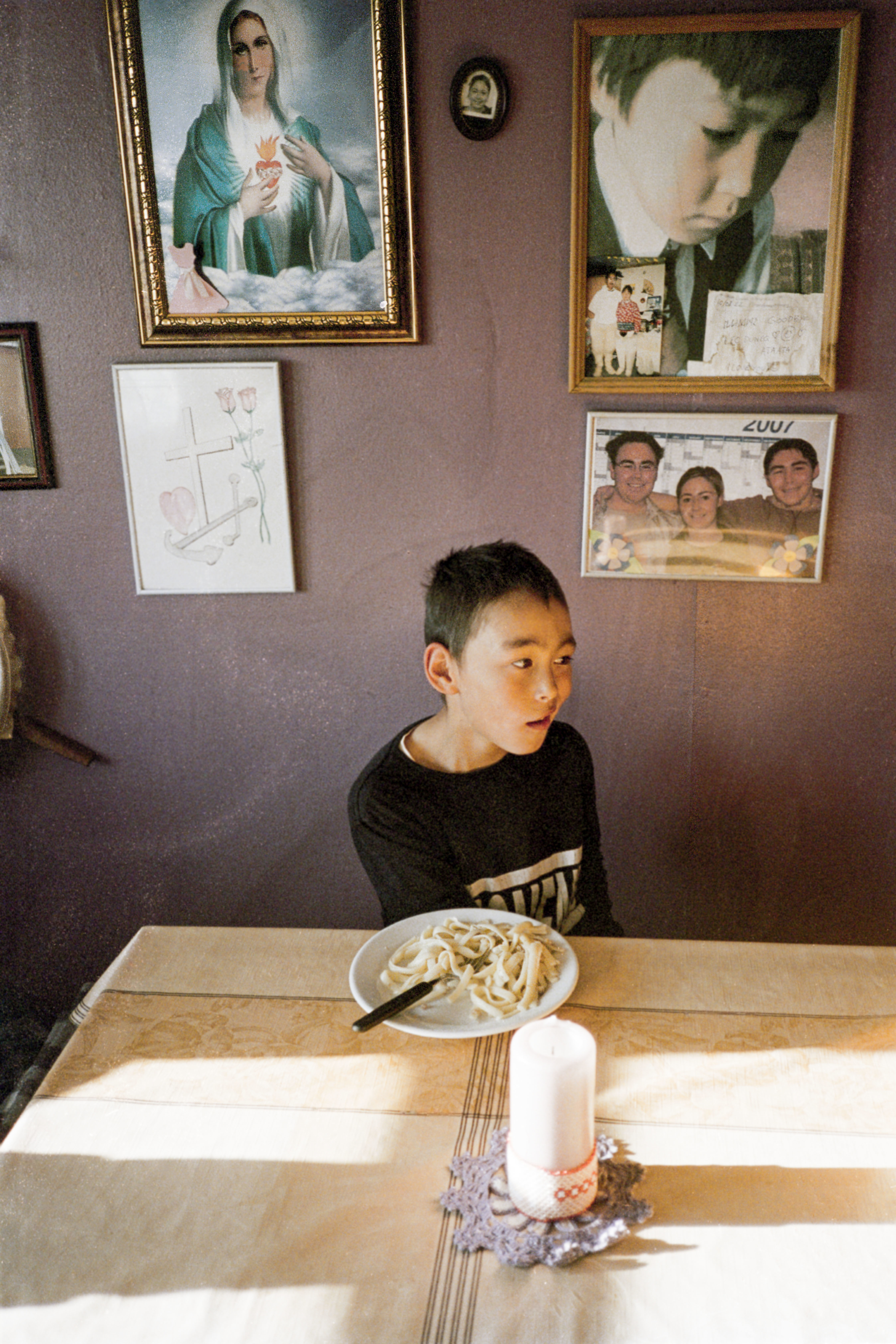
From the series Soon Summer Will Be Over (2023 – 2024)
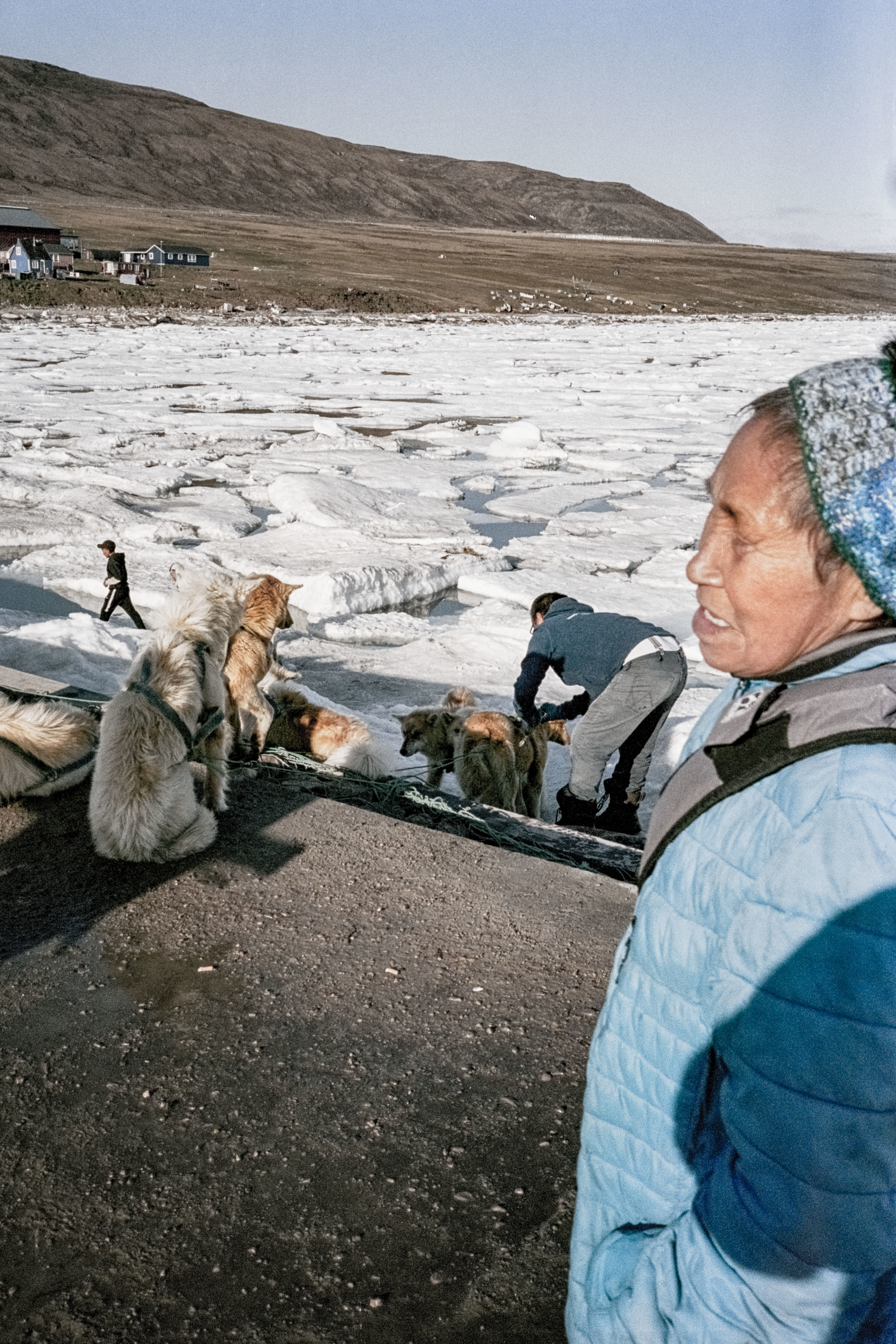
From the series Soon Summer Will Be Over (2023 – 2024)
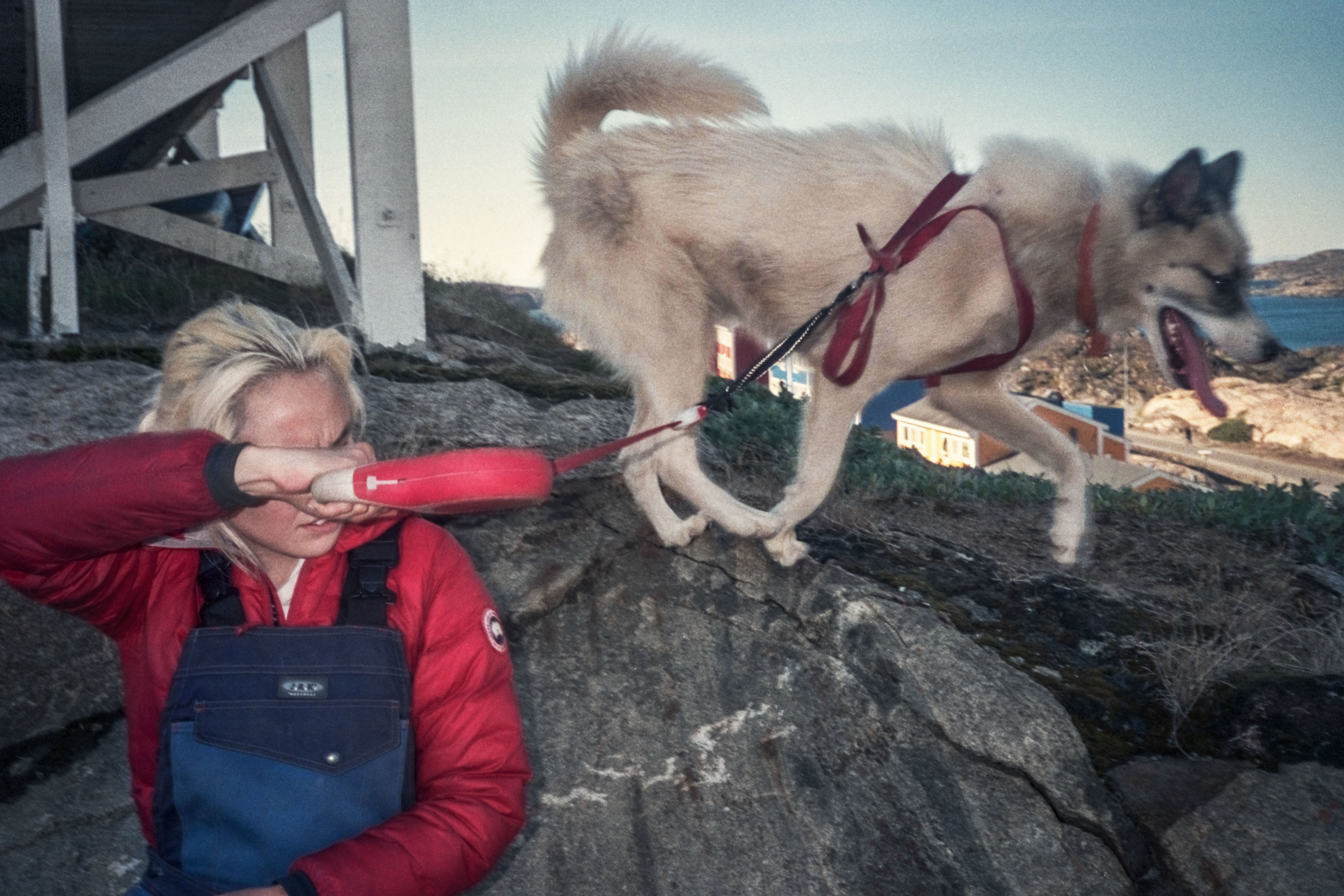
From the series Keepers of the Ocean (2016 – 2022) Courtesy of the artist and Wilson Saplana Gallery
When did you first discover his work?
IS: I had seen it throughout my life, but only looked up what it was when I was an adult. His father was a shaman and a lot of the drawings he did were based on his father’s stories about the spiritual world, but also stories that he told. For example, there was a woman who was crying about losing her way, so she blew up like a helium balloon. It was saying: if you’re too sad, you’re going to lose your life.
Any other visual artists who have had an effect on your work?
IS: Jacob Aue Sobol, a Danish photographer who took photos in East Greenland. They were very intimate photos of his girlfriend.
Yes, his 2004 project Sabine, which he shot in East Greenland. It documents his life in Tiniteqilaaq when he was just 23 and fell in love with a woman there. Let’s talk about that, because you shot the series What If You Were My Sabine? – that was a reaction to this work, right?
IS: Yes. East Greenland North Greenland were the last areas to be colonised. Therefore, they are [only] a few generations away from the traditional way of life. Learning about my own culture, I wanted to build a connection with these places. I then fell in love with a person from East Greenland who taught me how to speak East Greenlandic [Tunumiisut], and her great grandfather was one of the last shamans: Georg Qúpersimân, who wrote a book called Taimane Gûtimik Nalussûgama.


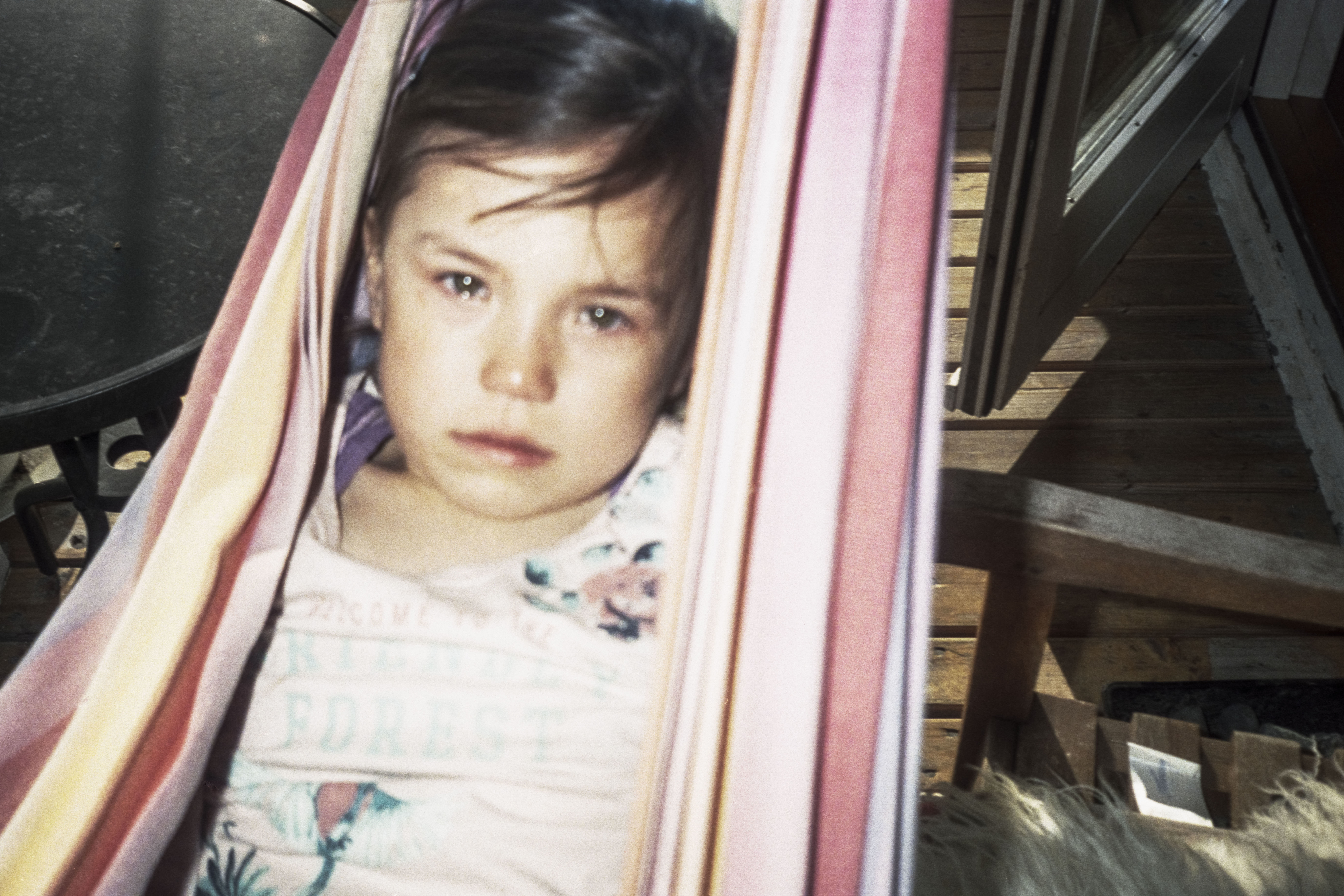
From the series Keepers of the Ocean (2016 – 2022) Courtesy of the artist and Wilson Saplana Gallery
From the series Keepers of the Ocean (2016 – 2022) Courtesy of the artist and Wilson Saplana Gallery
I’d love to discuss your book Mirrored, featuring photographs from John Møller, the first professional Greenlandic photographer…
IS: John Møller has also influenced my work. He took photos of three types of foreigners who came to Greenland. First, the sailors who were only here for the summer. Second, the elite, working for the colonial government. And third, the carpenters, the workers. Møller wanted to be a hunter. He was very good at it. His father worked in the press, printing newspapers and books, and because of that, he had to follow [in his father’s foot-steps]. He was also a politician and advocated for kids learning how to hunt in school instead of learning about how life is in Copenhagen or Paris. At the time, Greenlandic people were not allowed to travel abroad without being approved [by the government].
What is it about Møller’s photographs that you connected with?
IS: He was taking perfect portraits almost all the time. Compositions, contrasts, time, everything was on point. Another layer to his work is that people paid him to take portraits of them. People definitely dressed up for the portraits. He took photos of locals, foreigners, interiors and a lot of birds. He had a very big collection of stuffed birds, and he was also a translator for explorers.
To end where we began: you mentioned that other people tend to see your work as political, but you don’t. You see it as personal. Why do you have that different view?
IS: Because I live it. My everyday life is packed with questions about being [part of] a colony, unfortunately. But also fortunately. Because of that, people are having a discussion about my work.

