
The many reinventions (and looks) of Anna May Wong

Daughter of Shanghai (1937)
The legendary Chinese-American actress subverted stereotypes through fashion and – eventually – an unapologetic rejection of Western attitudes towards her. Ahead of a retrospective of her films at the BFI, we break down some of her greatest get-ups.
Culture
Words: Christina Newland
Anna May Wong has lived many lives. The Chinese-American actress is probably best known by contemporary audiences as the strikingly beautiful call girl, glittering in fine gowns alongside Marlene Dietrich in classic Hollywood drama Shanghai Express (1932). She remains an icon of endurance and style, renowned for her courageous trailblazing as the first Chinese woman to be celebrated and copycatted so publically in the West.
She actively avoided typecasting, even as the world she existed in pigeonholed her as the sinister “dragon lady” or a victimised sexual object. She moved from Hollywood to Europe to ensure better, more positive representation for herself, always a moving target for those trying to minimise her. This month, BFI Southbank and film curator Xin Peng are hosting a season of films dedicated to the actress. Anna May Wong: The Art of Reinvention will show the wide variety of films – silent and sound, drama and comedy – that she starred in.
Wong, with her unique, detailed Chinese-influenced style, was seen as one of the most glamorous women in the world at a time when that title was usually reserved only for white women. She cut a notable figure onscreen and off, with flapper-inspired androgyny, embroidered silk cheongsams and extravagantly pointed fingernails. Wong’s fashion choices had much to tell us about her position and the way she utilised it: from repurposing her family’s clothing for contemporary Western styles or bringing Chinese fashion to the fore in her films, she was as proud proud as she was unapologetic.
In anticipation of the BFI season, Wong’s biographer Katie Gee Salisbury – author of Not Your China Doll: The Wild and Shimmering Life of Anna May Wong – breaks down some of her greatest sartorial moments.


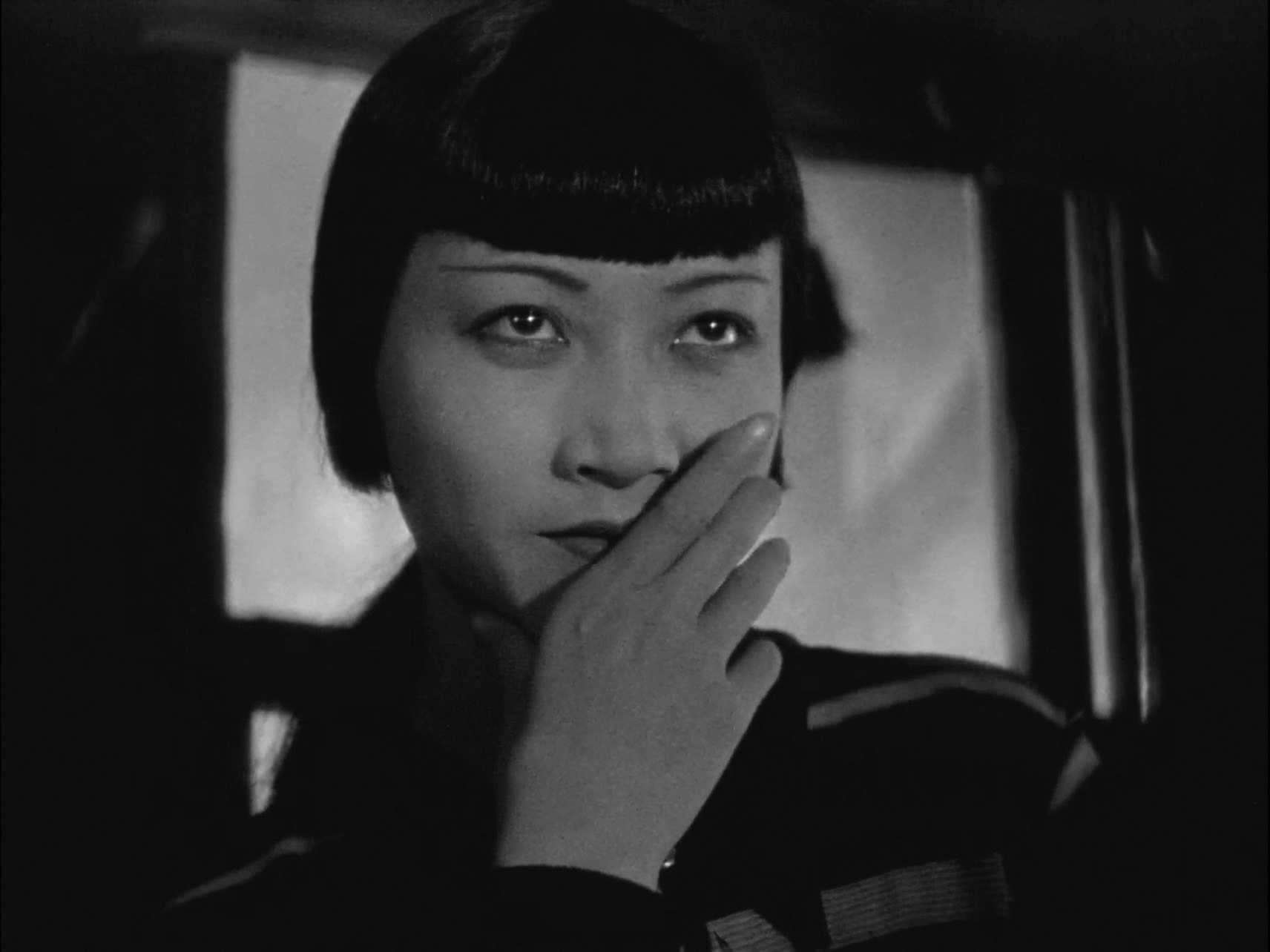
Piccadilly (1929)
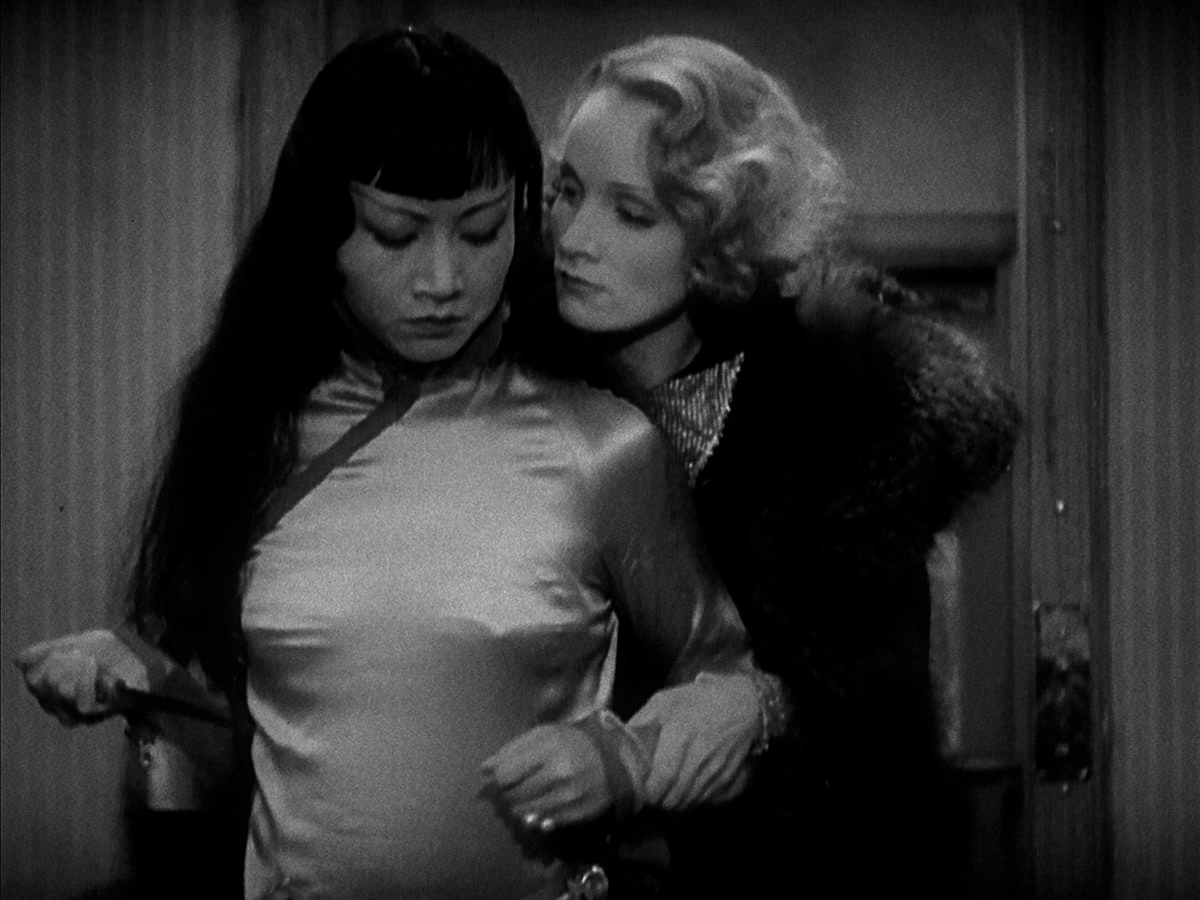
Shanghai Express (1932)
The world’s best dressed woman

Still from Hai-Tang (1930)
1930s Hollywood style was a mishmash of influences and trends: art deco, full-on fur-trimmed glamour, drawn-on brows and darkly-painted lips, but also the mannish stylings of trousers and top hats, culottes, newsboy caps, and other post-flapper nods to new freedom and androgyny for women. Wong – named in 1934 as the world’s best-dressed woman by the Mayfair Mannequin Society of New York – was both of the moment and singular. “People then would see her and assume she was foreign born,” Salisbury explains. “She was born in Los Angeles, and she was third generation. They would assume she didn’t speak English. She wore stuff that looked like it was from Paris, that was very sophisticated, so it was her way of disarming people and subverting their expectations about who she was based on first impressions. A lot of the early articles and interviews with her had very long, flowery descriptions of her as this Chinese maiden – skin like porcelain, etc – but then the jarring reality is that she talked like a flapper, like an American.”
Paying tribute to her background


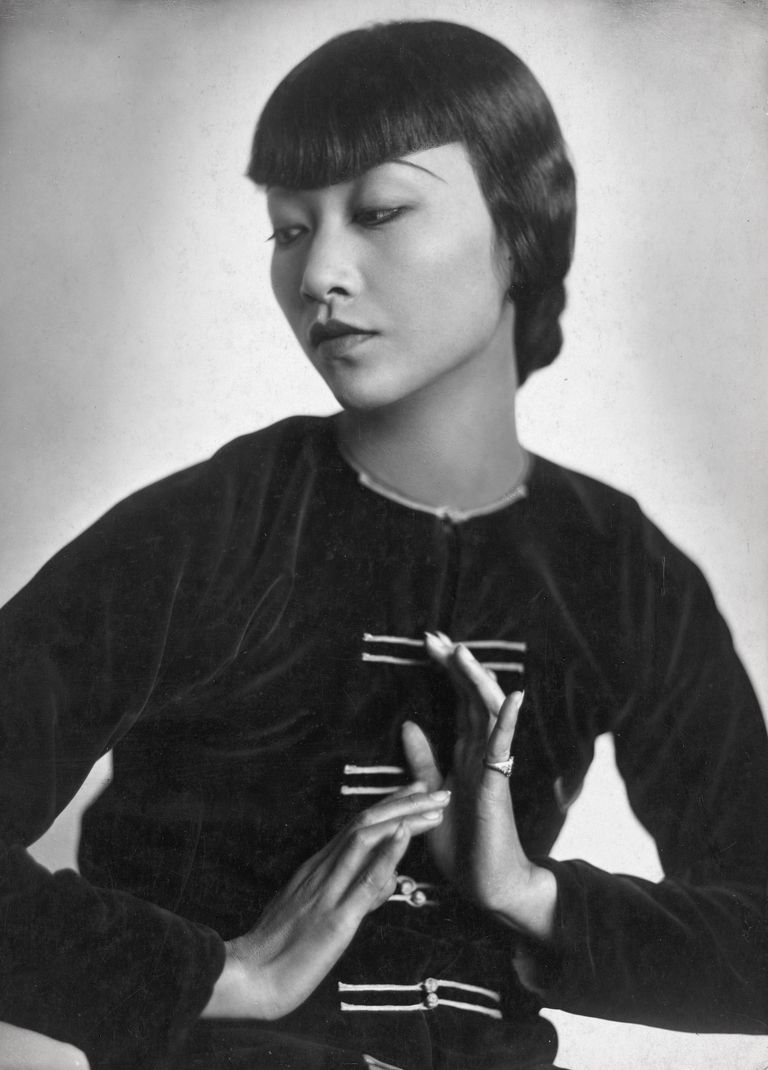
Anna wearing her father’s repurposed wedding coat, complete with Chinese frog buttons
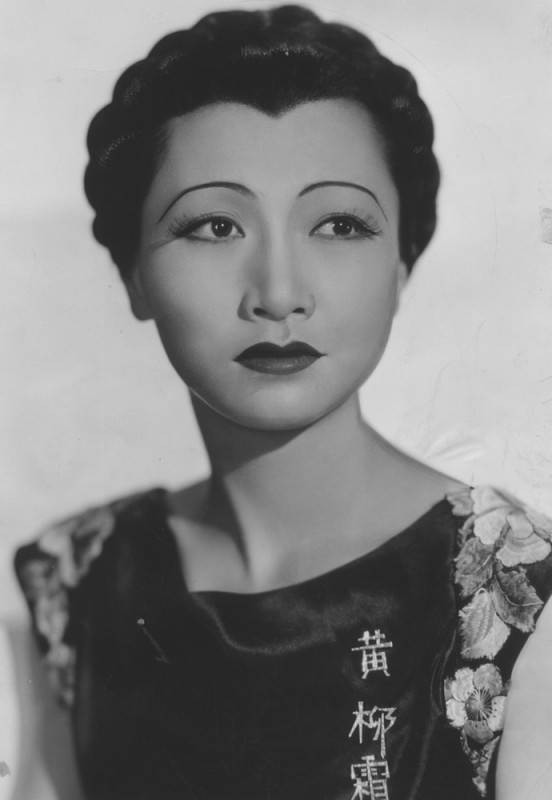
Anna with her Chinese name embroidered on her dress, 1937
In the ’30s and ’40s, most Hollywood stars with ethnic surnames or backgrounds had their appearance and names anglicised by their studios to make them more palatable to audiences, from Margarita Cansino becoming Rita Hayworth to Julius Garfinkle becoming John Garfield. But few of these stars so proudly and carefully kept their background front and centre – literally in their garments – as Anna May Wong. She regularly had her real Chinese name, Wong Liu Tsong (黃柳霜), embroidered in gilded thread on her dresses, handkerchiefs, or lapels to keep it symbolically close to her. She also repurposed her father’s old wedding coat, with its traditional Chinese frog buttons, so that she could wear it herself – it was one of her favourite garments.
The almighty cheongsam dress
Anna May Wong never visited China until 1936, at the height of her fame. After extensively travelling the country, she returned with a huge supply of traditional, collar-less silk cheongsams – Wong was heavily inspired by the styles of the women she saw in China. She returned from there with an even fierier fidelity to Chinese culture and practice. “There was one film, Island of Lost Men [1939], which is supposed to be set in Singapore; supposedly they wanted her to wear a sarong, and she refused,” Salisbury says. “The same apparently happened again when Wong was asked to imitate Japanese mannerisms for a different film – she repeatedly put her foot down against ignorance, and often did so through her clothing.”
The controversial showstopper
One of Wong’s most beautiful costumes is from her appearance in 1934 film Limehouse Blues, set in a London neighbourhood with a heavy Chinese population. Designed by maestro Travis Banton, who also costumed Hollywood legends Mae West, Betty Grable and Rita Hayworth. Made in both black velvet and silk – the latter to catch the light on-screen – and embroidered with a gorgeous gold sequin dragon from neck to hem, the dress is on display at the Metropolitan Museum of Art. “This dress is a prime example of the limitations Hollywood placed on Wong as an ornamentalised persona. While the dress is one of costume designer Travis Banton’s most spectacular creations for Wong, showing off her lithe figure, it also renders her the literal embodiment of the dragon lady – a stereotype that many of Wong’s films regrettably cemented in public discourse” she says. “And yet, even as she wore the dress, she did so with a knowingness and sense of droll humor. It was the same self-awareness that inspired her to autograph portraits with the phrase, ‘orientally yours’.”
A modern woman

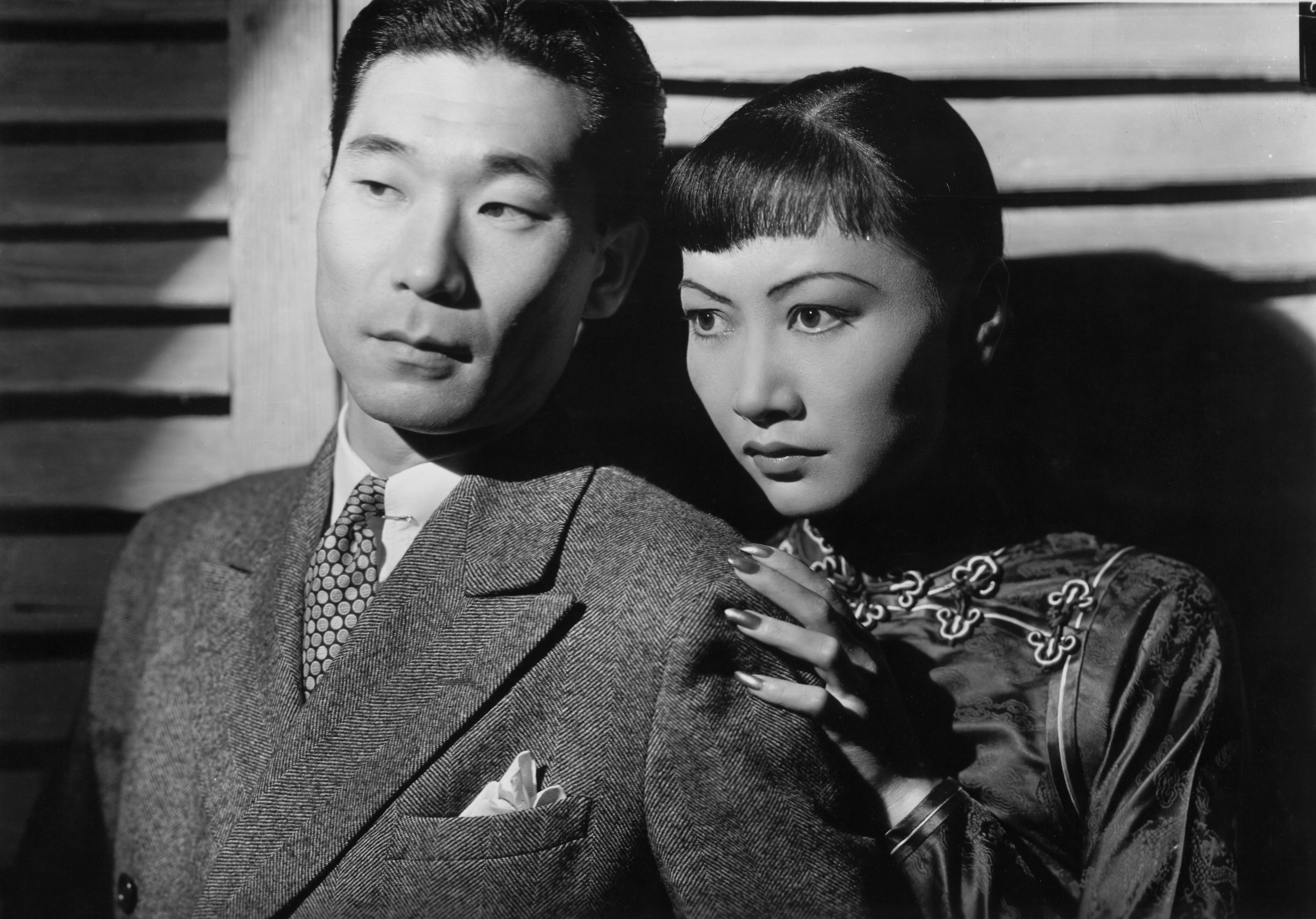
Daughter of Shanghai (1937)
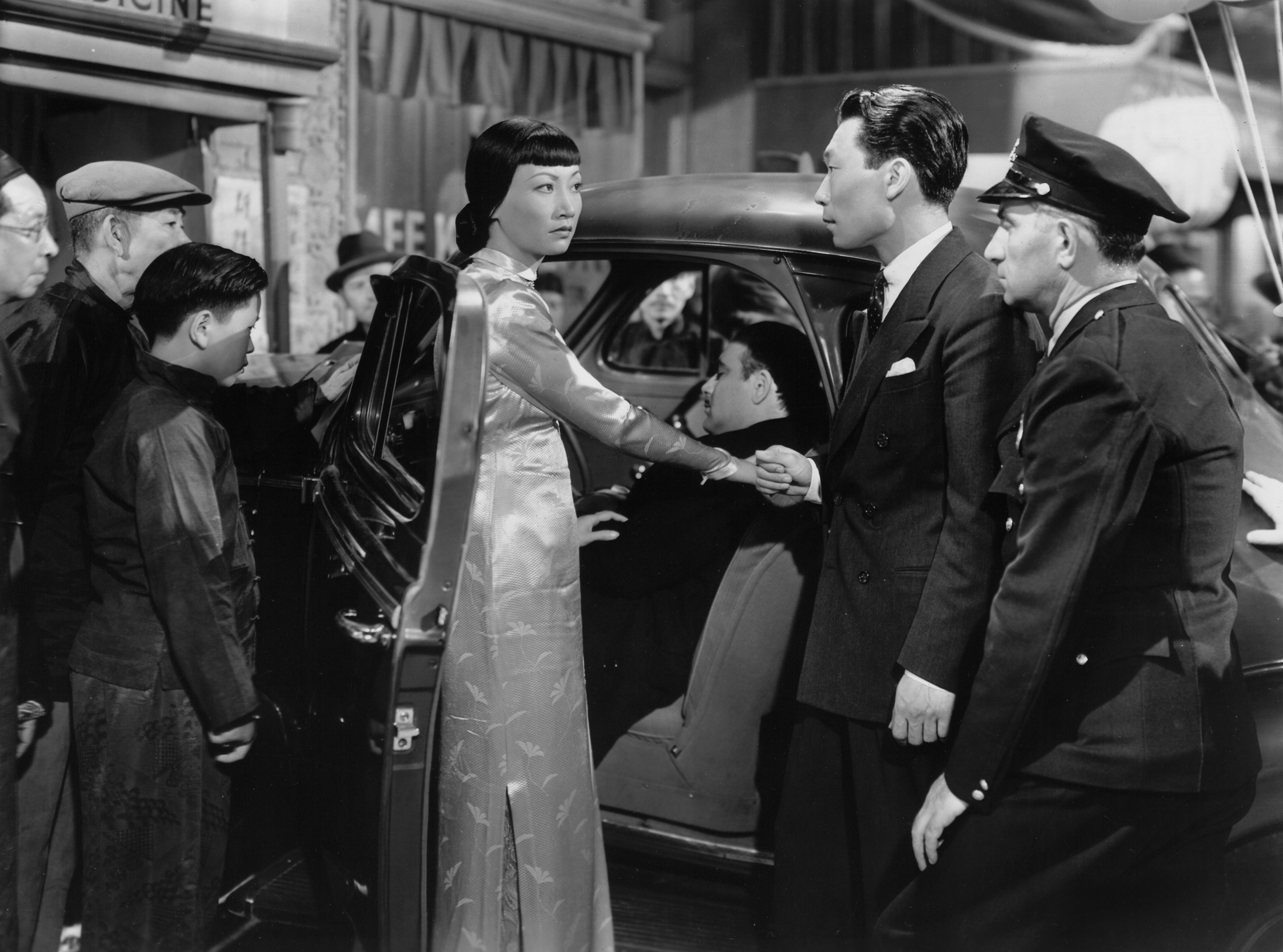
King of Chinatown (1939)
In the late ’30s, Wong began to star in smaller genre pictures that allowed her to take centre stage – and to find a way to star in films that didn’t simply see her as long-fingernailed exotic temptress. She appears more buttoned-up and down-to-earth as a would-be detective in crime film The Daughter of Shanghai; and again in King of Chinatown, where she plays a surgeon – modelled after Dr Margaret “Mom” Chung, the first-known American-born woman of Chinese descent to become a physician. These movies were not dripping in feathers and gold headdresses, but what they lacked in flamboyance they made up for in the substance of her roles. “When Wong comes back to the US, you know, she’s very clear that she’s no longer going to play these unsympathetic roles,” Salisbury explains. “The Daughter of Shanghai and the films that she does in the late 1930s, they’re positive stereotype reinforcement. She’s trying to play Asian-American or Asian characters. She’s usually solving crimes or solving a mystery. She’s always the heroine. She’s not the bad guy,” she points out. Not only was Anna May Wong trailblazing in cinema — but she would go on to become the first Asian-American woman to star in a network television show (The Gallery of Madame Liu-Tsong) when she was well into her forties. Her active movement of the needle on race, glamour, and representation is well worth celebrating.
Anna May Wong: The Art of Reinvention is at BFI Southbank from 1st September — 6th October. Not Your China Doll: The Wild and Shimmering Life of Anna May Wong by Katie Gee Salisbury is out now in paperback

