
The final stop on the sunshine line

In the 2024 General Election, Jovan Owusu-Nepaul stood as the Labour candidate in Clacton in Essex. He was beaten by Nigel Farage. Two years on, as Reform UK threatens to overrun mainstream British politics, Jovan returns to the constituency with photographer Sarah Stedeford to ask: if this is the seat of the UK’s next Prime Minister, what can Clacton teach us?
Society
Words: Jovan Owusu-Nepaul
Photography: Sarah Stedeford
Taken from the spring 26 issue of THE FACE. Get your copy here.
When I stood as Labour’s candidate in Clacton in the July 2024 general election, I didn’t know what to expect. For one thing, it was the first time I’d stood for public office. In hindsight, I was armed with little more than a few hundred leaflets, a committed group of volunteers and a deep-seated belief that Clacton, like Britain in general, could be a fairer, more equal place. For another I was selected, as a 27-year-old newcomer, rather late in the day. With the election called earlier than anticipated, our campaign was an intense few months.
It wasn’t until the final week, when nomination papers had to be turned in, that Nigel Farage, “exiting retirement”, hurried together journalists for a press conference in London. He announced his intention to stand for the constituency of Clacton, 83 miles east of London, inserting himself for the third time as leader of a political party. After leading UKIP and the Brexit Party, now Farage was again leading Reform UK.
He won, I lost, coming third. He ousted sitting Tory MP Giles Watling, overturning a majority of 24,702 votes (the Tories’ eighth safest seat in the country), sweeping to power with a promise to freeze “non-essential” immigration, scrap climate-friendly net-zero policies on greenhouse gas emissions and to “come for Labour”, as he declared in his victory speech. Yes, nationally, Labour won a landslide on a platform of “change”. But Farage becoming the Reform MP for Clacton was a bellwether victory.



Eighteen months on, the bloom has comprehensively faded from Labour’s “generational” win. Keir Starmer’s prospects are so poor that he could no longer be PM by the time I’ve finished typing this sentence, far less by the time you’re reading it.
British politics, in early February 2026, has been dominated by the vortex of recriminations resulting from the Epstein files. These have so far led to the arrests of Peter Mandelson and Andrew Mountbatten-Windsor on suspicions of misconduct in public office; the resignation of Starmer’s Chief of Staff Morgan McSweeney; and to who knows what next. For those of us who believe in the value of democracy and cling to faith in our elected representatives, the Epstein files are the gift that keeps on taking.
Meanwhile, under cover of controversy, Reform’s insurgent rise continues. In the most recent polls, 30 per cent of respondents said they intend to vote for Farage’s party in May’s local and regional elections. In polls in Scotland, where elections to the Scottish Parliament also take place in May, this most English-seeming of parties has pushed Labour into third place and is closing fast on the long-dominant SNP.
Bubbling in tandem with all of this, however, is the growing popularity of Zack Polanski and the Green Party – who, in a stunning electoral feat, just defeated Labour in one of its safest seats in the Gorton and Denton by-election, with Reform coming in second and Labour falling third. Then there’s the inspiring transatlantic success of the recently elected New York mayor, democratic socialist Zohran Mamdani. These demonstrate a popular appetite for the left-wing ideas needed to transform and re-invigorate society. Decent wages, free childcare, council housing and affordable, efficient public transport are not utopian – they have to be possible. For sure, unlikely as it may have seemed two short years ago, Farage is now talked of not as a Little Englander joke but as a likely elected leader of the United Kingdom. But glimmers of hope for a fairer, more equal Britain, like the one I campaigned for, still seem possible.
So, as winter dragged to a close, I decided to return to Clacton. To the place where my hope was set. And, too, to the place where Farage’s journey to, potentially, Number 10 began.


Clacton, the final stop on the Sunshine Coast line, was once a tourist destination of choice for East Londoners; like the limb of an old tree, it connects Essex’s quaint villages to the not-so-distant capital. These days, it’s a place where package holidays and cheap flights have helped wither a seaside resort which once employed almost 10,000 locals in tourist-and daytripper-related jobs.
The election of Farage here spoke, in part, to concerns that residents felt weren’t being addressed by the mainstream political parties: the cost-of-living crisis, unemployment, decaying social services. Since 2020, prices for essentials have risen on average 44 per cent, while wages have stagnated and young people struggle to find work, move out of the family home or get on the property ladder. These unaddressed issues have led to a feeling of abandonment in the community I sought to champion.
In St Osyth, a village in the constituency, I meet Mick, a retired lorry driver. He’s having a cigarette outside the local community centre on the Bel Air estate. It isn’t too far from Jaywick, the community regularly cited as Britain’s most deprived. I ask what he thinks of Farage’s record as their MP. “He never comes down here,” he replies. “He doesn’t care about people down here.” Not that Mick seems that bothered. “I didn’t vote for him,” he says. “I didn’t vote at all.”


That voter apathy was typical: turnout in Clacton in the 2024 election was below the national average. Of nearly 76,000 eligible voters, around 30,000 didn’t vote. So, Farage got in with a mandate from less than half the voters. That’s almost a medium-sized town worth of people opting out altogether. Nationwide, 2024’s election turnout was the lowest since 2001.
On Clacton’s promenade I meet Ben, a 34-year-old tattoo artist. Echoing Mick’s sentiments, he tells me how politicians don’t care and only turn up during election time. “Reform, Labour, Lib Dem, Tories – they’re all the same,” he says dismissively. Ben bemoans the lack of things to do for young people in Clacton, with most of the youth centres closed. But he doesn’t reach for the usual Reform bogeyman as the cause of many of these issues. “We’re told it’s the immigrants who are the problem… taking our jobs, housing and leeching off the NHS. But it’s been like this for years now, and there are barely any immigrants around here.”
Charles – who, like me, stands out in Clacton – has another view. He served in the British Army for 30 years. “I’ve seen everywhere, met all sorts, and now live here… And it’s alright,” he says. “But there will always be people who like you and dislike you.” For the avoidance of doubt, he points to his hand. He’s talking about the colour of our skin. But this is Charles’ community, his home. What does he think Reform’s appeal is? “Immigration. People aren’t getting richer, and they need someone to blame.”

The immigration debate fuelled Farage’s rise long before Reform, and continues to roil opinion on both the left and right of British politics. Phrases like “an island of strangers”, invoked by Starmer in a May 2025 speech, left many in longstanding Labour communities feeling alienated.
I’m the son of immigrants. My family came from across the Commonwealth, built their lives here and contributed to society. But in Clacton, when I was standing, this seat had become the epicentre of a toxic and ever-hostile debate on immigration. As a second generation Brit, I bore the brunt of this. On the stump I was repeatedly asked where I was “really” from, and was told “we don’t want you lot around here”.
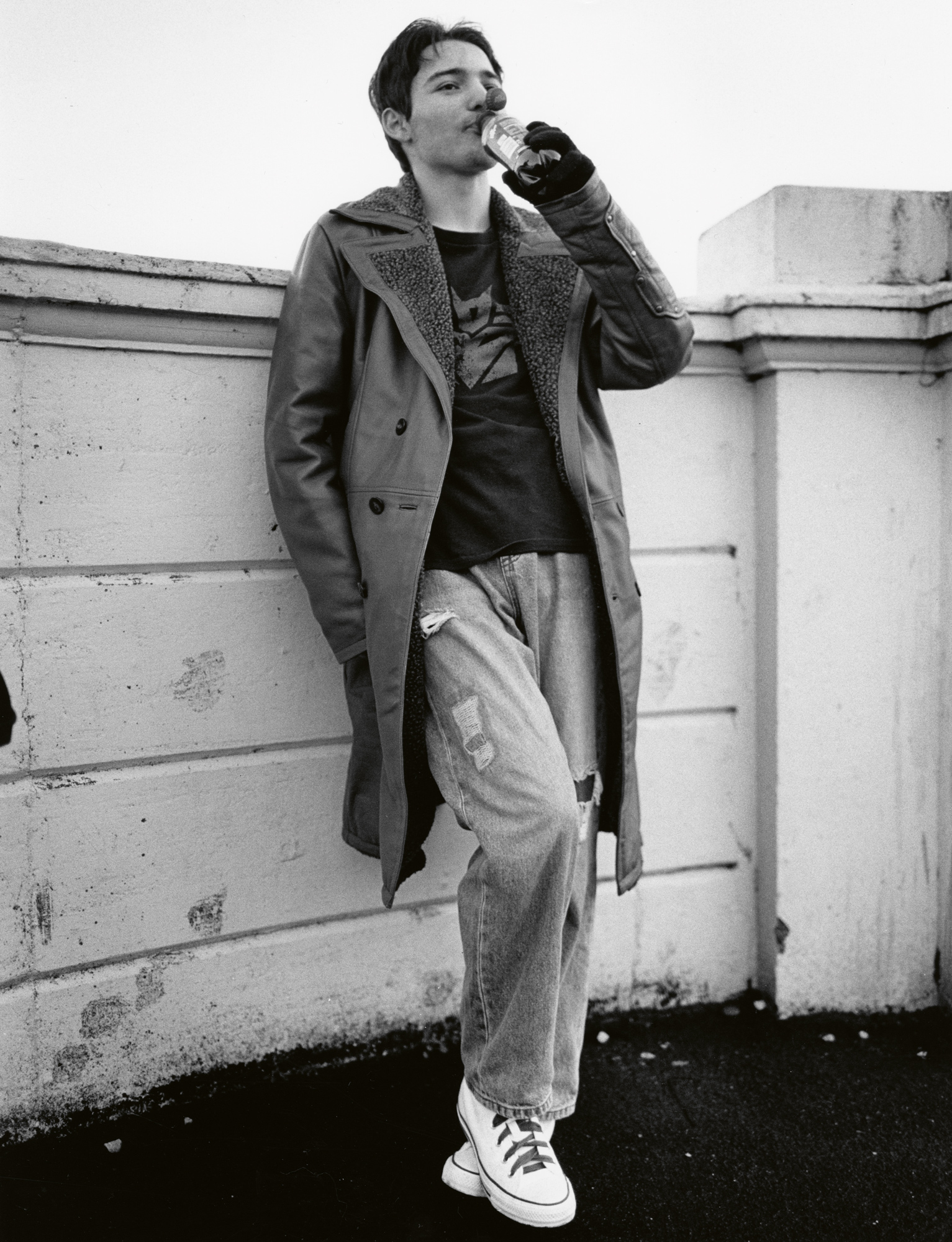
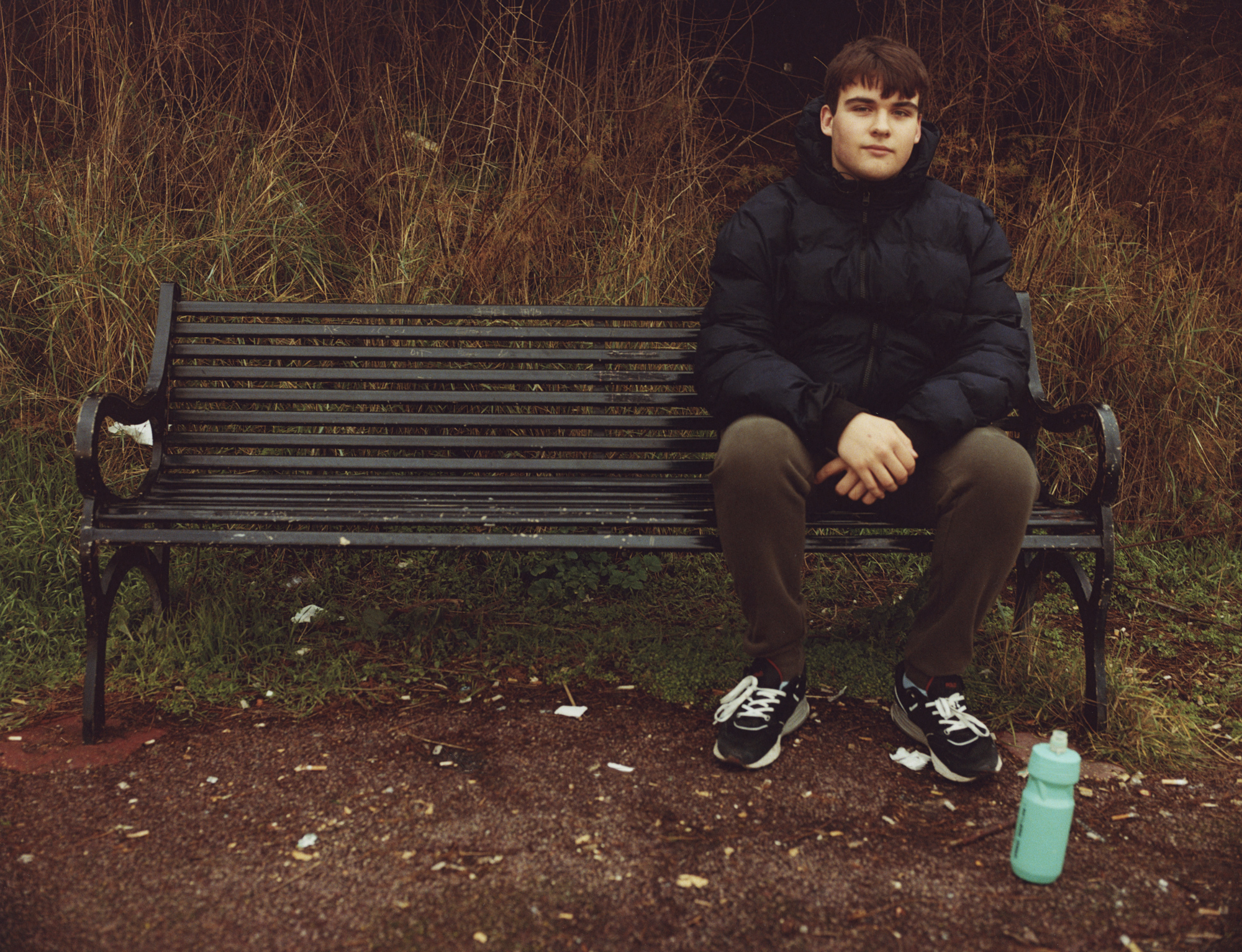
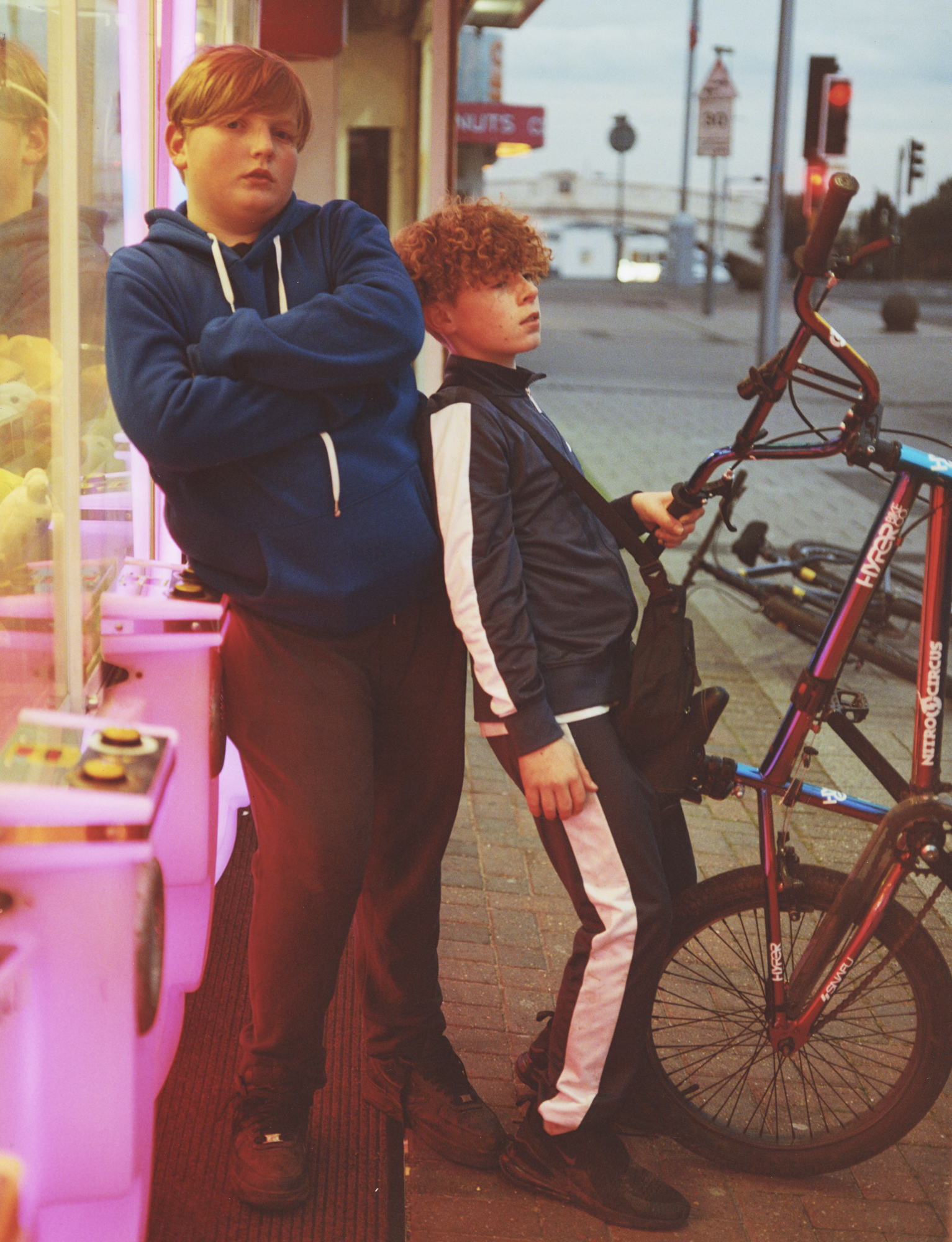
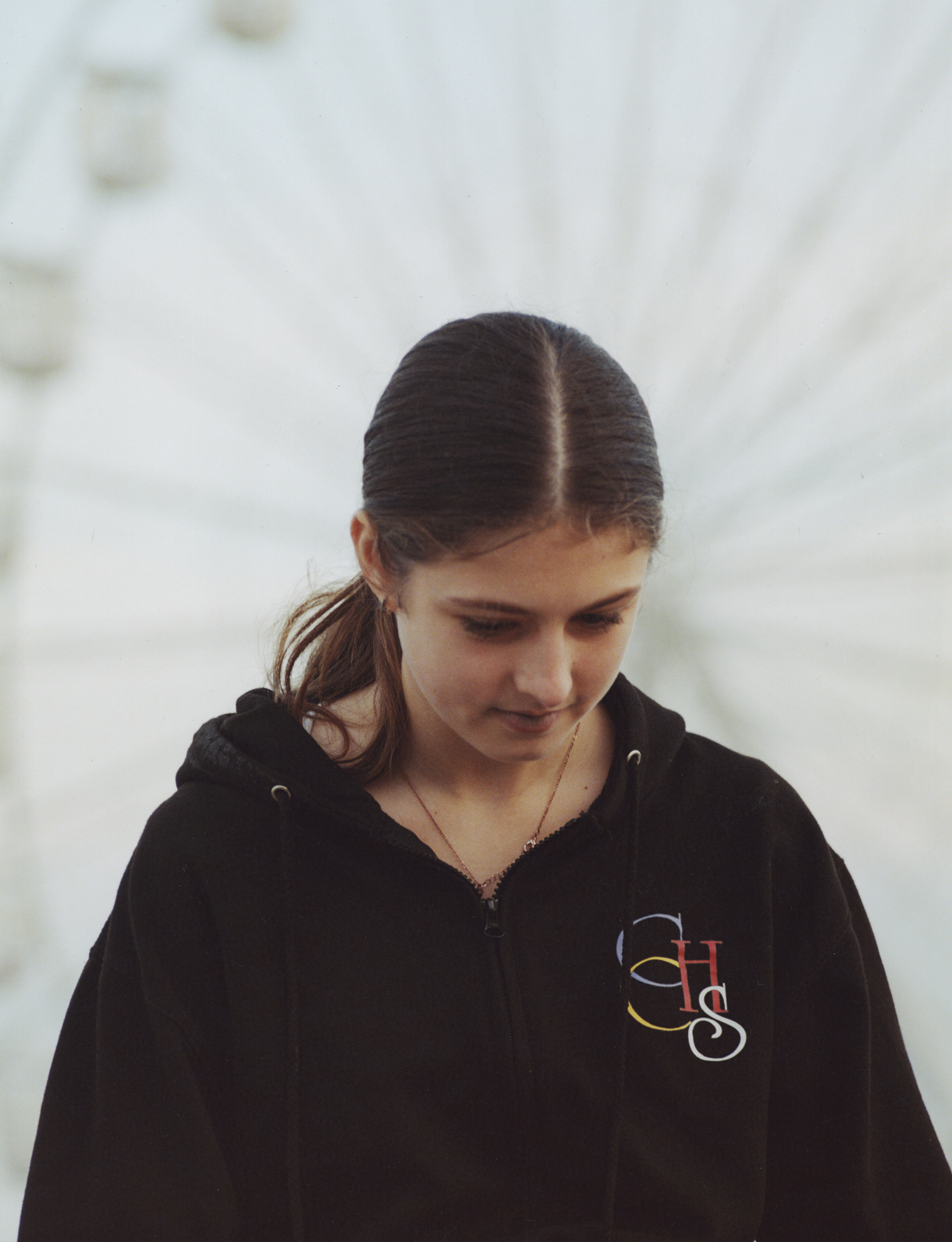
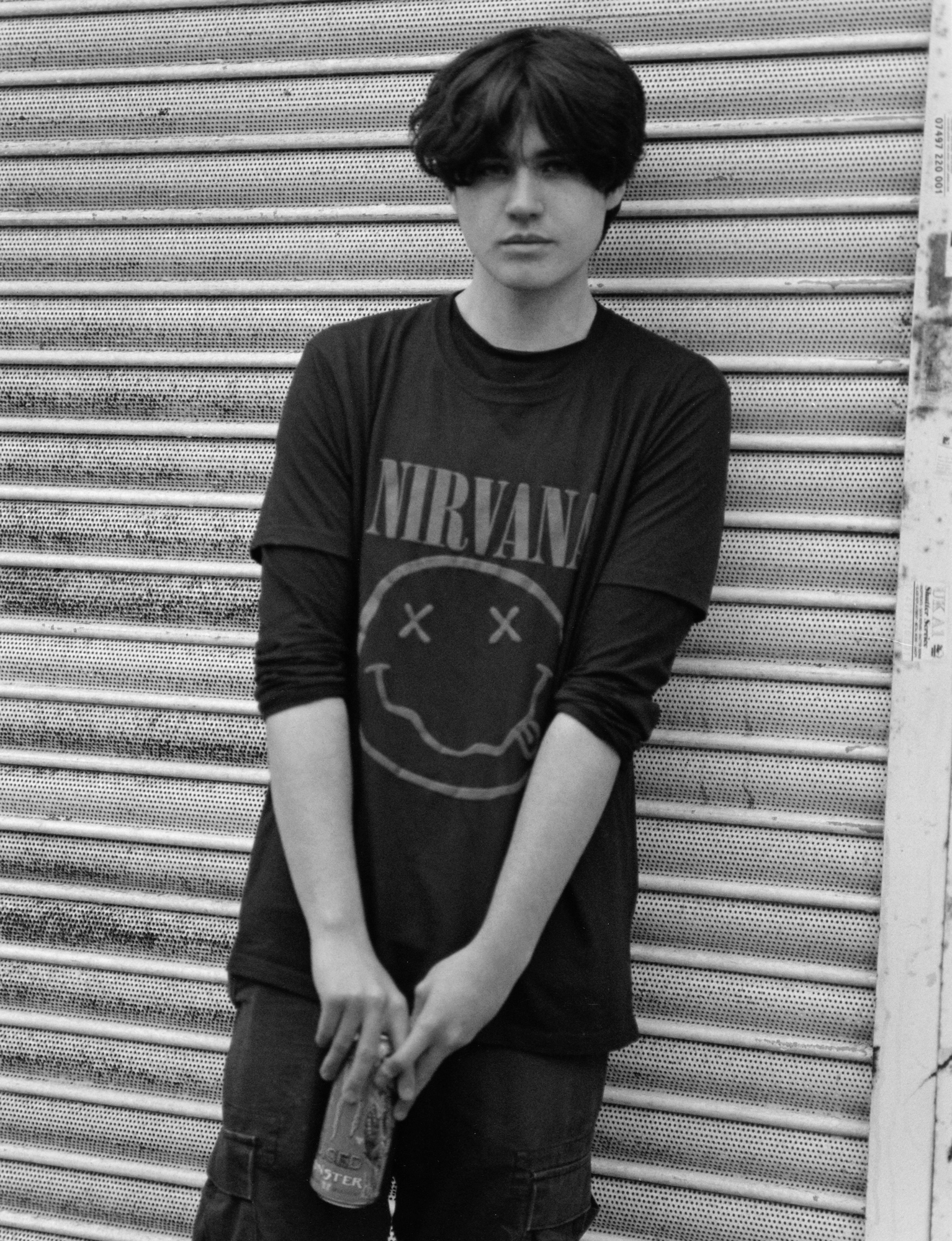
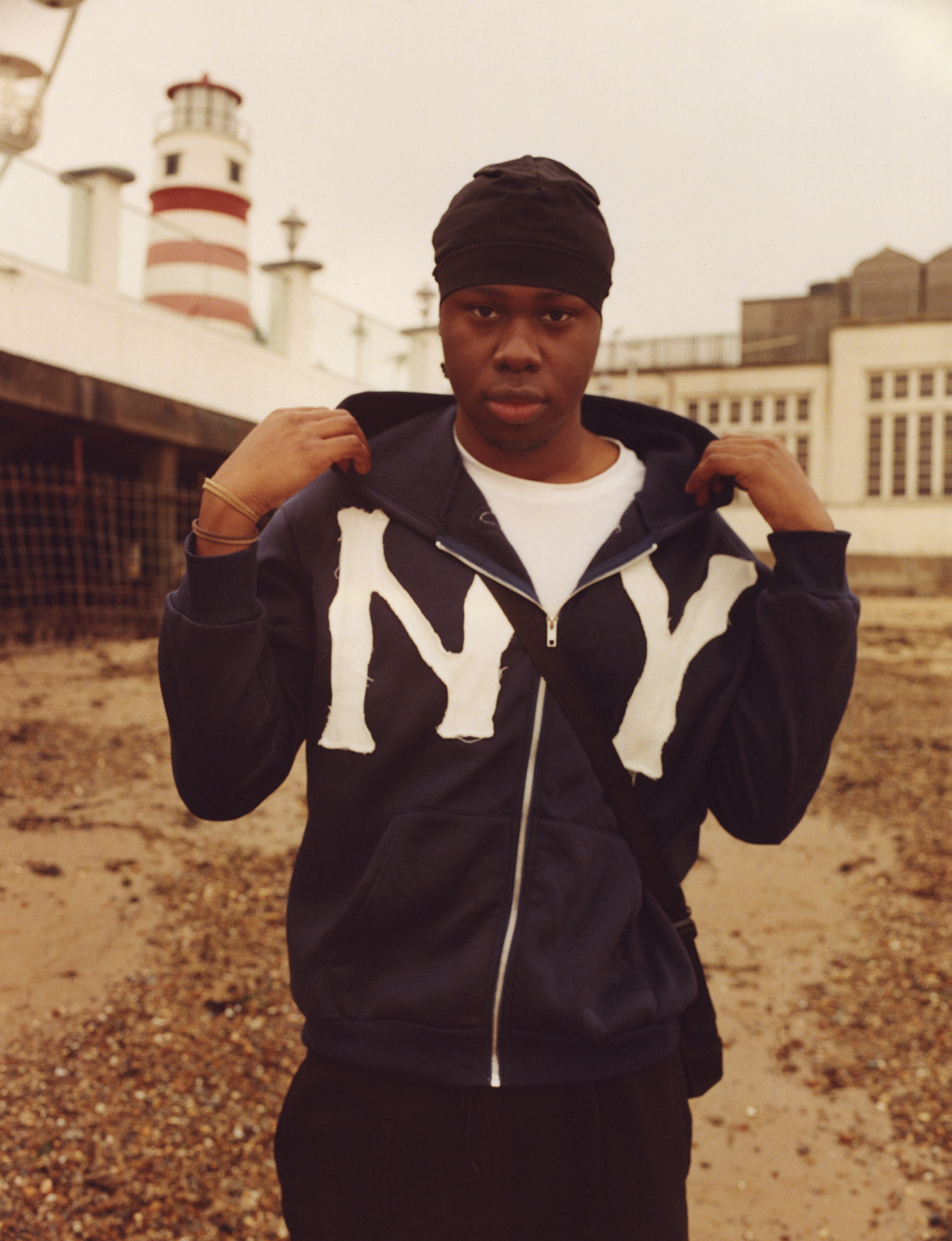
In spite of that, revisiting these streets two years on, we sensed something different in the young people in Sarah Stedeford’s photographs that accompany this story. This is the generation who have rallied and gone on strike in support of Palestinians, have demanded a fairer future in the face of crippling student debt and exponential house increases, and have led the call for climate justice. Certainly it would be a stretch to say it was hope that we felt on the streets of Clacton. But cautious optimism that’s charged with frustration and defiance – maybe those are things on which to build a fightback. Because when faced with a very real electoral threat from the far right, we have to start somewhere.
And let’s be clear: that is a very real electoral threat. At time of writing, the noise around the march of Reform has been, for the first time in many months, drowned out by the Mandelson-born chaos engulfing the Starmer government and the flailing Tories’ attempts to score political points. But come May’s elections, Reform UK will undoubtedly reap the benefits of this disarray – and of the electorate’s disillusion with the mainstream parties. That’s why now, more than ever, we need to look to the people of Clacton and listen to them. That half of the local electorate might have been the first to elect Nigel Farage. But they may well not be the last.

