
No one does costume design like Miyako Bellizzi

Getty, Mike Coppola
The force behind the Marty Supreme costumes discusses being a first-time Oscar nominee, fittings with Timmy and what it feels like to be leading a new gen in her field.
Style
Words: Eni Subair
“A lot of people don’t know this about me, but I was a traditional Japanese dancer my whole life and I was so in love with it,” says Marty Supreme’s Oscar-nominated costume designer Miyako Bellizzi. Calling in from New York, she’s remembering an experience that allowed her to soak up how special and transformative the act of dressing can be. “I’m mixed – my family is Japanese and Italian – and I grew up with my Japanese family. I met my dance teacher when I was around five years old and danced until I was 18. My teacher taught me how to do Kabuki make-up and had custom kimonos made for me.”
Thinking back on her time growing up in the Bay Area of San Francisco, Miyako – who is in the midst of BAFTA and Oscars prep when we speak – says she “never thought that I would be in film, but I was always really inspired by different cultures and different types of people”.
Dance was just the tip of the iceberg for the 37-year-old. Growing up in a multicultural household, she was taught to sew by her Japanese grandmother, who lived in New York and handed down her old garments from the 1950s. It’s surely kismet, then, that Miyako ended up working on Josh Safdie’s ’50s-set Marty Supreme – her third time working on a Safdie film.
Having previously worked on 2019’s Uncut Gems and 2017’s Good Time with Safdie (he directed these with his brother Benny), before that, Miyako spent time as fashion editor and stylist at Vice in 2010. It wasn’t for her: according to Miyako, there was something “missing”and she “never truly felt like I belonged”. Rather, what she found more interesting was how culture could drive fashion rather than the other way around.
She took this idea and ran with it when a friend asked her to work on the costuming for a short film, As You Are, a 2016 indie drama directed by Miles Joris-Peyrafitte and featuring Amandla Stenberg and Charlie Heaton. “It was very different from fashion – being around film nerds, being around people who are into art and set dressing, and just being so inspired by that. I have very vivid memories of that film, and it was when I decided, ‘Wow, this is what I want to do. I love this.’”


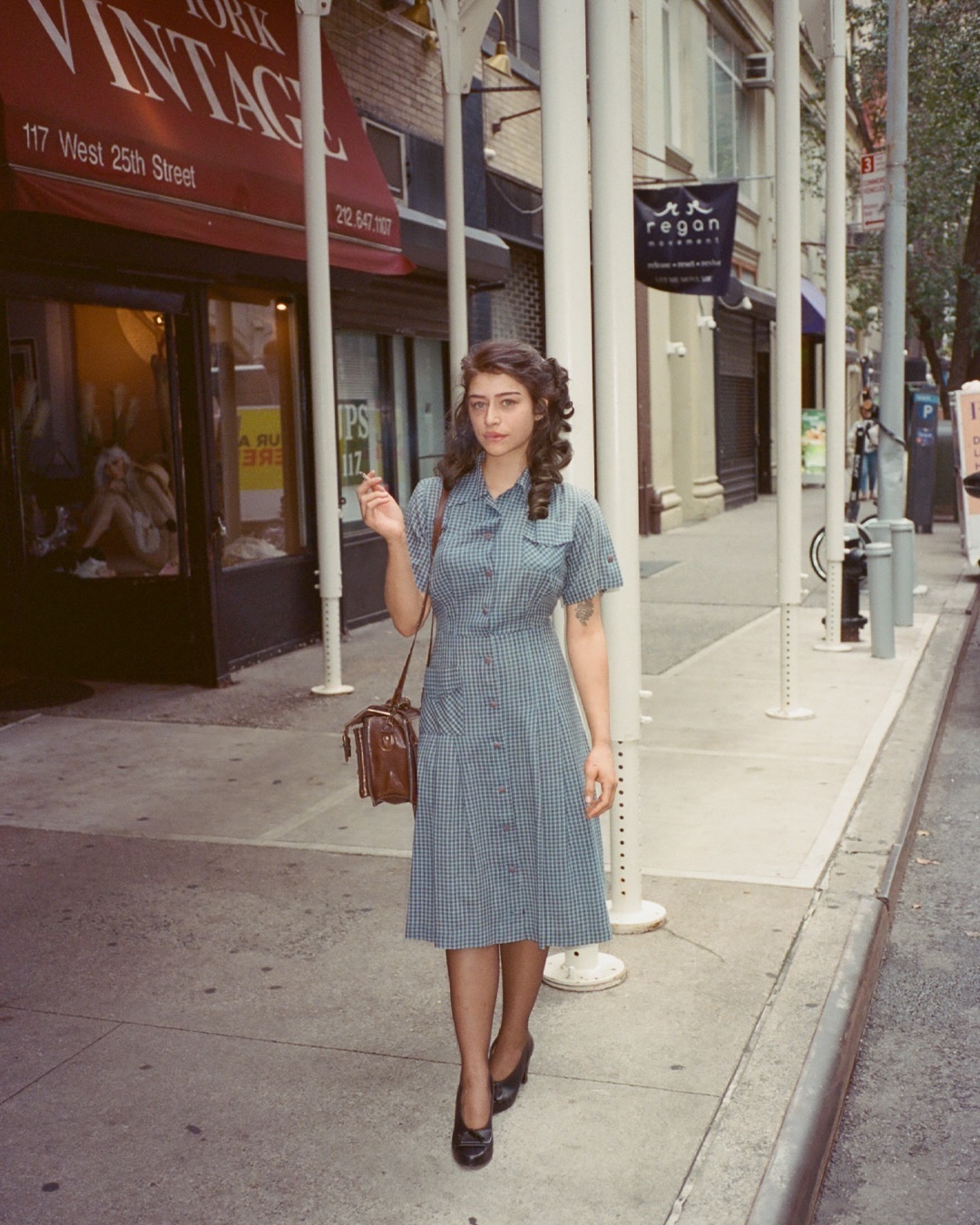
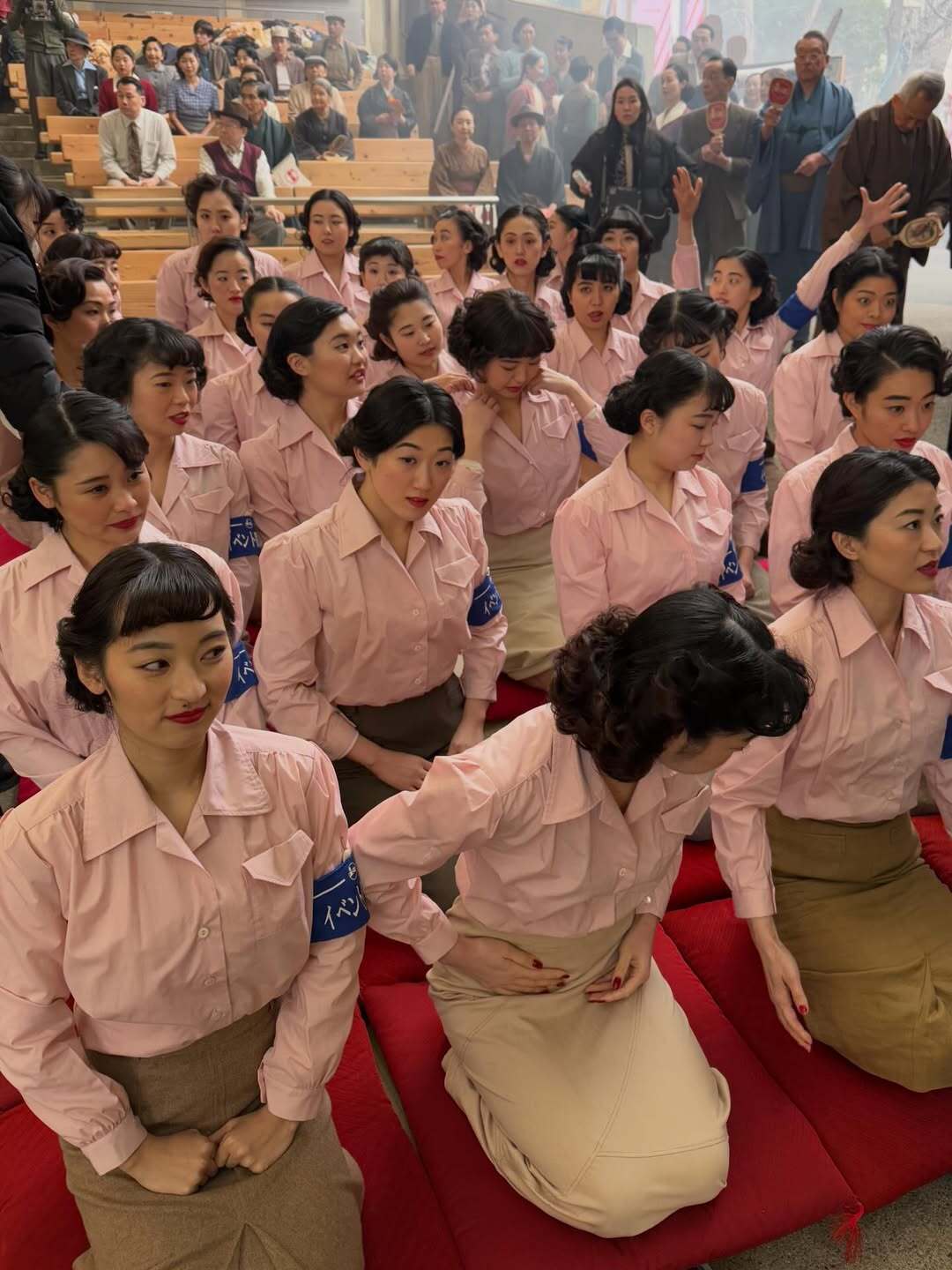
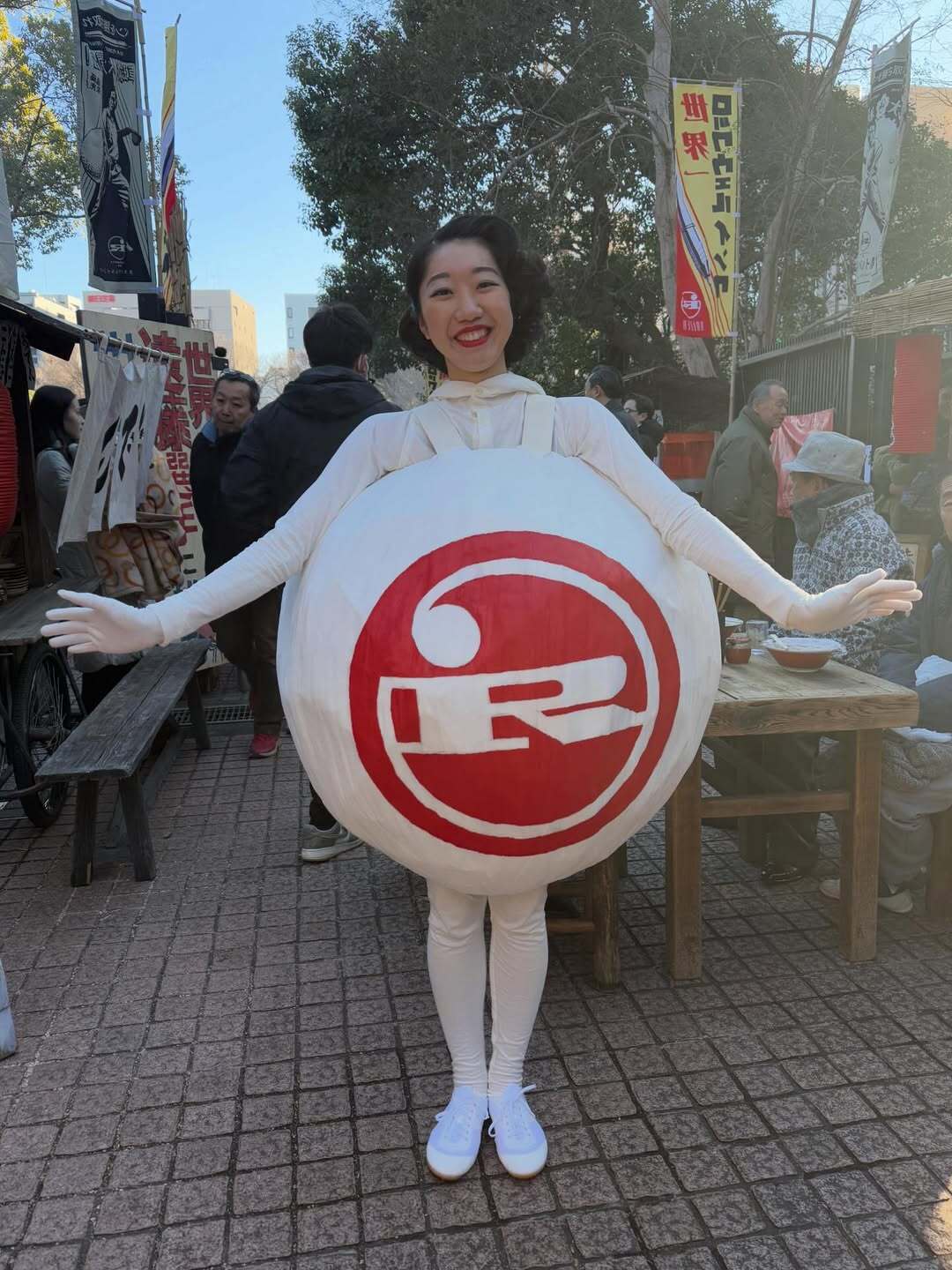
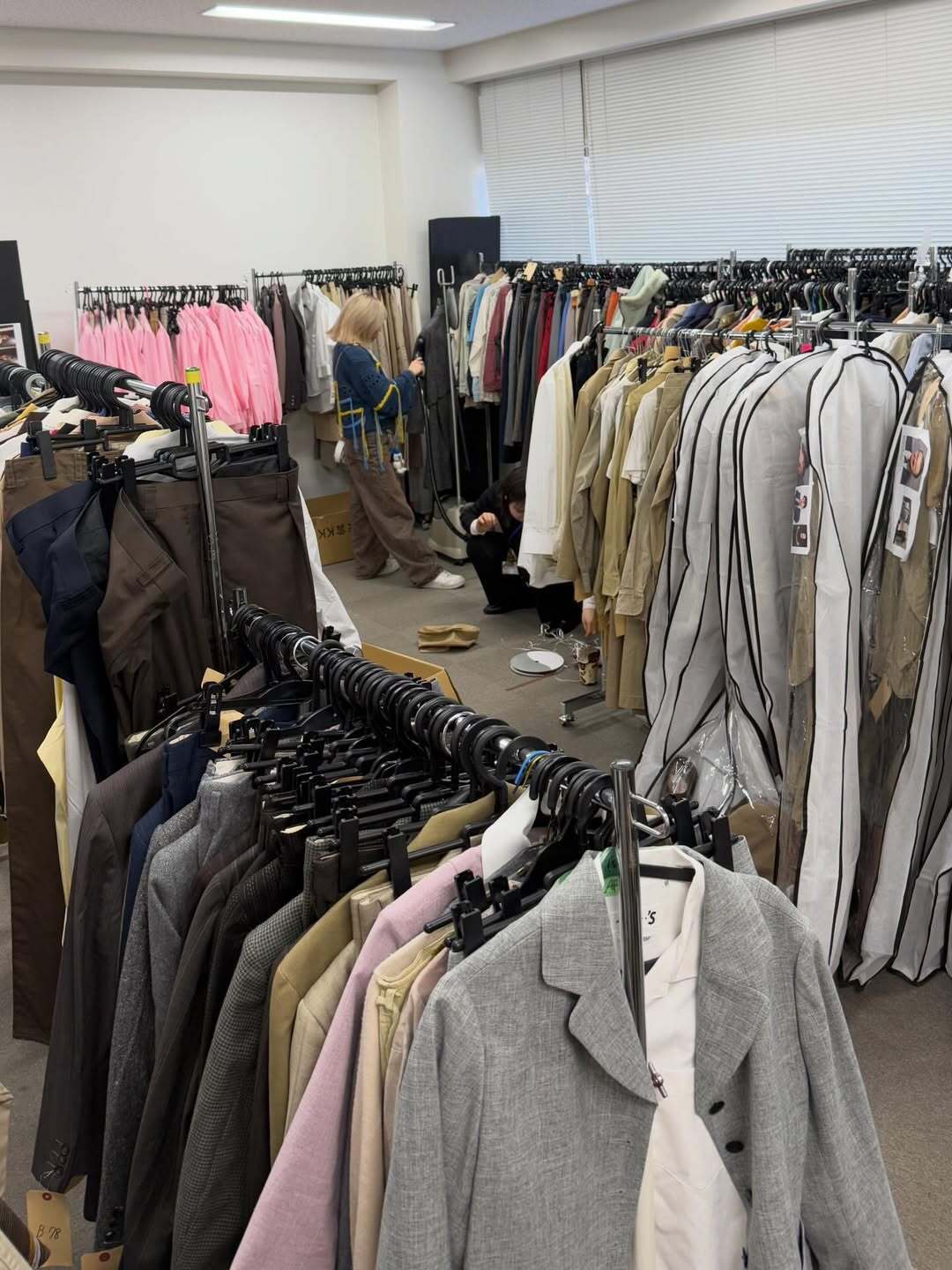
Miyako’s affinity for costume design is what ultimately earned her an Oscar nomination – a first. While Miyako didn’t take home an Oscar this year (we very much doubt this will be her first and only nom), the past year has been huge for the artform, with costume designers getting the recognition they deserve.
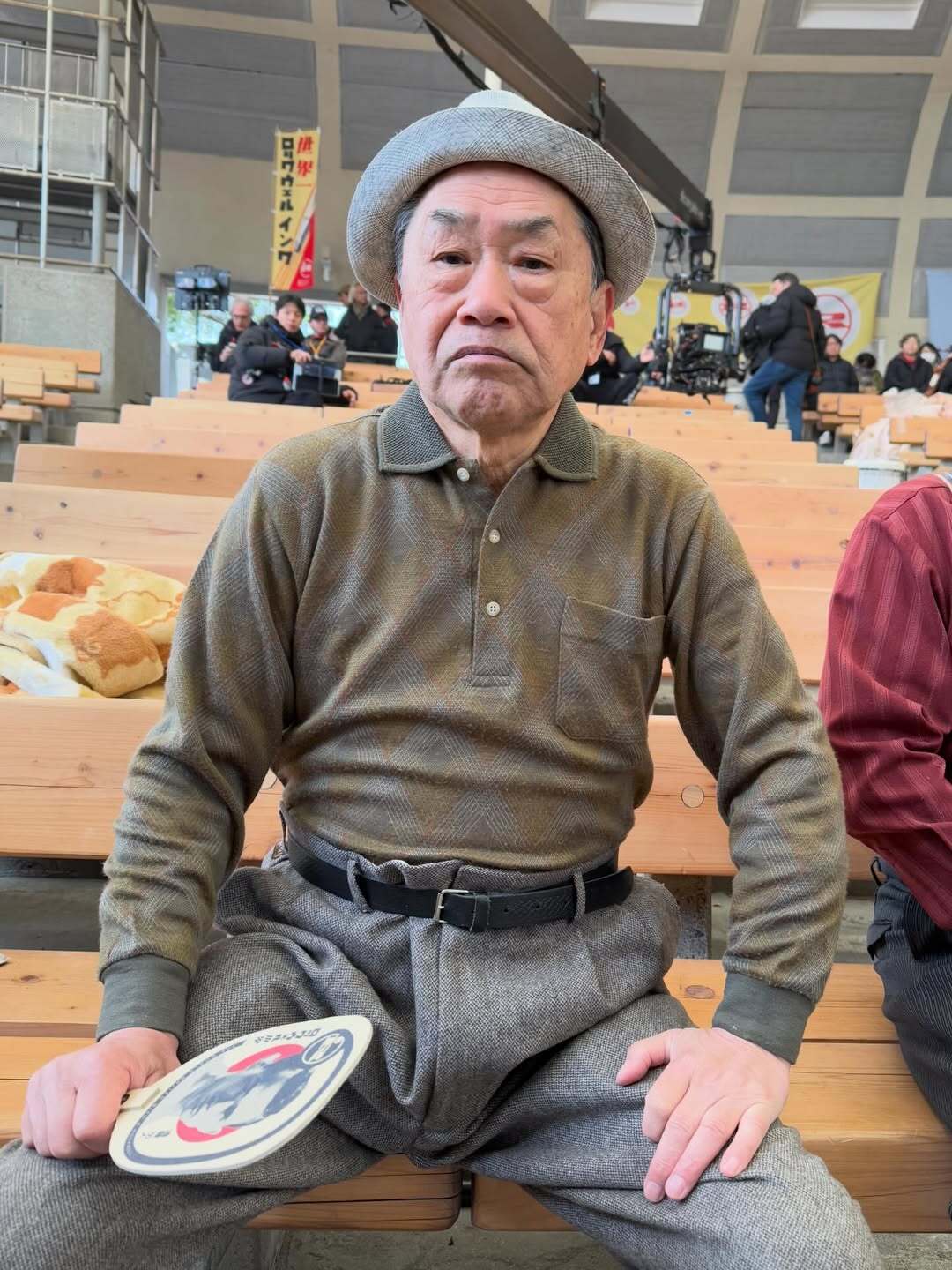
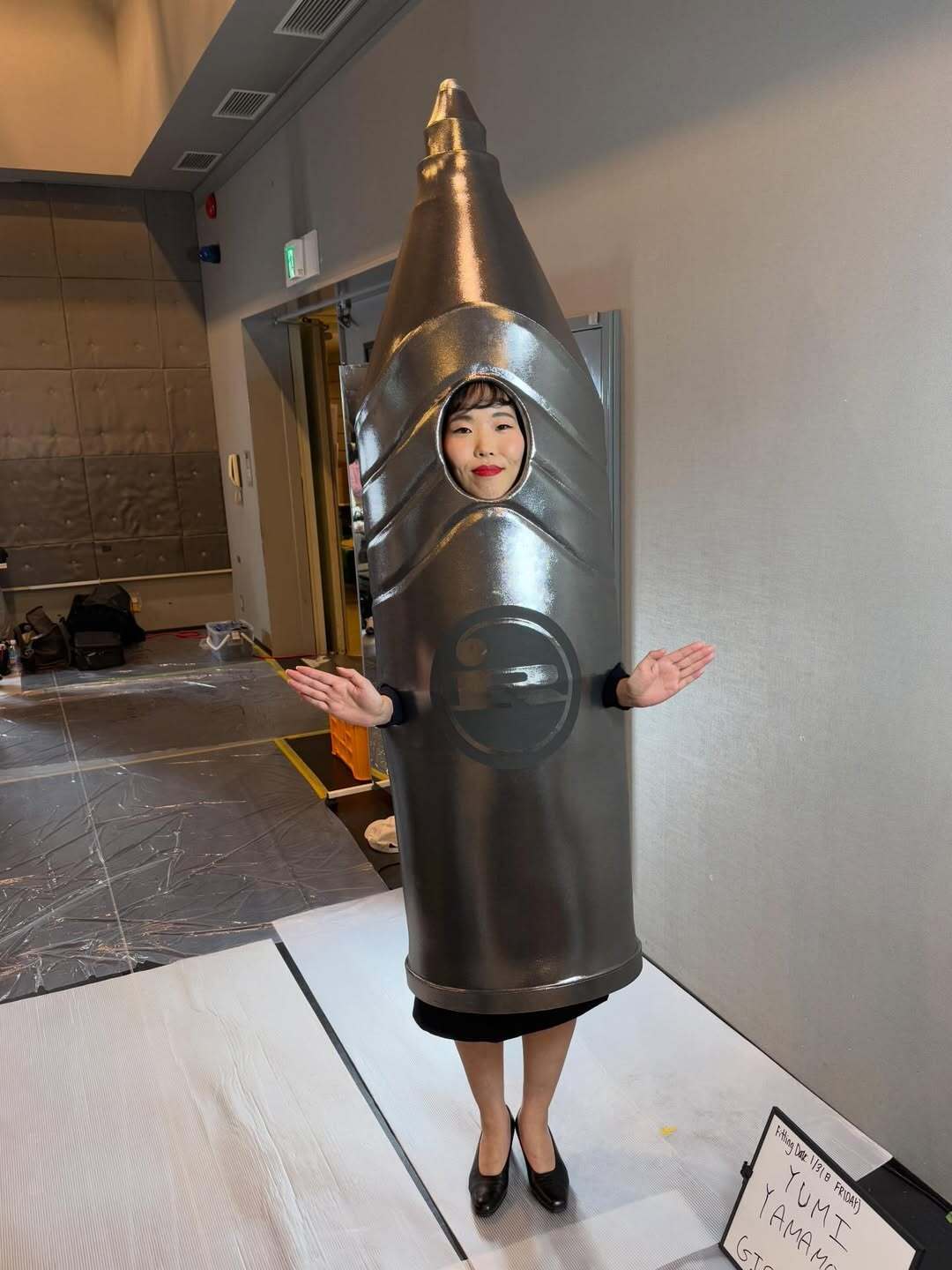
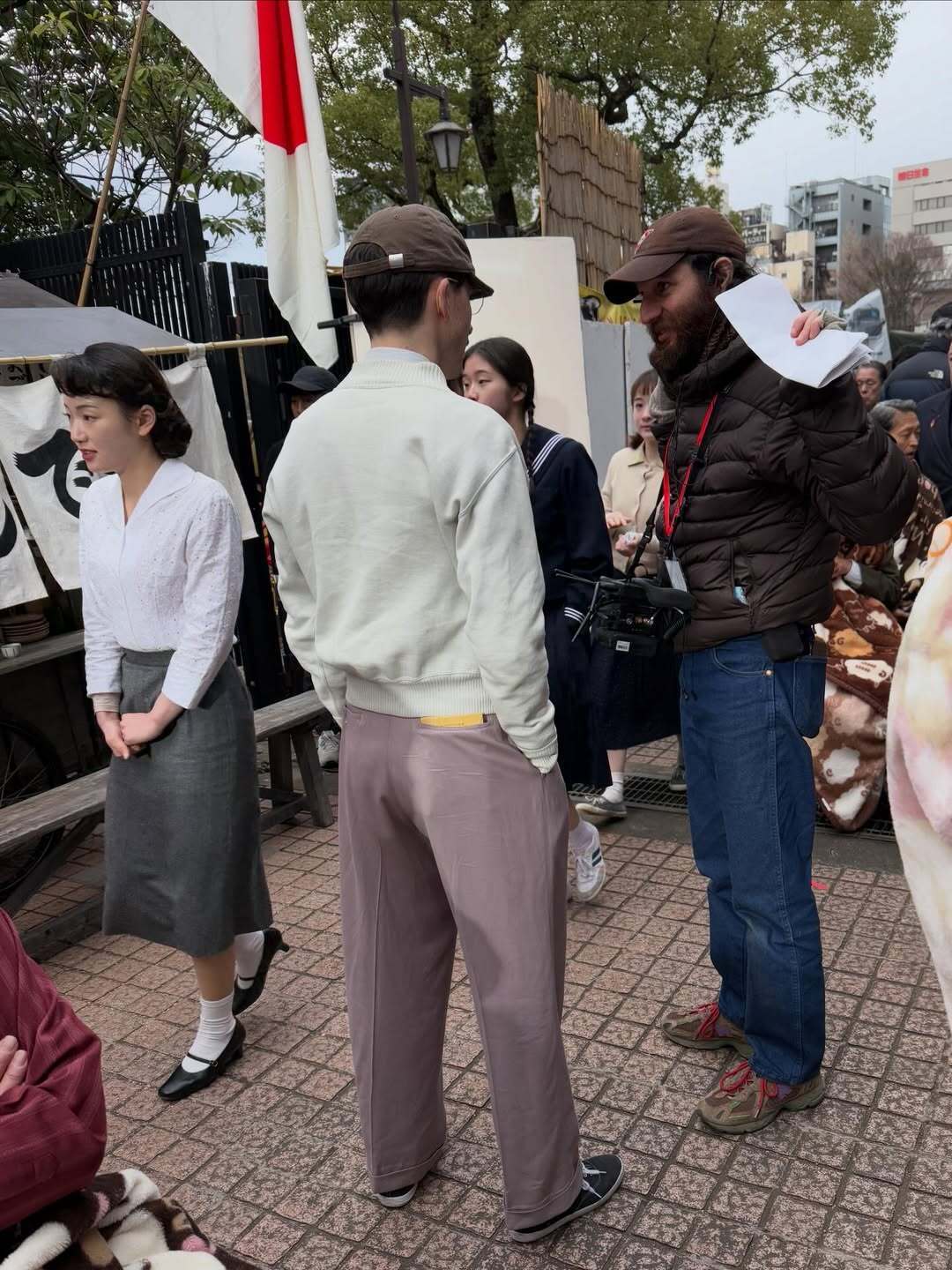
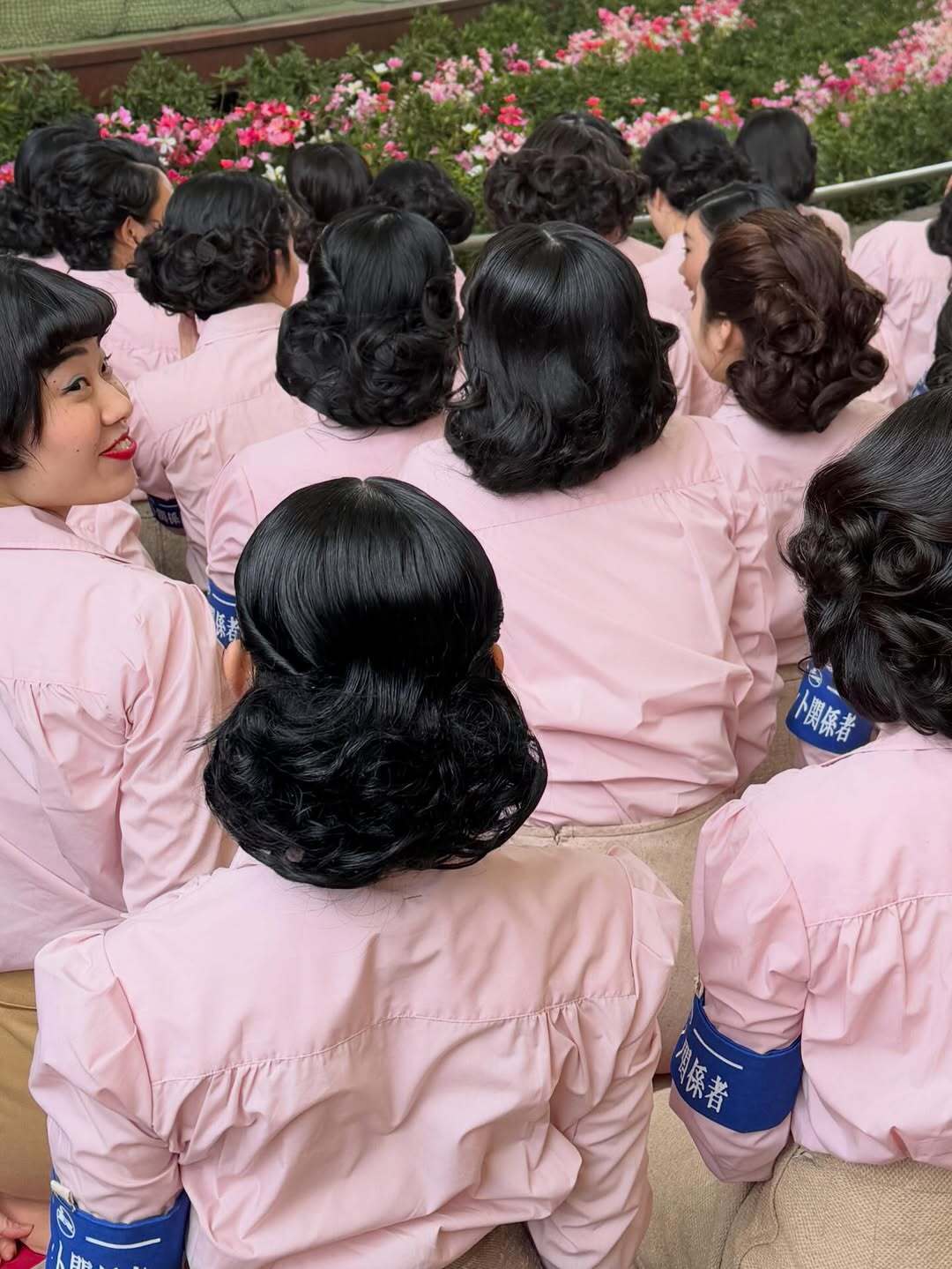
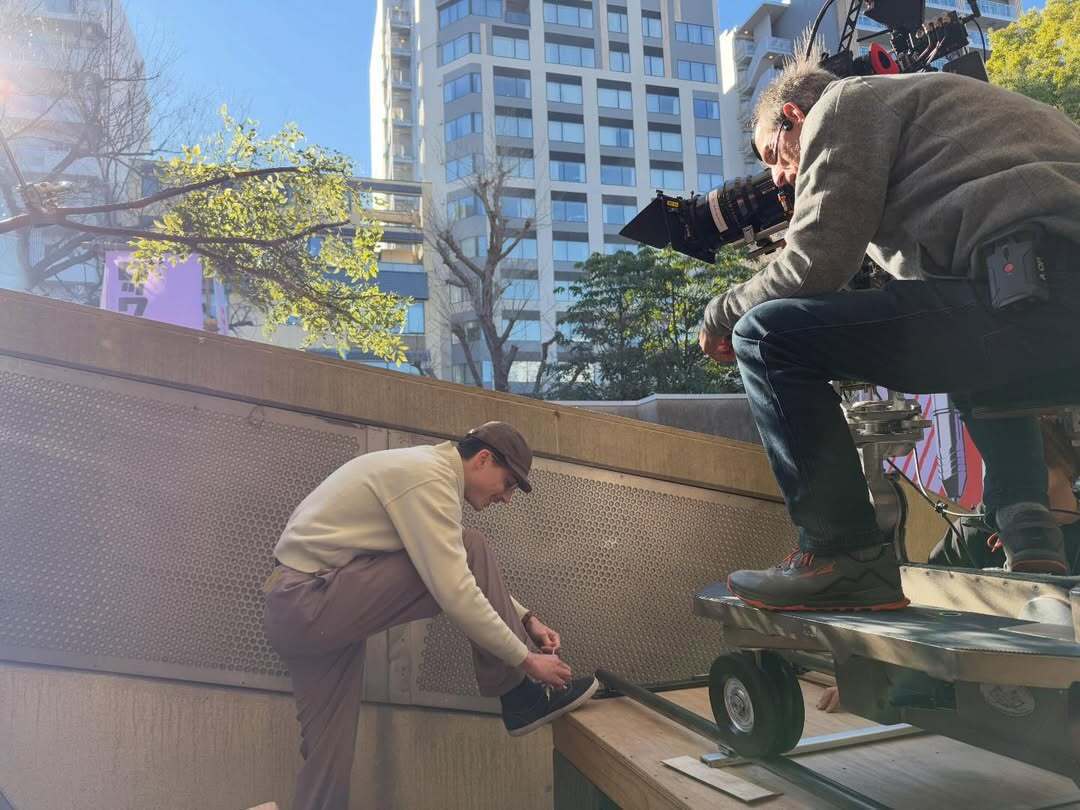
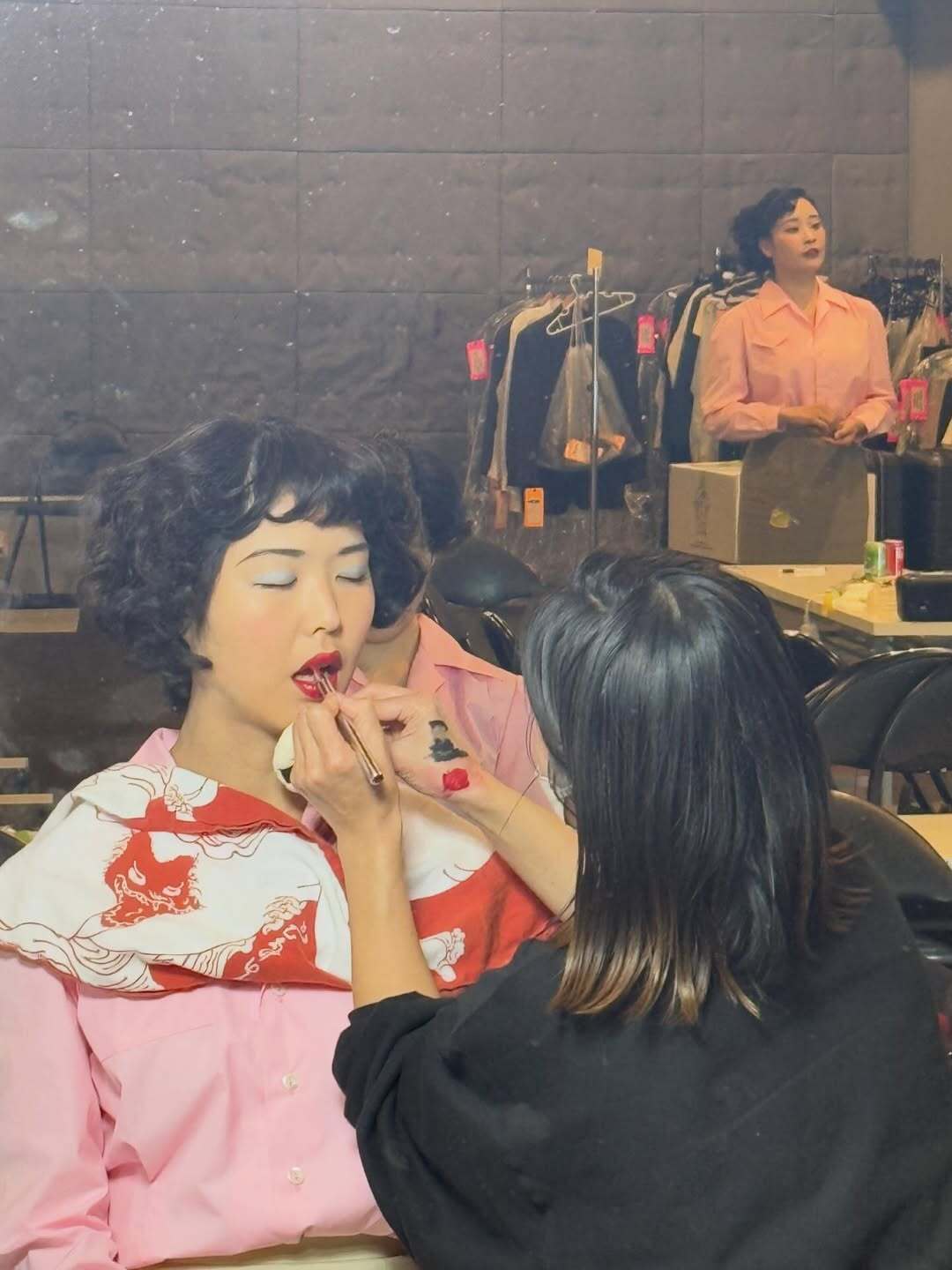
Speaking to her, it’s clear that when it comes to her work, nothing is done by halves. There’s a precision, innate coolness and excitement to her approach, like the contrast on an image has been dialled all the way up. Her costume design lingers in the mind long after the credits roll – something that’s particularly palpable while watching Marty Supreme. For that film, Miyako spent months collecting issues of Life magazine from 1952, scanning her favorite photos from books and studying the work of New York crime photographer Weegee, who often snapped people outside of the scene (one of his photos influenced Marty’s mother’s nightclothes). Miyako ended up working on costumes for over 50 cast members.
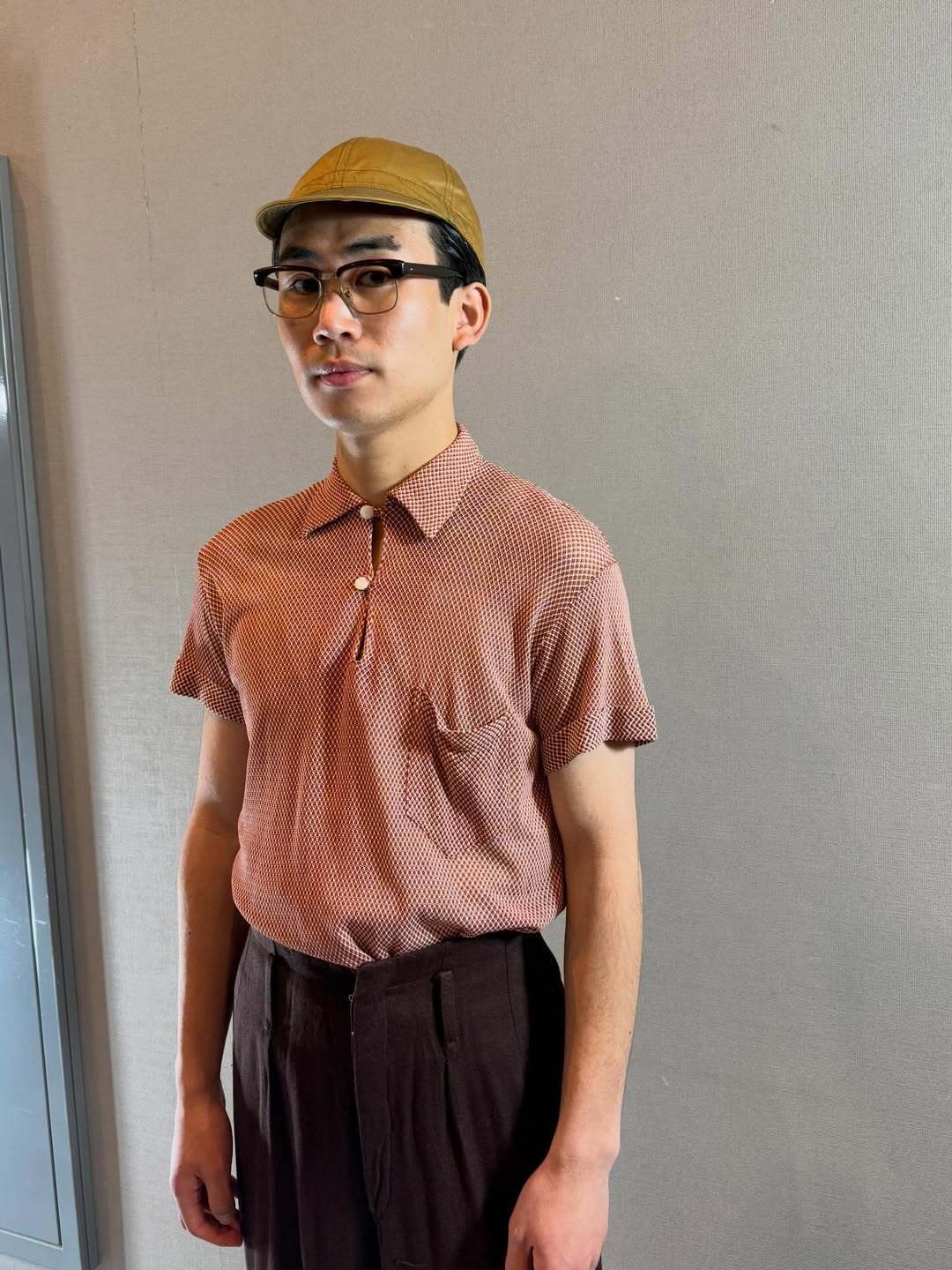
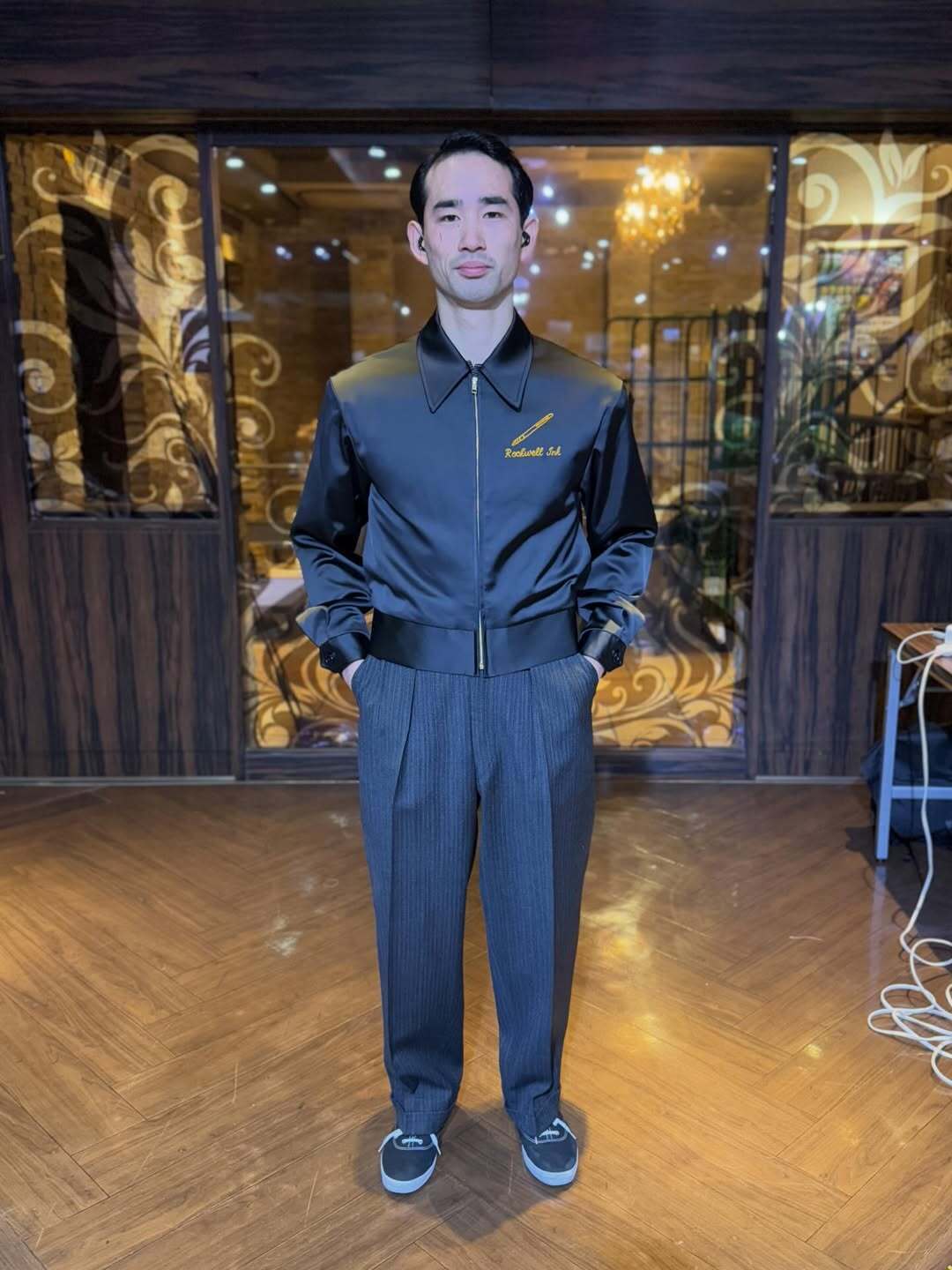
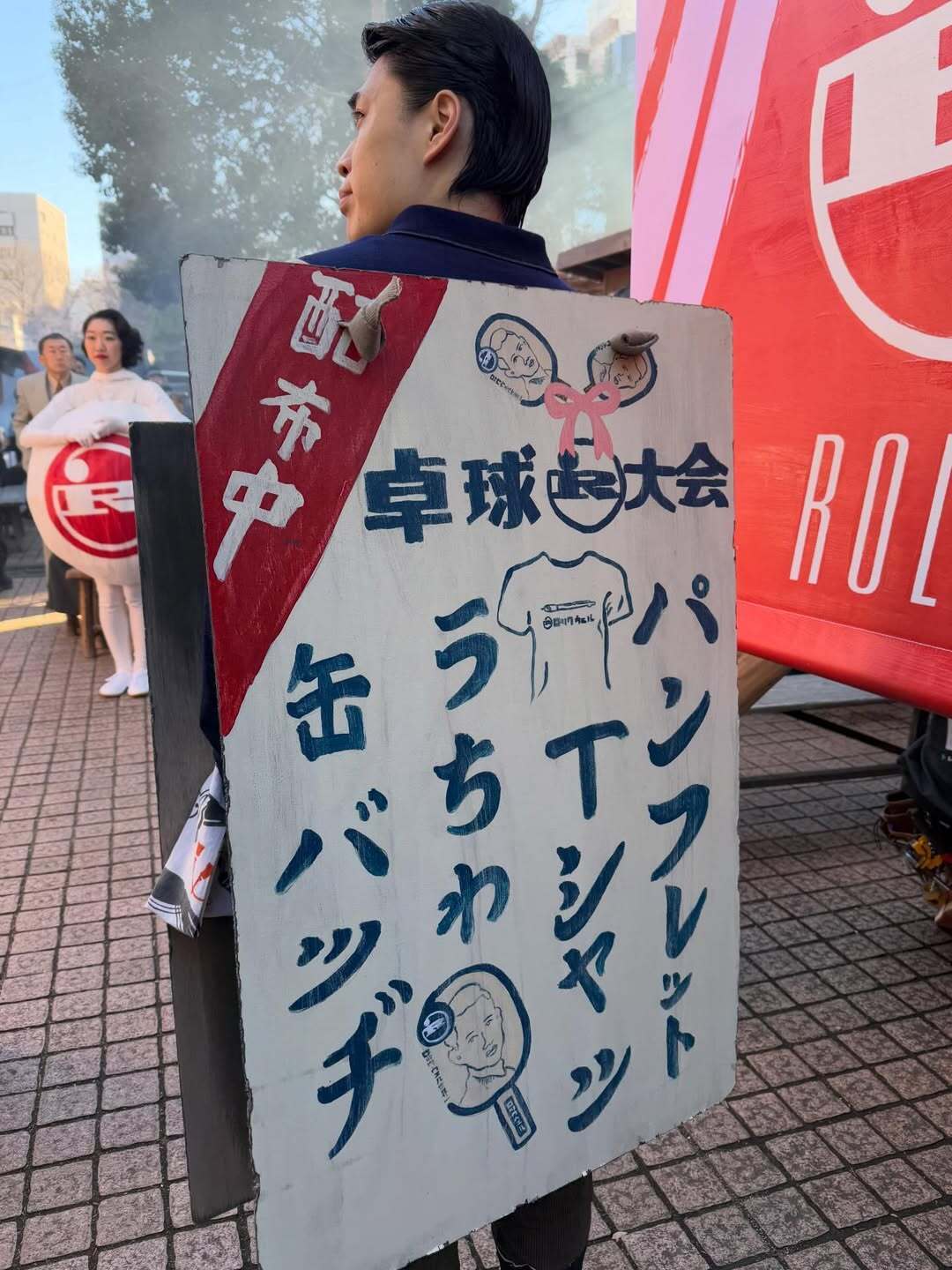
Her period-accurate portrayals are transfixing, from Marty’s (Timothée Chalamet) suave, zoot suits and leather carmine-red gloves (a happy accident during a fitting) to Kay’s (Gwyneth Paltrow) sophisticated, bejewelled wardrobe.
As the dust settles on this long awards season, Miyako has shown a new generation that clothing can be transformative outside the typical fashion-to-stylist or designer pipeline. Regardless of what she does next, Miyako Bellizzi is in a lane of her own.


It’s been an intense year to say the least, but let’s go back a little. 2016 short As You Are was your first real taste of costume design. What was that like?
That was kind of my film school. My best friend asked if I wanted to do a movie with her upstate and it featured Amandla [Stenberg], who was 15 at the time, and Charlie Heaton, who’s huge now. The film was [set in] ’92 and I was trying to find all these early ’90s skate clothes and thrifting – there wasn’t a big budget – but we just made stuff work. It felt like summer camp – every day we’d have breakfast together, make dinner together, and hang out all day.
Dance kickstarted your obsession with costume and appreciation of traditional designs. How else was your interest in clothes and character-building shaped?
I was always interested in fashion, but I was especially interested in the cultural aspects and the history behind stuff. My Japanese grandma was from New York, and she had all these old clothes that she didn’t want anymore. A lot of women in my family moved to New York in the ’50s – my grandmother’s sisters were seamstresses and I think about their experience. That was always interesting to me and it’s where it all started.
Let’s talk about Marty Supreme. How were you able to distinguish each character’s wardrobe?
I first met Timmy and Tyler [the Creator] while we were shooting Uncut Gems. We didn’t really have a story and Marty didn’t really exist yet. But I remember during Covid, when Josh first told me that the film would be set in the 1950s, I started thinking about it a lot. I remember trying to understand 1952 as a whole in the world, because we shoot in London, Paris, Japan – all over.
I met up with Timmy a few months before prep started and he had just finished at A Complete Unknown, so it was hard for me to transition him into Marty, I couldn’t see it. But we would go to rental houses in LA and pull a bunch of stuff; we did a few fittings with him to see what shapes looked good, what colours. You have this general knowledge of the research, and then you meet the cast, and it was probably the fourth fitting that I felt like, okay, I understand who Timmy is as a human, his personal self, and how it informs his character.
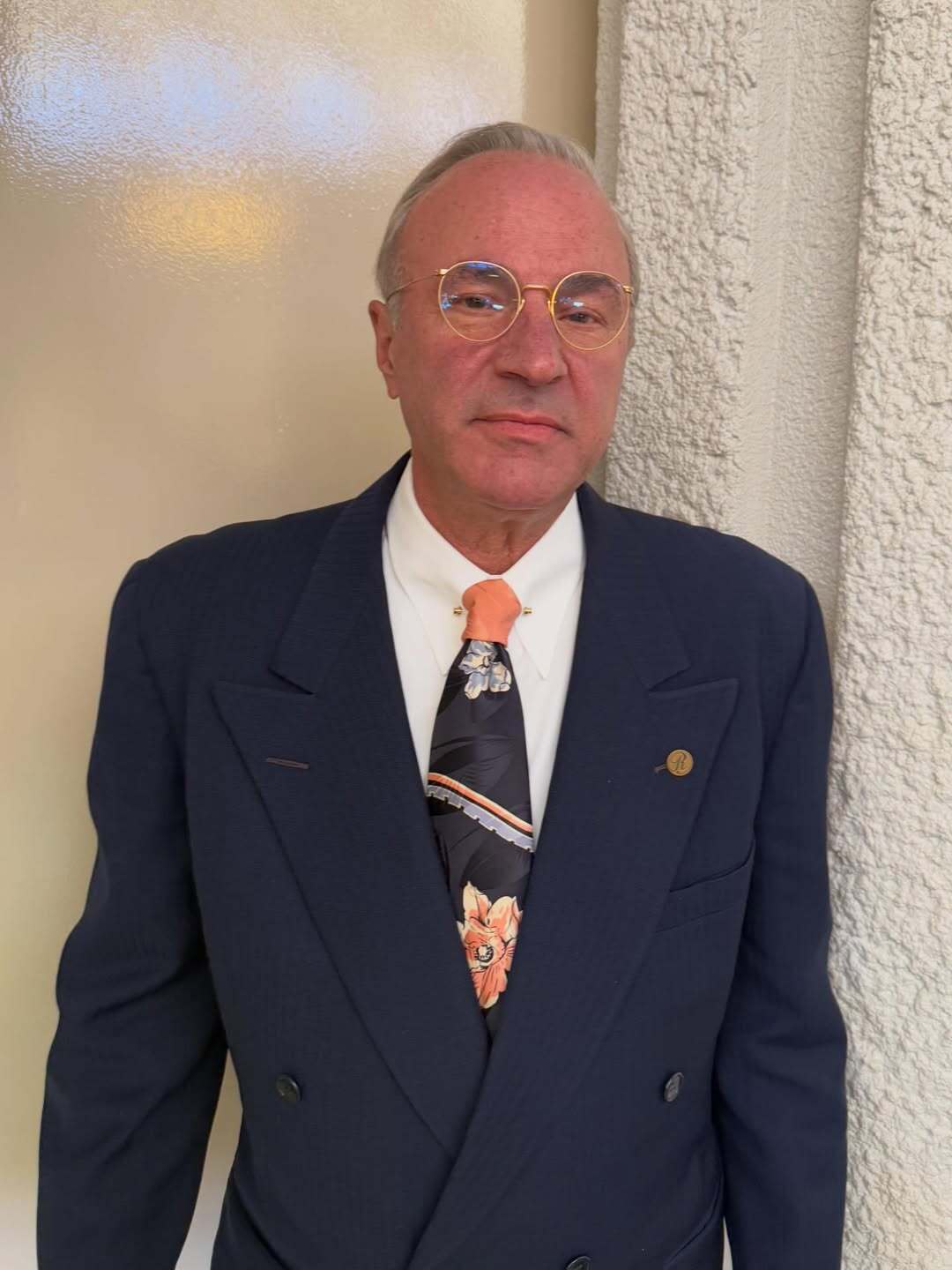
With Odessa’s [character, Rachel], we thought: maybe she’s just in outfits that don’t fit her? Maybe the idea is that she wears hand-me-down’s from someone else and oversized men’s shirts, because she doesn’t care and because she makes like, $1,200. Kevin O’Leary [Milton Rockwell in Marty] loves collecting vintage jewellery. He collects real gold vintage cufflinks and had vintage Cartier ones that we couldn’t afford for the movie, so he brought them.


This past year has felt quite monumental for costume designers. From your work on Marty to the discourse around Wuthering Heights and a designer like Jonathan Anderson turning his hand to costume design. How does that feel?
It’s really important and cool. I was talking to another nominee a few days ago [about this], and for the older generation, they never had the notoriety. There’s incredible costume designers Mark Bridges, Arianne Phillips, Sandy Powell… I don’t want to say it was undervalued, but I feel like people didn’t ever really see it as more than a job.
You have an incredible sense of personal style and you bring that to your work. How much of that is learned? Or is it just instinctive?
It’s a combination of both. Being mixed and from two different cultures has informed who I am as a person – always feeling like I need to have a combination of multiple things to be myself. Now, I feel like there’s a new generation [of costume designers] coming up and it’s exciting. Hopefully I inspire people to want to do this – I don’t think there’s been another Japanese person nominated in maybe 30 or 40 years.
A lot of my peers are twice my age, they’re legends and have been working for 50 years. Of course Ruth E. Carter’s up for an Oscar! She’s a woman of colour, and I think it’s so important to have that type of visibility.
What era of fashion are you most referencing or going back to in your personal wardrobe?
I’m a big like, ’80s-does-the-’40s Mugler, Norma Kamali kind of girl. I’ve been looking for more Galliano-era Dior, because he did ’30s Hollywood glam but reimagined it in the ’90s. I think when designers reference other historic eras, that’s what interests me. In Angel, North London, there’s this back alleyway and this eccentric, kooky woman has a shop that sells lots of ’40s skirt suits. I bought my favourite vintage house dress from her the last time I was in London.
So, what’s next?
It’s been a year since we wrapped Marty Supreme, and I’ve been having a really hard time trying to figure out what to do after I just did my dream movie. I’m waiting for the next inspiring thing to come my way…

