
Last Days reinvents what an opera looks, sounds and feels like

An adaptation of Gus Van Sant’s 2005 film, this transgressive opera is loosely based on Kurt Cobain’s final days and seeks to dismantle who (or what) we think of as “idols”.
Culture
Words: Billy Parker
Last Days, an opera composed by Oliver Leith with libretto and direction by Matt Copson, has returned to the Royal Opera House after a three year hiatus. I saw one of its original four sell-out performances when it premiered back in 2022 – it came as a destabilising shock to the desolate landscape of British theatre and left a haunting taste in my mouth.
I was perched in the gods of the ROH’s Linbury Theatre, swigging a smuggled bottle of wine. On stage, a DHL courier dressed in Demna-era Balenciaga struggled to deliver endless guitars to a Kurt Cobain lookalike hiding in a cupboard (Demna designed original costumes for the original show). An adaptation of Gus Van Sant’s 2005 film of the same name, Last Days chronicles the final moments of fictionalised musician Blake, played by What It Feels Like for a Girl actor Jake Dunn (originally, the role was played by French actress Agathe Rousselle) as he approaches his imminent suicide. Now back for a full run until 3rd January, I went back gasping for more.
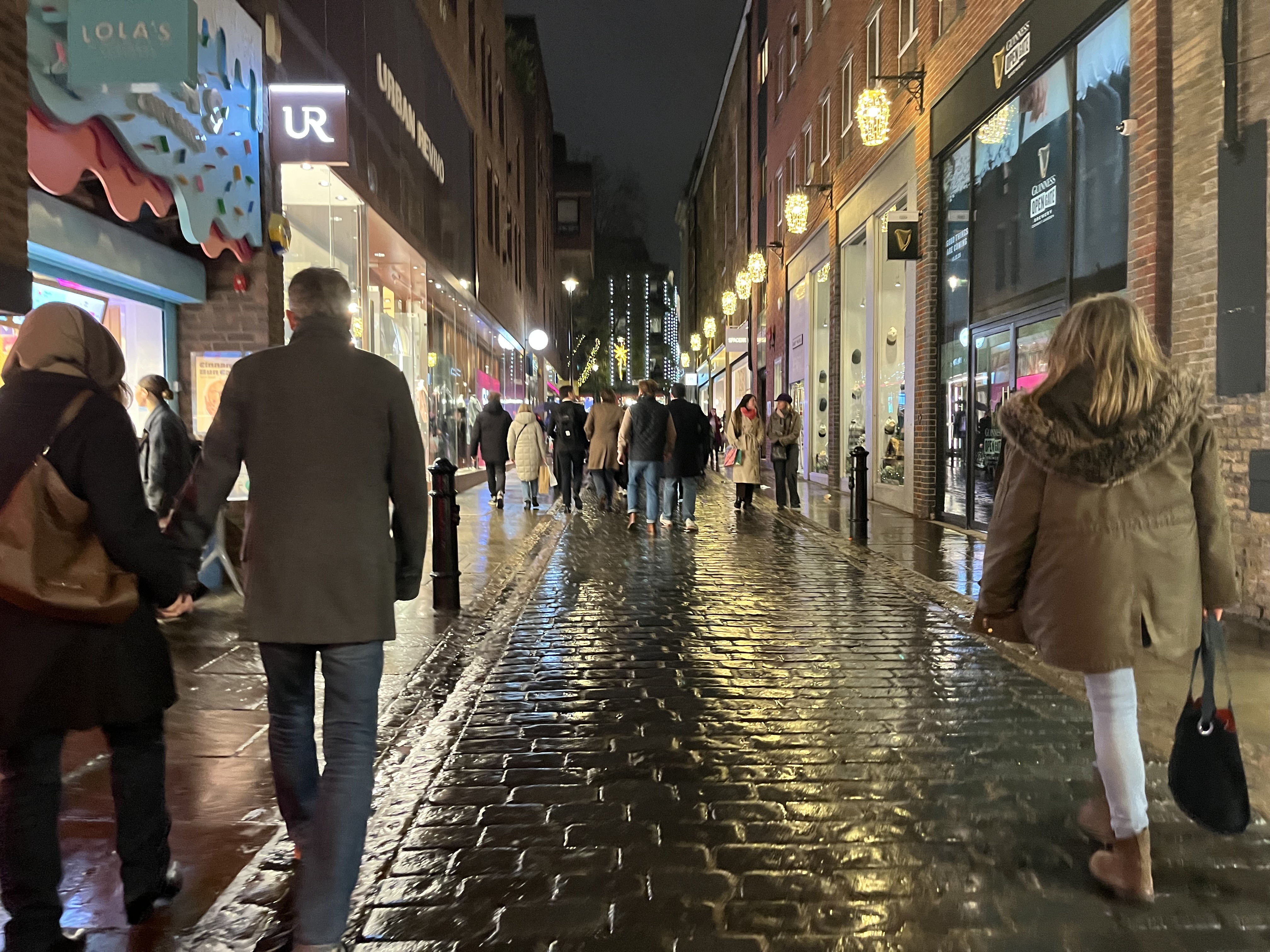
I did what every good boy does before the opera and drank too much red wine. I lost track of time and skiddled across Covent Garden’s cobbled streets, under a gloomy winter drizzle. Stomach spinning, lungs burning, eight sacred words flashed through my mind: in the rain, the pavement shines like silver.
I arrived to a lone theatregoer’s nightmare: my most recent crush, hand-in-hand with someone else. Well, where better to indulge in a little heartache than at the opera? Flustered, I lapped around the foyer, chugging water, searching for a familiar face. I settled for an elderly woman in sunglasses, draped in pink fur. Not a talker, unfortunately. I opted for chain smoking outside instead, waiting for the show to begin.
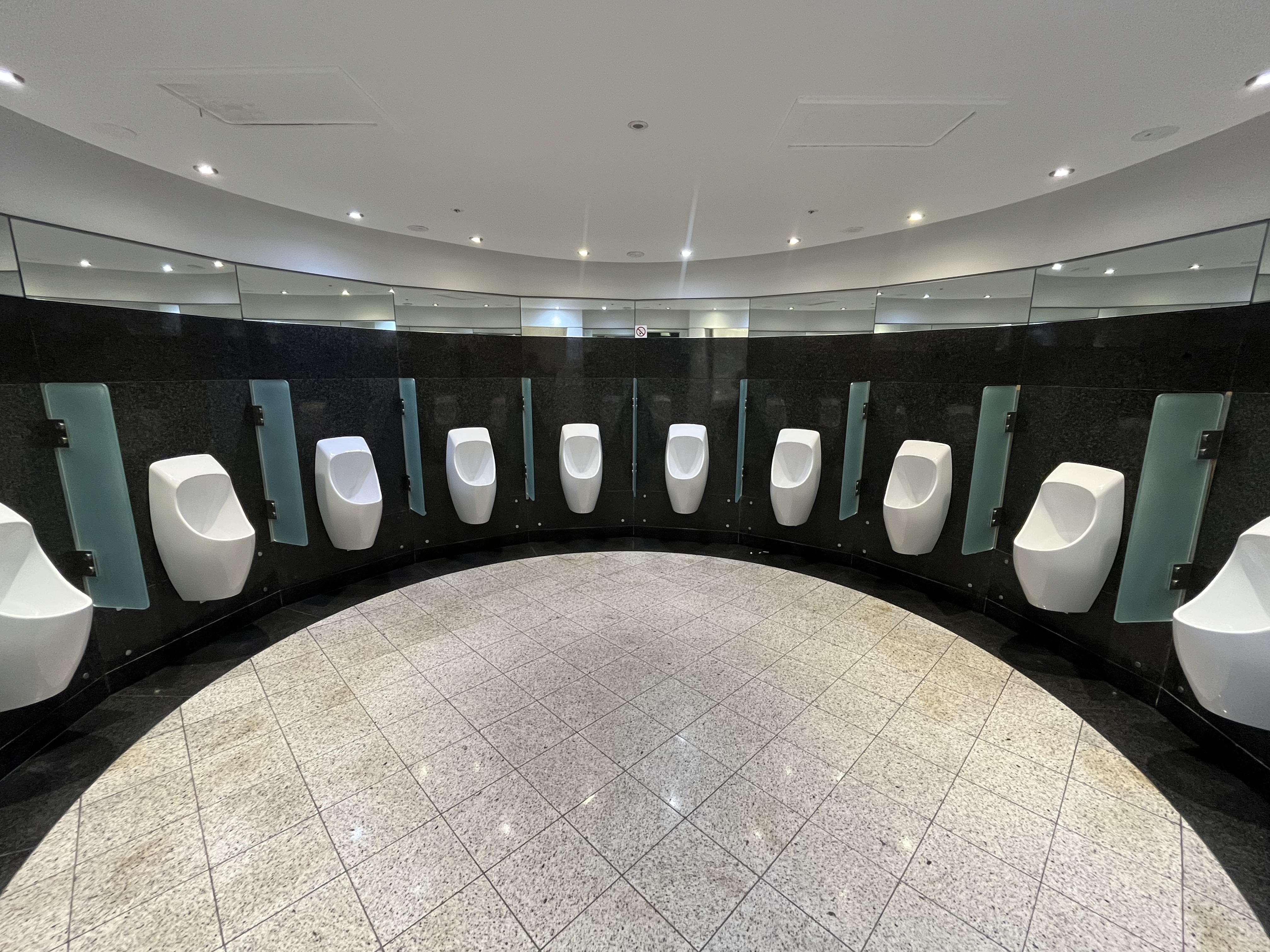
I heard a familiar voice. Amelia Dimoldenberg. At our last meeting I failed to recognise her and forced her to tell me she was the girl from Chicken Shop Date. Embarrassed, I slowly pivoted into the corner, disappearing into plumes of smoke. Saved by the ringing of the usher bells, I rushed inside to my seat. The Royal Opera House descends into Stratford Westfield-on-Christmas-Eve level chaos in the three minutes before the curtain lifts. With my mind focused on avoiding obstacles (people), I realised I’d forgotten to go for a wee. The auditorium lights dwindled as my bladder throbbed, and I wondered, is visceral overstimming at the opera… hot?


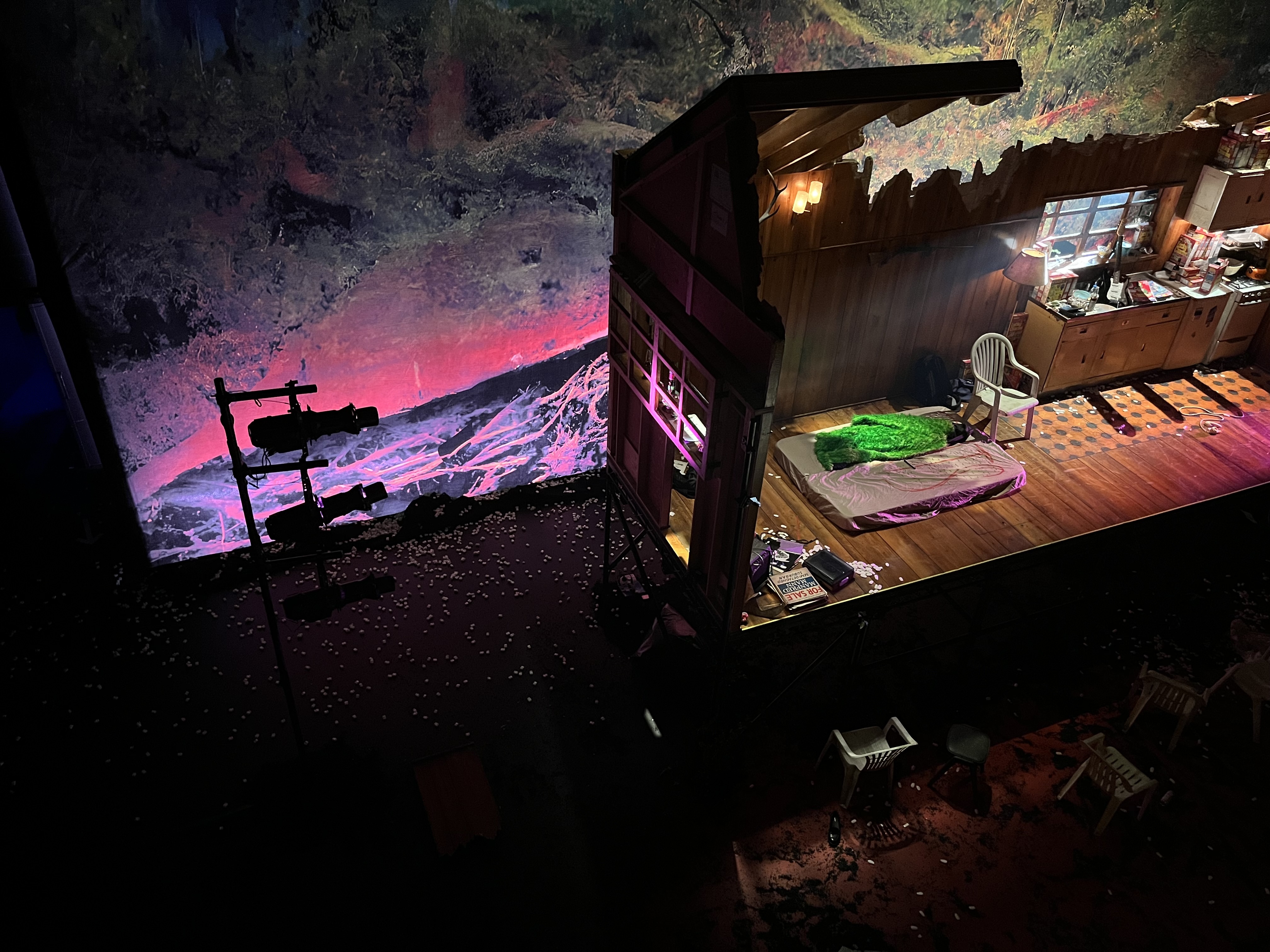
From its earliest moments, the show blended hope and serenity with death and despair. It began with gentle birdsong cut with awkward steel drums. The set, designed by Grace Smart, was slowly illuminated: a stilted, rotting cabin looming against an acid forest backdrop. A shotgun hung imposingly on the wall next to a deer’s head and upturned mattress. Everything was drenched in a mossy grunge.
Last Days is sung by a strange cast of characters. Blake is mute apart from a few inaudible mumbles: “No more. Just, no more”. On occasions the show mimics classical opera, like in Caroline Polachek’s piercing, pre-recorded aria Non Voglio Mai Vedere Il Sole Tramontare. On others, it descends into something purely auditory: a sonic version of staring into a fire, crackling and hot, forming hallucinatory shapes before returning to the earth. Anything and everything was used to make music – clinking bottles, air raid sirens, cereal, bells, whistles and bags – as if the trash that littered the stage was producing the score.
“Oliver’s compositions have a swampy, sludgy quality to them,” Copson says. “I’m more visceral and colourful. We knew that was an interesting combination and wanted to make something about the meeting of banality and magic.”
There is no tragic arc to this opera. No hero’s story. As a society, we select idols and worship them to their deaths. Here, Copson and Leith show the lingering moments of the idol’s destruction – Kurt Cobain has been hollowed out and used as a shell to represent that. We might as well be watching Whitney Houston taking drugs in the bath that drowned her. Or Amy Winehouse drinking herself to death while watching videos of her own performances. “I’m trying to dismantle the symbol of the idol, and the desire [for us] to want to see that. There are symbols everywhere. What do we do with them all? They weigh us down,” says Copson. Inescapable fate is the backbone of all tragedy, but that structure is usually found in the protagonist’s fight against it. In Last Days, there is no fight. Blake succumbs to death. Nothing really happens to him.
This narrative-nothingness becomes a playground for Leith and Copson. The outcome is an opera full of unrelenting detail which finds its structure in symbolism. “I’m trying to avoid psychologising, which is the pursuit of most theatre,” Copson says. He reminds me of playwright and theorist Antonin Artaud, who believed that “psychological” Western theatre was too caught up with forcing people to think, rather than feel. Instead, he believed in a ritual, primitive theatre where visceral sound, gesture and symbol combine to assault the senses.
“I think the end goal of any artwork is pure abstraction. That’s the dream space to get to. To land on an emotionally resonant but unsure moment told only through the mechanics of the stage,” Copson continues.


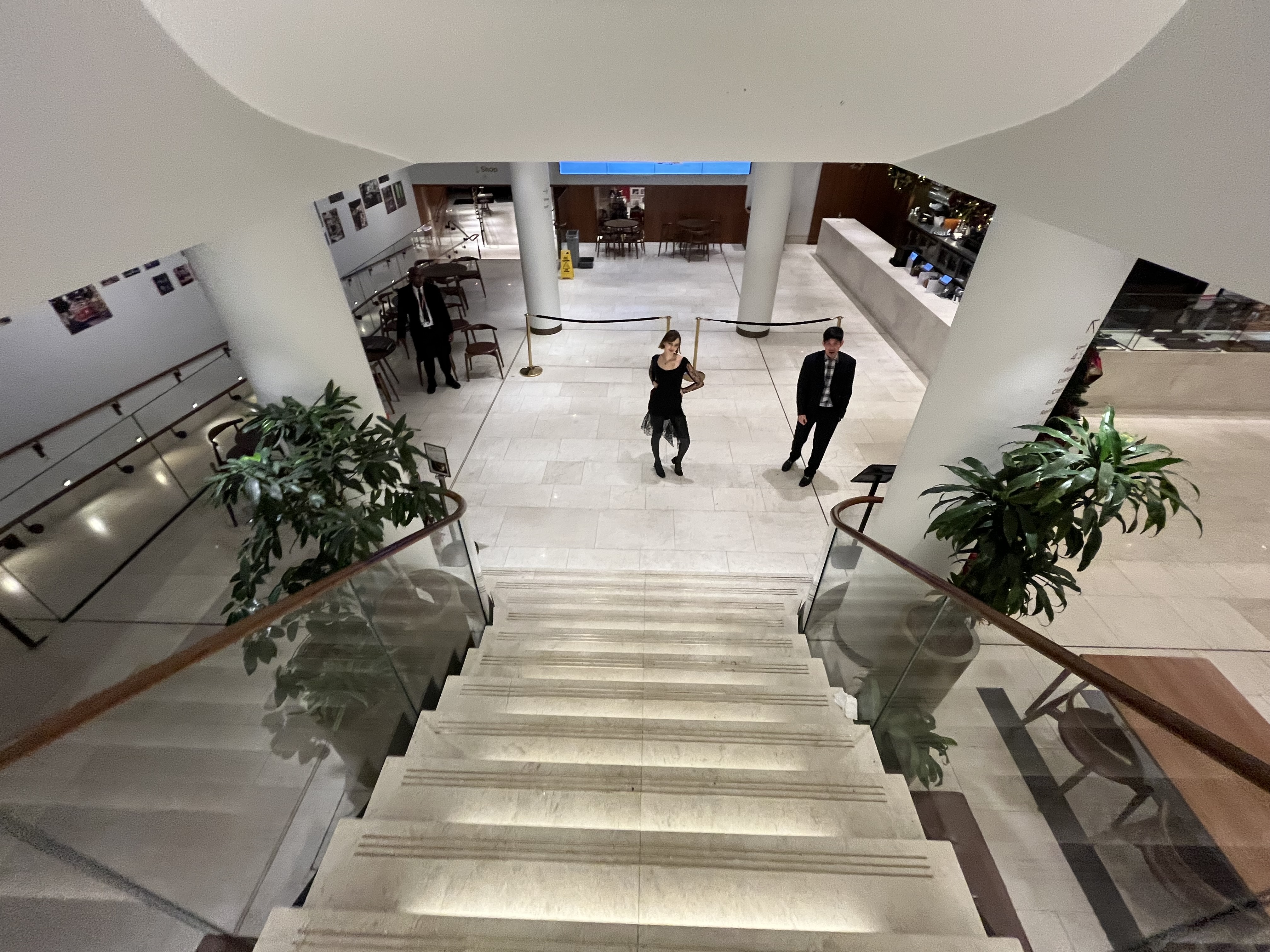
Post-show, I broke yet another opera rule and got plastered on champagne at the afterparty. Hosted in the glass domed Paul Hamlyn Hall, the room was speckled with stars: the aforementioned Amelia Dimz, Alexa Chung, Caroline Polachek, Nicola Coughlan, Antony Gormley, Florence Welch, Ezra Koenig and mute protagonist Jake Dunn. After a few laps (and possibly a few bottles) my brain bubbled away and I found myself yapping to the head of Mubi. I drifted in and out of consciousness and caught words falling out of my mouth. “The last time I met Alexa Chung I ignored her after noticing her shoes were three sizes too big!” My social cache had crumbled like a wet tissue. It was time for my exit.
Tragedy is an elusive being. History has condemned it to grand structures and the theatre has become stuck in the shit of its own past. Tragedy can exist in the smallest occurrences. An ignored declaration. Your favourite jumper shrunk in the wash. Losing your lighter when you’re desperate for a cigarette. Under the right conditions, a snail crushed under a shoe can bring a grown man to tears.
Last Days is an exercise in dismantling tragedy. Opera is the alchemy of art – the meeting of all the artistic disciplines – and Leith and Copson have mastered its power. “Theatre is never as radical as I want it to be. It holds so much potential as an idea. More potential than anything else because of its liveness and its ability to break down or be at the edge of something,” Copson says.
Just as rain can turn tarmac to silver, Last Days transforms the harrowing account of a suicide into something otherworldly. The opera has a funny way of giving you lemons and making lemonade. An overfull bladder, the resurgence of heartache, and a fat smack of theatrical catharsis. Last Days is a stark lesson to the industry: we need more artists in the theatre please! Curtain.

