
Liz Johnson-Artur wants to keep you in good company

© Liz Johnson Artur
The cult photographer’s latest book collates over a decade’s worth of her personal workbooks into a moving project which, unlike much of the AI slop clogging up our feeds, vibrates with life.
Culture
Words: Dalia Al-Dujaili
Liz Johnson Artur’s latest book, I Will Keep You in Good Company, was never really intended to be published. It collates the legendary photographer’s sketchbooks which, she tells me over the phone from her home in South London, “never leave my side. They are my workbooks. They’re places where I keep ideas, so it was a process getting my head around actually publishing [these], because they were never made [for that].”
But when SPBH Editions, an imprint of cult publisher MACK approached her about finally releasing these precious, decades-old workbooks into the world, she decided to let the rest of us in to what is usually an incredibly intimate practice for Artur – who doesn’t usually accept visitors into her home studio, for privacy. The images inside the large, amalgamated work are scanned, painted on, torn, and duct taped.
One striking image shows the handwritten caption “WINIFRED BEACH” – as a group of young Black men pose in front of a truck, the image is printed, grainy, in black and white and stapled to lined paper. This is an exercise in “imperfecting” the image, a process which means destroying and then recreating, or defacing it in order to create an altogether new image. Another shows a young man standing in front of a brick wall, with blue ink and flowers printed on top. Other photographs are less artworks and more artefacts of documentation and memory, such as pasted family photos from Artur’s mother’s archive or memorabilia from travels.
Together, they bring together three decades of Artur’s photographic repertoire, made up from what is left behind after she prints images, experiments with them, and decides what to keep for shows, commissions and books. “I’m an analogue photographer, which means I print everything,” she says. “I use different ways of printing and I think that’s what the book kind of represents: my way of working.”


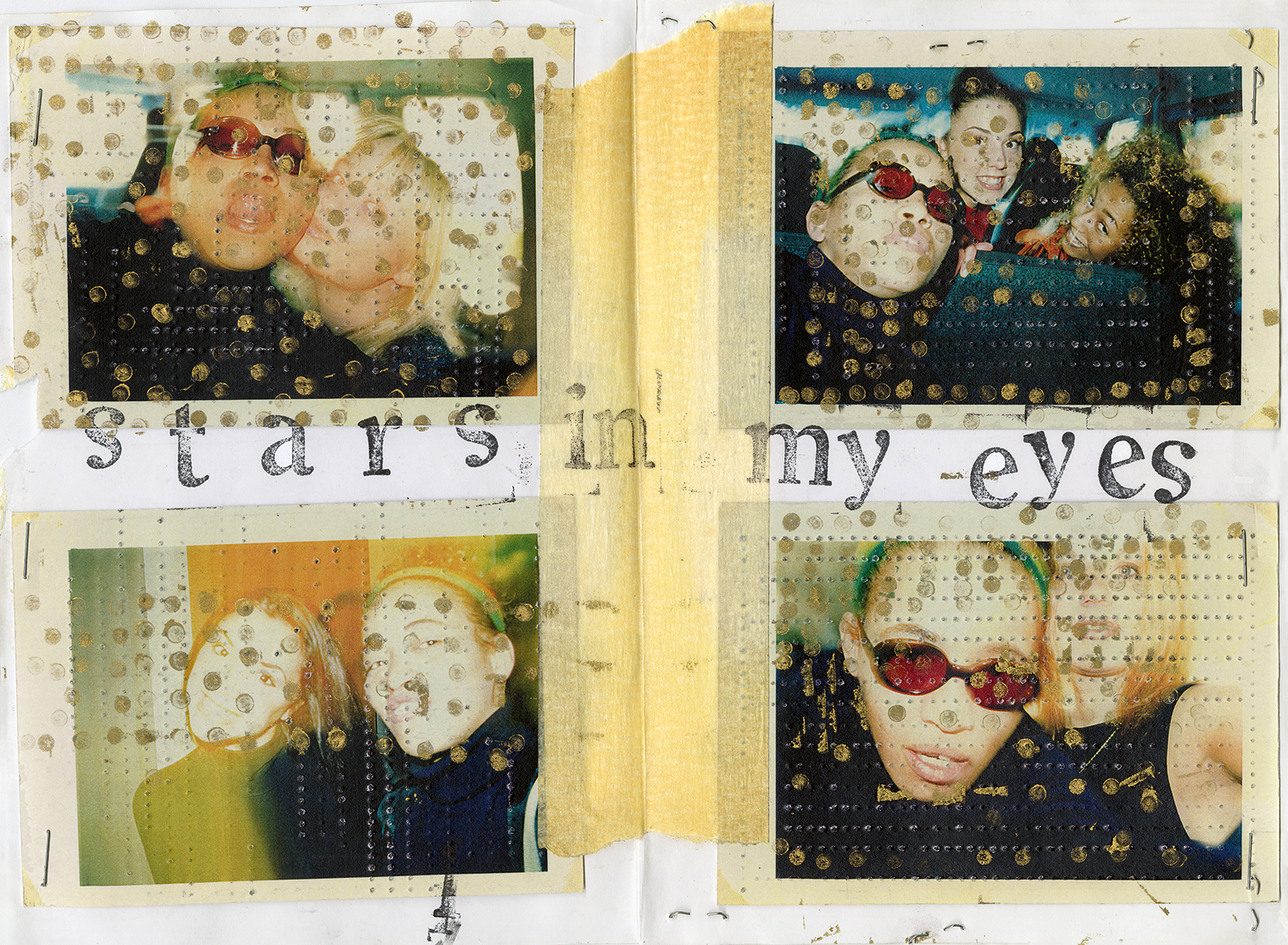
© Liz Johnson Artur
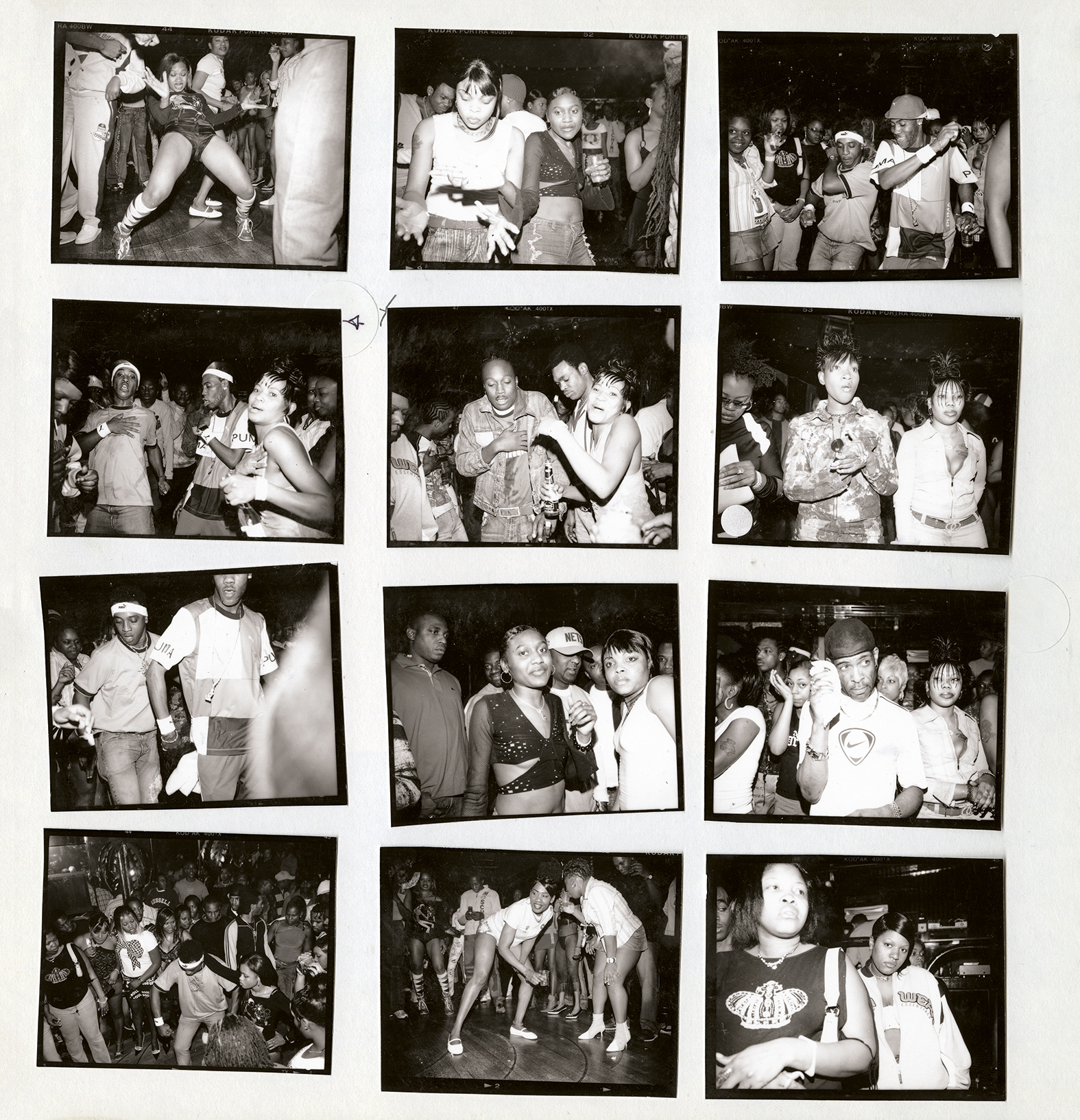
Liz Johnson Artur, I Will Keep You in Good Company (SPBH Editions /MACK, 2025). Courtesy of the artist, SPBH Editions, and MACK.
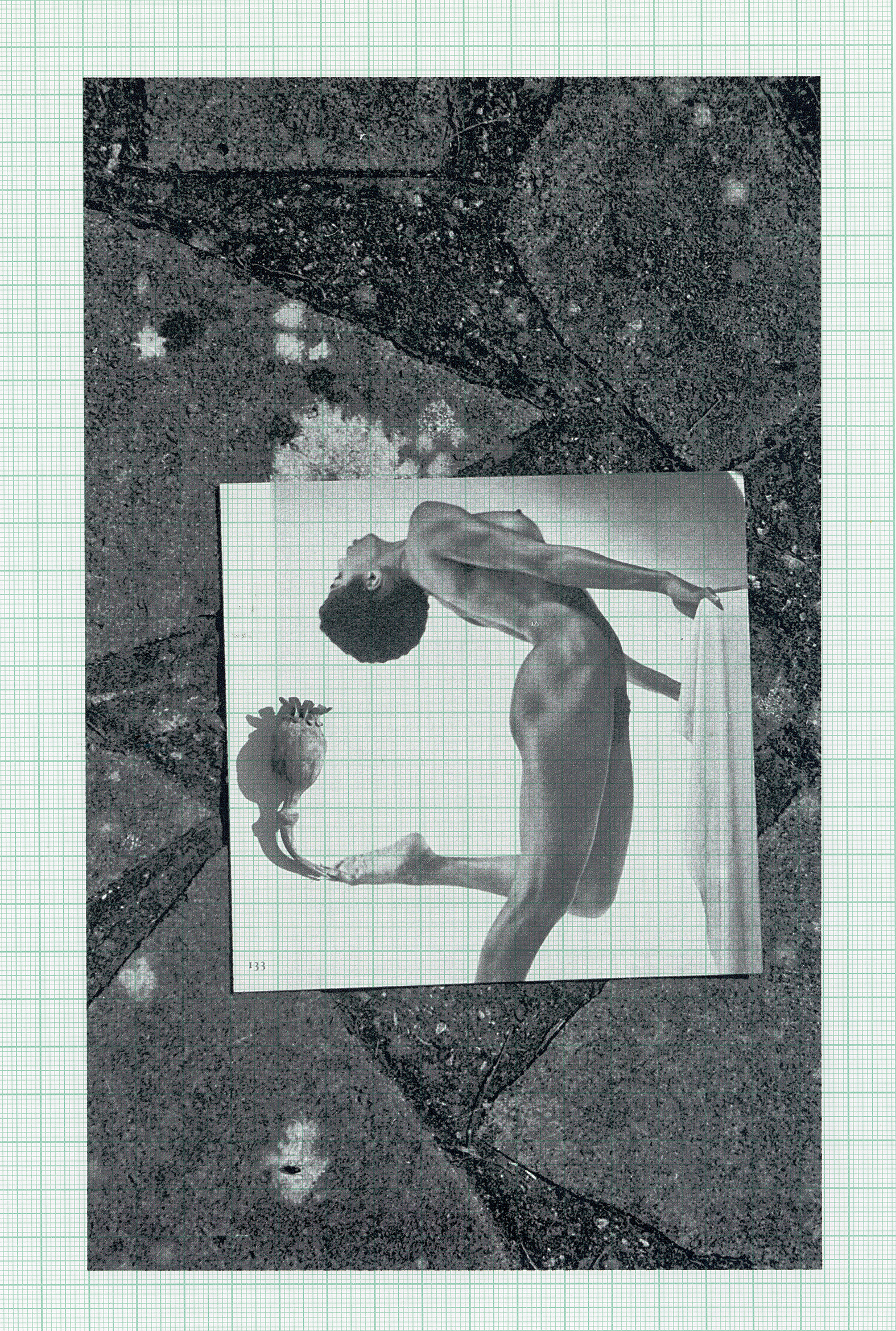
Liz Johnson Artur, I Will Keep You in Good Company (SPBH Editions /MACK, 2025). Courtesy of the artist, SPBH Editions, and MACK.
Artur and THE FACE first met in the mid-’90s, when she began shooting freelance for the magazine. In 1999, she shot Eminem in New York; beyond that, over the course of a long, accomplished career, she has photographed the likes of M.I.A, Amy Winehouse, Mos Def and the Spice Girls (though for other publications). It’s an impressive portfolio, but what Artur is most renowned for isn’t capturing celebrity culture. Rather, it’s for her work on and around the UK’s Black diaspora. I Will Keep You in Good Company crystallises that effort.
Artur was born to a Russian mother and Ghanaian father in Bulgaria, moving to Brixton in 1991 to study an MA at the Royal College of Art. It was in London that she found a connection to diasporic communities that were layered with intersecting cultures and backgrounds, igniting the spark of what would end up making her work so poignant and recognisable.
“Being in London exposed me to so many cultures – I don’t know how many are just in my block, where I live now,” she says. “I grew up in a very homogeneous society in Germany and I’ve learned to navigate that, but I’ve also learned that I’m not going to hide myself. I want people to know that they’re special.”


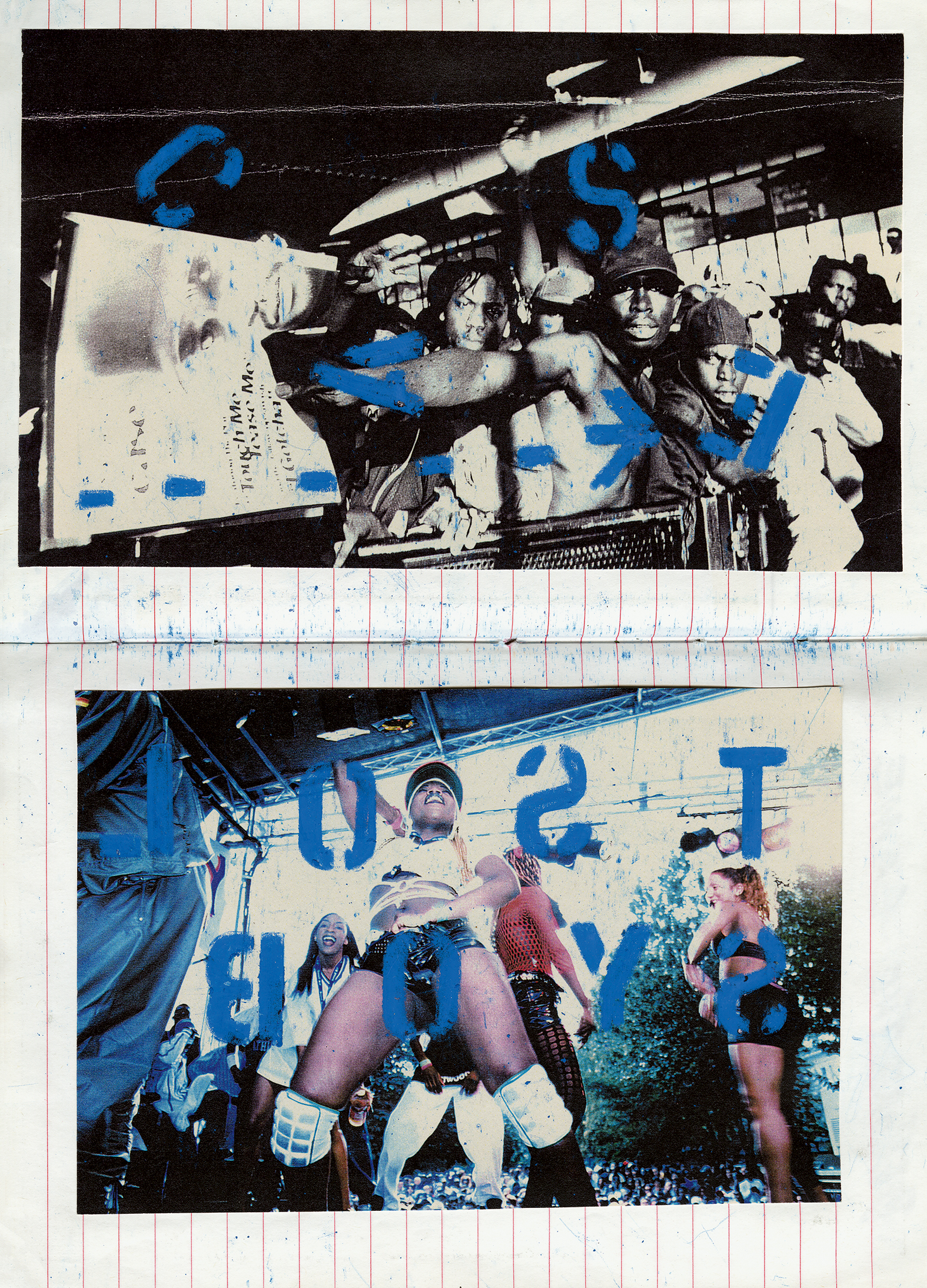
© Liz Johnson Artur
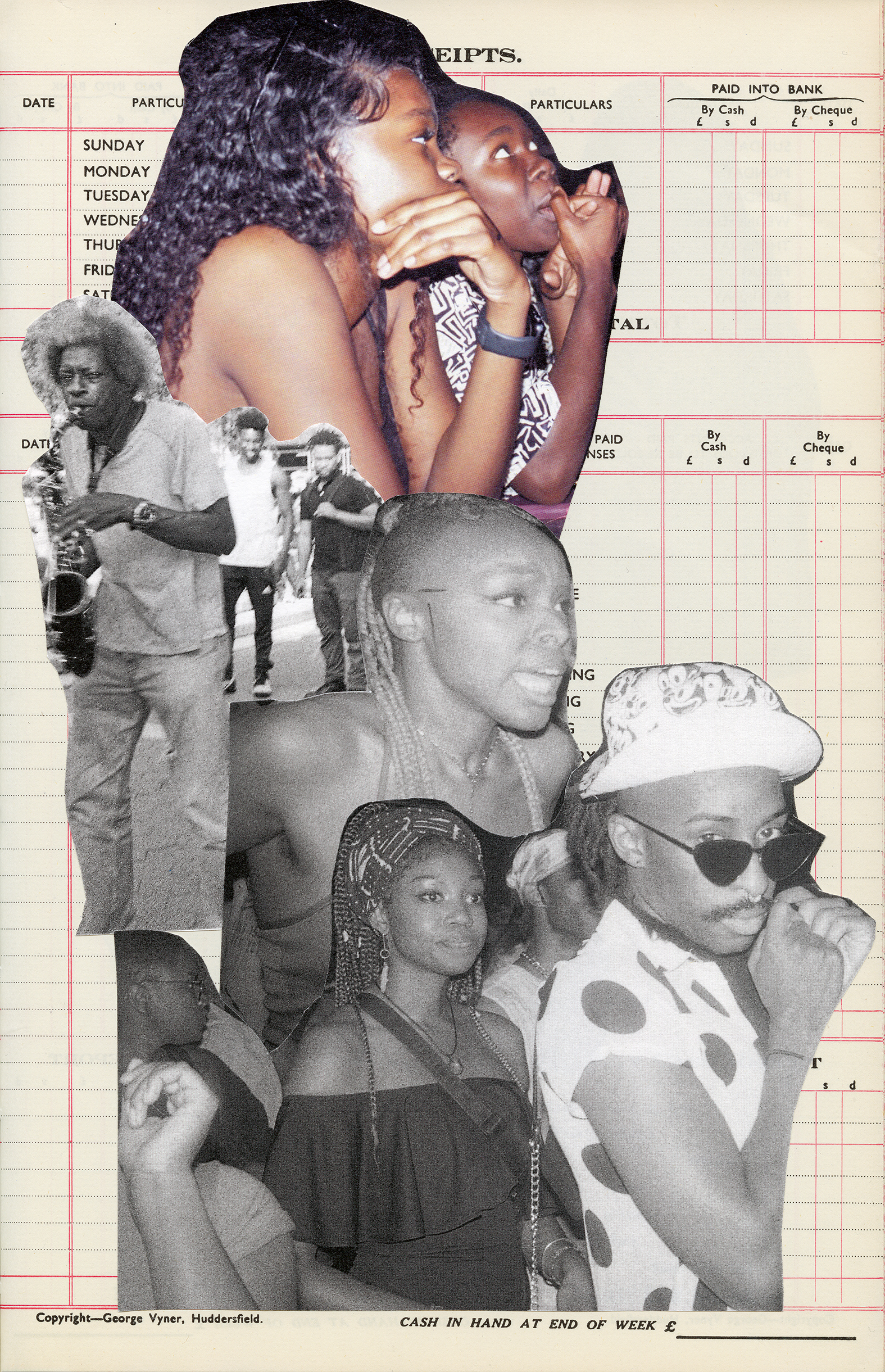
Liz Johnson Artur, I Will Keep You in Good Company (SPBH Editions /MACK, 2025). Courtesy of the artist, SPBH Editions, and MACK.
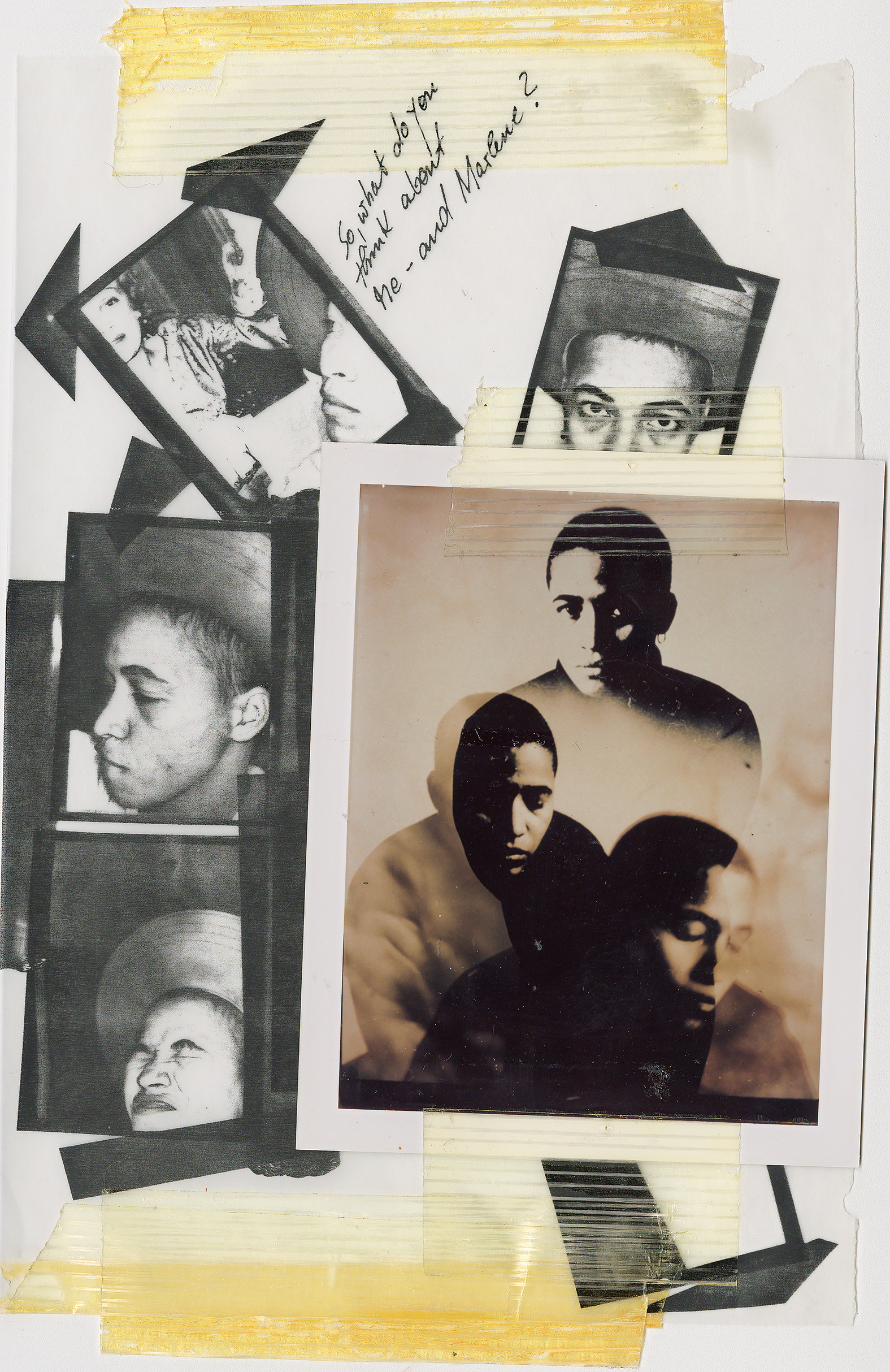
Liz Johnson Artur, I Will Keep You in Good Company (SPBH Editions /MACK, 2025). Courtesy of the artist, SPBH Editions, and MACK.
But back to I Will Keep You in Good Company. Artur is serious about imperfecting her images because the practice of photography itself is, as she notes, an inherently colonial and controlling tool. “Photography coincides very much with the colonisation of Black bodies,”she says. “Photographers once took pictures to racially classify people, to put them in certain groups and have a record for it. There is something that you take away from someone when you take their picture. And I think what I’m trying to do is create a body of work that goes beyond just looking.”
The book is refreshing in its representation of the Black and African diaspora. It resists tired tropes and liberates the aesthetic possibilities of Black identity, interrogating the meaning of “representation” in today’s identity-obsessed age. The images are joyful and loud, stripped of the sociopolitical heaviness that can often dehumanise Black subjects in photography. Instead of documentary images of impoverished neighbourhoods that have become fashionable for outsider photographers to shoot, Artur employs senses like touch in her workbooks. “[Touch] is a sense that we all share as human beings. It’s a way of awakening something,” she says. “In a very abstract way, it starts to penetrate the surface.”
The title I Will Keep You in Good Company, meanwhile, came about through a chance encounter. “One day, when I asked someone if I could take their picture, they asked, ‘What are you going to do with it?’ And I said, ‘I’ll keep you in good company.’ It was a spontaneous answer, but I think what I meant was simply that I’m gathering people next to each other,” Artur says. “When I have exhibitions, I show [work] to people who don’t know each other, but at the same time there is a connection there and – a human connection. My audience is in my pictures.”
At a time where many images are seen through a screen, there is, as Artur reminds me, “very little that [is tangible]”. There has been uproar from photographers in recent years about the devaluation of their images via Instagram, and fear that the digitisation of photographs encourages their unchecked usage by AI systems. As a result, image-makers such as Artur are returning to the physicality and intimacy of images, which is what they first fell in love with about the medium.
When you think about memory, you remember smell, you remember touch. “When I was a child, my mum would take this box [of personal archives] and start telling me stories [about them],” Artur says. “Photographs are very much connected to stories.”
Artur’s I Will Keep You In Good Company is, ultimately, a story of celebration; a much-needed refuge to dive into as the world becomes an increasingly fraught place to exist. “I want to give people the space to be themselves. That’s why you don’t see people that I photograph in the gutter,” she tells me. “You don’t see the narrative of suffering. I try to keep these pictures safe from a gaze that is exploiting and exoticising.”

