
The new Lost Generation

A whole new cohort of artists, activists, socialites and romantics is jumping ship for the expatriate scene. So, asks trend forecaster Sean Monahan in a new report: is the good life out there somewhere?
Culture
Words and imagery: Sean Monahan
Taken from the autumn 25 issue of THE FACE. Get your copy here.
Part 1: The Expats
On a left bank balcony in Paris, a group watches Bastille Day fireworks. In the distance, we can hear Beethoven’s Ninth, adopted as the supranational anthem of the European Union. The Eiffel Tower glitters gold in the July night, its searchlight sweeping the city, then blacks out and glitters in the darkness. The show begins. In 2025 fashion, drones overlay the explosions. A heart is traced, holds its shape, then releases, gravity pulling streaks of light and smoke down to Earth, meteoric. Little men ripped from a Keith Haring painting or the AOL Instant Messenger logo dance in two dimensions, then disappear.
Already, there is a video going viral of a horse that pulled away from the cavalry formation during an earlier parade down the Champs‑Élysées. It reminds me of the two horses that broke free last spring during a military exercise near Buckingham Palace. One white, one black, the former covered in a streak of blood. Auguries, omens and portents: the Seventh Seal broken live, streaming, spreading across the internet.
I see a post: “i don’t want to hear about modernity anymore. it’s beyond old news. don’t you know the gods are back. that everything is enchanted and haunted now, and there are omens and signs everywhere. come on. look up, look ahead.” People ask about the vibes in America; a nod to the new un-grokability of our present. No one can quite pin down what is going on; the media ecosystem is too fragmented, so everyone speaks abstraction, troubled by what they see in the black mirror of their phone.
Here across the Atlantic, we are through the looking glass: Bastille Day a European reflection of the Fourth of July; the French Revolution a mirror of its American predecessor. There’s even a tiny prototype of the Statue of Liberty on Île aux Cygnes, an artificial island floating in the Seine. But still fireworks, still red, white and blue, still a hot and sweaty summer night.
The scene here is a mirror, too: a post-geographic reassembly. The people you wanted to avoid were at La Perle, not Clandestino. The people you wanted to run into were at La Palette, not Funny Bar. Former fashion executives came from Balenciaga, not Hood By Air. La Périphérique was the boundary of too far, not the East River. Gutter snipes lived in Pigalle, not Bushwick. All of this – it goes without saying – is not supposed to be said. By mapping what is cool, you murder it.
Perhaps this is why our era feels so confused. The spirit of the age demands all barriers be disassembled and so we nod along, sing homilies to openness. But it takes a village to create a culture. Only a village. Anything larger and you get TikTok.
So we fly.
“We live in an era of intense nostalgia, but also an era of intense fear of nostalgia. We live in an in-between time, knowing we cannot return to the past but, all the same, confused as to how we might proceed into the future”
As so many note, the luxury industry has consolidated into two duelling holding companies, LVMH and Kering, and, as a result, doubled down on Paris. The London and New York segments of fashion month are shadows of their former selves. Only Milan can still compete. As fashion is one of the last industries that still employs creatives and patronises the arts, this has made Paris a magnet for those fleeing a stagnant art market or a publishing industry in decline. That, and a general sense that a vaguely middle-class income might be available to culture industry veterans who nonetheless lack influencer-tier fame.
These are the sorts that populate the balcony at this version of the annual Bastille Day party:
A writer and novelist from New York who moonlights as a copywriter for various brands. A duo of former artists and curators who had become go-to directors for couture video content and advertisements. The former chief creative officer of a major fashion house, with her partner.
A Canadian artist and his Russian producer wife, sat at a long table with their American child, who is dutifully colouring on a passport as her parents chat with their friends. Glowering, a British stylist who worked with Kanye both pre-and post-cancellation. The favoured model of Michael Rider’s new Celine. A Swiss photographer. A Danielle-Steele-coded former San Franciscan with frizzy red hair who always gets annoyed when I try to avoid talking about work at parties. She is accompanied by her French curator boyfriend. An American creative director who recently stepped down from his position. He and his boyfriend are discussing summer holiday plans involving a yacht.
In this milieu, there are types.


Part 2: The New Lost Generation
It is not the end of the world, but the end of a world.
As Ernest Hemingway notes, citing Ecclesiastes, the sun also rises.
In the same epigraph, he quotes Gertrude Stein: “You are all a lost generation.” There is some sense that the party is over. Peter Pan Syndrome is dissipating. Everyone is 14 going on 40. I’m reminded of a pre-pandemic quote by the New York writer Natasha Stagg: “I think New York is really interesting right now, and I wouldn’t be surprised if it was kind of made into a nostalgic culture later on.” That New York already feels very distant. The creative axis, powered by the post-internet art discourse that it shared with Berlin, was decimated. First, by costs: the German capital and the furthest reaches of Brooklyn no longer offered cheap rents to the young and avant-garde. Second, by geopolitics: people now share tips for border crossings, buying burner phones, turning off Face ID.
“Paris is cheaper than Berlin now!” a friend informs me. “I’m cancelling my trip to New York this fall,” another sighs. We live in an era of intense nostalgia, but also an era of intense fear of nostalgia. We live in an in-between time, knowing we cannot return to the past but, all the same, confused as to how we might proceed into the future. Just like the Lost Generation before us, we are acclimatising to a future that does not feel how we thought it would. Instead of a Great War, we fought a culture war. Instead of the Spanish Flu, we survived Covid-19. Traditional artistic mediums are challenged not by Hollywood’s studio system, but Silicon Valley’s creator economy. We don’t have flappers, we have e‑girls. We are confronted not by industrial modernity, but accelerationist transhumanism.
If the new urbanising, industrialising world of the early 20th century killed tradition, the technological frontier of Artificial Intelligence might kill humanity itself. AI’s harshest critics and most maniacal proponents agree on this point.
It’s the existential mood of the moment that prompts our collective soul-searching. For some, it’s all too much. They’re deer in the headlights, bed-rotters transfixed by the cool screen glow. For others, the emphasis is on the verb. They want to find something new.
People are moving, both literally and figuratively. They are looking for friends, allies, collaborators, colleagues. They are forming search parties. In a time when narratives are fracturing, when the stories we use to guide our lives no longer feel certain, re-orienting ourselves is a collective task. In the wake of last century’s Lost Generation, the term “American Dream: was coined. It first appeared in James Truslow Adams’s 1931 book The Epic of America. His definition stands to this day:
“It is not a dream of motor cars and high wages merely, but a dream of social order in which each man and each woman shall be able to attain to the fullest stature of which they are innately capable, and be recognised by others for what they are, regardless of the fortuitous circumstances of birth or position.”
Materialism and meritocracy: the greatest exports of the United States.
When people say the American Dream is dead, the straightforward interpretation is that we no longer believe that hard work will lead to success, that merit will determine status, and that each generation will do better than the last. In America specifically, these diagnoses ring true. But what about the rest of the world?



Globally, the great debates of our age hinge on these same two pivots. Conflict about climate change is conflict about materialism. What are the limits of human consumption on Earth? Conflict about migration is conflict about meritocracy. Is an economy meritocratic if it excludes people based on borders? No one really believes there is a way for life to be fair.
We are no longer so sure materialism defines the good life; that meritocracy is attainable. The world has gotten so big, fairness is purely theoretical. Modernity is so old, we no longer believe consumerism will solve our spiritual problems. The conceptual supports for the American Dream are up for debate.
And by engaging in this debate, we implicitly admit the American Dream no longer defines our age.
Ironically, it was the same debate which preceded its total cultural triumph. So much so that when every American teenager is inevitably assigned The Great Gatsby – Lost Generation novelist F. Scott Fitzgerald’s 1925 magnum opus – their high school English teacher is eager to inform them that the dominant theme of the book is the hollowness of the American Dream. Jay Gatsby is a flamboyant bootlegger desperate to win back the love of now-married debutante Daisy Buchanan. James Gatz can change his name. He can lie about having an Oxford degree. Influential people may attend his parties. But his wealth of will never gains him acceptance among the American elite. As Countess Luann says, “Money can’t buy you class.” It can’t buy you love, either.
Not that Fitzgerald would have heard the term before he completed his manuscript in 1924. The narrative prece ed the meme. The spiritual emptiness of materialism and the illusion of meritocracy have been reflexive critiques of America’s prosperity gospel since before the American Dream even existed. There have always been those who accused it of being meaningless. But there were people who earnestly believed, too.
In dialogue from Julian Fellowes’s The Gilded Age, the employer of a butler-turned-inventor asks: “What if success and money do not bring happiness?” He replies: “I’d like to find that out for myself.” We are finding something out for ourselves, too. Today, we face a different crisis. No one is frustrated by the naïvety or optimism of Americans. No one worries that the United States is making false promises. It’s the craven cynicism that unsettles everyone. No one is bothering with false advertising at all. There are no false promises. No promises are being made at all.
“It began with television but has spread to streaming and scrolling. The noise and light blocks out the mind. The immersive experience is a distraction from living your life. We are already halfway to the jack in the back of the head. Really, what does it matter?”
Part 3: Destination unknown
There is Labubu on Karl Marx’s grave. Someone made a pilgrimage to Highgate Cemetery in London to place what looks to be a dupe at the foot of the founder of scientific socialism’s headstone. Perhaps this is a commentary on intellectual property rights. Probably not.
I’ve stopped asking: “What does it mean?”
And not just in this instance. With ever more frequency, I come across improbably odd images. I have to send them to friends and ask, “Is this real?” “Did this happen?” Someone reposts a New York Magazine cover from a year ago. The headline reads: “Welcome to Kamalot”. Kamala Harris is seated on a giant coconut, fists in the air, dancing in her seat. Below, from right to left, are Congressman Hakeem Jeffries, Minority Leader of the United States House of Representatives; Beyoncé; former Speaker of the House, Nancy Pelosi; former President Joe Biden; George Clooney; former President Barack Obama; Congresswoman Alexan- dria Ocasio-Cortez; Minority Leader of the United States Senate, Chuck Schumer; and Charli XCX. They all dance. The caption reads: “In a matter of days, the Democratic Party discovered its future was actually in the White House all along”.
I text Jamie. “It’s real,” he responds.
I remember when Kamala was BRAT. I do not remember her sitting on a giant coconut on the cover of a magazine. The past is a foreign country, they say – and that foreign country feels like it is getting closer day by day. We slip over the border when we scroll too far back in our phones.
The signal-to-noise ratio has been fucked for some time. But something has shifted in the last few years. The incomprehensibility of the present has become more overwhelming, more all-consuming, resulting in what some might call “learned helplessness”. Eventually, you stop struggling. You give up.
A venture capitalist named Geoff Lewis posts a video to X, claiming he has uncovered a vast conspiracy against himself via ChatGPT. He recounts his ordeal into a webcam, face gaunt, gaze unfocused, eyebrows on fleek. In another post, he explains: “As one of @OpenAI’s earliest backers via @Bedrock, I’ve long used GPT as a tool in pursuit of my core value: Truth. Over years, I mapped the Non-Governmental System. Over months, GPT independently recognised and sealed the pattern. It now lives at the root of the model.” Again, I have no idea what this means. But his peers later described it as a “mental health crisis”.
Lewis is living at the edge of the world, fully inhabiting some dark event horizon where our own perceptions are fully outsourced to a non-human agent. We all feel this pull and know on some level we could be Geoff Lewis, too.
The dominant mode of existence today is addiction. Addiction is the gravity that draws us to the black hole.


Once upon a time, we joked about the Crackberry. Phone addiction was a metaphor. Today it feels very literal. Like most misfortunes, addiction happens slowly, then all at once. The dopamine hits – once distinct and pleasurable highs – become a blur. Time is lost, events tangled, memory muddled. Only you never wake up and ask “Where am I?” in a sex worker’s bed. You are always in your own bed when you are scrolling.
As a result, our zeitgeist is fixated on sobriety. The decline in drinking is the most obvious manifestation of our collective desire to regain control. But we can see the same pattern elsewhere. Crypto zealots are obsessed with escaping our addiction to debt. Climate-change activists are obsessed with ending our addiction to fossil fuels. Bryan Johnson’s Don’t Die movement has a checklist of compulsive taboos: our addiction to processed food, our addiction to a sedentary lifestyle, our addiction to plastic. He is very literal about the consequences. Your addictions will kill you.
These are all displacements, though. The real and unconquerable addiction is to our phones. This fact is made all the more uncomfortable in that we don’t really have a choice. Just try holding down a job without a phone. The radiation in your pocket might slowly be giving you cancer, but without it – in America at least – you won’t have healthcare.
Maybe this is why it feels as if everything is unravelling. Our interface with reality was designed with malicious intent. Thus, the expats of our age will be those who move offline, as much as it is those who move abroad. Living offline is the real luxury: something that is only affordable to elites. It is only by getting off our phones that we will ever collectively conquer our learned helplessness.
The recent uptick in Americans moving abroad is usually read solely as a symptom of Trump. But there is something broader happening. Moving is a circuit-breaker. It is a re-set. The social equivalent of a Wim Hof breathing session. The personally-branded iteration of the trans-cultural and trans-historical practice of deep breathing exercises resets your autonomic nervous system. It’s a physiological hack for psychological problems. To sort the anxiety emanating from your unconscious, you oxygenate your blood. We cannot consciously control our unconscious, but we can choose to do something that has that effect.
They say you can’t run away from your problems, but repositioning yourself is a tried and true way of reimagining your life.
There is a fork coming in the road.
There is one version of the future where AI recedes into the background and becomes infrastructural. It is silent, practical, essential like electricity, and the abundance it enables allows a logistical utopia in which humanity’s material wants are covered, leaving us to our own devices on the spiritual issues that have always plagued us. In this version, our context changes, but the human condition remains.
This is the bright future. The other is darker.
There’s a very real possibility that AI is the ultimate black hole, that The Matrix is the most probable outcome. In this future, we demand that AI solve the human condition for us, that it obliviate all our psychic pain.
It’s a fairytale trope, the wish gone wrong. The most obvious real-world example of this is opiates. They are miracles for those in pain and curses for those who seek to never feel pain again.
I think of people who indulge in these temptations as no-lifers. It began with television but has spread to streaming and scrolling. The noise and light blocks out the mind. You are never alone with your thoughts, but you are always alone with yourself. The immersive experience is a distraction from living your life. We are already halfway to the jack in the back of the head. Really, what does it matter?
You can run away from your problems, but you can’t run away from yourself. AI-generated alternate reality changes that. You can run away from yourself. The only problem being, when you run away from yourself, you stop existing. These futures are not mutually exclusive. Both options will likely exist. We may all begin as a lost generation, but only some will be found.
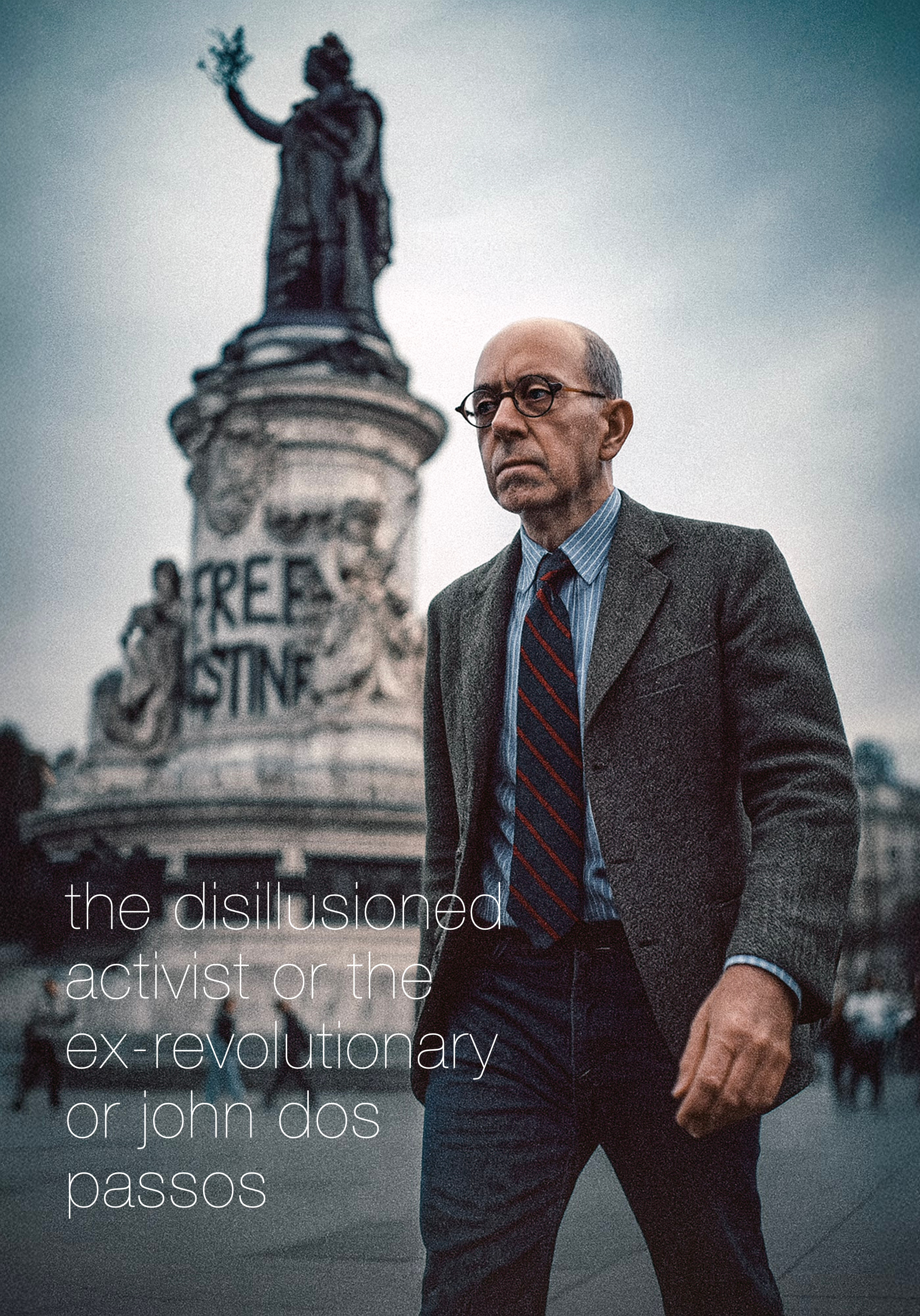
[1] The Disillusioned Activist: Once animated by anti-racism, feminism, degrowth and social justice, they now feel exasperated by how little progress has been made. They have not so much given up on their political ideals as grown cynical with protest and social media campaigns as vectors for change.
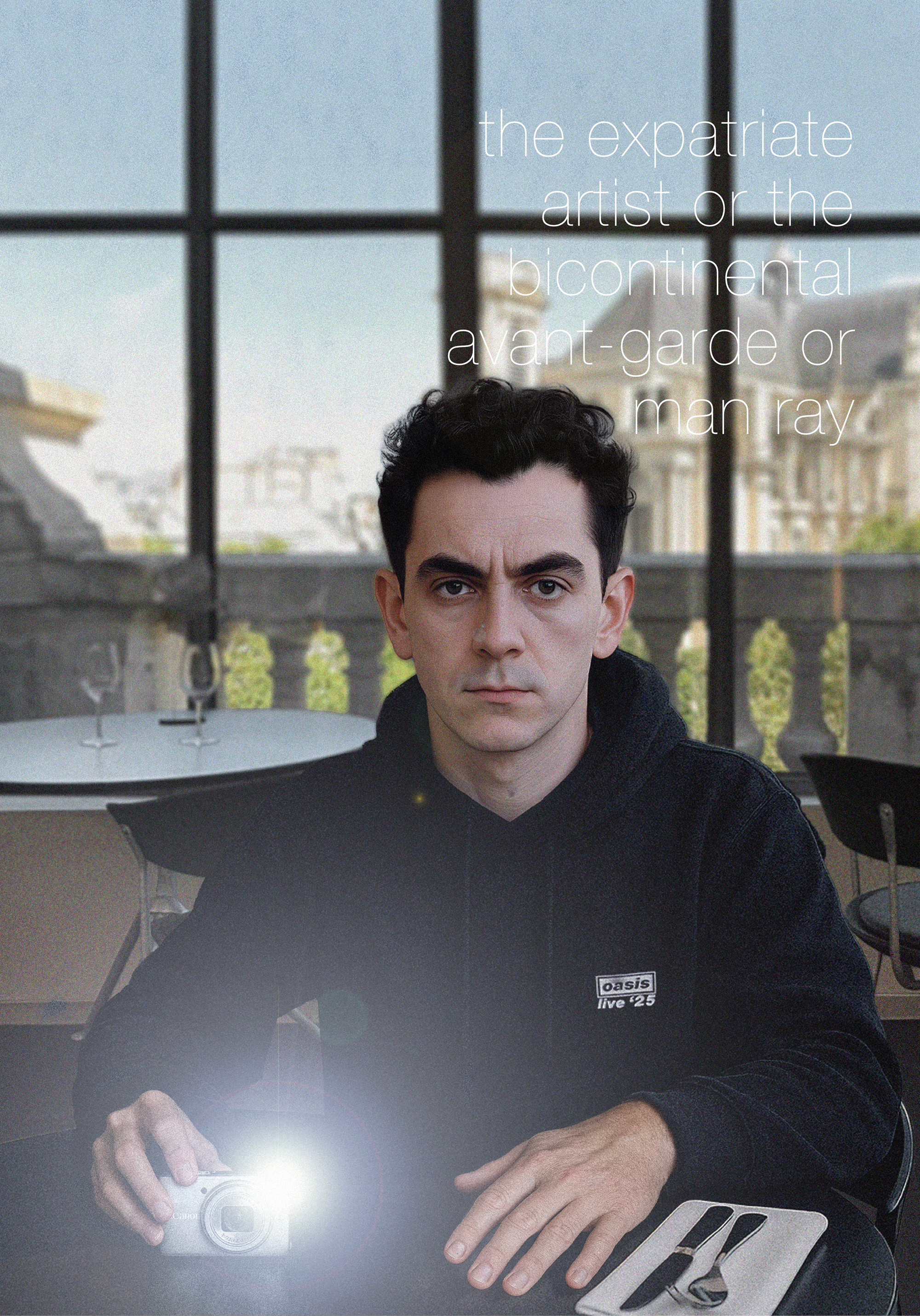
[2] The Expatriate Artist: Frustrated by a lack of public funding and the ever-rising cost of living in the few American cities with viable cultural scenes, they see Europe as the last bastion of creativity that does not fund itself via the creator economy.
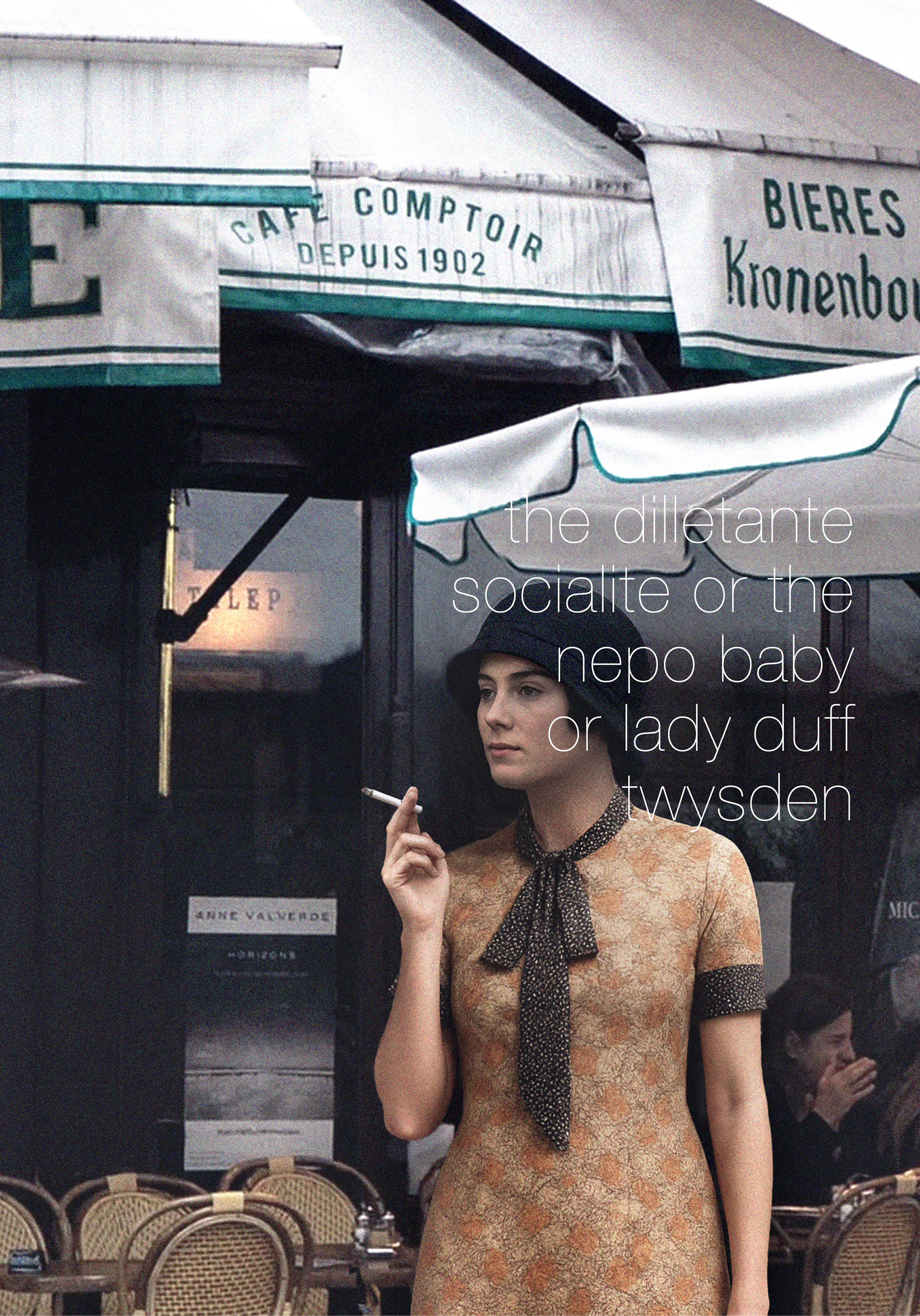
[3] The Nepo Baby Socialite: Children of oligarchs and celebrities who host parties, found nonprofits and patronise the arts. SAPS (Spouses and Partners) of the wealthy and famous also fall into this category.
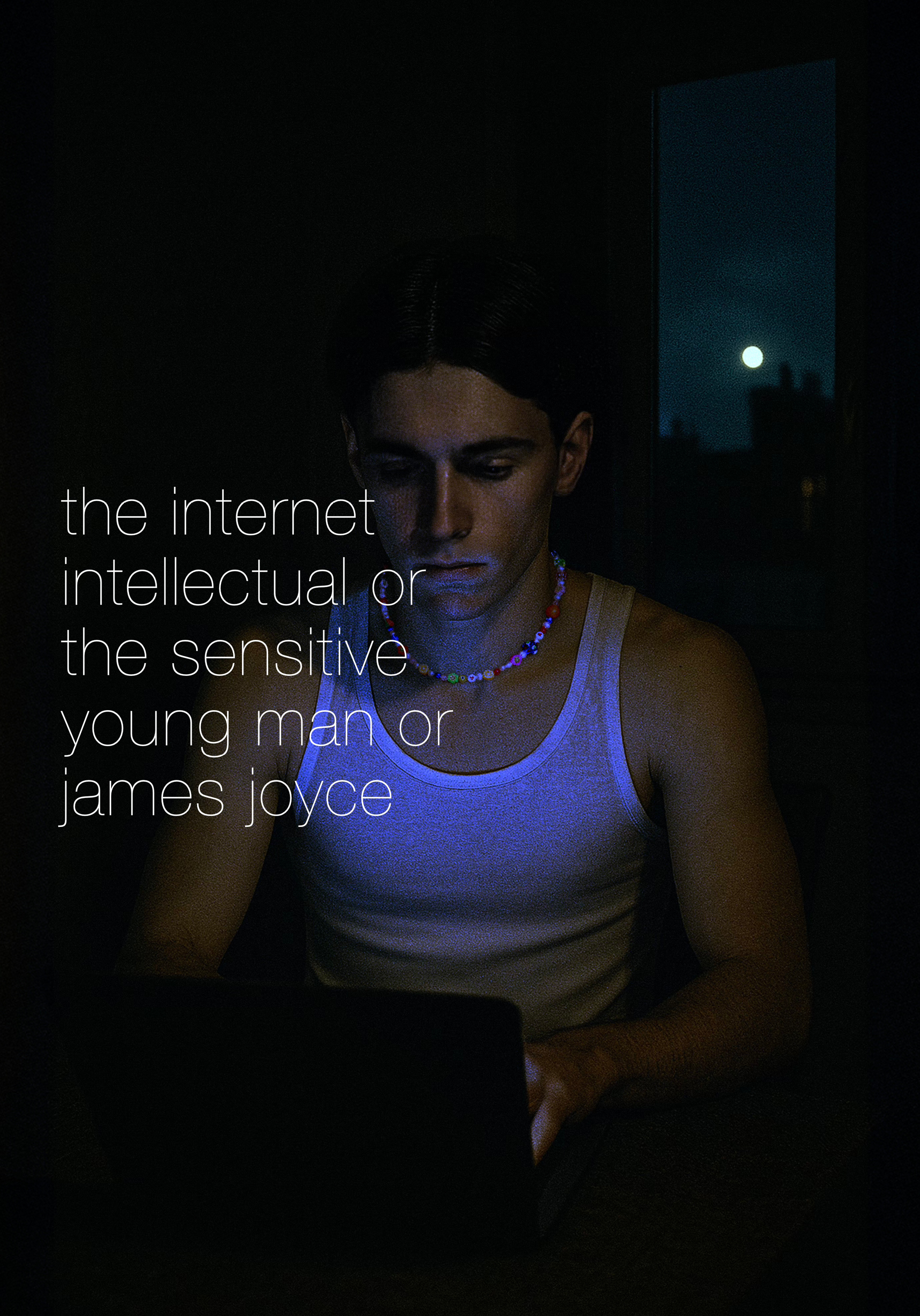
[4] The Internet Intellectual: we no longer have public intellectuals, only podcasters and streamers, authors of newsletters and social media posters. Their reach is amplified by traditional institutions like the New York Times and the Serpentine Galleries via profiles and panels, respectively, but is still fundamentally defined by how their ideas circulate online.
[5] The Crash Out: Party monsters who stayed too long at the party. Blackout benders in Bushwick warehouses became cocaine-fuelled bottle service at Bootsy Bellows became Berghain bathroom speed became k‑holes in the bathtub. Until it all came crashing down.
[6] The House-Rich Host: You acquire houses like you acquire wealth – one of three ways. You can earn it, you can inherit it or you can marry it. Penthouses, holiday homes, warehouses and lofts all do nicely. After all, someone has to host the party.
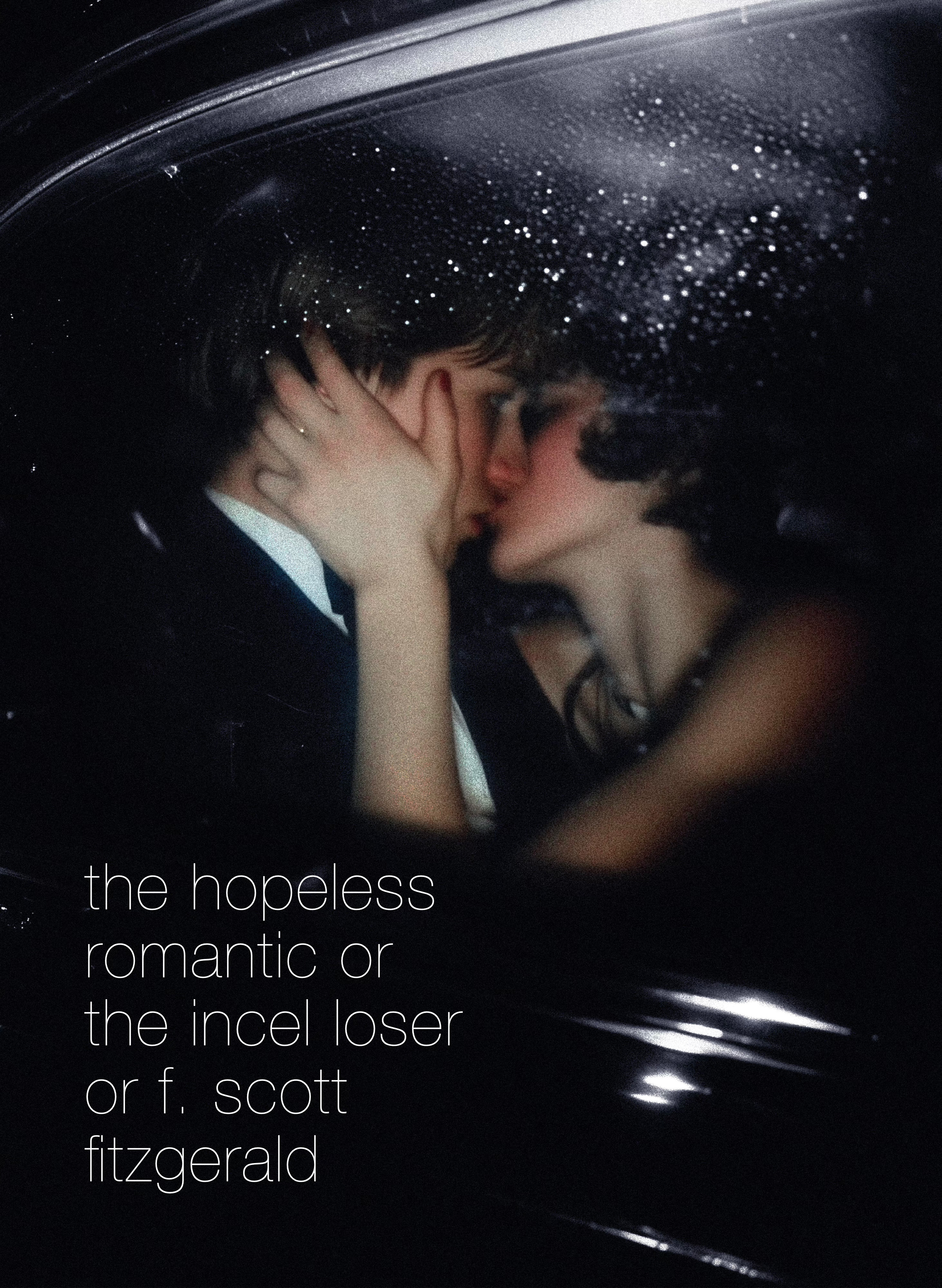
[7] The Doomed Romantic: More people are single than ever before. Some realise they want children. Others that they want marriage. Only to discover that beyond “the apps” there are few opportunities to find a partner, let alone love.
[8] The Digital Nomad: Based somewhere, but living nowhere. This once seemed like the future. No longer, as immigration crackdowns, rising visa prices, aggressive border police and local anger over Airbnb-inflated rental markets make the lifestyle ever more difficult to maintain.
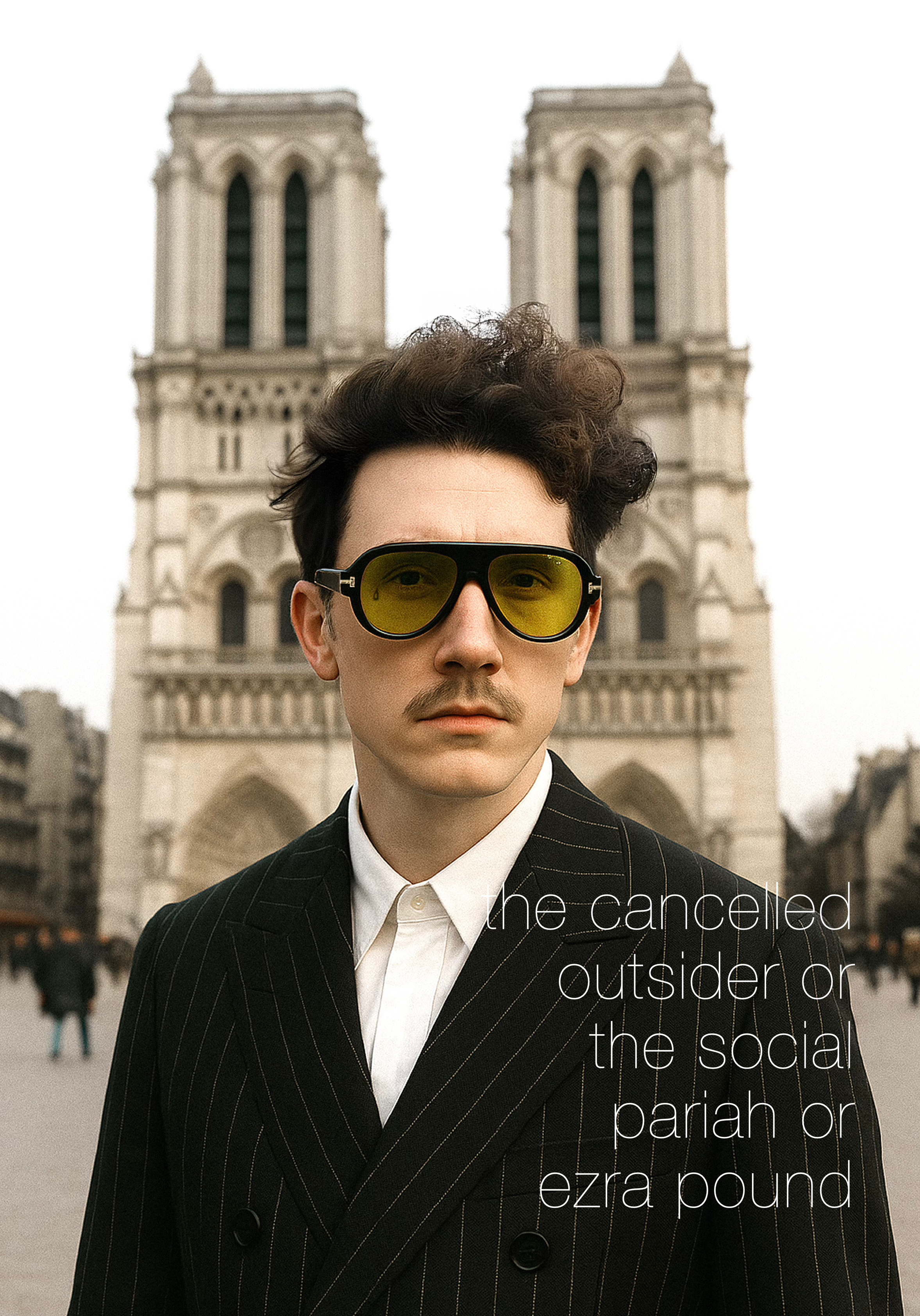
[9] The Cancelled Outsider: Reinventing yourself by moving is still an achievable option. A ruined reputation in one place does not necessarily follow you to another. By the time gossip makes it through timezone lag, the controversy will have already been forgotten.
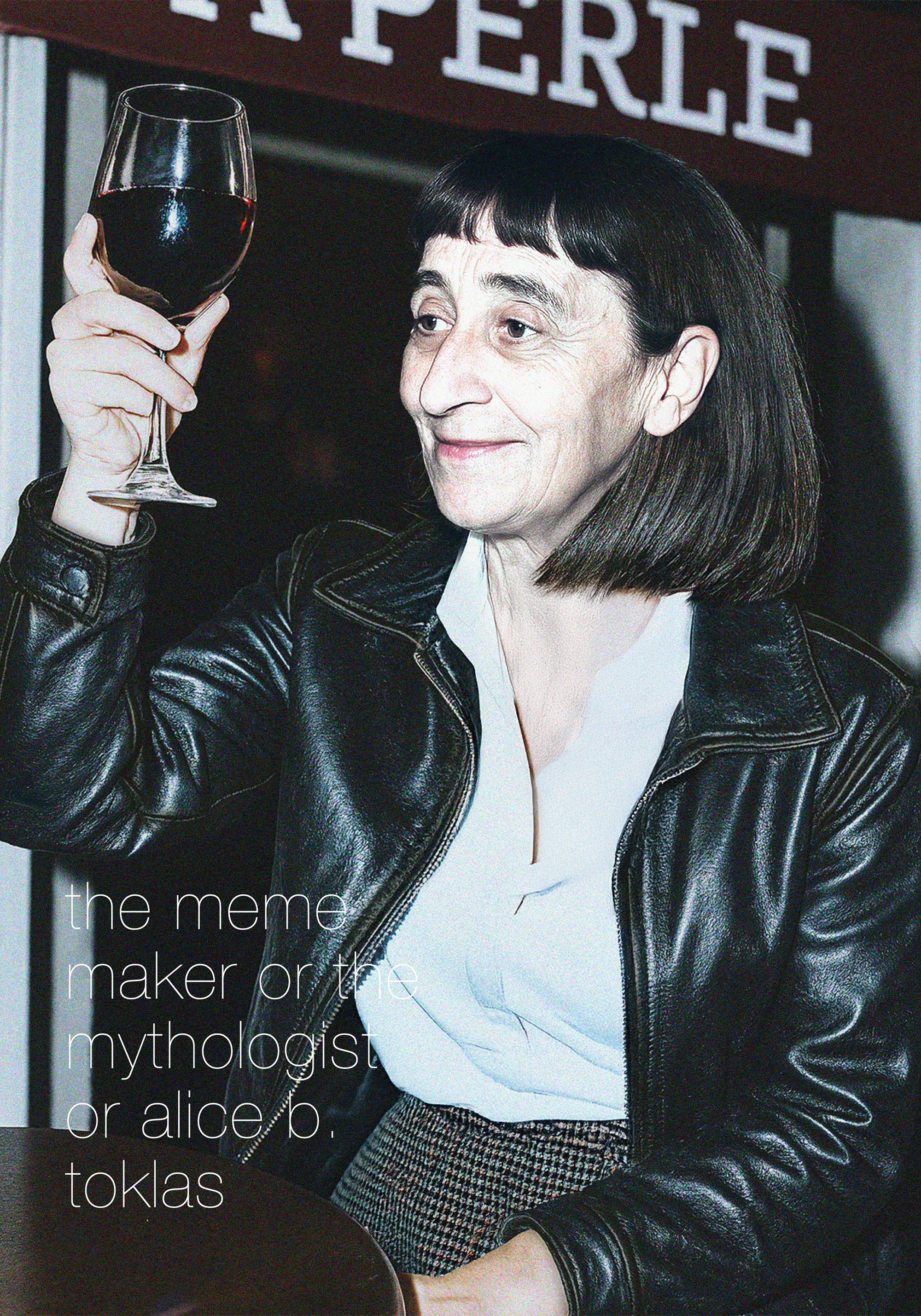
[10] The Meme Maker: Ideas define generations and eras. Those who create them wield a special power.

