
Audrey Hobert is just like you

Audrey wears coat and scarf CELINE and earrings archive MUGLER courtesy or Rellik
The LA musician’s anecdotal pop makes it feel cool to be cringe. Her streams are surging, her shows are expanding and the fans’ screams are getting louder. Can she still maintain her underdog status?
Music
Words: Shaad D'Souza
Photography: Sharna Osbourne
Styling: Danny Reed
Audrey Hobert has blue eyes and strawberry blonde hair, and she’s 10 feet tall.
Well, she is tonight. On stage at London’s Kentish Town Forum, Hobert is playing banjo while perched on a ladder that’s concealed by a gigantic trench coat, towering over the audience like she’s Mike Teavee post-stretching. The concert feels like a Taylor Swift show scripted by the weirdo comedian John Early. As Hobert performs her effusive pop songs about insecurity and desire, she bounces on a trampoline, struts around like a supermodel, and gets tackled by her stagehand-slash-cousin Savannah. Her breakout hit Sue Me is in the setlist twice. For the second rendition, she commands the audience to “put your fucking phones away!” so they can launch themselves fully into the moment.

Audrey wears coat CELINE
Hobert wrote the whole show when she was high off an edible on a long-haul flight to Australia, hence its unique combination of raw feelings and fried comedy. The crowd up front skews young and extremely devoted – some even camped out before and after the shows to catch a glimpse of their idol. But there’s something for everyone in Hobert’s show: “Last night, there was this guy, front-row barricade, so stoned,” she says the morning after the second concert. “I think he was probably like, 27, and he was just like this the whole time” – she mimes the blank expression of a zombie – “and just crying during Phoebe. I loved that too. Come one, come all.”
Pop music is scripture for Hobert. The 27-year-old lives and breathes it: Before she was even a musician herself, “a lot of my thoughts were about other singer-songwriters”. She followed the charts and studied which songwriters and producers work with which singers. Hobert poured that lifetime of research and analysis into her first album, last summer’s Who’s The Clown?. It’s one of the best pop debuts in years, an idiosyncratic and tightly structured record that announced Hobert as one of the sharpest writers on the scene, a Lisan al-Gaib-type figure for pop listeners and self-styled indie intellectuals alike.
“I love the pop formula and I knew that I could subvert it”
Hobert’s music captures bread-and-butter emotions – feeling unwanted and undervalued, finding oneself in your twenties – with an auteur mindset: the lyrics on Who’s The Clown? are dense with wry jokes and rich with anecdotes that could serve as plotlines on Girls. Her tastes skew highbrow – she’s prone to namechecking Mistress America, an underappreciated gem of the Gerwig/Baumbach oeuvre, or her favourite New Yorker writers – and lowbrow at the same time. (At one point during our interview, she stops speaking to try and identify the song playing on the speakers, and lands on James Bay, making her maybe the only person in the world who knows what James Bay sounds like.)
“I just think pop music is the best music, so that’s why I make it. It’s not easy for me, but it’s what I’m interested in making,” she says, sitting across from me in a café in north London, picking at a piece of spanakopita. “I don’t think I would feel the same kind of triumph if I sat down and just spat out what was in my head in a more avant-garde way. These songs that are on the album, I fought tooth and nail, worked really hard, because I love the pop formula, and I knew that I could subvert it a little bit.”
Pop, for Hobert, is both medium and message: she knows firsthand that one perfect song can change the life of a weirdo girl living anywhere. Her music is relatable by design, but she’s not just vomiting her diary entries into a mic; Who’s The Clown? – made entirely by Hobert and LA producer Ricky Gourmet – is far sharper and more considered than the output of your average indie singer-songwriter. “I know why I’m doing this: I want to improve people’s lives,” she says. “I want to be someone that people can look at and go, ‘That person makes me excited. I see myself in that person’s music, it makes me feel like I can go be myself in whatever place in life I’m in.’ When I think about that, none of this is confusing.”


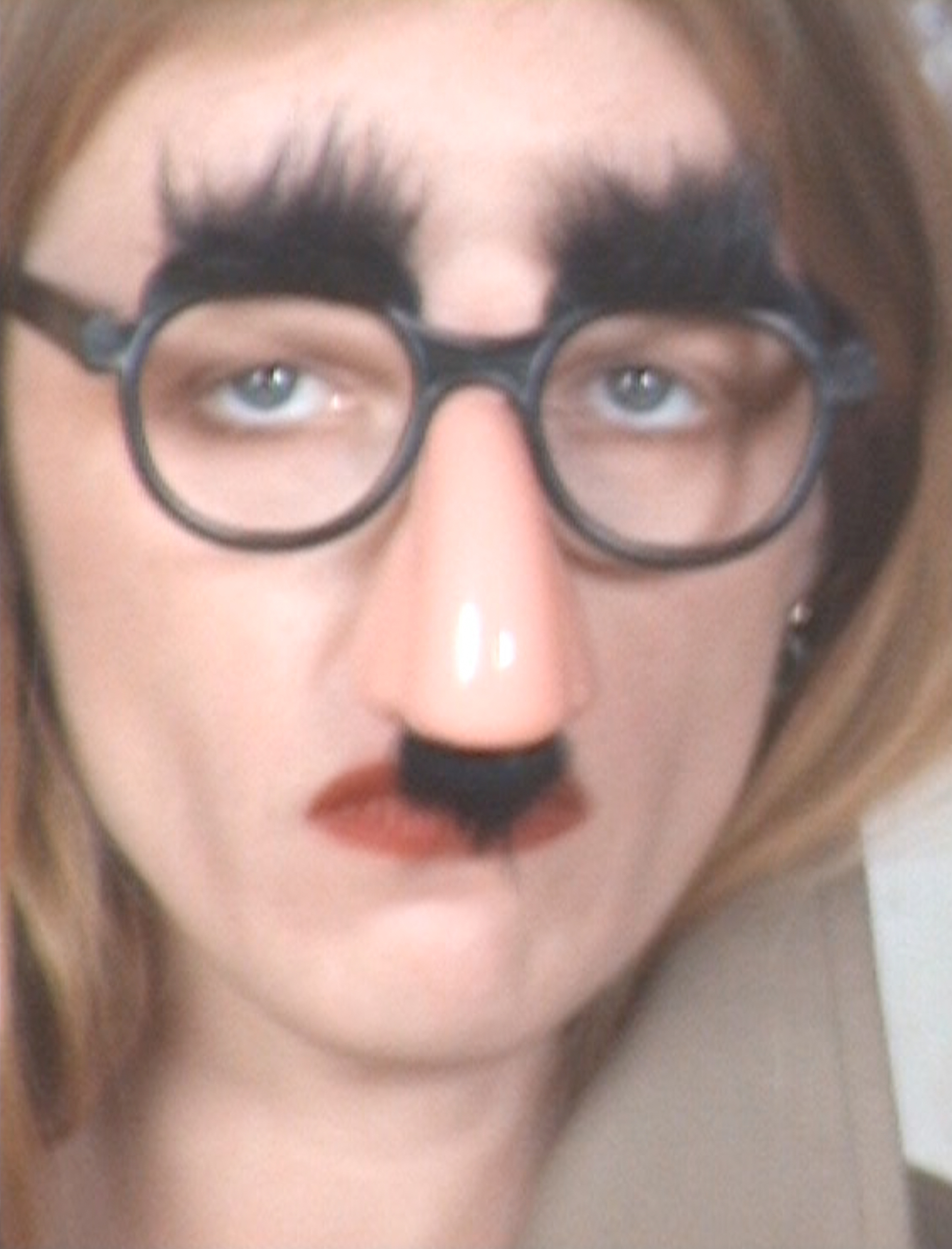
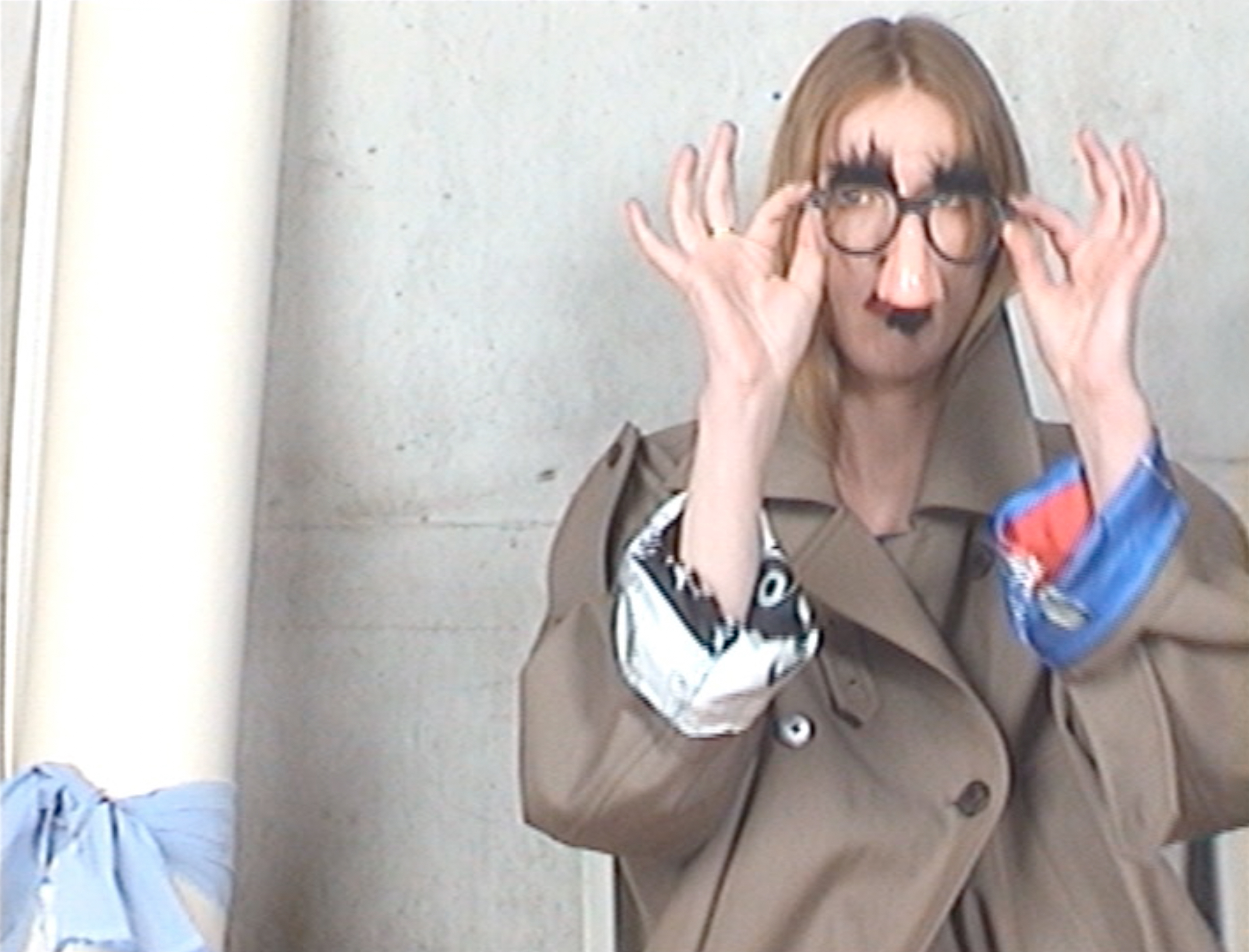
Audrey wears coat CELINE, dress archive LAURA ASHLEY courtesy of Laura Absolutely, skirt MARGARET HOWELL and tights and glasses stylist’s own
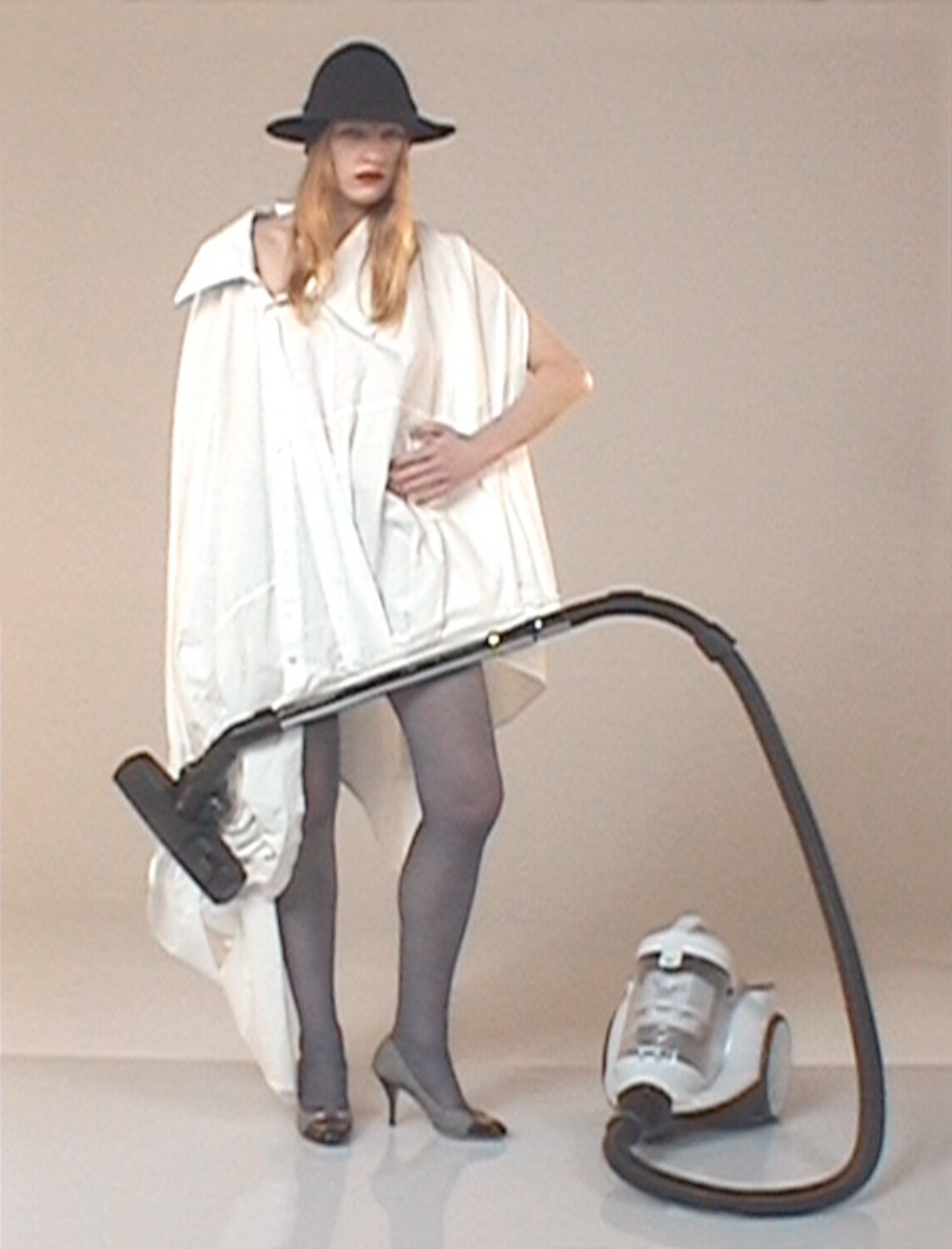
Audrey wears dress LYDIA CHELOVSKA, hat BLESS, shoes archive FERRAGAMO courtesy of Rokit and tights stylist’s own
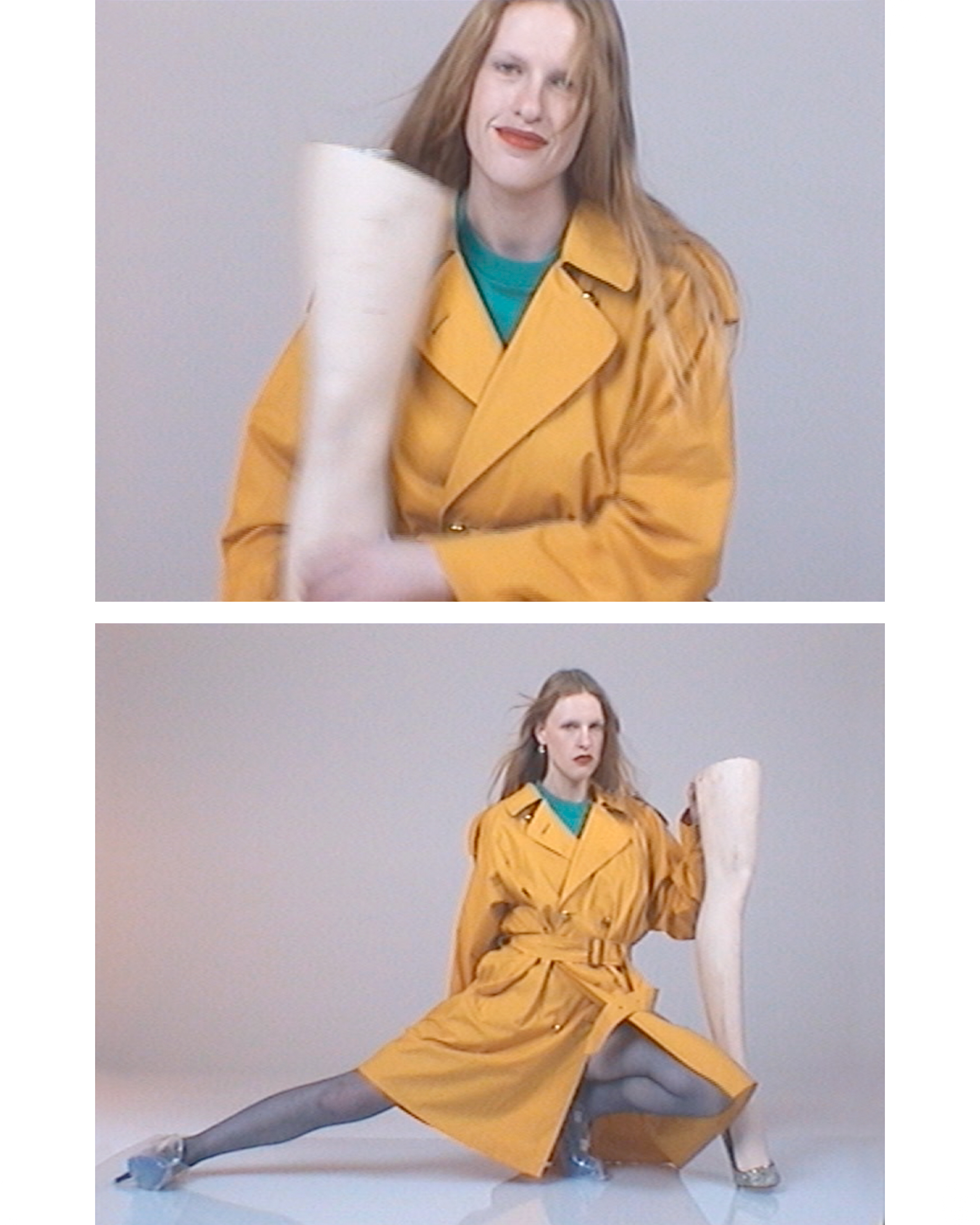
Audrey wears coat archive BURBERRY and T‑shirt archive DISNEY courtesy of Rokit, shoes CLEVER DISGUISES and tights stylist’s own
Hobert was born and raised in Los Angeles, the daughter of a TV writer and a stay-at-home mum who encouraged her kids – Hobert is the oldest of four – to participate in the arts, especially musical theatre. “Audrey was always confident in who she was, always knew who she was, always putting on shows,” says Jill, Hobert’s mother. “She was always making up stories about me in school. [Once] she went to her teacher and said ‘It’s just been exhausting – every morning I have to get up and microwave hot dogs for my siblings while [my mum] sleeps.’ I never made her do that!”
In childhood, Hobert was the perpetual ringleader, ordering her siblings to dress up and act in plays, directing them in short films, where they would be princes and princesses and she would be the witch terrorising them. Hobert’s brother, the pop singer Malcolm Todd, says he and his siblings “were part of her iCarly-esque world where she was convinced that she was gonna be on Disney Channel and we were all the side characters.” It was no surprise to the family, he says, that Hobert would end up on stage: “You just have to watch 30 seconds of a video of her when she was eight years old and you’d be like, ‘Yeah, there’s no way in the world this girl doesn’t become a pop star.’”
Although Hobert’s dad worked in TV, she says that “theatre was as prevalent as movies and television.” Every other year, the family would go to New York and spend a week going to Broadway shows; Hobert distinctly remembers, around 14, asking her mum if she could go to a play by herself, in part so she could feel more grown-up. “I heard Julio Torres say this and it just resonated. I’ve just stolen it, but: I was a child that wanted to be an adult,” she says. As she got older, Hobert gravitated towards the idea of becoming a writer or director: “I was that kid that wanted attention, I wanted to boss people around, I wanted to sing and dance for everybody,” she says. “But around high school, I started to really get more into movies and TV, and the [characters] I thought were the coolest were never the ones that needed attention and needed to be the star of anything. [They were the] people who were more quiet and creative.”
Plus, she always had the – perhaps preternaturally sophisticated – idea that it was the people to the left of frame who could be the most impactful. Who’s the Clown? paints a vivid picture of the shy, cool girl who has insecurities but knows it’s ridiculous to have insecurities. Hobert consciously plays on this archetype in her live show. She performs a monologue during the slightly frantic pop-rock song Wet Hair, where she describes being rated as a “three” by some boys during middle school. Taking on an affect that sits somewhere between unhinged and triumphant, she imparts wisdom to the girls in the crowd: “All of those girls I thought were destined for the stage or the screen … I can’t say for sure, but seems to me like they’re working in marketing, and I’m all the way up here, singing songs inspired by MY REAL LIFE!”
The monologue elicits a tinnitus-inducing cheer, before the stage goes dark, and the voice of God speaks to them directly: “It could happen to you…”
Hobert says that “if I heard that song when I was 15, and someone told me ‘You wrote this song, this song is about your life’, I wouldn’t believe them.” It feels like a manifestation of her desire to actively help people with her songs, and of her teenage dreams. “I would just sit in my public school classroom, around all these people that I didn’t really know or feel connected to, and I would fantasise about one day being an employed writer and getting to wake up every day and choose what I do,” she says. “I have created that for myself. Here I am.”


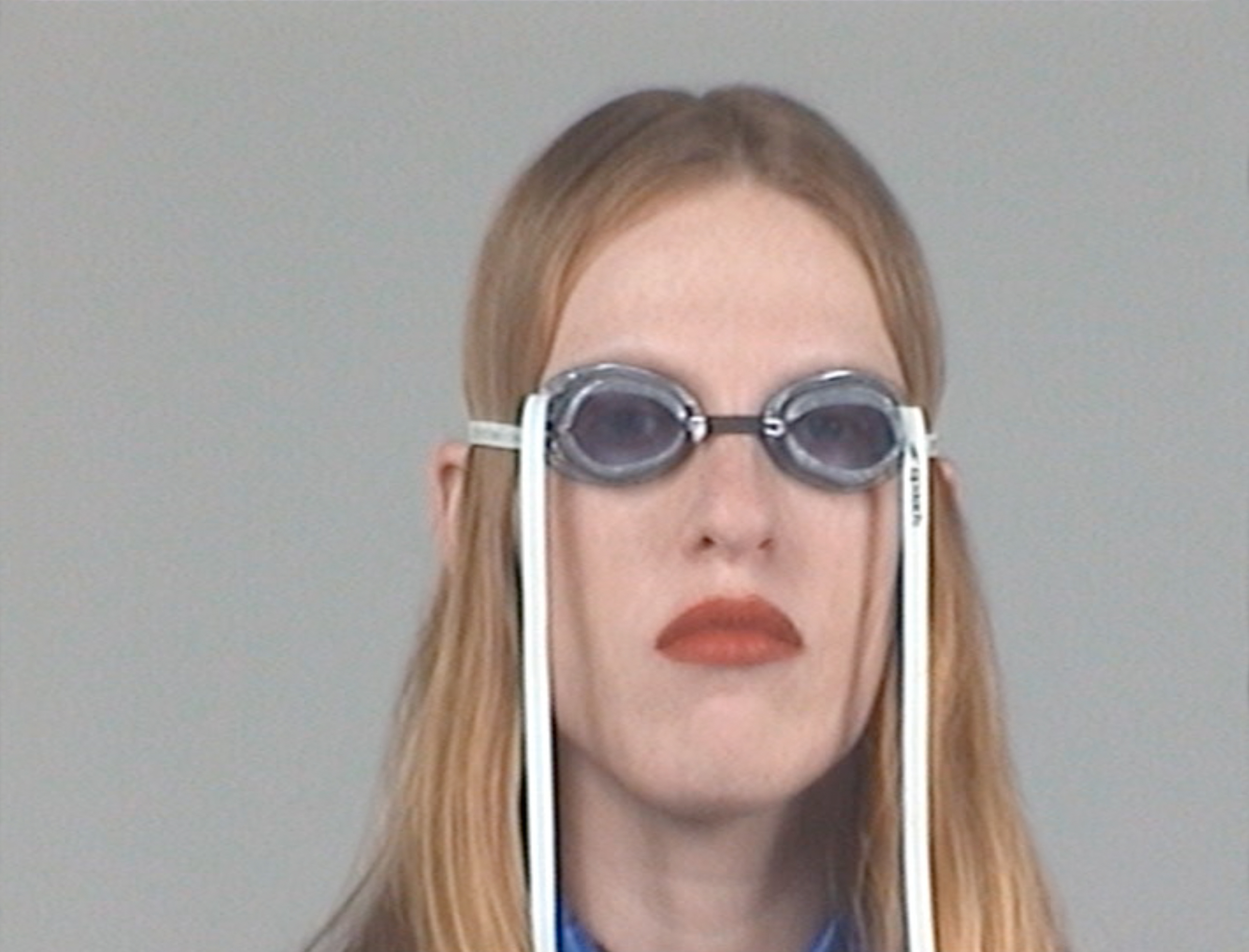
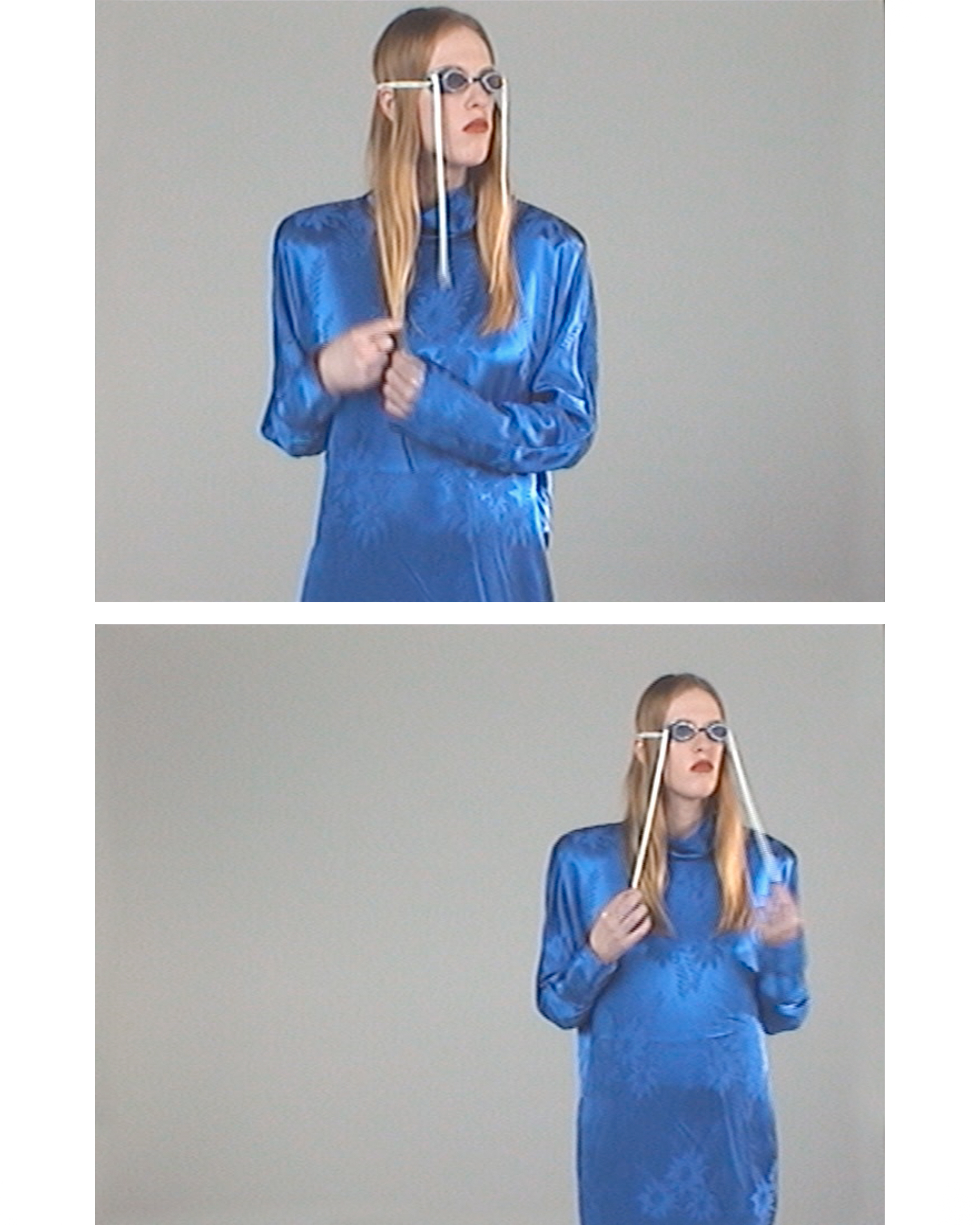
Audrey wears dress VALENTINO and goggles MAYHEW


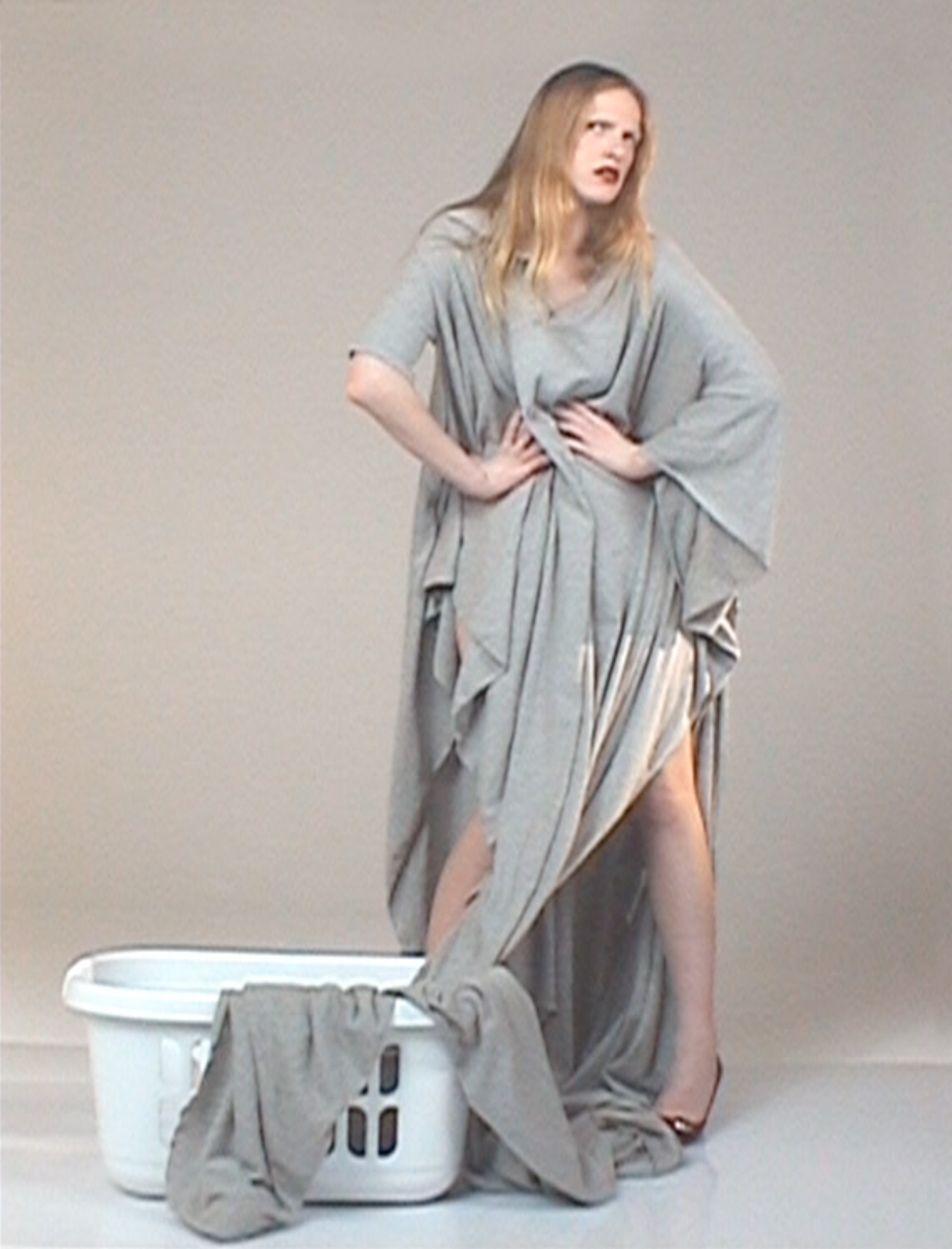
Audrey wears dress LYDIA CHELOVSKA and shoes archive PRADA courtesy of Rokit
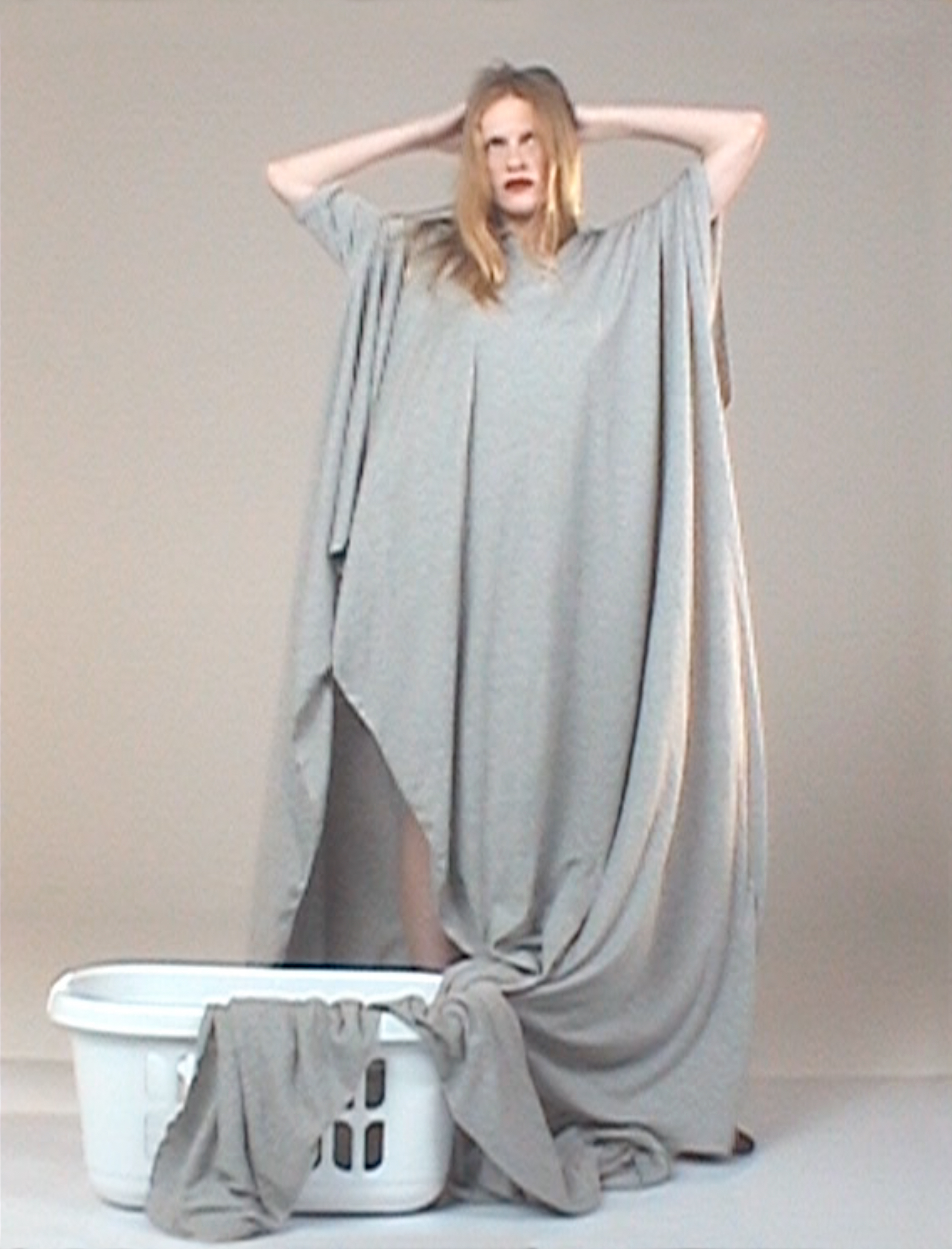
Audrey wears dress LYDIA CHELOVSKA and shoes archive PRADA courtesy of Rokit
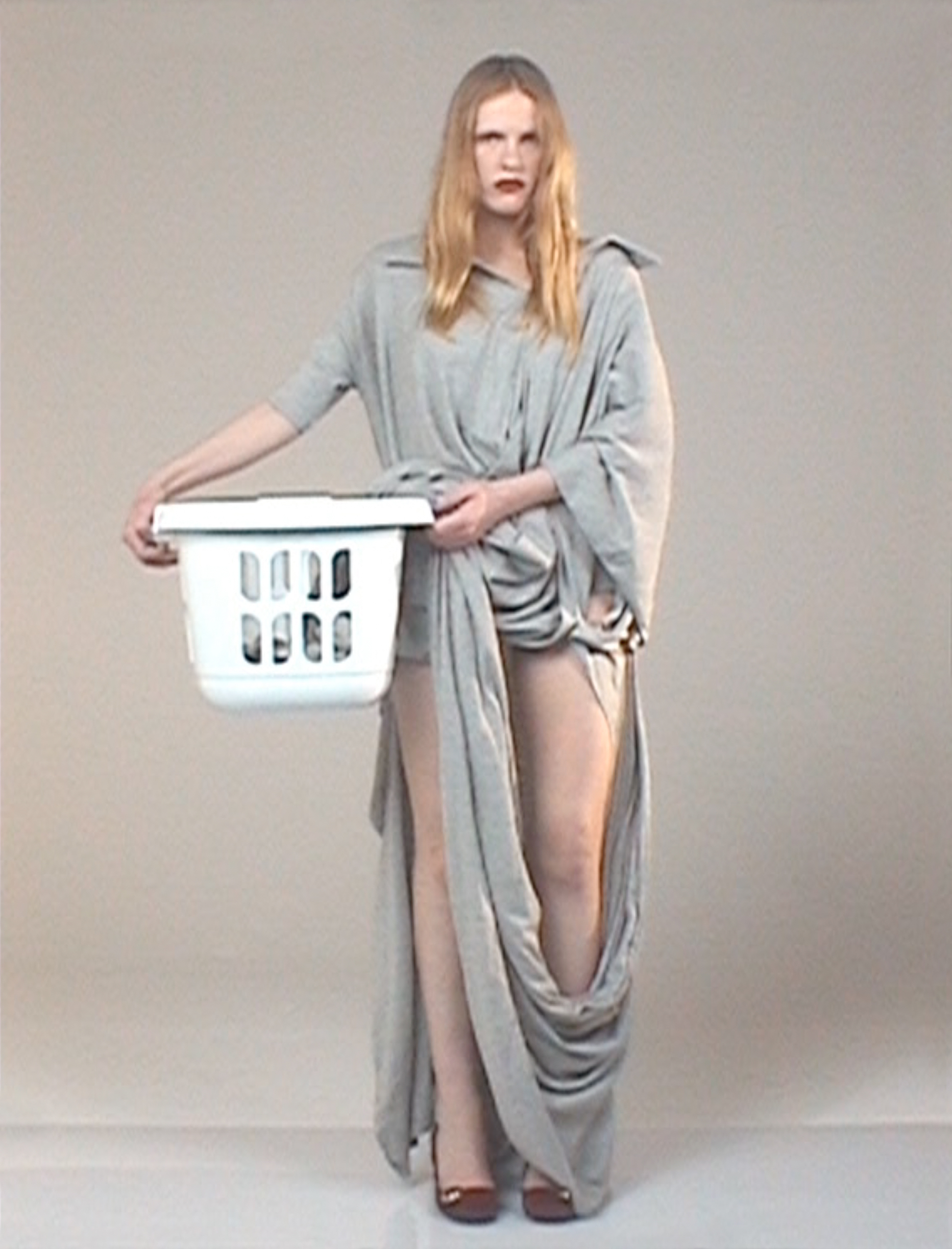
Audrey wears dress LYDIA CHELOVSKA and shoes archive PRADA courtesy of Rokit
Hobert has the face of a French New Wave star: She has big features that are cartoonishly expressive and put to great use when you spend time with her. When I see her approaching the café, in black pants and a brown fur-lined coat, she’s walking at an angle, against the wind, as if she’s a mime trying to push open the door of a bank vault; when she talks about all the rising male musicians who don’t have to work as hard as she does, or who can afford to seem like dickheads in the press, she huffs and rolls her eyes. Later, at her FACE cover shoot, she walks past me in increasingly showy outfits – a Valentino silk dress and swimming goggles; a gigantic cape that makes her look like she got stuck in the sheets getting out of bed; a fancy red outfit, like she’s off to the races – and smirks conspiratorially every time.
Hobert says she’s been confident “since birth, always, always,” but it’s not necessarily a trait that she tries to cultivate. “The people I look up to and think are the coolest do not need much attention, but at the end of the day, I do want to be recognised for my talent. And for my fun personality,” she says. In press and among fans, Hobert is talked about as a kind of accidental anti-pop star – a QUIRKY FREAK! who HAPPENED TO FALL INTO THE SPOTLIGHT! – which feels both out of step with her chic, considered sense of style and the militant precision of her songwriting. She does everything herself (directs her own videos, makes her own art, writes and choreographs her live show) but the intent is to make everything seem like an accurate reflection of her own brain. “I think that, probably, what will be fun about me to watch is that it’s unbridled and kind of [DIY], but not in the adorkable way that they’ve been telling me I am. I’m like, kill yourself,” she says. “I wonder what people think – like, I’m just derping all day?”


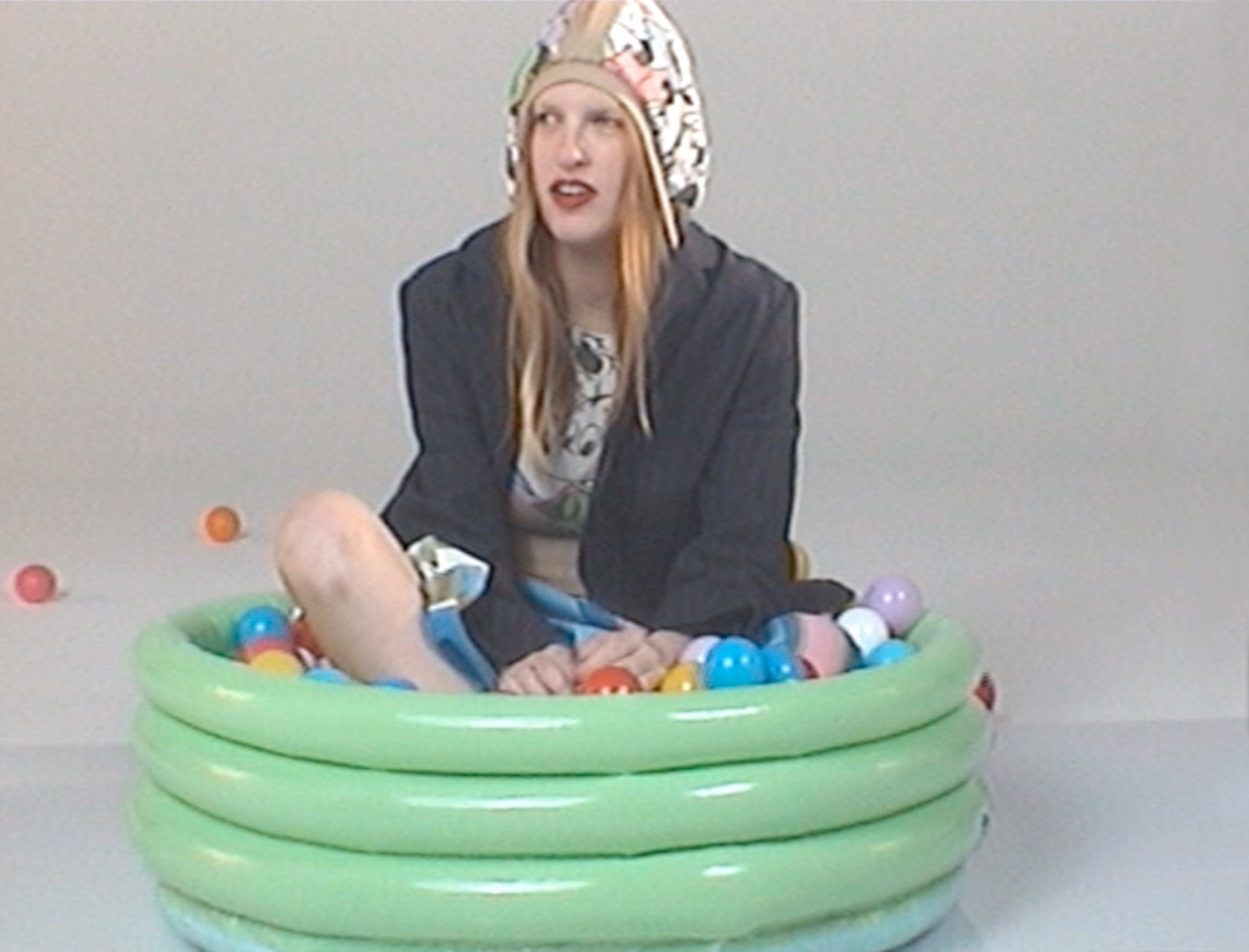
Audrey wears jacket MARGARET HOWELL and bodysuit and skirt SERROIT

Audrey wears dress LAURA ASHLEY courtesy of Laura Absolutely, skirt MARGARET HOWELL, shoes GINA, hat BLESS and tights stylist’s own
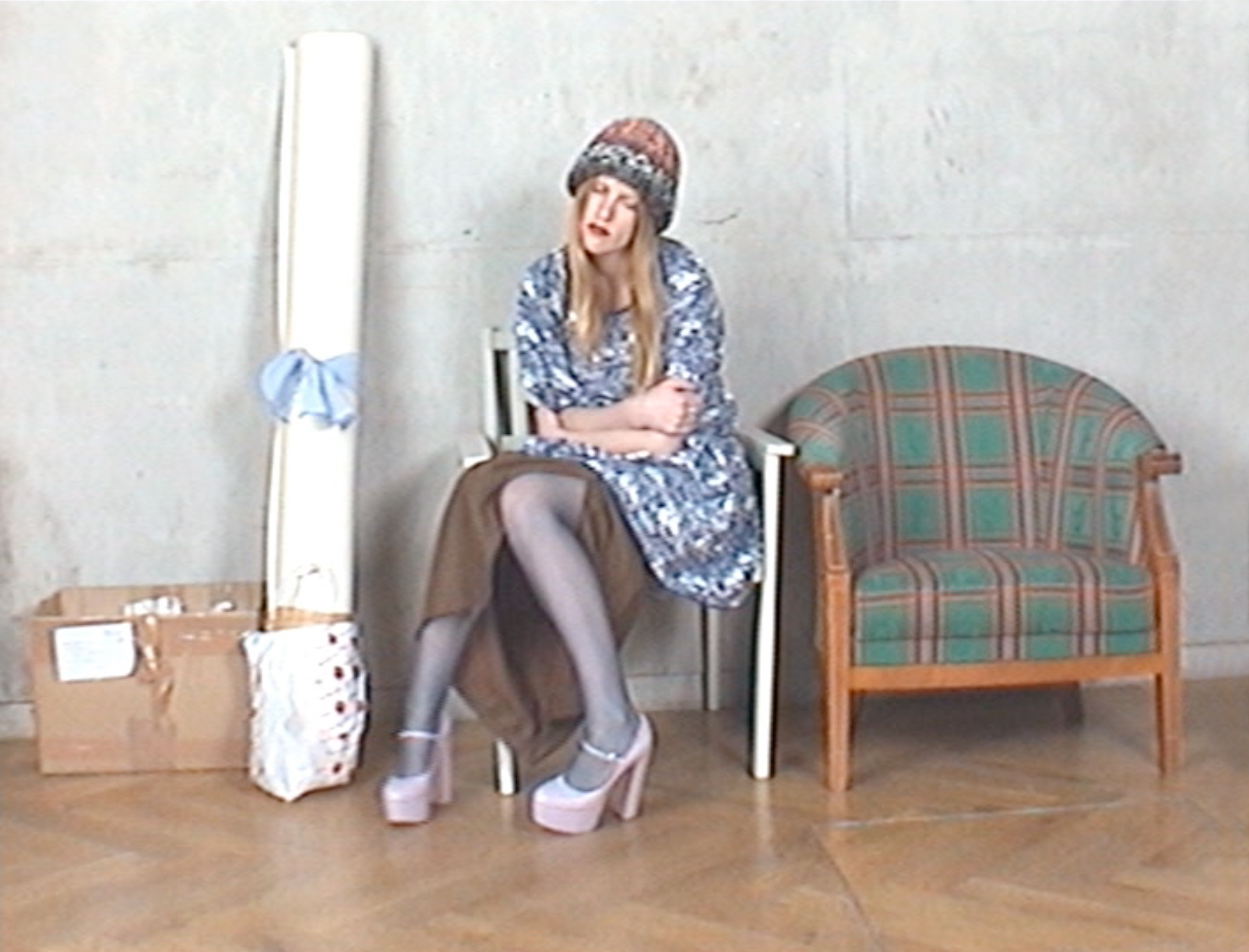
Audrey wears dress LAURA ASHLEY courtesy of Laura Absolutely, skirt MARGARET HOWELL, shoes GINA, hat BLESS and tights stylist’s own
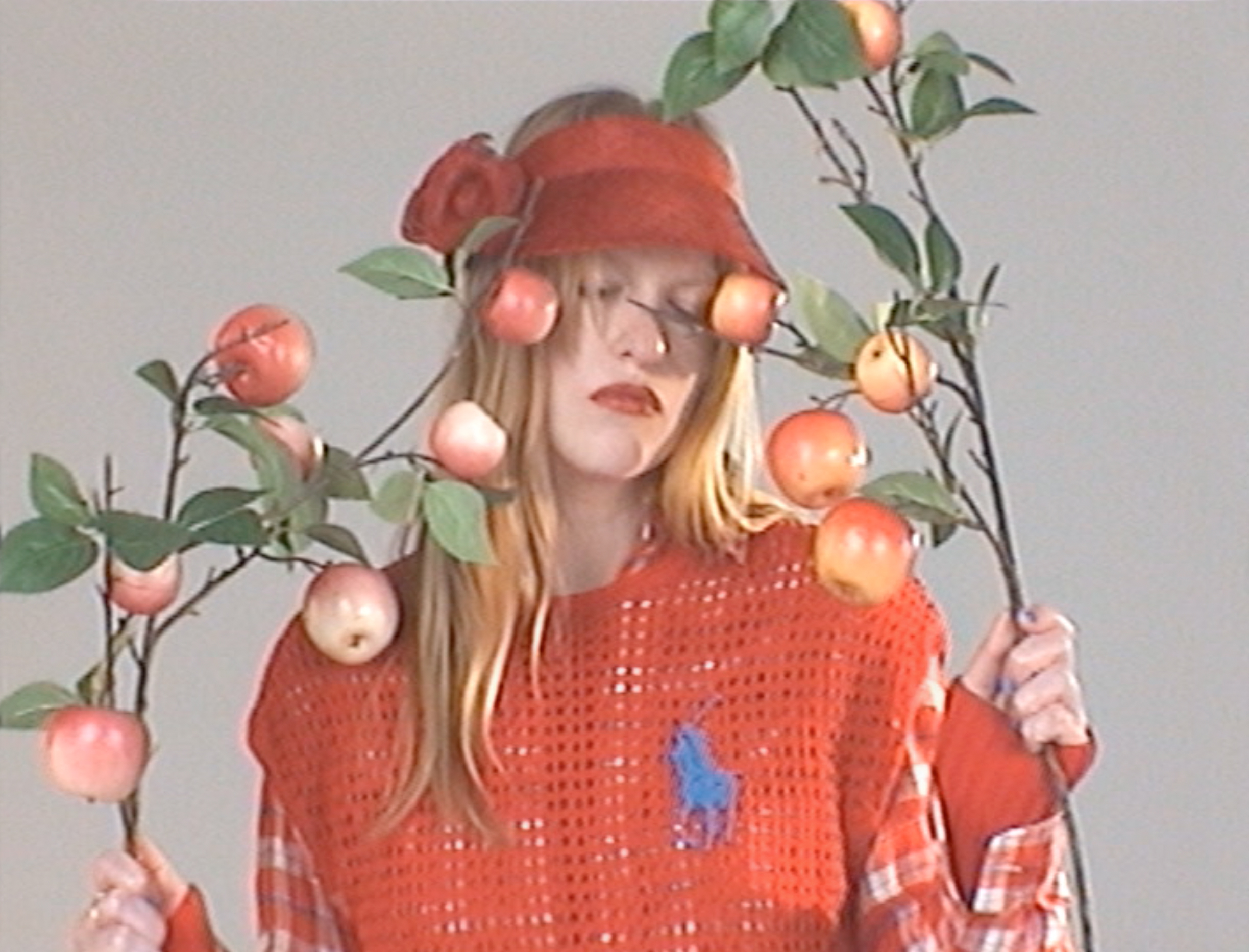
Audrey wears jumper, shirt and dress POLO RALPH LAUREN and hat courtesy of RELLIK
Working in pop forces you to think about yourself all the time, which Hobert is trying hard not to do. “All you do is get told what you are, and I really dislike that. That’s the part of this that I really don’t want, because I usually feel like people are wrong,” she says. When she was writing Who’s The Clown? in 2024, Hobert was often thinking about other people: friends, or characters from Friends, or people on the street, or people she met at parties. “And over the last year, it’s like I just think about myself more than I ever have. And it’s all through the guise of: what do people think about me? Which is a horrible place to be in.”
Hobert is good at charting the specific contours of insecurity, but that skill isn’t necessarily at the core of what makes her music good. She’s a fabulist and a surrealist; her songs have warped edges, and if you try to turn Who’s The Clown into too much of a self-portrait, it starts to feel like you’ve taken a half tab of acid. Bowling Alley, which sounds like a relic of ’00s white girl R&B, takes place in a bizarro film-set version of LA where Hobert’s house is close enough to a bowling alley for her to run back and forth between the two all night; across Who’s The Clown?, shots are guzzled every other minute and each night ends in a dull one-night stand with an artist who’s off his meds. On Shooting Star, a glittery club-pop song that’s wordier than your average Substack, she reveals the trick: “I fill in the gaps/And give it an arc/Then I tie it all up/And drop kick it like it’s a shot in the dark.”
“[Me and Gracie] always had this friendship that felt like we were standing on ground, but one centimetre below the ground, there was a crazy fucking earthquake happening”


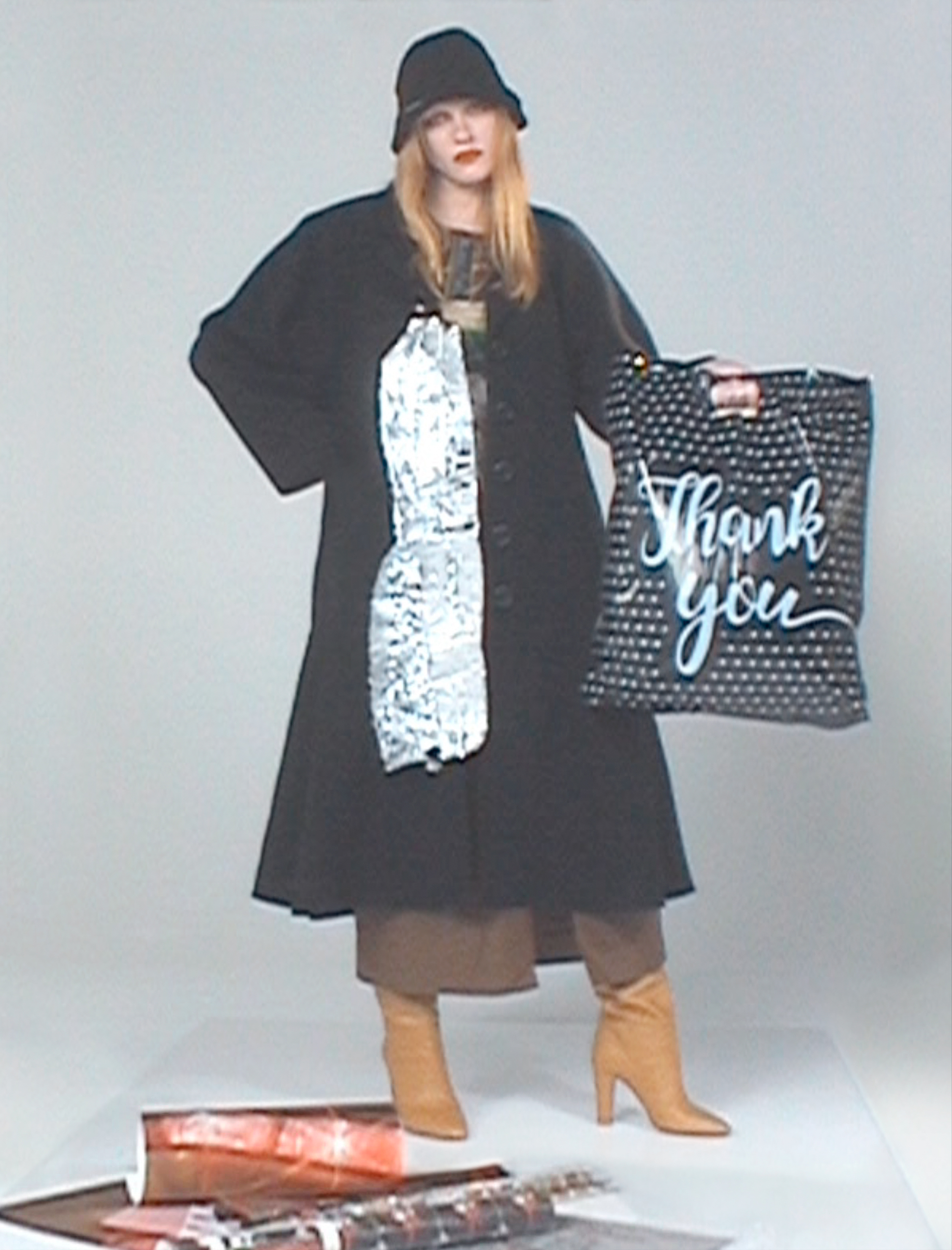
Audrey wears coat archive SAINT LAURENT courtesy of Rokit, T‑shirt BLESS, skirt MARGARET HOWELL, shoes VALENTINO, hat UNDERCOVER and coat accessory MAYHEW
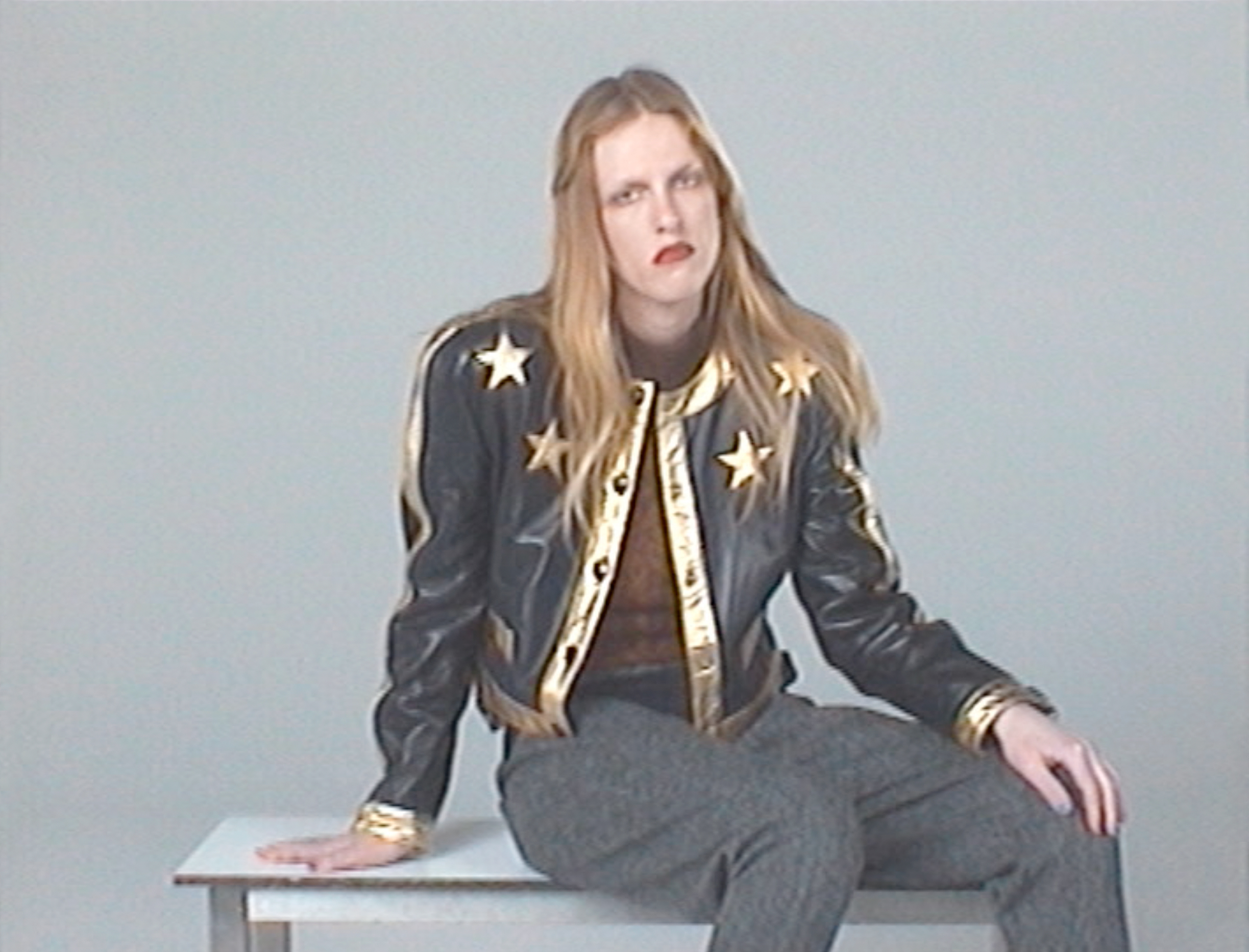
Audrey wears jacket archive ESCADA courtesy of Rellik, jumper archive SAINT LAURENT courtesy of Rokit and trousers RAPHAEL ROSENTHAL
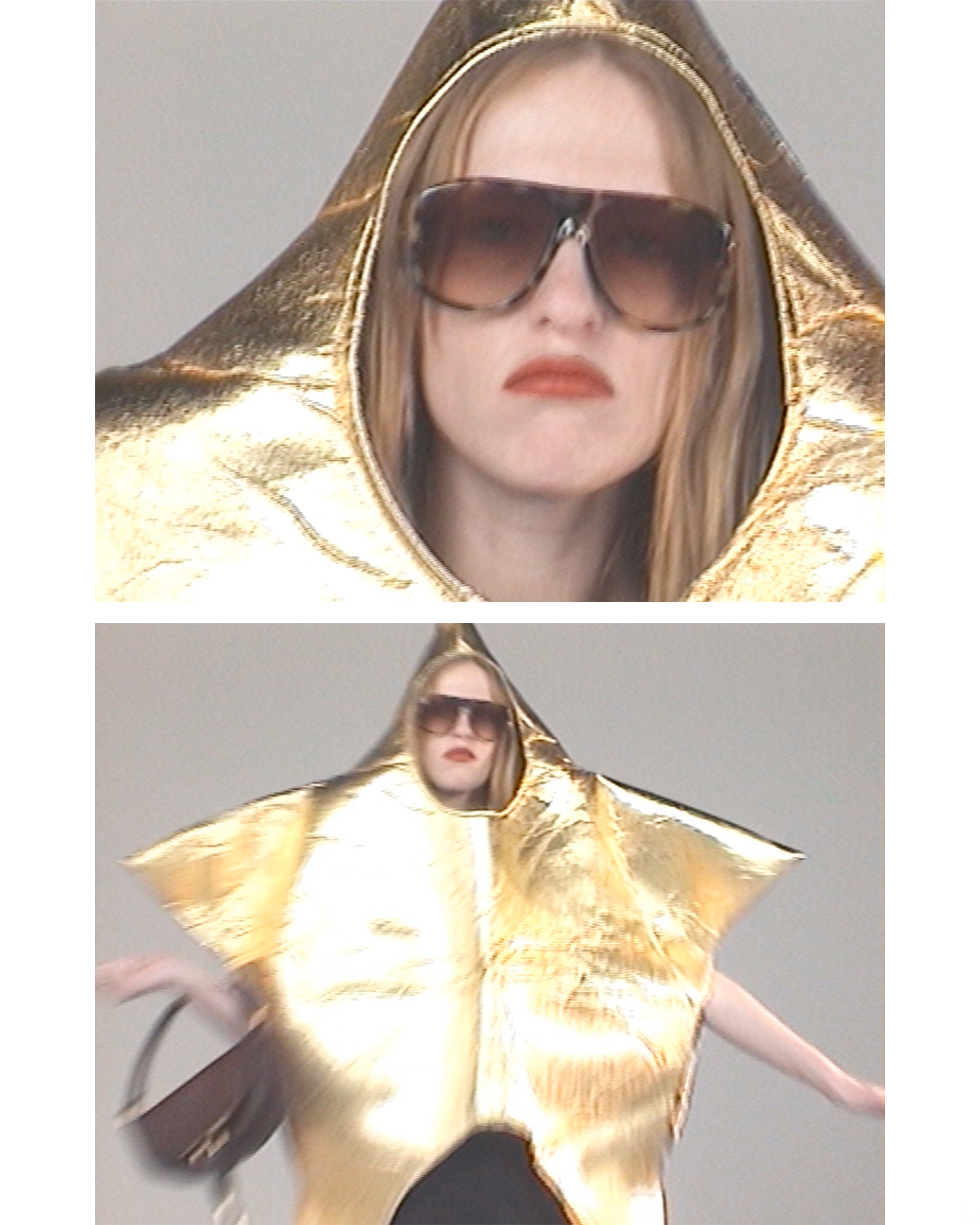
Audrey wears star costume stylist’s own, trousers MARGARET HOWELL and sunglasses and bag CHLOE
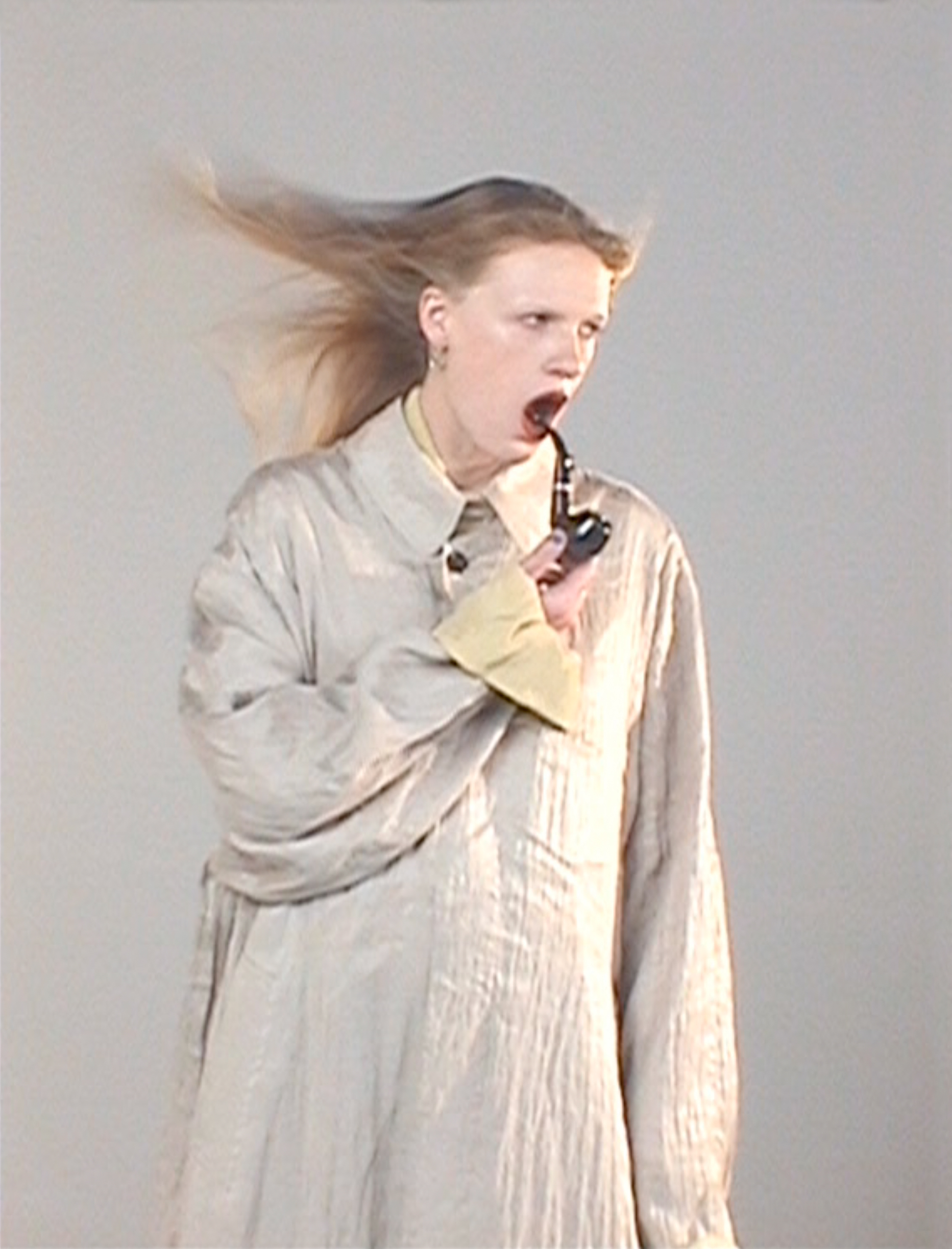
Audrey wears coat and jumper TOWNWEAR and pipe stylist’s own
The red herrings and tight structures and third-act twists of Hobert’s songs come from her background in screenwriting; she studied the subject at Tisch, the arts school at NYU, and briefly worked on one of her dad’s shows after she graduated. In 2023, production on TV shows shut down due to the Writer’s Guild of America strike; at a loose end, she began writing songs with her roommate and childhood best friend, Gracie Abrams. That whim resulted in, among other things, Hobert co-writing half the songs on Abrams’ chart-topping album The Secret of Us, as well as her single That’s So True – one of the best-selling of the 2020s.
Hobert says that she and Abrams “always had this friendship that felt like we were standing on ground, but one centimetre below the ground, there was a crazy fucking earthquake happening.” Their dynamic growing up was excitable and creative, so it felt natural to start writing songs together. “There was this thing bubbling between us for so many years, and then getting to put it all somewhere feels like destiny, written in the stars kind of stuff, and not something she and I ever planned for.”
At the first of Hobert’s Kentish Town Forum shows, Abrams watched from the VIP section, singing along to each song and beaming adoringly. As soon as Hobert’s set ended, news of Abrams’ attendance spread like wildfire, forcing her to spend at least 15 minutes waving to the crowd from the balcony like Princess Diana.
I ask Hobert if she ever feels competitive with Abrams, and she pauses to think. “I’m very happy for Gracie, like truly, deeply, I feel like nothing could ever overshadow what it is like to watch someone from such a young age know exactly what they’re going to do, and do it and get to this high level. Watching it unfold, no feeling could ever overpower what that is,” she says. I say she’s sidestepped the question, to which she replies: “Then there you go.”
Parts of Who’s the Clown? were inspired by the success Hobert experienced from working with Abrams: Chateau, a Liz Phair‑y radio-rock track, is about attending a party with her at the Chateau Marmont and finding the social dynamics bizarre and fake. Bowling Alley is a metaphor for getting recognised by your peers after you’ve had some success. A lot of her songs are astute observational studies, the types of which you can only write when you’re suddenly pulled into a world in which you’re a total outsider. The rub, I suggest, is that an ascendant pop star like Hobert can only convincingly make one album where she’s the wallflower.
“I know, and it’s killing me,” she says. “It’s just like, I now go to parties, and I used to not talk to everyone but I could watch everyone, and no one ever saw me watching them. And now I go to these parties and I talk to everyone, which means I didn’t talk to anyone. If I have a conversation with almost everyone there, it’s like, who did I have a conversation with?”


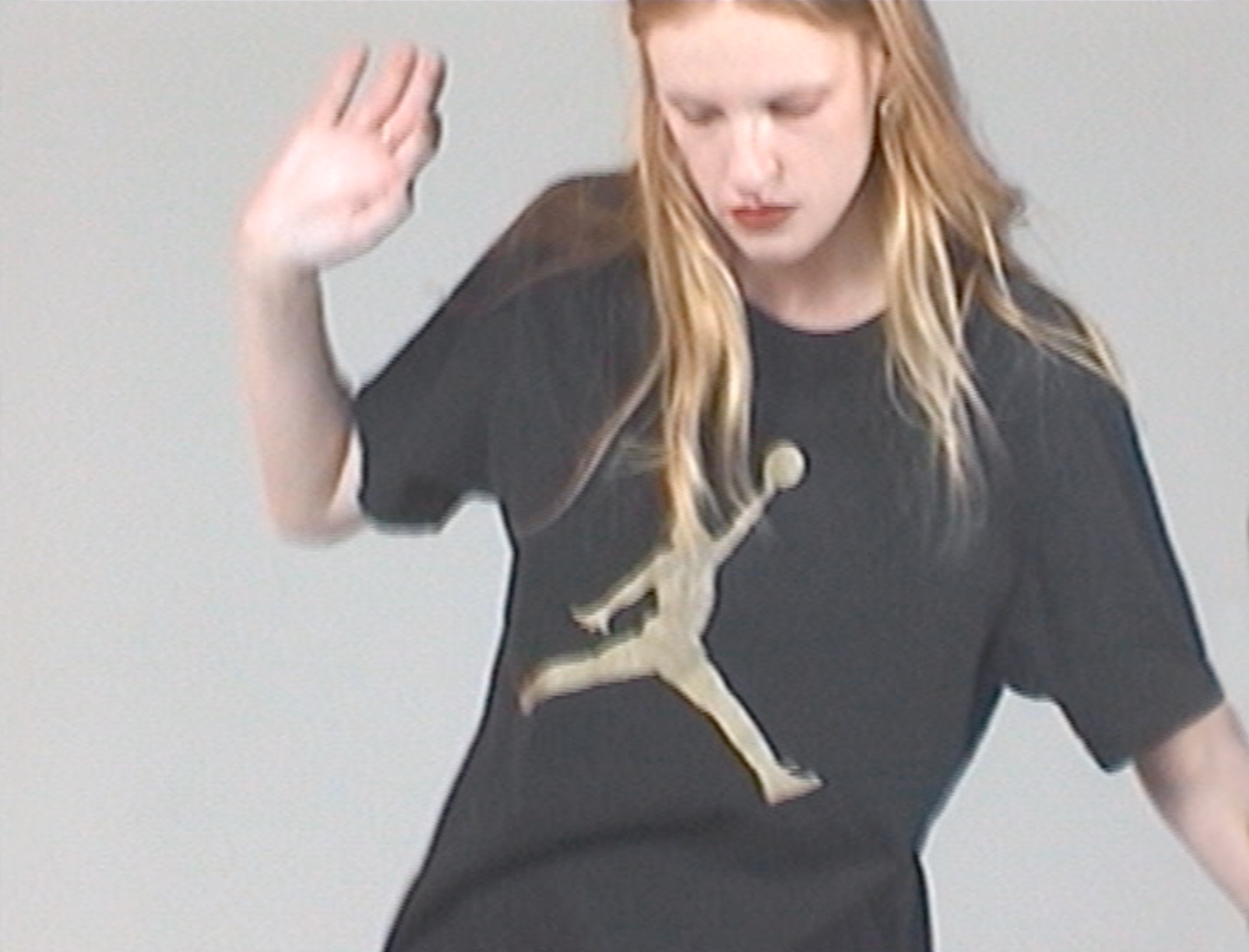
Audrey wears T‑shirt archive NIKE AIR JORDAN courtesy of Rokit
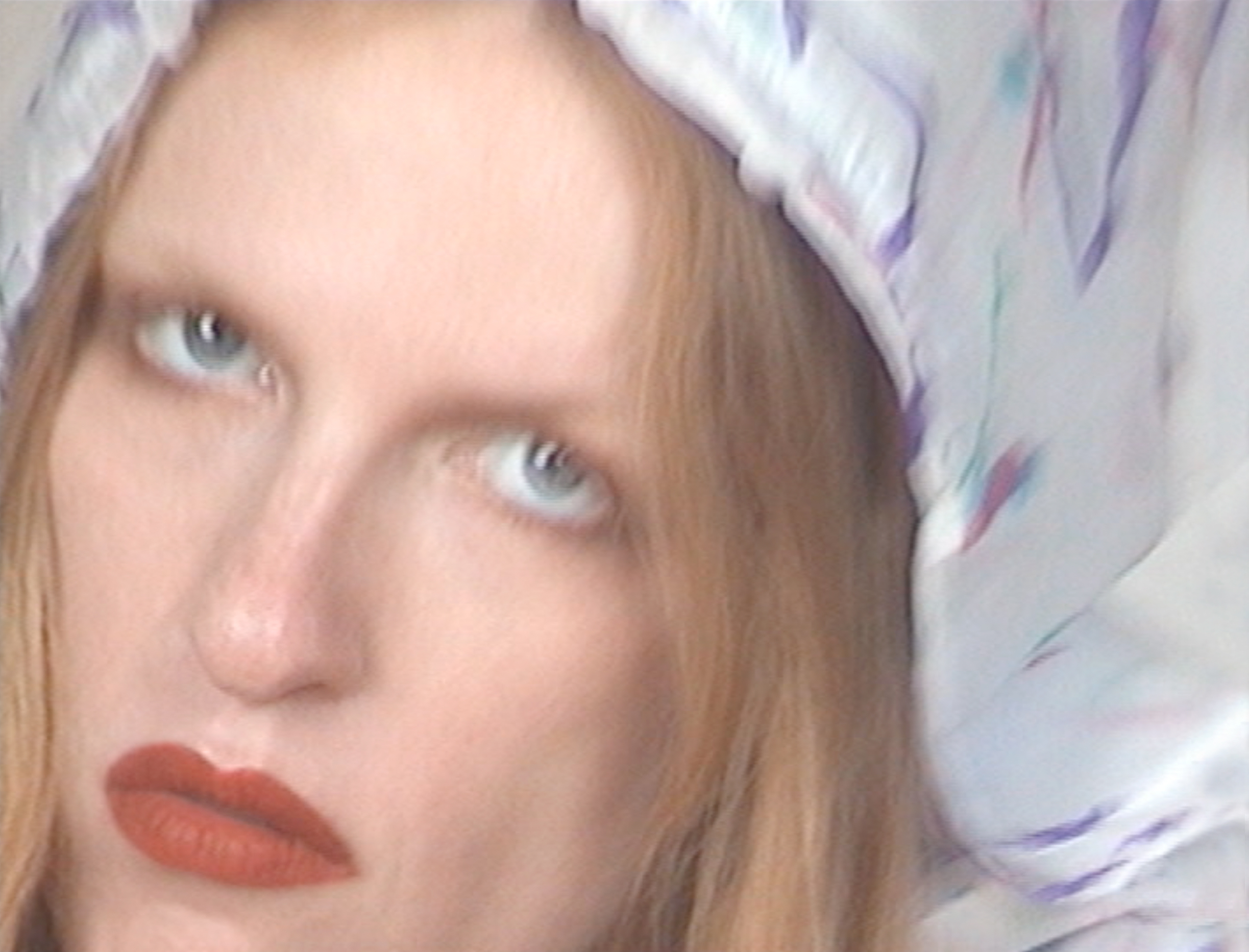
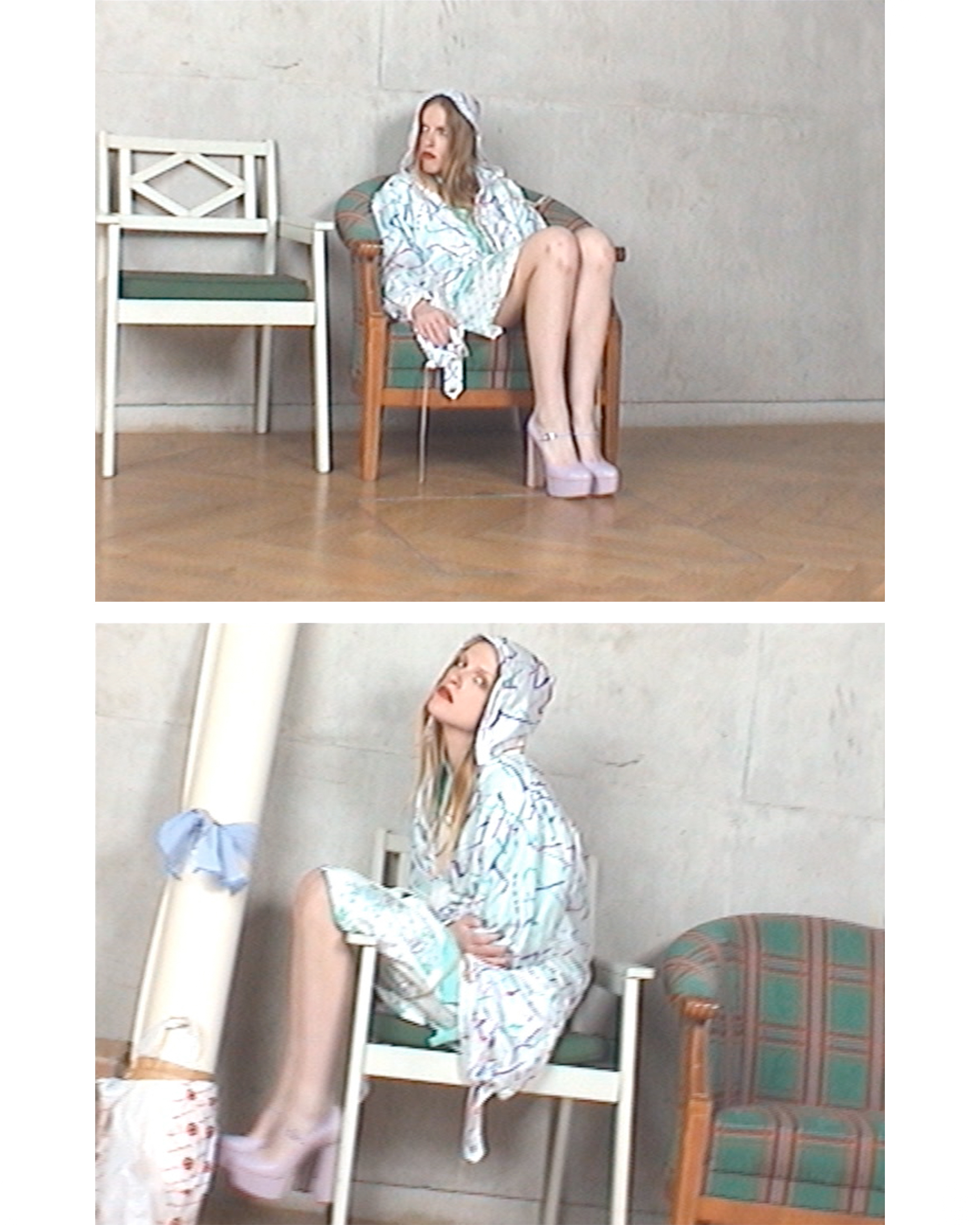
Audrey wears jacket SERROIT, T‑shirt archive POLO BY RALPH LAUREN courtesy of ROKIT VINTAGE, dress ASHLEY WILLIAMS and shoes GINA
At least the parties have been fun, though. At a recent Grammys party at the Chateau, she met Charli xcx and “got super starstruck.” “It was at the point of the night where I was drunk and high, and I was like, ‘Don’t black out, don’t black out,’ not because I was so drunk or so high, but because I was like I cannot believe I’m fucking talking to you, icon and legend,” she says. Did the party, I ask, feel anything like the one that Chateau inspired? “Not as much, because people like that I’m there now. People recognise me. That song was born out of a complete feeling of like, ‘Why the fuck doesn’t anybody know me here?’ It’s like, ‘I am one of you – start acting like it!’”
Now she is one of them, and is beginning to feel her attempts at normalcy bump up against the realities of her new life. She still only flies economy, for example, because “I still don’t feel comfortable spending a lot of money on one flight,” and was recently sat next to a fan. “Every single flight I’m on, especially if I’m in coach, someone’s coming up to me. There was one time I sat directly next to someone who loved me, which was wild,” she says. “She was pretty chill, but it was still like, ‘What the fuck?’ — I think I was drafting something about the tour, or a song that hadn’t come out yet. And I was like, on the lowest brightness possible.”
I call Hobert a few weeks later when she’s in New York, taking a two-day pitstop to see her brother and have some meetings. (During our call, she’s on her daily treadmill walk, a bid to improve her lung capacity for live performance.) After the UK and EU tour dates, she took a solo trip to Cork to focus on writing the follow-up to Who’s The Clown? “By day three, I felt like I was in The White Lotus, and on the last day, I felt like I was in The Shining and I was like, get me the fuck out of here. But it was beautiful, and I like what I wrote there.”
The past few days, Hobert has been “in a bout” of comparing herself to other female musicians, and has been trying to shake herself out of it. “It’s something I believe is a part of this career as a female singer, and I think that anyone who says they don’t experience it is lying to themselves,” she says. “I’ve never wished I was anyone else, and even now, that’s not what the thought is, but it’s more like… I don’t even know. I feel like I can only describe it once I feel like I’ve gotten out of it.”
Over the past few months, Hobert has become cognisant of the fact that, to operate at the highest level possible, she needs to be a little more cutthroat, needs to think about herself in terms of career strategy and roll-outs sometimes. “In order to make some kind of global impact as an artist, you need to be competitive. What I’ve learned is that just being good is not enough – you have to want it so badly,” she says. “I feel so sure of my talent, and I feel so comfortable not feeling like I need to be anything else, and what I’m starting to understand is that you need to be so strategic that it feels like the antithesis of why anyone does this. Part of me wants to shove my arm out and reject it fully, but I know that’s not gonna get me anywhere, and it’s probably just gonna haunt me.”
The plan for the follow-up remains the same as Who’s The Clown?: no co-writers. Even if she does get even bigger, the songs will come direct from the source, without interventions – just a girl singing songs inspired by MY REAL LIFE.
“From the bottom of the heart, I can confidently say: if I’m releasing an album, if I’m releasing something under my own name, I will solely write it,” she says. “That’s why I’m doing this. That’s why I’m interested in this. I just don’t care [to compromise] when it comes to my own perspective. And if it’s shit, that’ll be my fault.”
CREDITS
hair Tom Wright at Streeters make-up Daniel Sallstrom at MA World Group set designer Polly Philp at The Magnet Agency manicurist Liia Zotova production 360PM photographer’s assistant Rory Cole digi op Vrinda Jelinek stylist’s assistants Maia Burt and Amilia Howells hair assistant Darja Lätt make-up assistant Martina Derosa set designer’s assistants Harry Beedle and Marta Stok

