
Jorja Smith reflects on her evocative breakthrough single, Blue Lights

2016 was a game-changer for the UK star.
Music
Words: Sope Soetan
Many of us have been looking back on 2016 with rose-tinted glasses recently, getting all misty-eyed at our photos from what’s now considered a landmark year for culture. But for Jorja Smith, the year is undeniably of special significance. At the age of 18, the Walsall singer released her breakthrough track Blue Lights, kickstarting her career as one of the freshest voices in UK music.
Anchored by Smith’s jazz-infused vocal delivery, Blue Lights was an arresting slice of British hip-hop soul with trip-hop affectations. The track was also steeped in timely social commentary, featuring ghostly samples of Dizzee Rascal’s warnings in his 2007 track Sirens.
Written against the backdrop of prevalent stop and search operations that disproportionally targeted young Black men, Blue Lights offered a chilling meditation on the paranoia and anxiety of living under the threat of police surveillance. While the media was focused on the first wave of the US Black Lives Matter movement, Smith’s lyrics reflected the residual impact of the 2011 UK riots. After demonstrations initially broke out in London, they also spread to towns like Birmingham and Coventry, not far from Smith’s native Walsall.
“I still appreciate that observational instinct I had back then”
Jorja Smith
Speaking on Blue Lights’ ability to still strike a chord all these years later, friend and collaborator Wesley Joseph says: “I think it’s still relevant because it was grounded in a bitter reality that still exists today. It was written from an honest place so it will always feel relevant. Honesty doesn’t fade – particularly when the world still has real issues and real pain that calls for the music.”
Blue Lights was among the several tracks a then-unknown Jorja Smith had been developing after being scouted by her first manager at the age of 15. During this time, the future FACE cover star would routinely travel to London for early studio sessions with musicians Ben Joyce, Ed Thomas and Maverick Sabre, all while balancing the demands of her A‑Levels.
Self-released on SoundCloud on January 20th, Blue Lights amassed 400,000 listens within a month of its release, culminating into the track getting playlisted on national radio and earning a nomination for Best Song at the 2016 MOBOs. “I thought it felt like a classic the moment it came out,” says collaborator AJ Tracey. “It sounded like a track I’ve known and loved for years. It had that soul to it that you only find in a handful of tracks.”


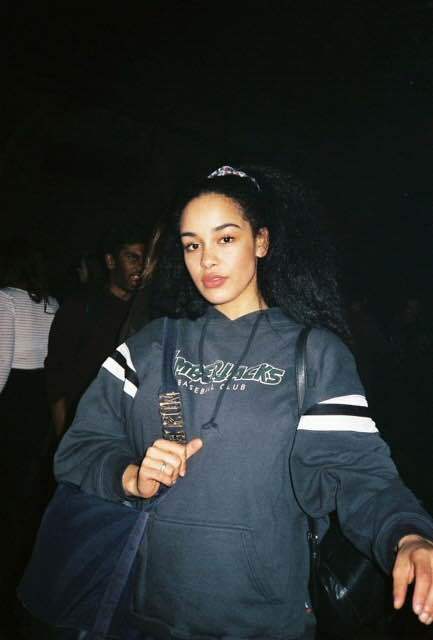
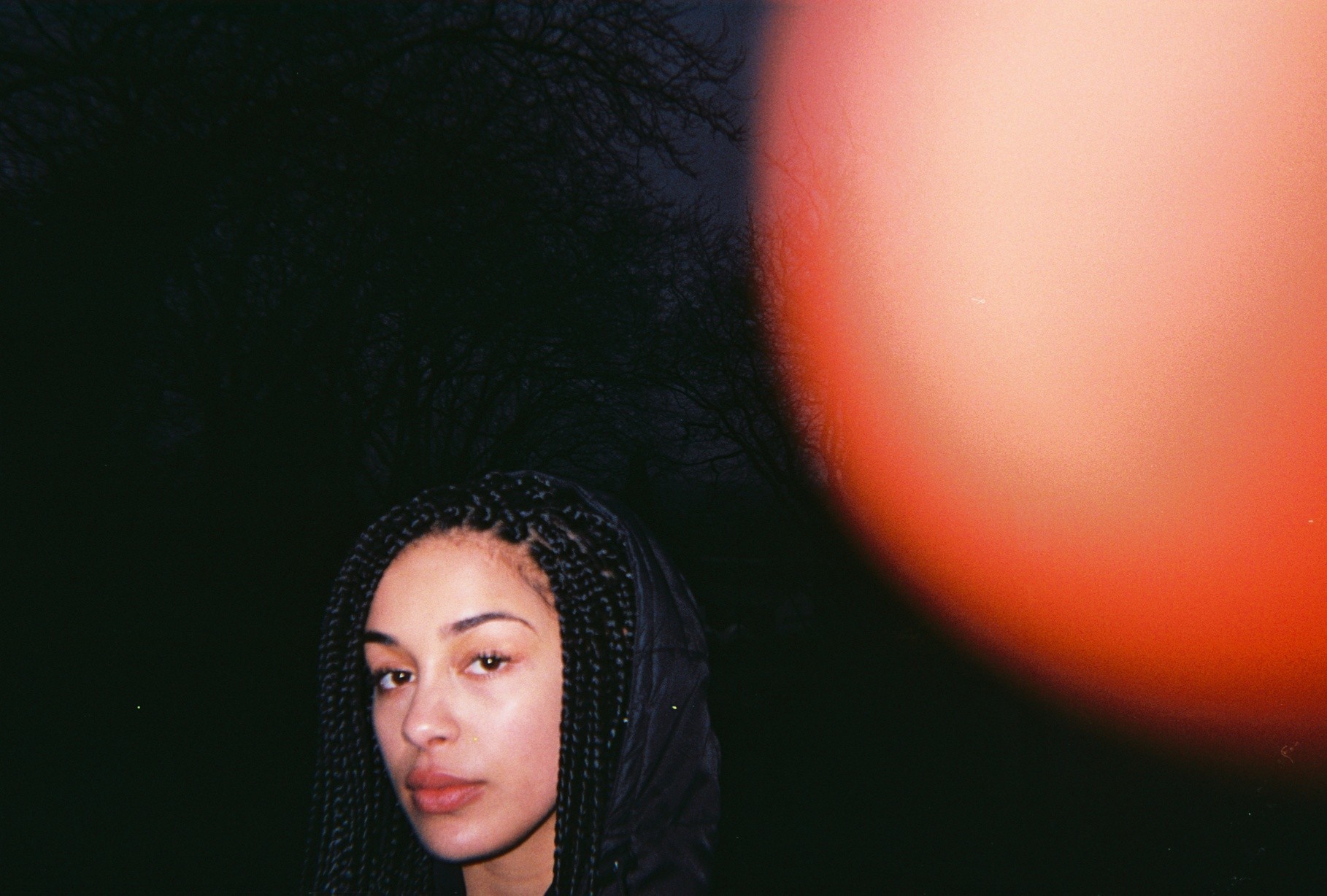
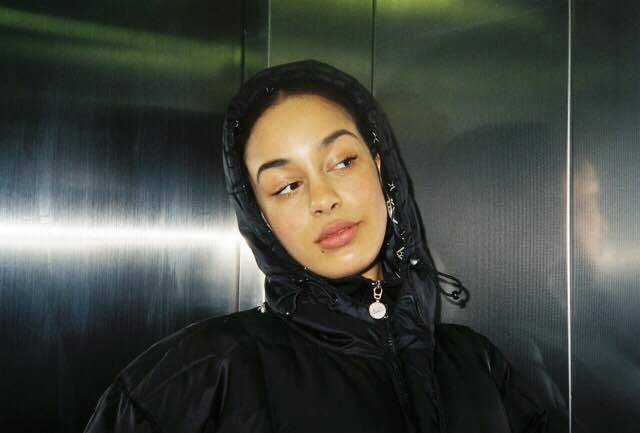
An accompanying video was released in 2018, in the lead up to Smith’s debut album Lost & Found. Directed by Olivia Rose, the visual notably doesn’t star Smith but features cameos from Midlands talent Benjamin Zephaniah, Mike Skinner, Preditah, Jaykae and Mist. Shot between Walsall and Birmingham, the striking black and white video centres grown men and young boys moving through everyday life, presenting them in an unguarded way that quietly dismantles stereotypes that can fuel harmful instances of police brutality.
The kind of thoughtful and socially-conscious observations in Blue Lights would come to be an early signature of Smith’s from early 2016 to 2018. Songs like Imperfect Circle, Lifeboats (Freestyle) and Beautiful Little Fools dealt with wealth inequality and the perils of patriarchy, revealing the perspectives of a growing young woman making sense of the world around her. This common thread in her work resurfaced in the Demo Dump ‘16 EP, which was recently released to commemorate Blue Lights’ 10th anniversary. On the track Beneficial, Smith takes inspiration from conversations with her father, who is a benefits officer. “Money is always hard to find,” she sings in a rapping style, “Benefits are beneficial, just ask the man in the middle”.
“When I was younger, I was observing a lot more than I was actually experiencing,” Smith says. “Now that I’m older, my writing comes from a much more direct place. I write about what I’m actually going through and feeling in real time. Although, I still appreciate that observational instinct I had back then – it taught me how to really pay attention.”

Among the many reasons why Jorja Smith’s arrival felt so potent was that it ran parallel to a number of changes coalescing in the British music landscape – a time when the UK’s Black music was becoming unapologetically British in its sound and presentation. During the early 2000s, British R&B was in the midst of a golden age, where the likes of Jamelia, Mis-Teeq, Craig David, Lemar and Beverly Knight were flying the flag for the genre. Yet beneath their success ran a persistent critique that they were no more than a mimic of what was happening in the US.
By the dawn of the 2010s, the conventions of British R&B and soul had shifted towards a moodier, minimalist aesthetic, in the wake of the alternative R&B movement spearheaded by The Weeknd, Frank Ocean, Sampha and Jhené Aiko. British R&B artists began to expand on this palette, incorporating elements of jazz, indie rock, electronic, grime and hip-hop into their styles. Blue Lights in particular was an outlier, eschewing familiar tropes of love, relationships and nightlife in favour of documenting the lived experiences of Black Britons. The track opened the door for diverse lyrical content from homegrown vocalists that skewed rawer and less polished. Clint419 – an old friend of Smith’s who’d later cast her in various Corteiz campaigns – feels that “the song sounded like a breath of fresh air when UK R&B felt stale. We needed something new and special at that time.” It felt like Jorja Smith was part of the new wave of UK singers such as Ray BLK, NAO and Mahalia, who embraced their accents and local slang.
“When we talk about classic UK bangers, Blue Lights is firmly in the conversation”
AJ Tracey
Blue Lights only ended up peaking at No.38 on the UK Singles Chart, in 2018, but the following year it was nominated for Best Contemporary Song at the Ivor Novello Awards, crystallising a trajectory that would come to define Jorja Smith’s presence; one based on consistent cultural cache as opposed to chart dominance. 10 years on Blue Lights holds court, not just as a stellar song in and of itself but as a cult classic. “When we talk about classic UK bangers this song’s firmly in the conversation,” AJ says.
In the decade since Blue Lights’ release, Jorja Smith has collaborated with the likes of Drake, Kendrick Lamar, Kali Uchis, FKA twigs, Burna Boy and Protoje, with various tracks in her discography being certified gold and platinum. Her steadily sustained career is also a win for independent music more generally, with all her music being released via the label FAMM, which Smith co-founded. At the age of 28, it might be premature to render Jorja Smith a veteran artist, but her decade-long run suggests she’s close.
Like most of us, she’s been getting a little nostalgic for 2016. So what advice would she have for her 18-year-old self who recorded Blue Lights? “You have absolutely no idea what’s coming,” Smith says. “That’s actually a really good thing. Keep dreaming, keep believing and keep being exactly who you are. Don’t rush anything, and don’t be scared of what you have to go through. Go through it all – the good, the confusing, the painful – because it all makes sense eventually, even if it really doesn’t at the time.”

