
Will Gucci creative director Demna revisit the house’s Tom Ford era?

With his debut Gucci show slated to be in March 2026, editors and fans have been wondering what the house under Demna’s helm might look like. Well, his husband gave us a little taste of what’s to come this week – and it’s imbued with Tom Ford’s Gucci codes.
Style
Words: Madeleine Rothery
When Demna’s musician husband Loïk Gomez posted, and then swiftly deleted, images that appeared to preview his first looks for Gucci, attention snapped on their Tom Ford-era echoes: namely a cropped leather jacket with jeans, a silhouette that felt lifted straight from Ford’s SS04 collection. But sartorial references are rarely only about nostalgia or viral image-making. Tom Ford’s Gucci crystallised a vision of sex and glamour in a pre-internet world – sleek, controlled, unapologetic sex appeal. In 2004, Anna Wintour, then an editor at American Vogue, wrote the following about Ford’s impact: “along came Tom, with his low-cut velvet hipsters and his slinky jersey dresses, and grunge was sent scurrying off back to Seattle”.
Demna, who was appointed creative director of Gucci on 13th March, by contrast built his design language in a participatory swirl of subversion, subculture, and digital irony during his Balenciaga tenure. If Ford’s Gucci was about bodies as surfaces of desire, Demna’s challenge is to show what desire could like when refracted through the hyper digital, fragmented gaze of our post-internet age – and also within the now-rickety legacy of the Milanese heritage house.


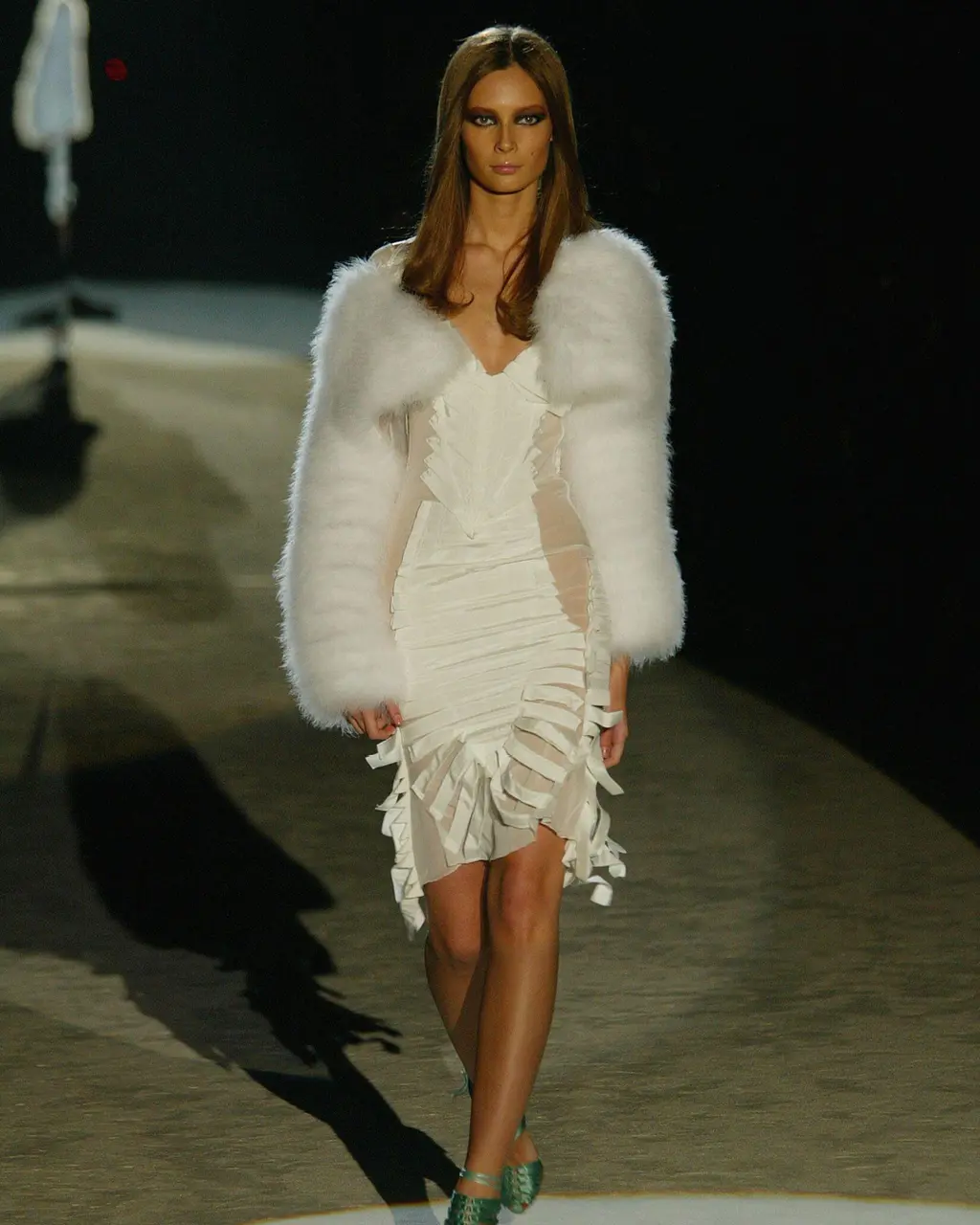
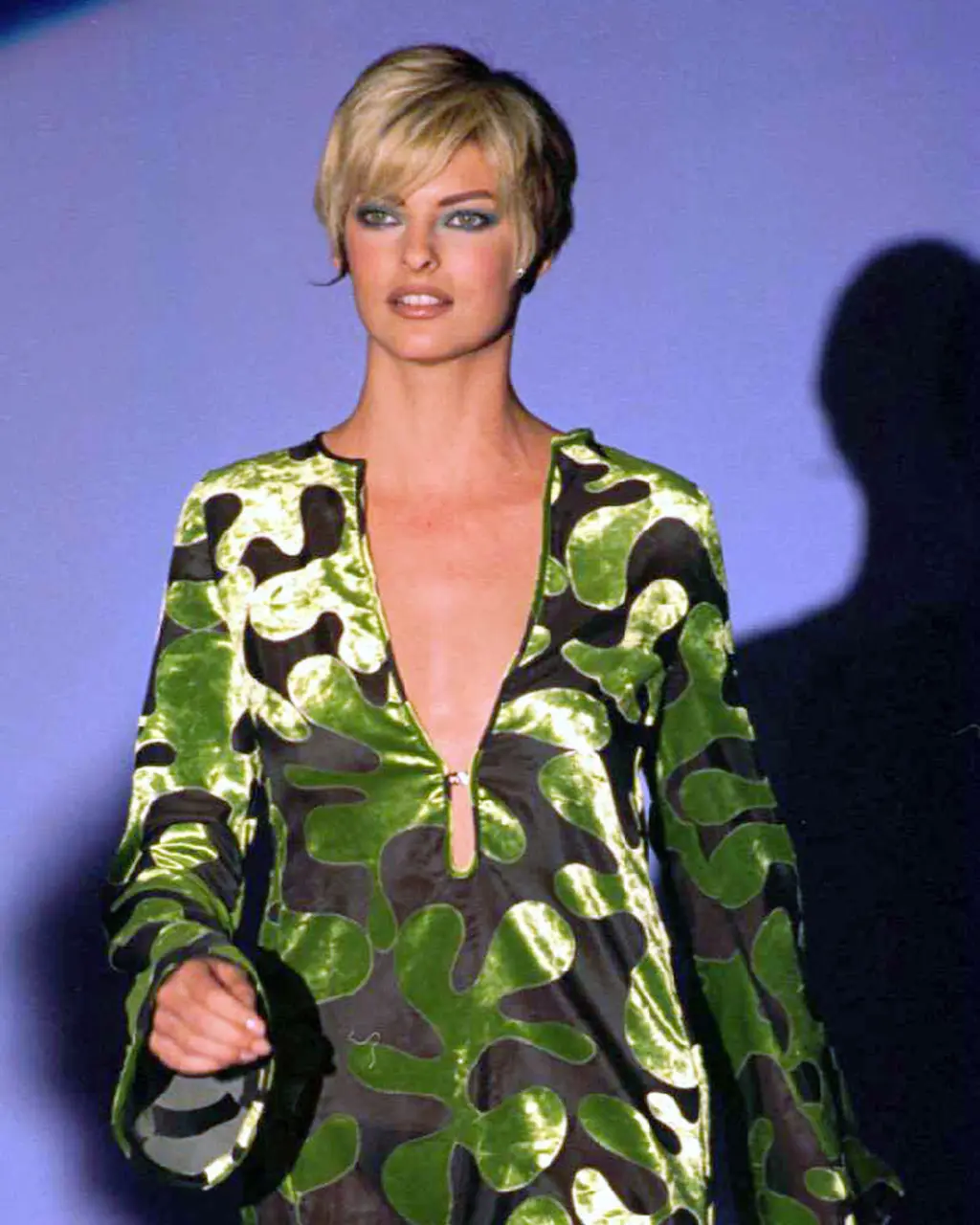
Ford’s Gucci was “built through mystery and exclusivity, which worked in a pre-digital world,” says Saba Bakhia, founder of @demnagram. Hip-hugging velvet trousers, liquid jersey gowns, slim cut satin shirts unbuttoned to the navel – each look transformed looking sexy, and feeling sexy, into a luxury. Mario Testino’s Tom Ford Gucci-era campaigns made that much explicit. “Today, fashion exists in a constantly visible, highly connected space. Demna has shown at Balenciaga that he knows how to create pieces that work both in real life and online, making them iconic in multiple ways.”
This all took place within a tightly controlled, analogue economy of images: glamour was precisely framed, and aspiration came from above. “Sex won’t ever leave and it still sells,” says fashion commentator Lyas. “That’s why Tom Ford’s era resonated so much – it offered women a way to reclaim ownership over their bodies. And Demna has never really tapped into this. He’s always covered his models’ bodies. It would be clever to see what he can do with more skin.”
For artist Ana Viktoria, who has worked alongside Demna, “glamour has always been a tool of the industry to enforce control through collective delusion. And now the internet functions in exactly the same way.” Perhaps it’s this sense of continuity that makes for fertile ground: if Ford built allure through mystery, Demna can reimagine it through ubiquity, turning visibility itself into a play of subversion and perversion. “My generation is tired of being told to stay quiet,” Lyas adds. “The ultimate luxury is being free in your body. Gen Alpha might hate it, but Gen Z will support it.”


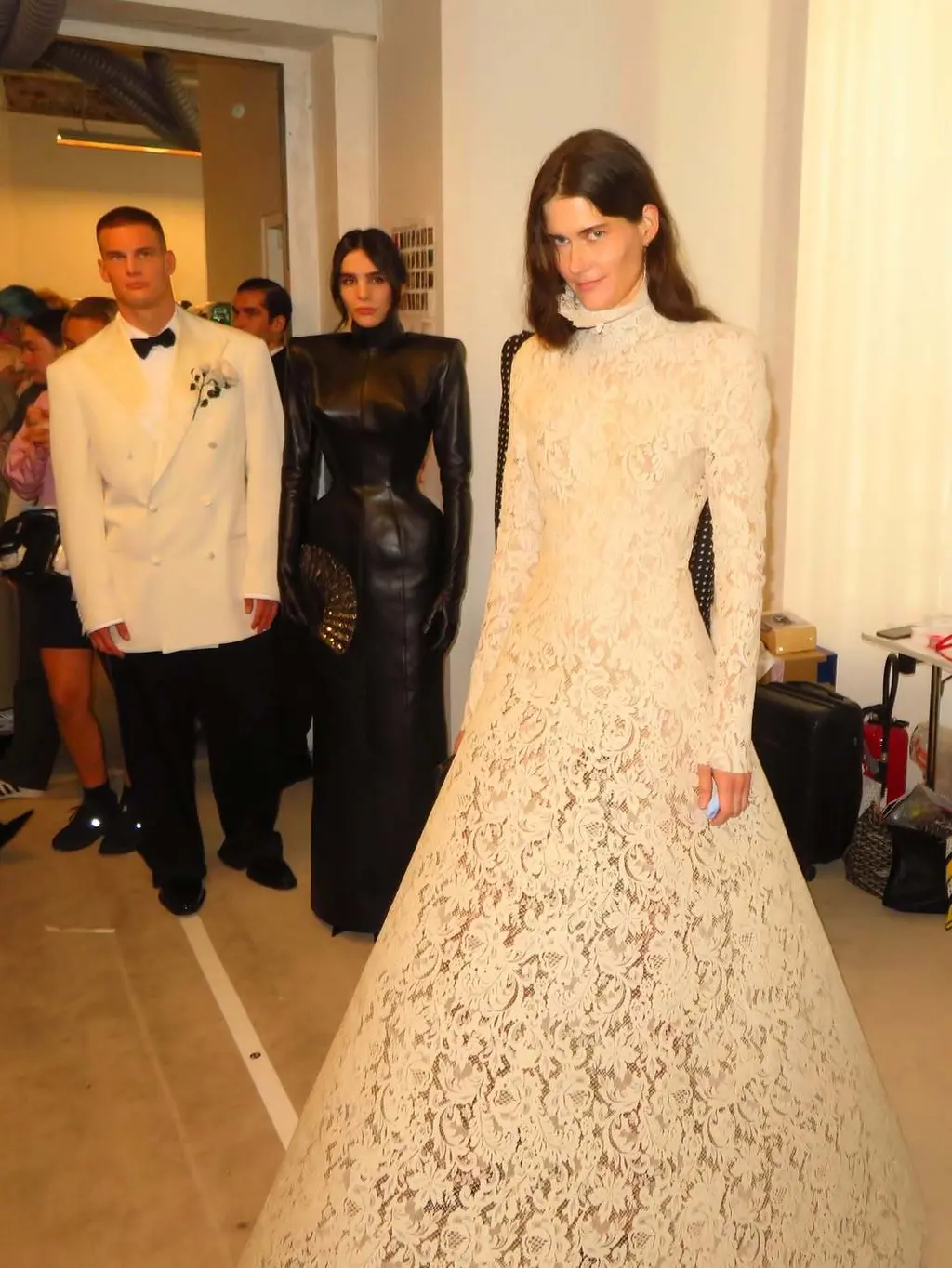
A look from Demna’s final haute couture Balenciaga show.
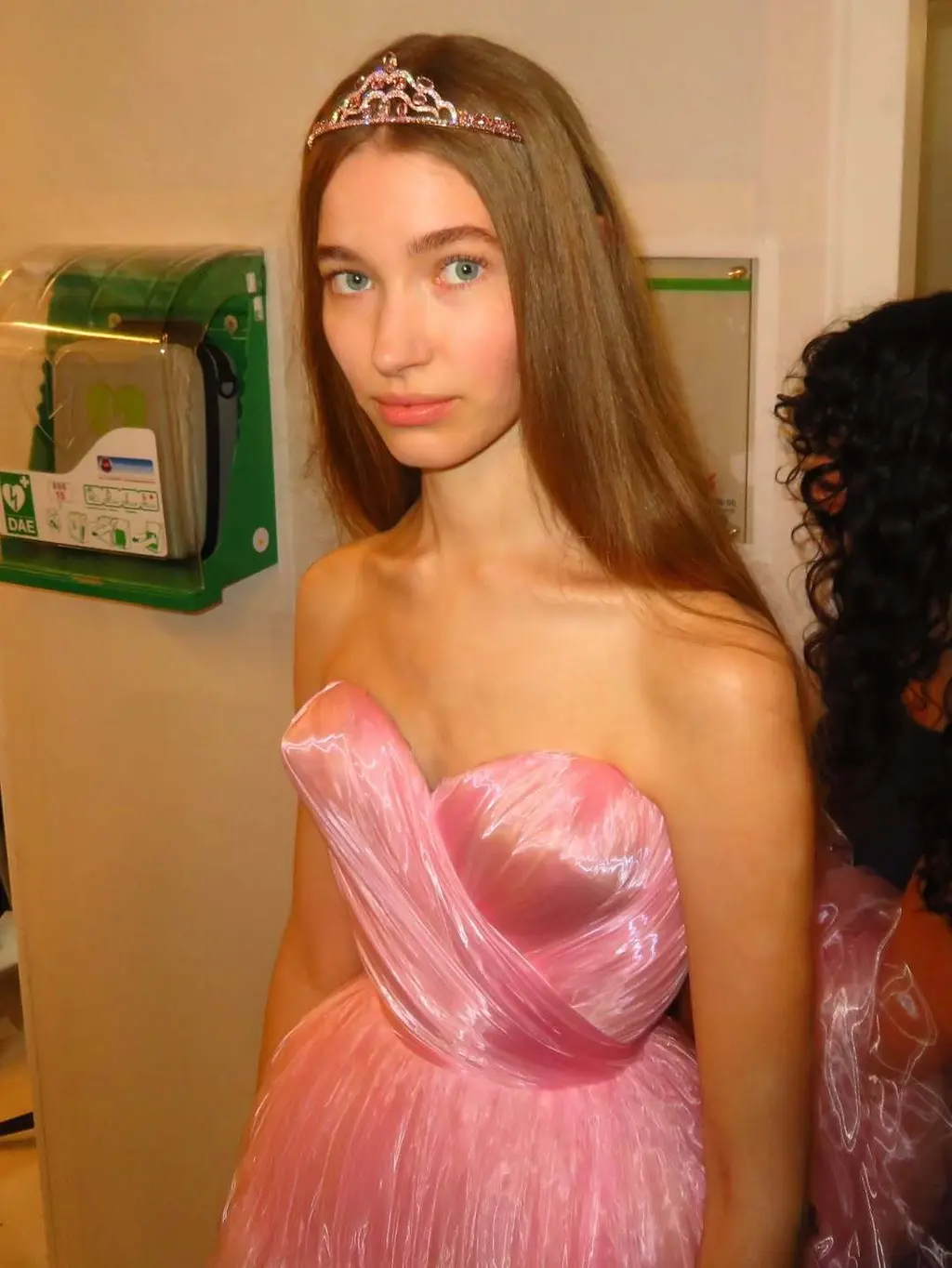
Another look from Demna’s final haute couture Balenciaga show.
Backstage, after his final couture collection for Balenciaga, Demna proposed that “it’s not the garment that defines the body, it’s the body that defines the garment.” Such a belief reframes sensuality away from the polished surface and allows for the multifacetedness of his fanbase. “He also proved that he is not only about irony, but also about mastery of cut and form,” Bakhia says. “That combination – radical spectacle and uncompromising craftsmanship – is what I see carrying into Gucci.” Where Ford’s sexual revolution was largely staged for a singular gaze, Demna’s could be fractured, participatory: different bodies, different kinks, different ways of defining desire.
Perhaps this is why the prospect of Demna revisiting Tom Ford’s Gucci feels so charged. It would never be a simple homage (i.e. the iconic “G” thong reissued as nostalgia bait) but rather a collision of two sensibilities: Ford’s sleek Italian sex appeal and Demna’s post-internet wryness. “If Demna chooses to reference Ford’s energy, it will be fully filtered through his own vision,” Bakhia says. “Judging by what he achieved at Balenciaga – turning a limited set of codes into a cultural phenomenon – we can expect him to present it in a way that feels powerful.” Already, there were hints in Loïk’s post: ’90s-esque blue-tinted sunglasses, double‑G belts, logo T‑shirts that warp the archive into something strange yet sharp.

At Gucci, Demna will inherit an archive brimming with history. “Character dressing seems to be still super relevant, and while we see the French boho manifestation pop girl at peak,” says Viktoria. “I’m interested in what other Italian archetypes there are to explore? I feel we are in need of a new character trope.” Could we expect then, not only a reanimation of Ford’s sexiness, but the invention of fresh cultural characters care of Demna to carry it forward?
In a moment when fashion often feels risk-averse, it is an exciting hope that Demna could inject a vision that is personal and authentic, rather than algorithmic. “After the palate cleanser that was the last designer, Demna is gonna shake things up,” predicts Lyas, “He knows how to handle the Kering people. He’s a real genius – the right one to make the house rise again.” At his final Balenciaga couture show, the handwritten note on each seat read: “Fashion lives on the edge of tomorrow, driven not by what we know but the thrill of discovering what comes next.” Taken as a parting line, it also feels like a beginning – a credo that may find its fullest expression at Gucci.

