
Barry Kamen: Buffalo, outsider, muse

The late model and stylist was a stalwart of ’80s British fashion, but hardly anyone knew he was an artist, too. As a new exhibition celebrating his work opens at Graces Mews gallery, those who knew him best reflect on his legacy.
Culture
Words: John Sunyer
The art world rarely moves in straight lines. Some artists break through fast – the right gallery, the right collector, the right story – and suddenly everyone’s watching. Others get ignored, misunderstood, written off. Sometimes this is about luck; sometimes it’s about who controls the narrative. Many are remembered more for who they hung out with, or their image, than for the work they actually made. Sometimes it’s only much later, when the noise fades, that the work resurfaces and commands attention. Barry Kamen is one such artist.
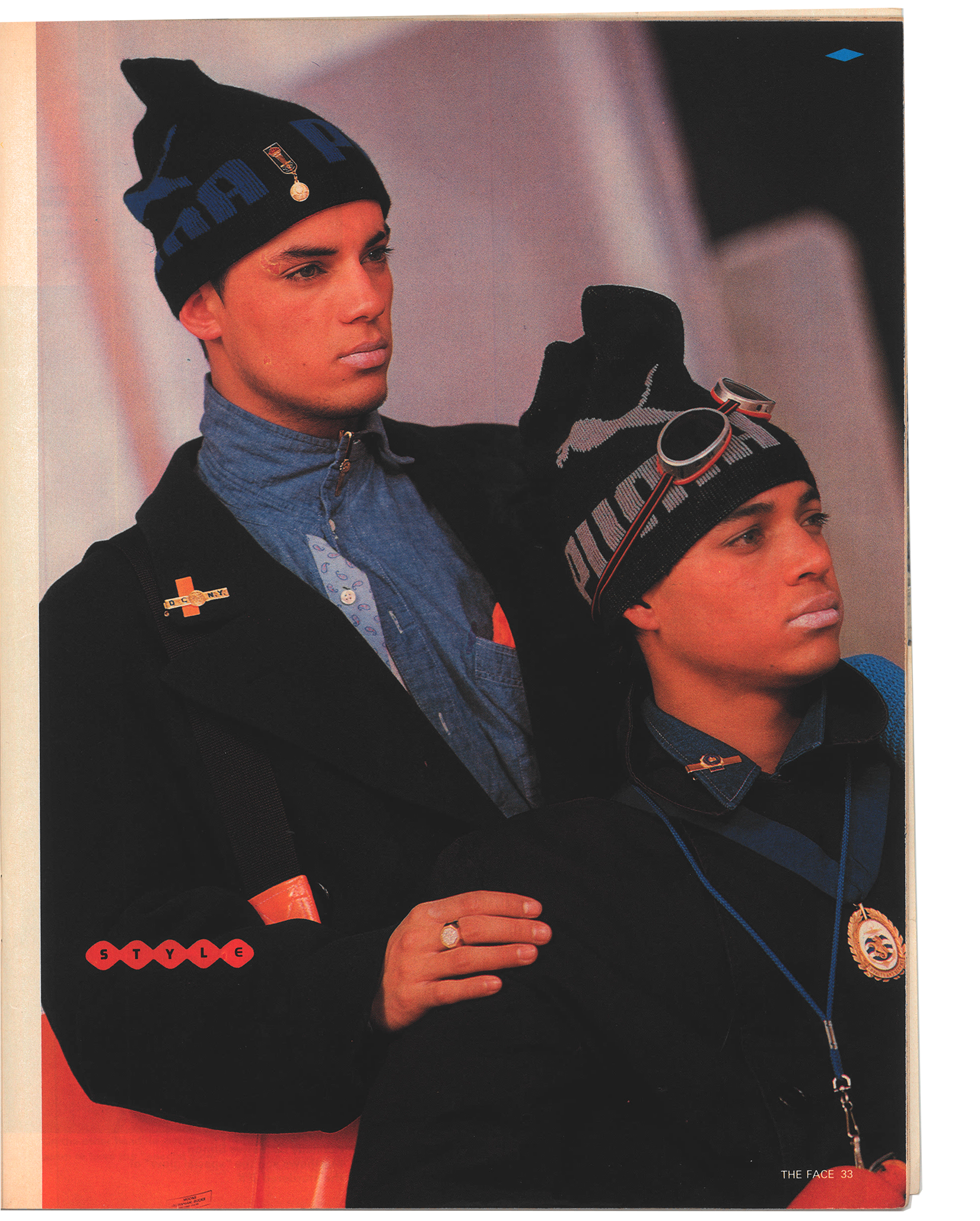
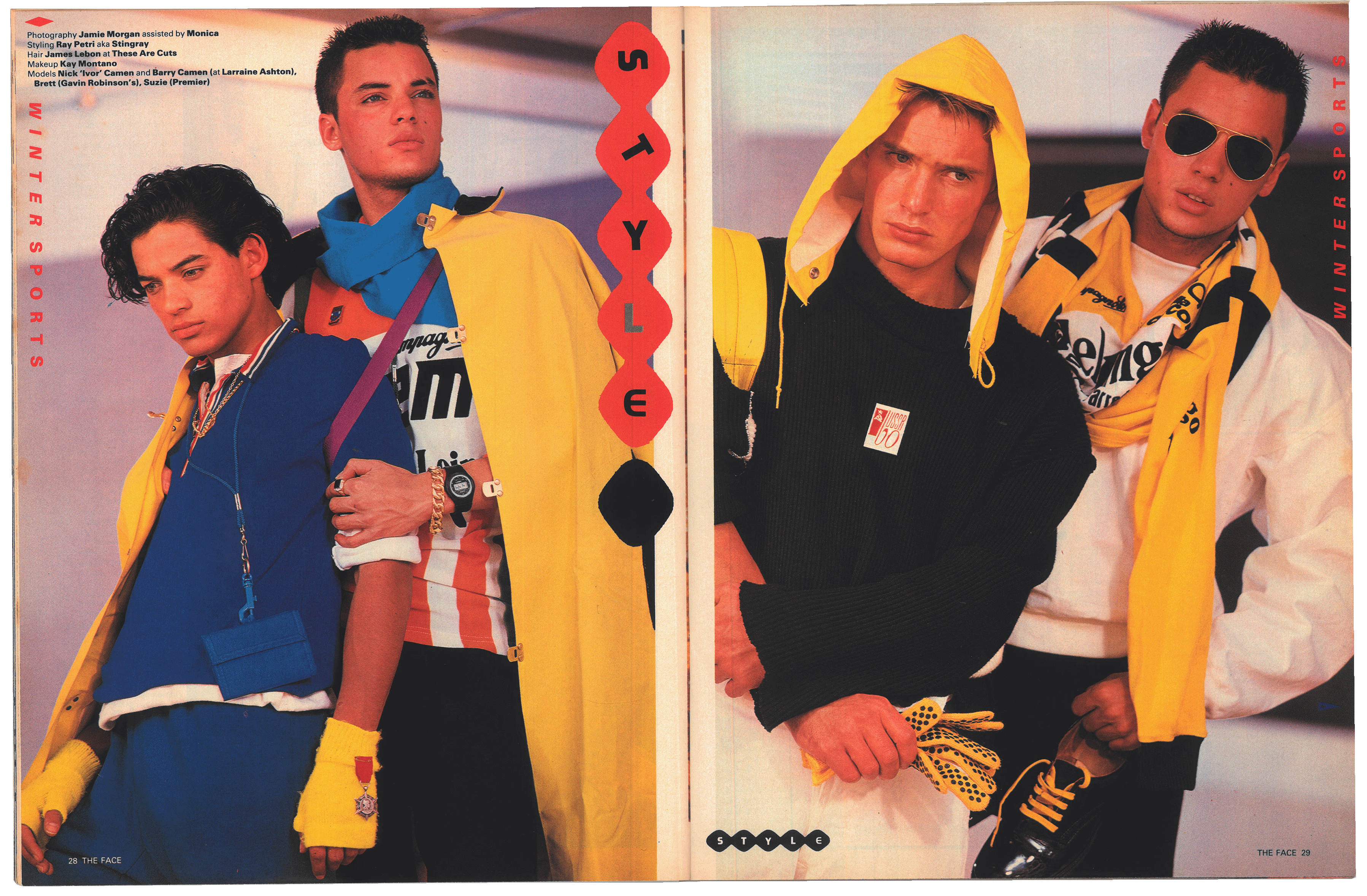
Kamen first came to public attention as part of London’s Buffalo movement in the ’80s, which completely shook up British fashion imagery. Co-founded by photographer Jamie Morgan – who often shot Kamen for THE FACE and i‑D – and stylist Ray Petri, Buffalo was all about street casting models, putting men in skirts and mixing tailoring with streetwear in ways nobody had seen before. In his memoir A Visible Man, Edward Enninful writes: “Buffalo co-opted symbols of strength for people who most of the world weren’t used to seeing claim ownership of anything.” Photographer Campbell Addy and designer Martine Rose have also credited Buffalo’s subversive approach to style as a major influence on their work.
As both a model and a stylist, Kamen was central to shaping the Buffalo collective’s radical aesthetic. But what came after is less known: there were years of quiet, solitary work making paintings and collages, but almost no shows, no gallery representation, and certainly no myth-making. Kamen died unexpectedly, aged 52, while painting in his studio. Much of his work has been shut away in storage since then, making it even harder for audiences to encounter. At photographer Tyrone Lebon’s recently opened Graces Mews gallery, a 7,500-square-foot former printer’s workshop in Camberwell, South East London, a new exhibition aims to finally bring Kamen’s work into clearer view. If It Is marks 10 years since he passed.


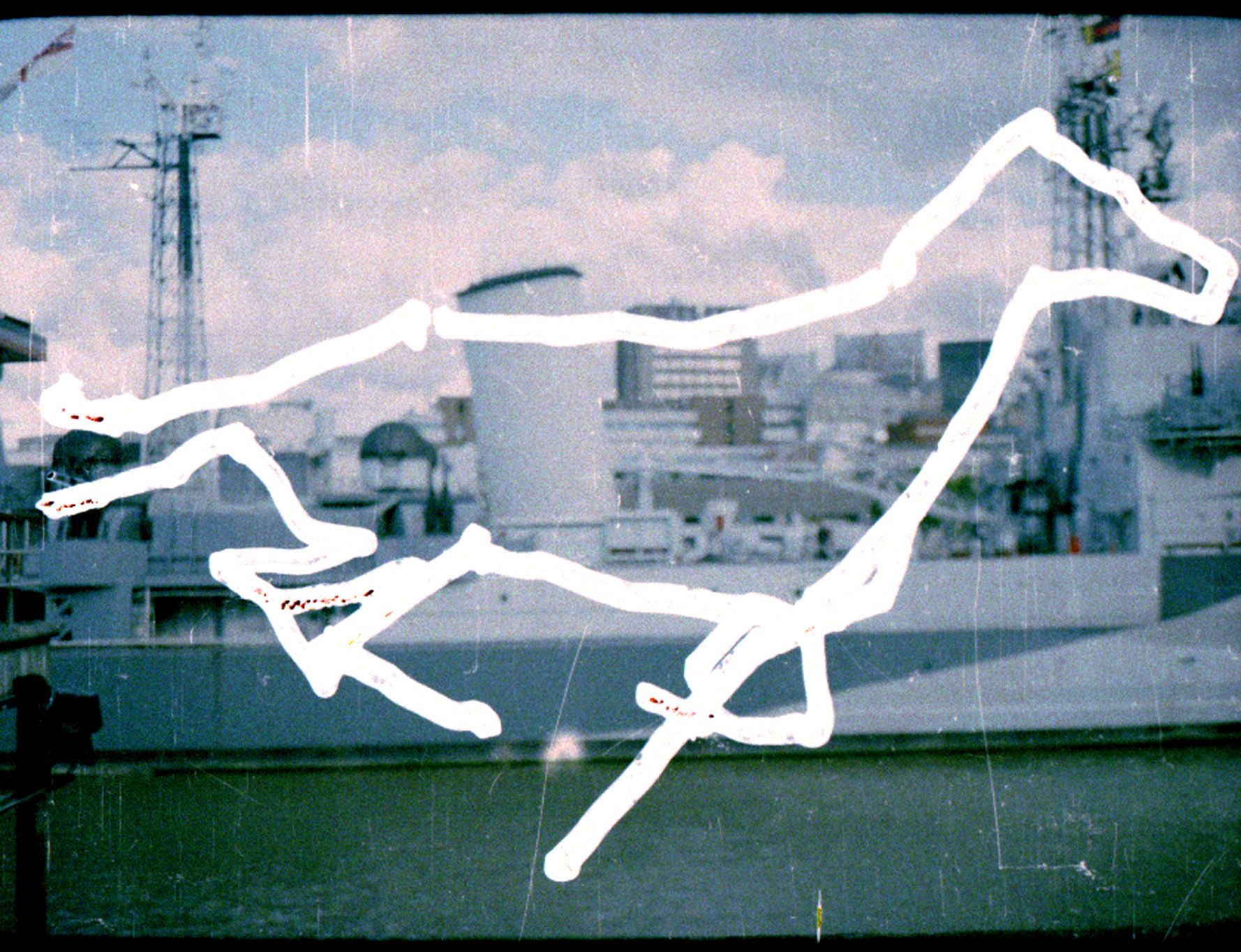
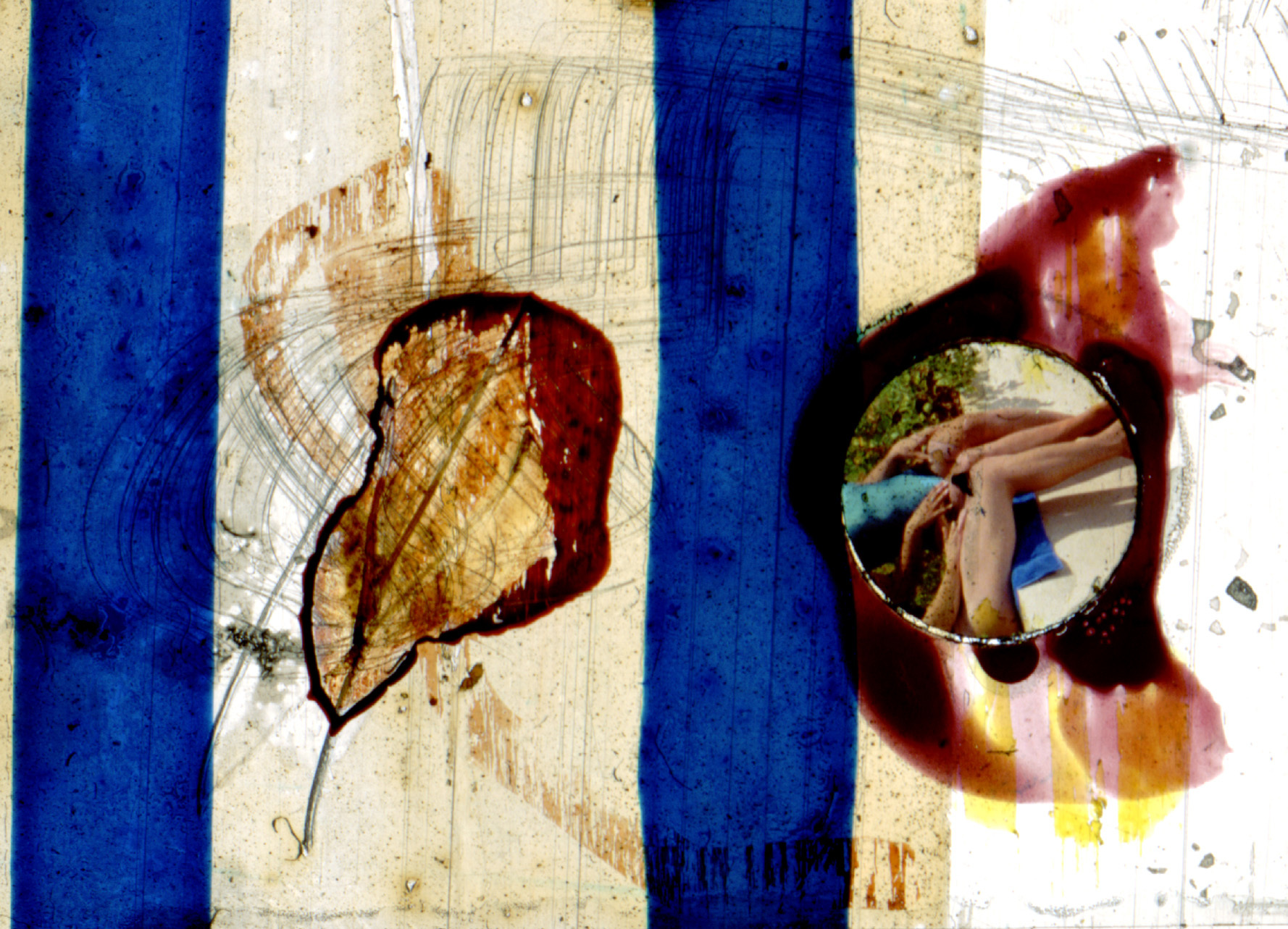
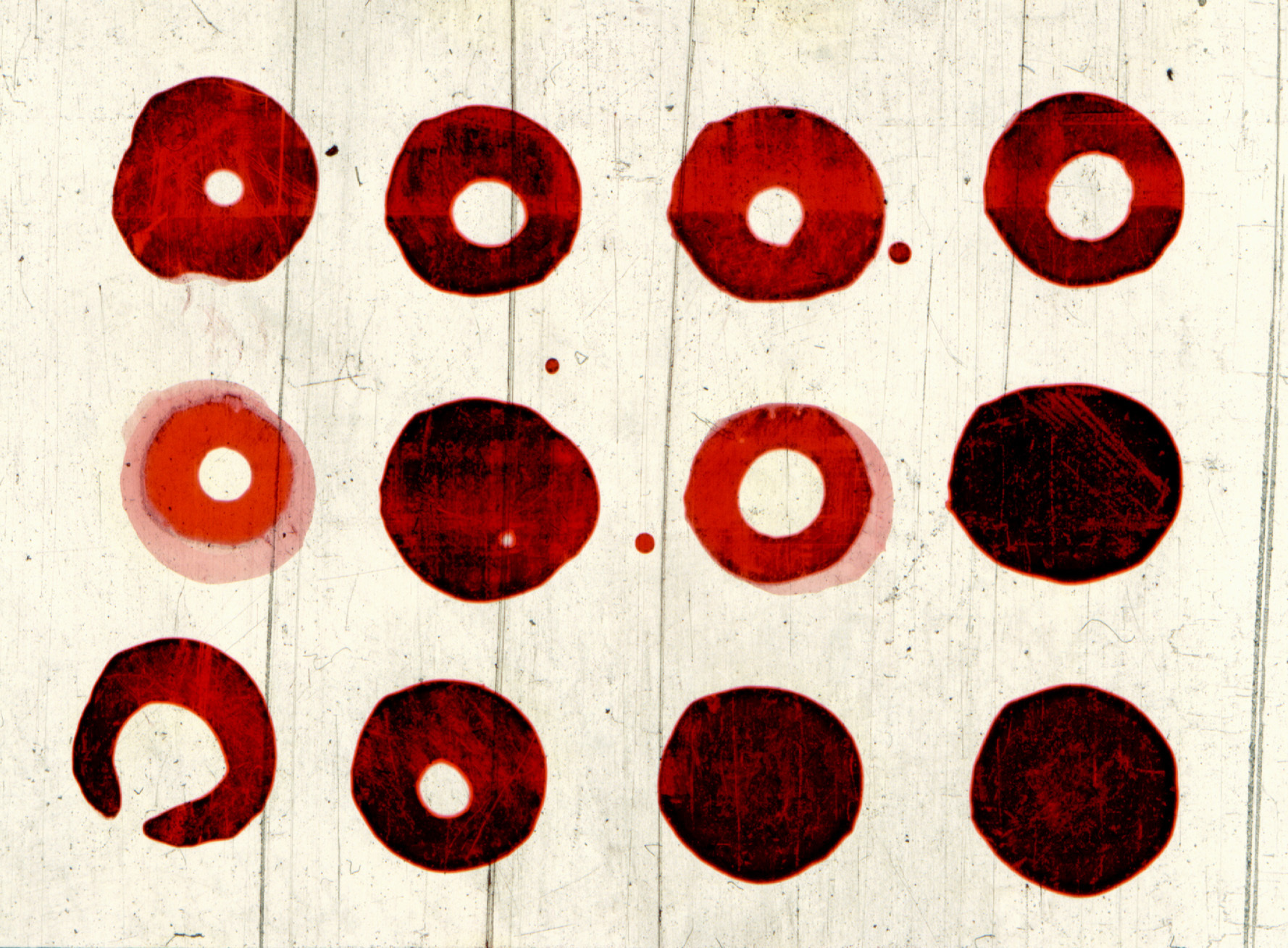
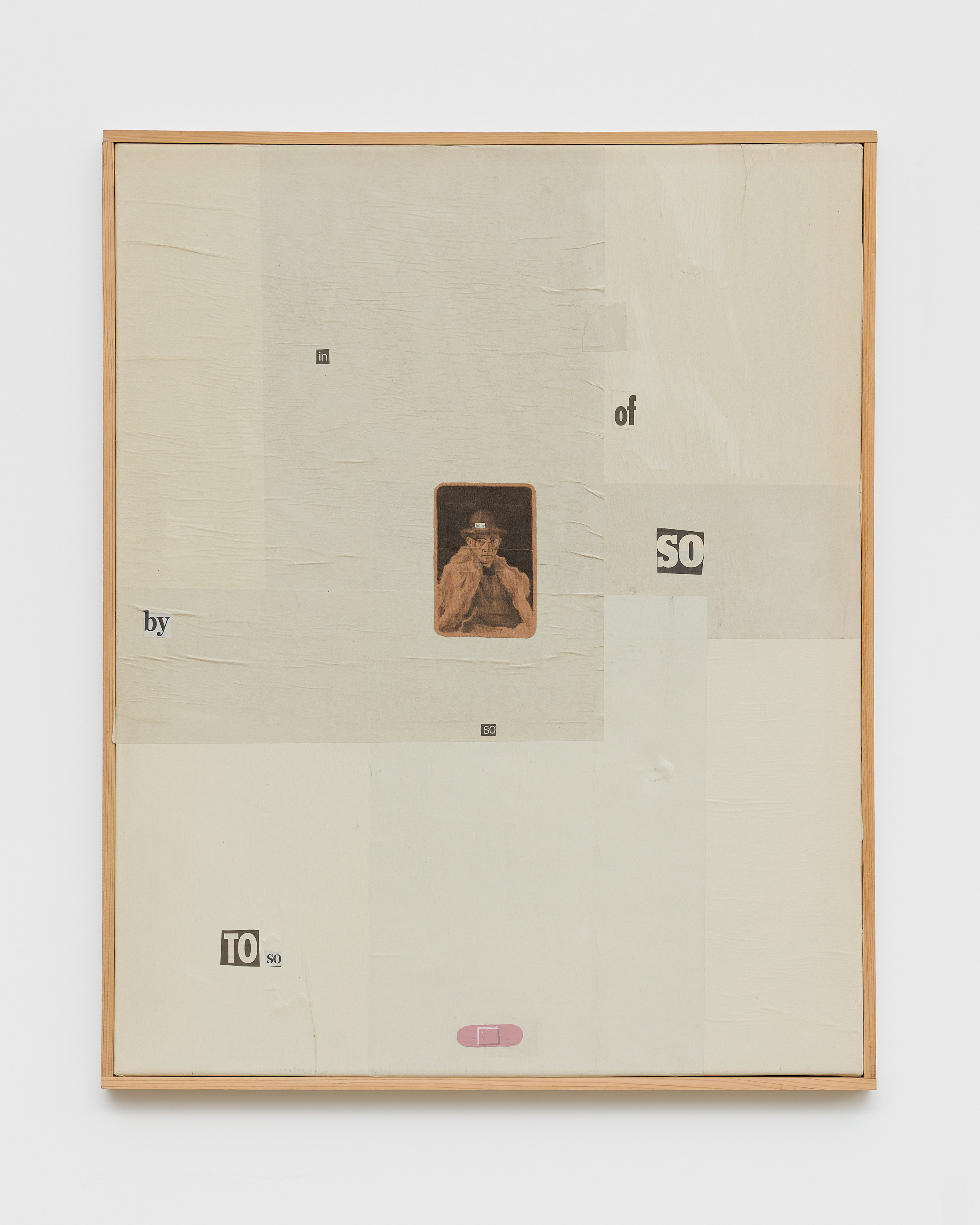
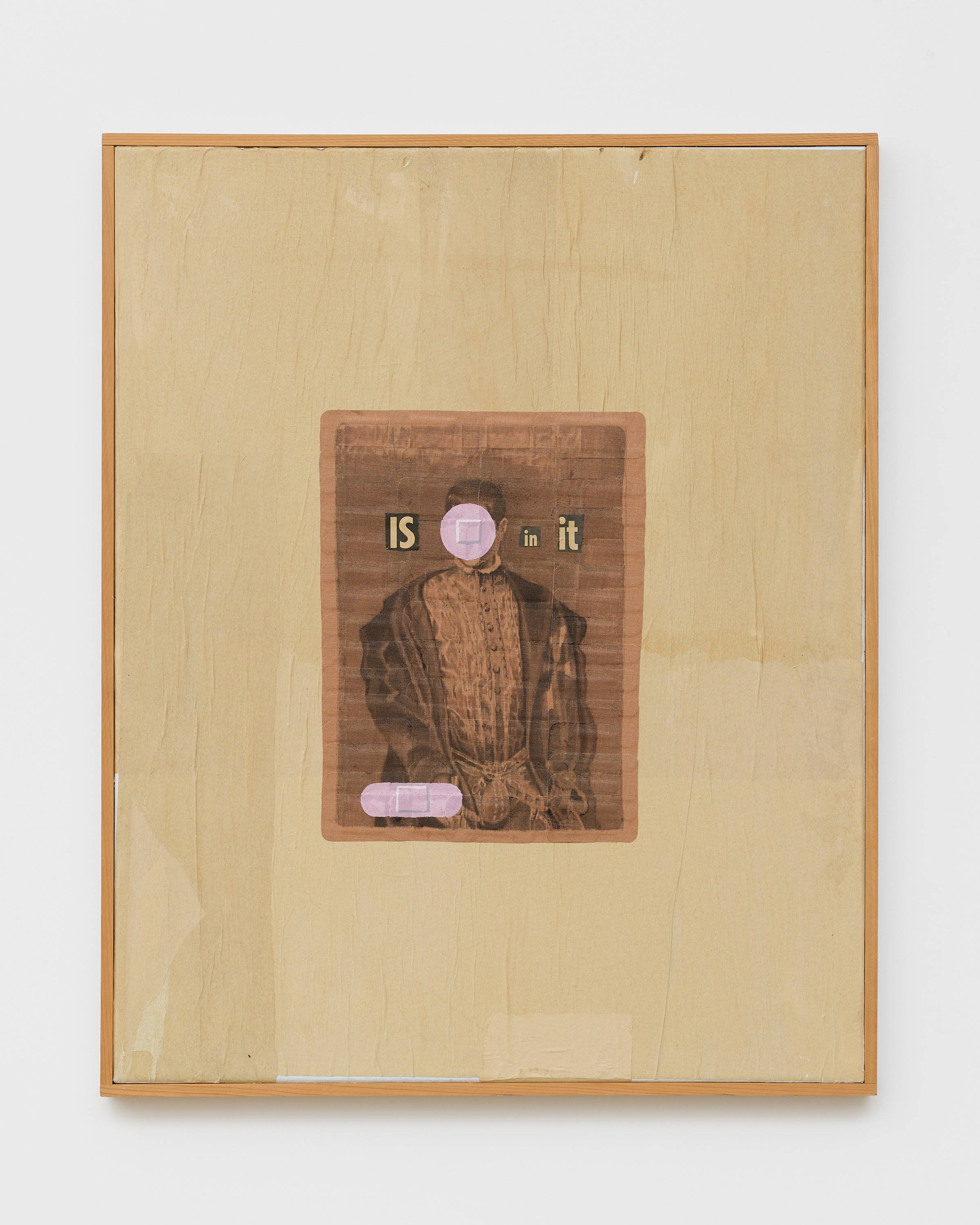
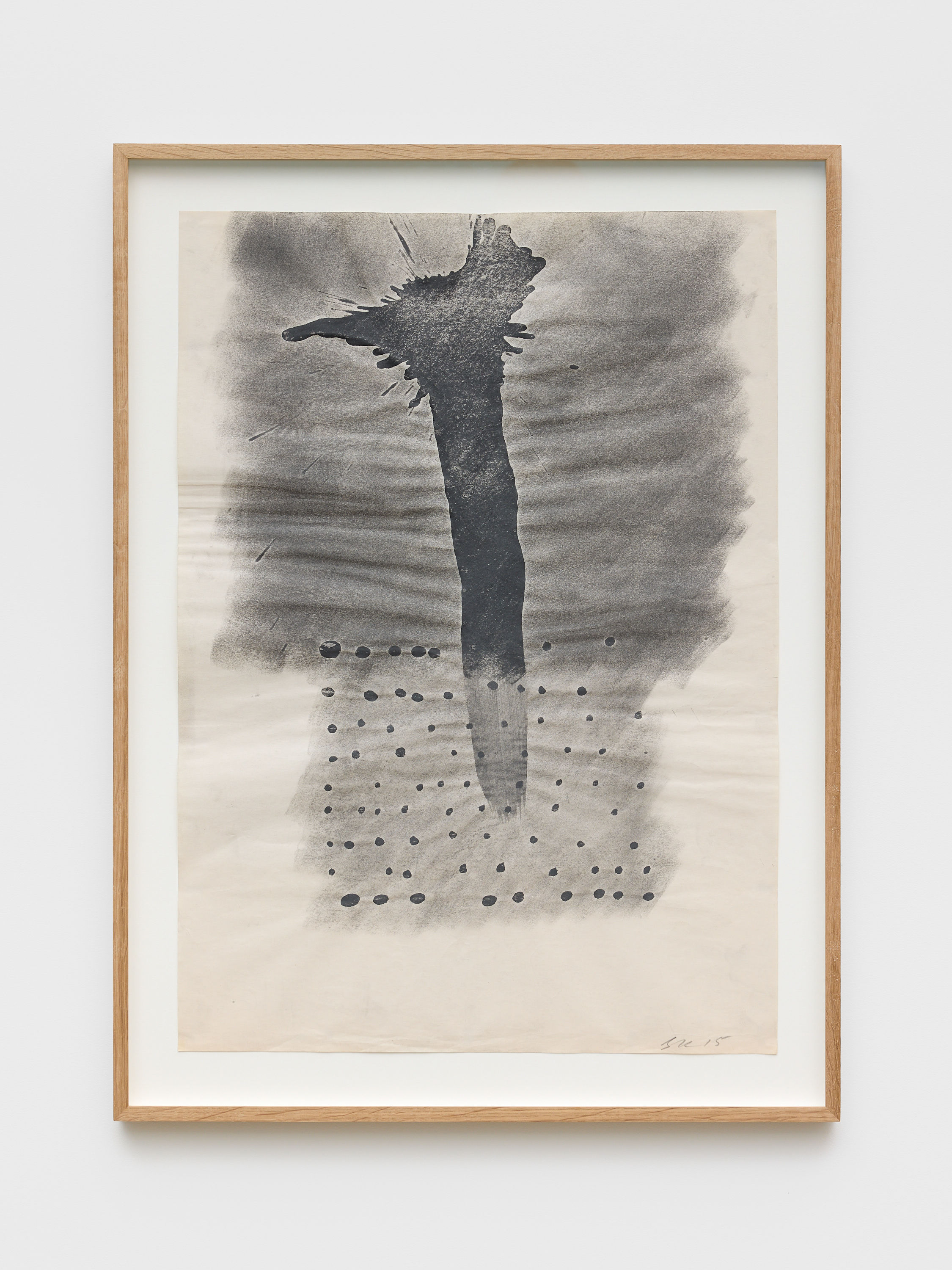
Inside, the show feels both intimate and expansive – a quiet reclamation of an artist whose work has long been overlooked. It span decades, and the team at Graces Mews have gone deep into Kamen’s 35-year archive: abstract paintings sit alongside collages on found text and delicate ink drawings. Larger works on paper are stacked and hung with metal clips exactly as they were found in his studio – a practical solution to a storage problem that emulates Kamen’s set-up. Even the carefully recovered 35mm film at the centre of the show is projected onto unprimed canvases – an unconventional surface that adds a rawness to the presentation while allowing the images to be seen from both sides.
Ib Kamara, formerly editor-in-chief of Dazed and now creative director at Off-White, recalls reaching out to Kamen early in his career. Kamen invited him to his studio and they ended up talking for almost two hours – about fashion, politics, the world. Kamara still considers Kamen one of the kindest, most talented people he’s ever met.
“It was so special to see such an extensive record of Barry’s work at Graces Mews for the first time since his passing,” Kamara tells me. “Barry was a seminal influence on me. He gave me the confidence and self-belief to defy people’s expectations and create work from the heart. I miss him every day. I hope his work continues to inspire young creatives, just as it did for me in the early years of my career.”


“Barry was always an artist,” says Jamie Morgan. “The modelling and styling were ways [for him] to make money. He was way ahead of his time.” Morgan remembers being at Kamen’s studio the day he died – after Kamen didn’t show up for his wife’s birthday – and photographing the space, freezing it in time. “Those images remain precious,” he says. “His studio was full of ideas. Barry was humble and deeply committed to his work. He never got the recognition he deserved in his lifetime, but I hope this exhibition finally positions him as the innovative artist he was.”
Kamen’s backstory is one of quiet persistence. Tatiana Strauss-Kamen, his wife and the driving force behind his artistic estate, frames the exhibition as a turning point. She calls it “a proper beginning for his work,” though it strikes a bittersweet note. “When Barry died, it was out of nowhere,” she says. “The loss was devastating, and for years his work remained in storage. This exhibition is a way of taking out what he couldn’t himself when he was alive, and sharing it with the world.”
She explains why Kamen held back from the art world: an encounter with a gallerist left him disillusioned, and he retreated. “He was quite shy and saw himself as an outsider,” she says. “It was the time when the YBAs were all anyone was talking about. Painting was seen as old-fashioned. Barry had a vulnerable side, and a particular gallerist was very critical of his work. I was stunned, because his work, though abstract, was quite conceptual. But Barry, in his quiet, protective way, simply refused to justify it to her. He wasn’t going to give her that.”


Tyrone’s dad Mark Lebon, a photographer and key figure in Buffalo’s heyday and beyond, recalls the challenges Kamen faced when it came to being taken seriously for his work. “Barry was pooh-poohed as an artist because he was involved with fashion,” he tells me. “Incredible talent goes missing because of the snobbery of the art world. Barry felt that torment – the conflict between commercial work, which wasn’t respected, and the slow, meticulous practice of painting. It pained me, because we were very close back then. Barry was part of the family, like a younger brother. And like any family, there were moments of distance, but far more moments of deep intimacy.”
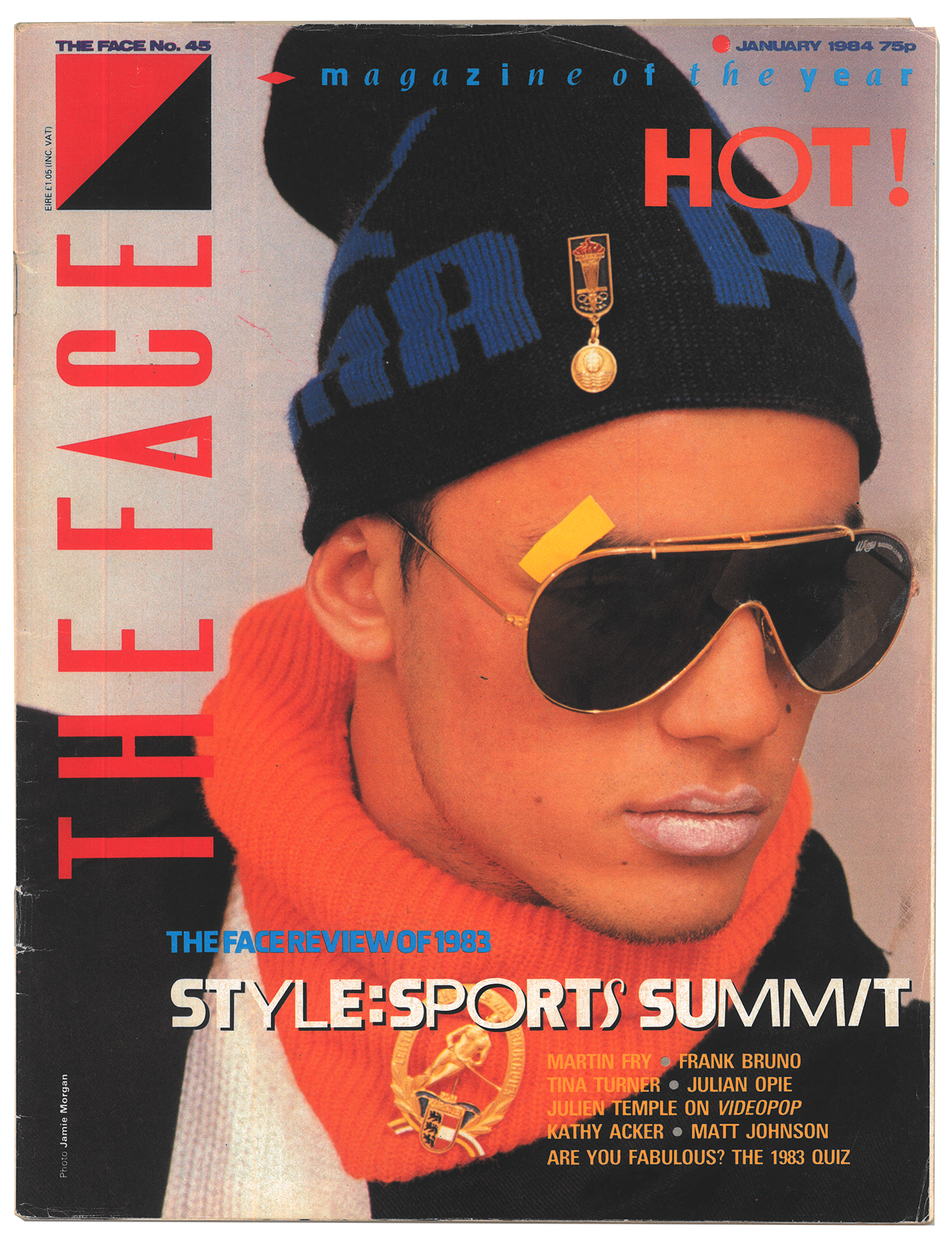
Kamen was the youngest of eight children from Essex and of mixed Burmese, Irish, Dutch and French heritage; by all accounts, his older brother Nick, a model and singer – with whom he appeared in the January 1984 issue of THE FACE – took most of the limelight. “Barry was such a giver – he supported everyone before himself,” says Jamie Morgan. “His father was strict, money was tight and being the youngest child in a big family, Barry was happy with less. But his work remained entirely his own: intensely personal and uncompromised.”
At Graces Mews, Kamen’s work feels undeniably “now”. In an art world largely focused on identity and hybridity, he was already exploring these questions while others were just catching up – a mixed-heritage Brit quietly dissecting the structures of power that excluded him. Through collage, layering and symbolic portraiture, he reworked the visual language of British iconography to question who gets represented and why. His portraits of royal figures feel less like reverence and more like reclamation.
For anyone who remembers Kamen as a style icon – check out this footage of him walking the Comme des Garçons runway alongside Jean-Michel Basquiat in 1986 – the shift toward his art is striking but inevitable. The composure he brought to the camera carries into his work: a stillness that radiates control. In his painting series Caged Waits, a human spine emerges from a near-white field. The art doesn’t shout; it makes you lean in. It’s a reminder of how unfairly the label “muse” can shrink a person.
If It Is happened almost entirely by chance. Mark Lebon’s son, Frank, bought a Kamen piece as a gift for Tyrone, setting off a chain of events that opened doors to the artist’s estate. Tatiana Strauss-Kamen worked closely with Tyrone and his team to assemble a selection that honours the breadth and intimacy of Barry’s practice. Every canvas, film reel, and collage on display is carefully considered, and yet the show remains a work in progress, with many pieces still untitled and undated.
In the late ‘80s and early ’90s, Mark Lebon’s Crunch Studios was a north-west London hangout for the likes of Juergen Teller, Ray Petri, Neneh Cherry, Judy Blame – and, of course, Kamen. Lebon remembers staging an early show for him there. “He wanted it all to look like a proper gallery, so we built a smooth wall over the bricks, 30 feet by 10,” says Lebon. “He hung these very odd pieces – only one of 12 sold. Honestly, you can blame me for that. I probably should have done more to help people understand what they were looking at.”
This time feels different. If It Is isn’t about sales – it’s about being seen, on his own terms.
Catch If It Is at Graces Mews until 29th November

